If you’ve ever towed a trailer with your Jeep, you probably know how important the Jeep trailer wiring harness is. This simple but vital part allows your Jeep’s electrical system to safely control the lights and signals on your trailer.
Without a good wiring harness, you risk unsafe conditions, traffic tickets, and even accidents. Let’s break down what makes a trailer wiring harness essential, how to choose one, and what to know before installing.
What Is A Jeep Trailer Wiring Harness?
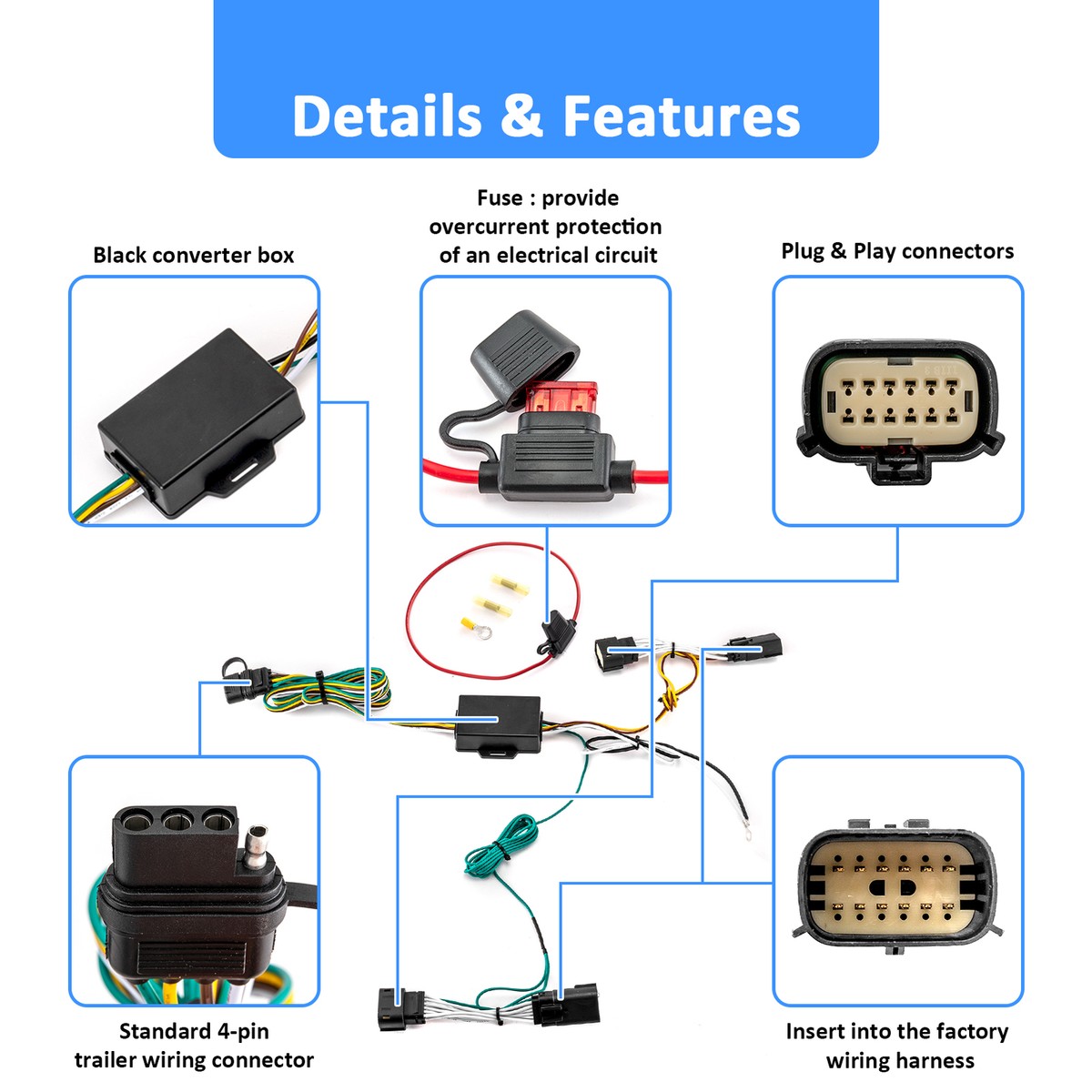
A trailer wiring harness is a set of wires and connectors that link your Jeep’s electrical system to your trailer. This connection powers the trailer’s tail lights, brake lights, and turn signals. For most Jeeps, the harness plugs into the factory wiring, often at the rear tail light assembly. Some models need extra adapters or modules, especially if your Jeep has advanced lighting systems.
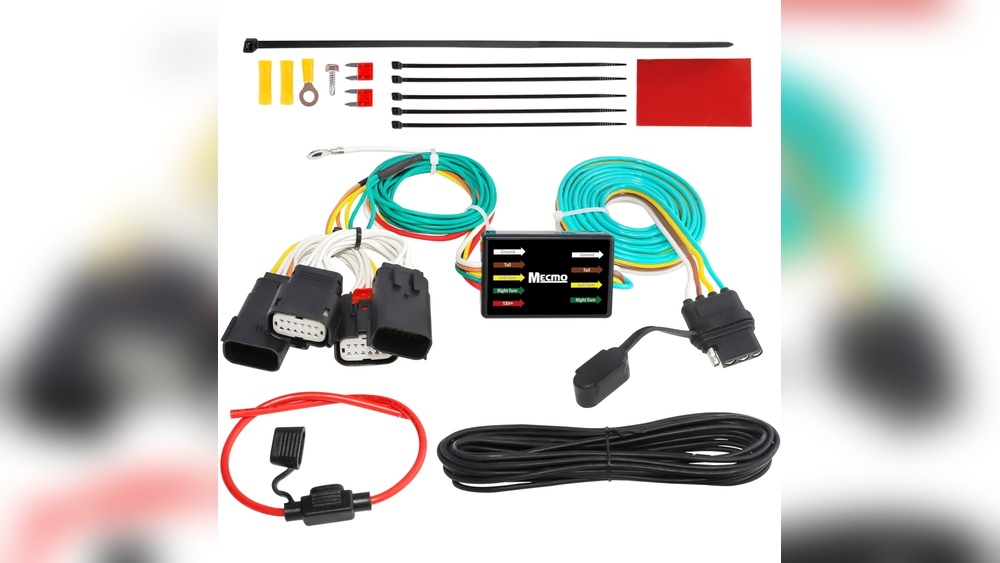
Most modern harnesses use a 4-way flat connector. This is the standard for small to medium trailers. Larger trailers may use a 7-way round connector, which supports extra features like electric brakes or backup lights.
Why The Right Harness Matters
Using the wrong harness can cause real problems. Jeep models like the Wrangler, Cherokee, and Grand Cherokee have different electrical systems. Plugging in a harness not designed for your specific Jeep can lead to:
- Blown fuses or electrical damage
- Malfunctioning trailer lights
- Error messages on your dashboard
- Warranty issues with your Jeep
Always check your Jeep’s year, model, and trim before buying a harness. For example, a 2018 Wrangler JL uses a different wiring system than a 2016 Wrangler JK.
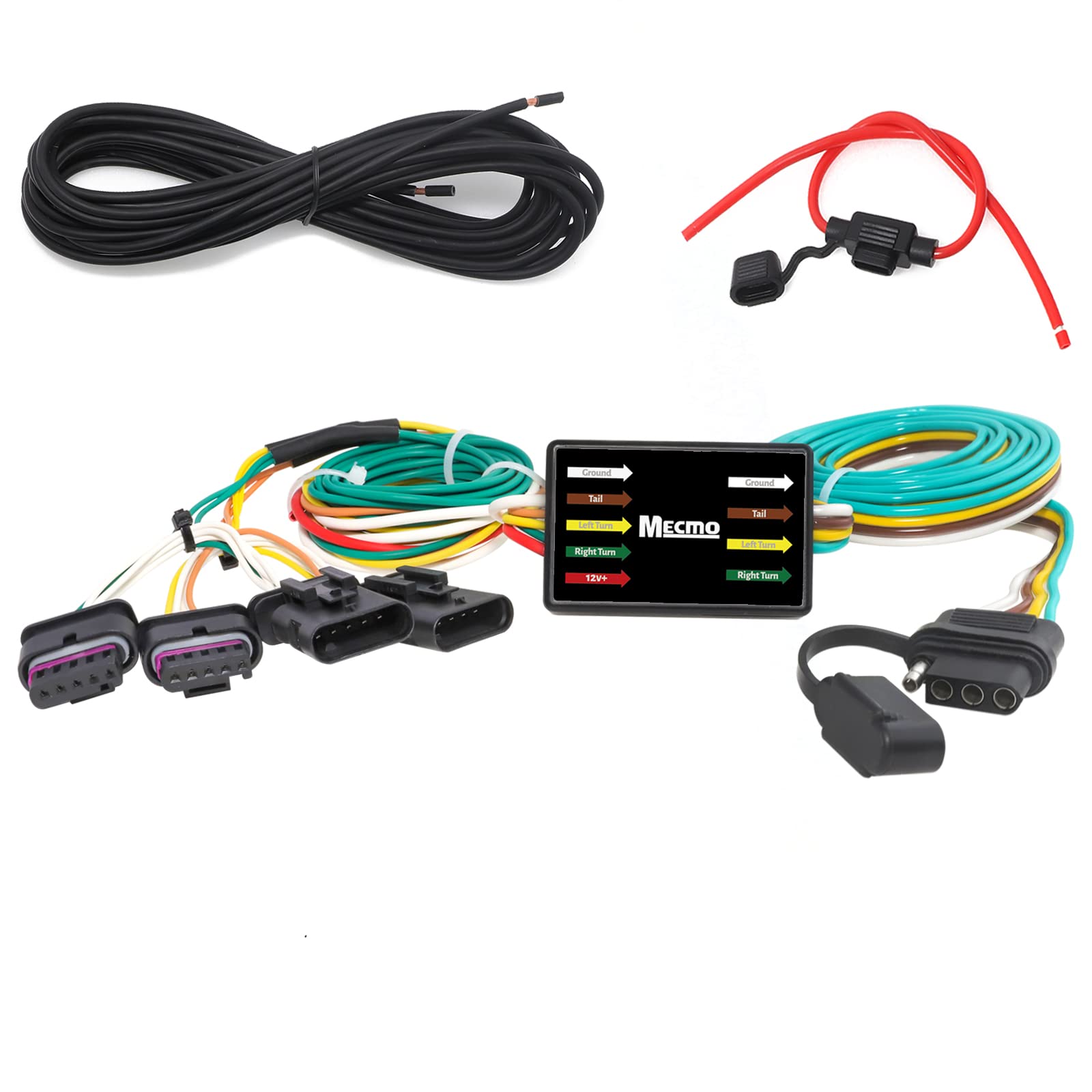
Types Of Jeep Trailer Wiring Harnesses
Jeep trailer wiring harnesses come in several types. Here’s a quick comparison:
| Type | Features | Best For |
|---|---|---|
| Plug-and-Play | No cutting, easy install, uses factory connectors | Most Jeep owners, especially new models |
| Hardwire | Manual wire splicing, universal fit | Older Jeeps, custom setups |
| Powered Harness | Has a power module, protects Jeep electronics | Jeeps with LED or multiplex lighting |
Plug-and-play kits are easiest for beginners. Powered harnesses are a must if your Jeep uses complex lights, like full-LED systems.
How To Choose The Right Jeep Trailer Wiring Harness
Picking the best harness is easier if you focus on these factors:
- Compatibility: Match the harness to your Jeep’s year, model, and lighting system. Check if your Jeep uses regular bulbs or LEDs.
- Number of Wires: Small trailers (like utility or boat trailers) usually need a 4-way harness. Campers or horse trailers often require a 7-way harness.
- Ease of Installation: Plug-and-play harnesses save time and prevent mistakes.
- Durability: Look for sealed connectors and weather-resistant wiring.
- Brand Reputation: Trusted brands like CURT, Mopar, and Hopkins offer reliable harnesses.
Here’s a quick look at features to compare:
| Feature | Why It Matters |
|---|---|
| Waterproof Connectors | Protects against rain and mud |
| Built-in Fuses | Prevents electrical shorts |
| Power Module | Prevents overloading Jeep’s lights |
| Warranty | Gives peace of mind and coverage |

Installation Tips And Common Mistakes
Installing a trailer wiring harness on your Jeep can be a DIY project. Here’s what you should know:
Key Steps For Installation
- Locate the tail light assembly. Most harnesses plug in here.
- Disconnect the battery. This avoids accidental shorts.
- Follow the instructions. Every harness is a bit different.
- Secure the wires. Use zip ties to keep wires away from hot or moving parts.
- Test all trailer lights before hitting the road.
Common Mistakes To Avoid
- Skipping the battery disconnect can cause blown fuses.
- Forgetting to test the trailer lights before driving can lead to unsafe towing.
- Not weatherproofing connections can cause corrosion over time.
Many Jeep owners forget to check if their trailer’s lights match the Jeep’s signals. Some trailers use different wiring setups, which can be confusing.
Always bring a test light or ask a friend to help check each signal.
Jeep Trailer Wiring Harness: Real-world Example
Let’s say you have a 2026 Jeep Wrangler JL and want to tow a small utility trailer. You choose a CURT plug-and-play 4-way harness designed for JL models.
The kit plugs into your tail light connectors, and includes a power module that protects your Jeep’s electronics.
After a 30-minute install, you test the trailer lights. Everything works—signals, brakes, and running lights. You’re ready to tow safely.
Now, imagine using a universal hardwire kit instead. You spend hours splicing wires and troubleshooting.
You risk mistakes, and your Jeep’s warranty may be affected.
Maintenance And Troubleshooting
Even the best wiring harness can develop issues over time. Here’s how to keep things working smoothly:
- Inspect the harness every few months for damage or corrosion.
- Clean connectors with electrical contact cleaner if they look dirty or green.
- Check fuses if trailer lights stop working suddenly.
- Replace worn parts—never drive with unreliable lights.
If you notice flickering or non-working trailer lights, check both the Jeep’s wiring and the trailer’s own wires. Sometimes the trailer is the problem, not your Jeep.
Regulations And Safety
Towing laws vary by state. In the US, trailers must have working tail lights, brake lights, and turn signals.
Police can ticket you if your trailer lights don’t work. Even worse, non-working lights can cause accidents, especially at night or in bad weather.
Some states require trailers to have side markers or reflectors. Always check your local laws before towing. For up-to-date information, visit the National Highway Traffic Safety Administration.
Frequently Asked Questions
What Is The Difference Between A 4-way And 7-way Trailer Wiring Harness?
A 4-way harness powers basic trailer lights (tail, brake, and turn). A 7-way harness adds extra circuits for electric brakes, backup lights, and battery charging. Use the harness type your trailer needs.
Can I Install A Trailer Wiring Harness Myself?
Yes, most plug-and-play harnesses can be installed by Jeep owners with simple tools. Hardwire kits are harder and need electrical skills.
Always follow the instructions and test the lights.
Will A Trailer Wiring Harness Affect My Jeep’s Warranty?
If you use a harness designed for your Jeep, and don’t cut factory wires, your warranty is usually safe. Cutting or splicing factory wiring can cause issues with warranty claims.
Why Do My Trailer Lights Flicker Or Not Work?
Common causes are poor ground connections, corroded plugs, or blown fuses. Clean all connectors and check the trailer’s own wiring for damage.
Do I Need A Special Harness For Led Trailer Lights?
Sometimes. If your Jeep or trailer uses LED lights, you may need a powered harness or module to avoid fast-blinking signals or error messages.
A quality Jeep trailer wiring harness makes towing safer and less stressful. Take time to select the right one, install it carefully, and check your lights before every trip.
This small part is the key to safe adventures on and off the road.