For anyone interested in off-roading, the words “Trail Rated” on a Jeep spark curiosity. Some Jeep SUVs wear this badge proudly, while others don’t.
What does “Trail Rated” actually mean, and how does it affect your driving experience? If you’re deciding between a Trail Rated Jeep and a non-Trail Rated model, understanding the difference is key to choosing the right vehicle for your needs.
What Does Trail Rated Mean?
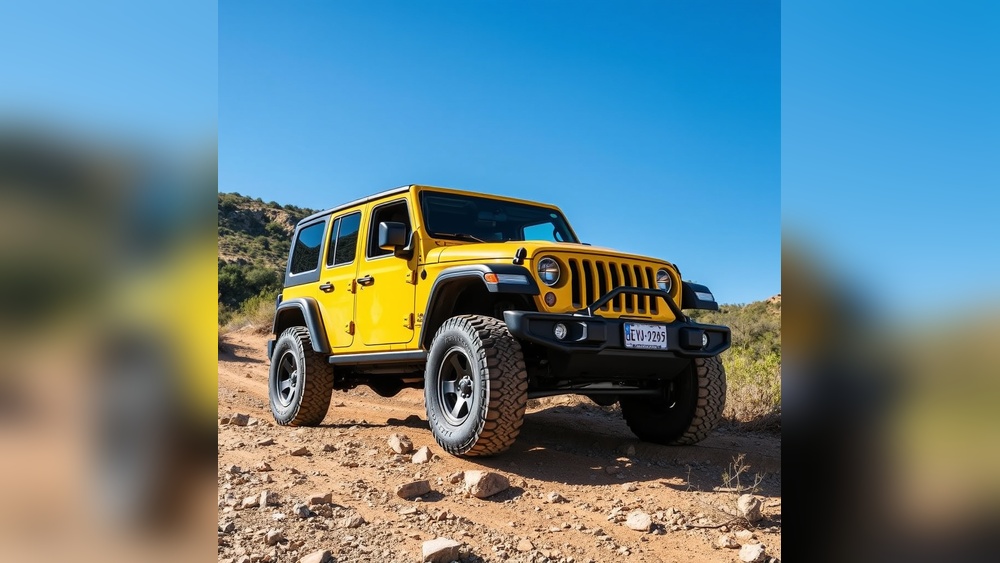
Jeep’s Trail Rated badge is not just a sticker. It’s a certification given by Jeep to vehicles that pass a series of challenging tests. The goal is to prove a Jeep’s ability to handle tough off-road conditions. These tests focus on five main categories:
- Traction
- Water Fording
- Maneuverability
- Articulation
- Ground Clearance
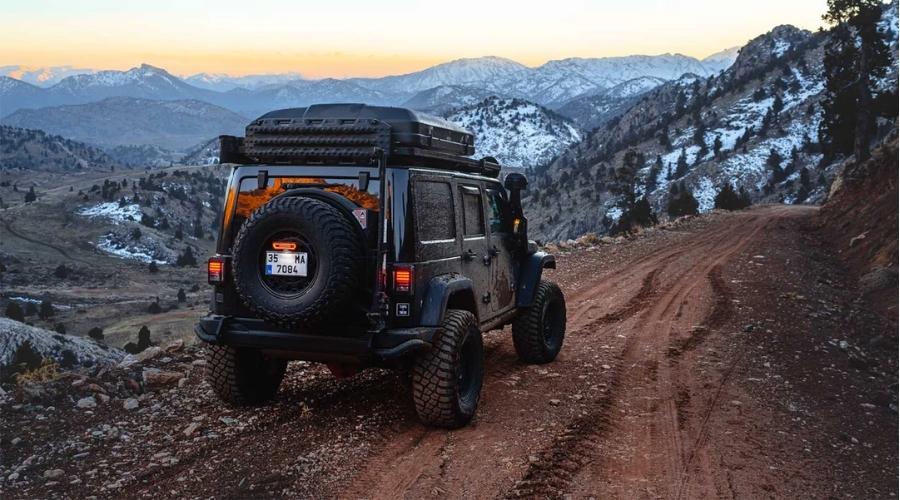
A Trail Rated Jeep is engineered to perform well in mud, snow, sand, rocks, and steep terrain. The badge signals confidence for adventurers who plan to leave paved roads behind.
How Jeep Trail Rated Testing Works
Jeep’s testing isn’t just marketing—it’s a real process, often done on the Rubicon Trail in California, one of the toughest off-road trails in the US. Here’s how each category is tested:
- Traction: Ensures the vehicle can move forward on slippery or uneven surfaces.
- Water Fording: Checks that the Jeep can safely drive through water without damaging the engine or electronics.
- Maneuverability: Tests how well the Jeep steers around obstacles.
- Articulation: Measures how much the wheels stay in contact with the ground for better grip.
- Ground Clearance: Looks at the height between the ground and the lowest part of the Jeep, so you don’t get stuck on rocks or logs.
Jeep uses real-world scenarios, not just lab tests, to award the Trail Rated badge.
Trail Rated Vs Non Trail Rated: Key Differences
Understanding the main differences can help you decide which Jeep is right for your lifestyle. Here’s a side-by-side comparison:
| Feature | Trail Rated Jeep | Non-Trail Rated Jeep |
|---|---|---|
| Off-Road Capability | Advanced | Basic to Moderate |
| 4×4 System | Standard or upgraded | Optional or basic |
| Ground Clearance | Higher | Lower |
| Skid Plates | Often included | Rarely included |
| Approach/Departure Angles | Steeper | Less steep |
| Water Fording Depth | Greater | Lower |
The Jeep Wrangler Rubicon is Trail Rated, built for serious off-road adventures. In contrast, the Jeep Compass Sport may not carry the Trail Rated badge. While it handles dirt roads well, it’s not designed for deep mud or climbing large rocks.
Why Jeep Doesn’t Trail Rate Every Model
Not every Jeep earns the Trail Rated badge, and that’s intentional. Some models are made for city driving or light outdoor use.
They’re more focused on comfort, fuel efficiency, and style.
| Model | Trail Rated Version? | Main Use |
|---|---|---|
| Wrangler | Yes | Off-road |
| Grand Cherokee | Some trims | Mixed use |
| Compass | Trailhawk only | City/suburban |
| Renegade | Trailhawk only | City/suburban |
This approach lets Jeep offer choices for both urban drivers and trail fans.
Should You Choose Trail Rated Or Not?
Choosing between a Trail Rated and non-Trail Rated Jeep depends on your lifestyle.
- Pick a Trail Rated Jeep if you love off-road adventures, plan to drive in tough weather, or want the highest capability.
- Go for a non-Trail Rated Jeep if you mostly drive in the city, care about a smooth ride, or want better gas mileage.
Trail Rated Jeeps often cost more, but you get extra features like heavy-duty axles, stronger suspension, and advanced 4×4 systems. For most daily drivers, a non-Trail Rated model is enough. But if you want to explore nature’s roughest paths, the Trail Rated badge brings real benefits.
Non-obvious Insights For Buyers
Many first-time buyers believe all Jeeps can handle extreme trails, but only Trail Rated models are tested for that level. Here are two key insights:
- Not all 4×4 Jeeps are Trail Rated: Some Jeeps have four-wheel drive but lack the hardware or engineering to survive harsh trails.
- Tires make a big difference: Even Trail Rated Jeeps need the right tires. Factory tires are often a compromise between road comfort and off-road grip. Upgrading to dedicated off-road tires boosts your Jeep’s capability.
Another point: Trail Rated badges can affect resale value. Off-road fans often pay more for certified models.

Common Misunderstandings
Some people think the Trail Rated badge is just marketing. In reality, the testing process is rigorous. You can read more about Jeep’s standards on the official Jeep site.
It’s also a myth that non-Trail Rated Jeeps are weak. They still offer more capability than many other SUVs, just not the extreme levels Trail Rated models do.
Frequently Asked Questions
What Makes A Jeep Trail Rated?
A Trail Rated Jeep passes strict tests in five areas: traction, water fording, maneuverability, articulation, and ground clearance. These tests prove the Jeep can handle tough off-road conditions.
Can You Add Trail Rated Features To A Non-Trail Rated Jeep?
You can upgrade things like tires, skid plates, and suspension. However, you can’t “officially” earn the Trail Rated badge without factory certification.
Do Trail Rated Jeeps Use More Fuel?
Some Trail Rated models have heavier parts and larger tires, which can lower fuel economy slightly. However, the difference is small for most drivers.
Is The Trail Rated Badge Important For City Driving?
If you mostly drive on paved roads, you probably don’t need Trail Rated capability. Non-Trail Rated Jeeps are more comfortable for city use.
Which Jeep Models Are Always Trail Rated?
The Jeep Wrangler and Wrangler Unlimited are always Trail Rated. Other models, like the Grand Cherokee and Compass, have specific Trail Rated trims, usually labeled “Trailhawk.”
Choosing between Trail Rated and non-Trail Rated is about understanding your real driving needs. If adventure calls you off the beaten path, the badge matters.
For everyone else, Jeep still offers plenty of comfort, style, and everyday capability.