Jeep TJ owners trust their vehicles for rugged trails and daily driving. One part that’s often overlooked is the automatic transmission fluid (ATF). The right ATF keeps your TJ shifting smoothly and protects the transmission from wear. If you neglect it, you could face costly repairs or even breakdowns. This guide explains which fluid to use, how to check and change it, and why it’s so important for your Jeep TJ.
Understanding The Jeep Tj Transmission
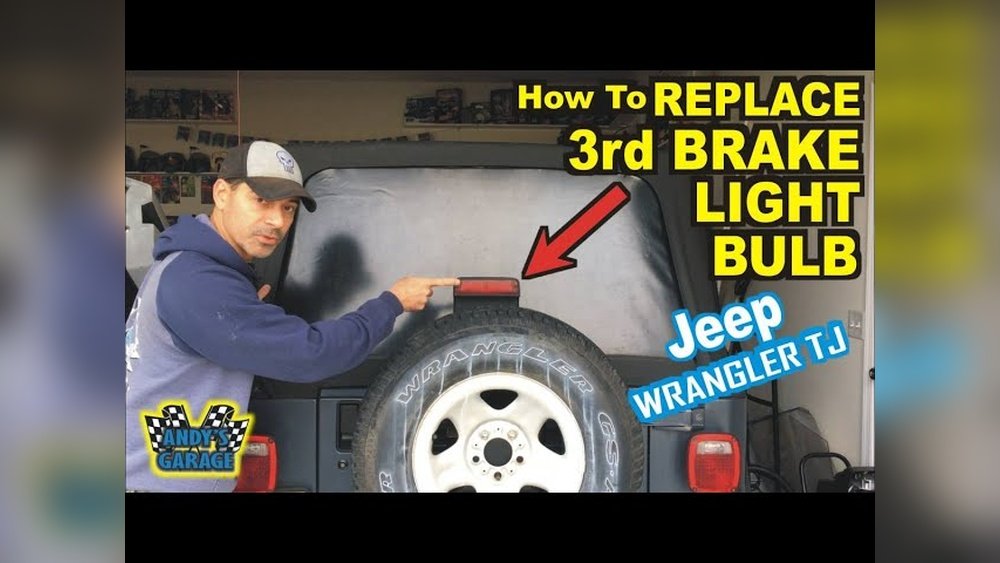
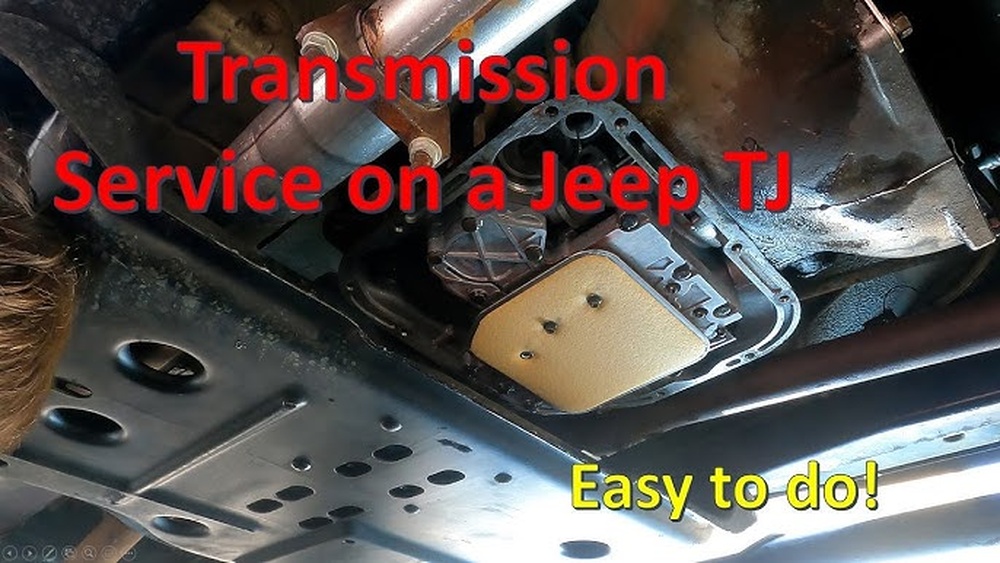
The Jeep TJ was built from 1997 to 2006. Most automatic models use the 32RH transmission (1997–2002, with the 4.0L engine) or the 42RLE (2003–2006, all engines). Both are reliable but have different fluid requirements. The right ATF protects gears and prevents overheating.
Here’s a quick comparison:
| Model Year | Engine | Transmission | Required ATF |
|---|---|---|---|
| 1997–2002 | 4.0L I6 | 32RH | ATF+3 or Dexron III |
| 2003–2006 | 4.0L I6 / 2.4L I4 | 42RLE | ATF+4 |
Important: Fluid types are NOT interchangeable. Using the wrong fluid can damage the transmission.
Why Transmission Fluid Matters
Automatic transmission fluid does more than just lubricate. It:
- Transfers power from the engine to the wheels
- Cools internal parts
- Cleans and protects metal surfaces
- Conditions seals to prevent leaks
Old or low-quality fluid can cause hard shifting, slipping, or even total failure. Regular checks and changes help your TJ last longer.
How To Check And Change Jeep Tj Atf
Checking Transmission Fluid
- Park your Jeep on a level surface.
- Start the engine and let it reach normal temperature.
- With the parking brake on, shift through all gears, then leave it in Park or Neutral.
- Locate the transmission dipstick (passenger side, near the firewall).
- Wipe the dipstick clean, reinsert, then pull out to check the level.
- Fluid should be bright red and smell slightly sweet, not burnt.
If the fluid is dark, brown, or smells burnt, it’s time to change it.
Changing The Fluid
Changing the ATF in a Jeep TJ is a moderate DIY task. You’ll need:
- Correct ATF type (see table above)
- New transmission filter (recommended)
- Gasket or RTV sealant
- Drain pan, socket set, funnel
Steps:
- Remove the transmission pan bolts. Drain old fluid into the pan.
- Clean the pan and magnet (removes metal shavings).
- Replace the filter and gasket.
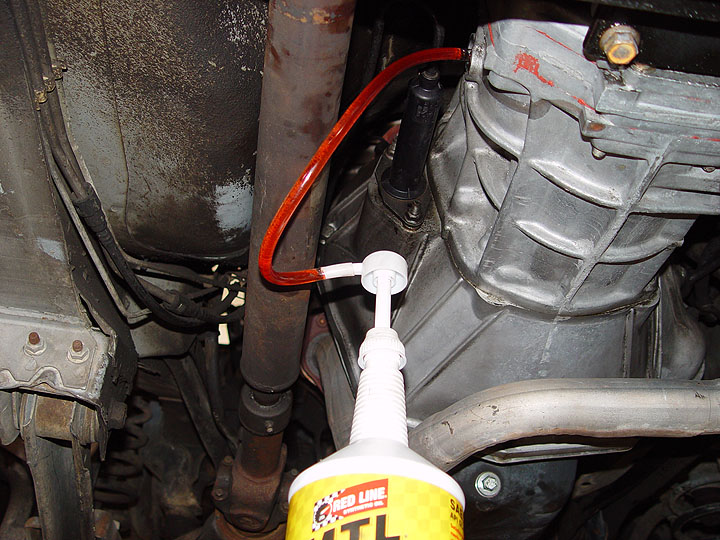
- Reinstall the pan and add new fluid through the dipstick tube.
- Run the engine, shift through gears, and check the level again.
Tip: The 32RH holds about 4 quarts; the 42RLE takes about 4–5 quarts for a pan drop. Always check your owner’s manual for the exact amount.
How Often Should You Change Jeep Tj Atf?
Most experts recommend changing the fluid every 30,000 to 60,000 miles. If you tow, drive off-road, or live in hot climates, change it more often. Dirty fluid can cause early wear and shift problems.

Symptoms Of Transmission Fluid Problems
Watch for these signs:
- Delayed or rough shifting
- Slipping between gears
- Unusual noises or vibrations
- Transmission warning light
- Fluid leaks under the Jeep
If you notice these, check the fluid first. Catching problems early can save thousands in repair costs.
Compatibility With Other Jeep Models
The Jeep TJ is unique, but other Jeep models use different transmissions and fluids:
- JK (2007–2018): Uses different automatics, usually ATF+4.
- JL (2018+): Uses 8-speed automatics with specific fluids.
- XJ Cherokee, WK, WL: Each has unique requirements; never assume compatibility.
Always verify by model year, engine, and transmission. When in doubt, consult your owner’s manual or a Jeep specialist.
Buying Tips For Jeep Tj Transmission Fluid
- Choose quality brands that meet Mopar or Chrysler specs.
- Avoid universal fluids unless labeled for your specific transmission.
- Check the bottle for ATF+3, ATF+4, or Dexron III as needed.
- Beware of cheap, off-brand products—they can cause more harm than good.
Here’s how common fluids compare for Jeep automatics:
| Fluid Type | Color | Recommended Use | Compatibility |
|---|---|---|---|
| ATF+3 | Red | 32RH (1997–2002) | Older Jeep/Chrysler |
| ATF+4 | Red | 42RLE (2003–2006) | Modern Jeep/Chrysler |
| Dexron III | Red | Some 32RH | GM, some Jeep |
When To Visit A Mechanic
Some problems need a professional:
- Persistent leaks or slipping
- Noisy shifts or bangs
- Metal shavings in the old fluid
- Fluid change doesn’t fix issues
A transmission rebuild on a Jeep TJ can cost $1,500–$3,000. Early attention can prevent full failure. If you’re unsure, always get expert help.

Real-world Tip: Don’t Overfill
Overfilling is a common mistake. Too much fluid foams and causes erratic shifts or leaks. After a fluid change, add a little less than the recommended amount, then check and top off as needed.
Additional Resources
For more details on Jeep TJ transmissions and fluids, the official Jeep website has technical guides and specifications.
Frequently Asked Questions
What Type Of Automatic Transmission Fluid Does My Jeep Tj Need?
Check your model year and engine. Most 1997–2002 TJs (32RH) use ATF+3 or Dexron III. Most 2003–2006 TJs (42RLE) require ATF+4. Always verify with your owner’s manual.
How Often Should I Change The Transmission Fluid In My Jeep Tj?
Every 30,000 to 60,000 miles is typical. Change it sooner if you tow, drive off-road, or see dirty/burnt fluid.
Can I Use Atf+4 In An Older Jeep Tj With A 32rh Transmission?
No. The 32RH works best with ATF+3 or Dexron III. Using ATF+4 can cause shift problems or damage.
What Are The Signs Of Low Or Bad Transmission Fluid?
Look for slipping gears, hard shifts, burnt smell, or leaks. These mean it’s time to check or change your fluid.
Is It Safe To Change The Transmission Fluid Myself?
Yes, if you have basic tools and follow instructions. If you’re unsure or see major issues, have a mechanic do the work.
—
Relevant internal-link anchor texts:
- Jeep TJ transfer case fluid
- Jeep Wrangler 42RLE transmission problems
- Best transmission fluid for Jeep Wrangler