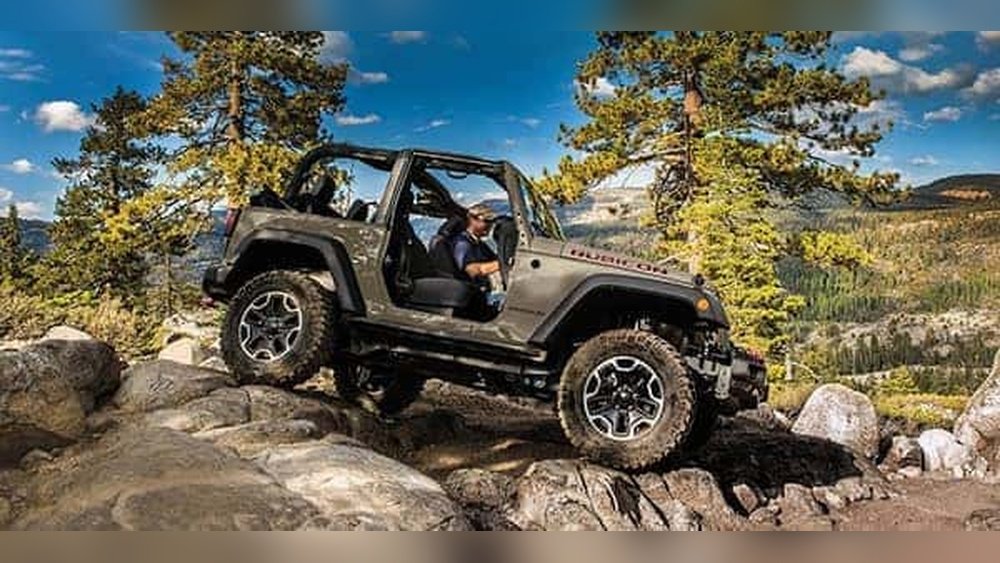
The Jeep Wrangler has a long history as an off-road icon. For many drivers, the soft top 4-door version stands out for its flexibility and open-air experience. Whether you’re a weekend explorer, daily commuter, or someone who loves the feeling of the wind on the road, understanding this model’s features and options will help you get the most out of your Jeep.
Why Choose A Jeep Soft Top 4 Door?
The Jeep Wrangler 4-door soft top offers a unique mix of adventure and practicality. With more interior space than the 2-door models, you get room for family, friends, or extra gear. The soft top lets you enjoy sunny drives, quick changes to open-air, and convenient cargo access. Unlike hardtops, soft tops are lighter and easier to remove—making them a favorite for those who want to switch between open and closed roofs without much effort.
Types Of Jeep Soft Tops For 4 Door Models
There are four main types of soft tops for the Jeep Wrangler 4-door. Each type has its own strengths, and the best choice depends on your needs and climate.
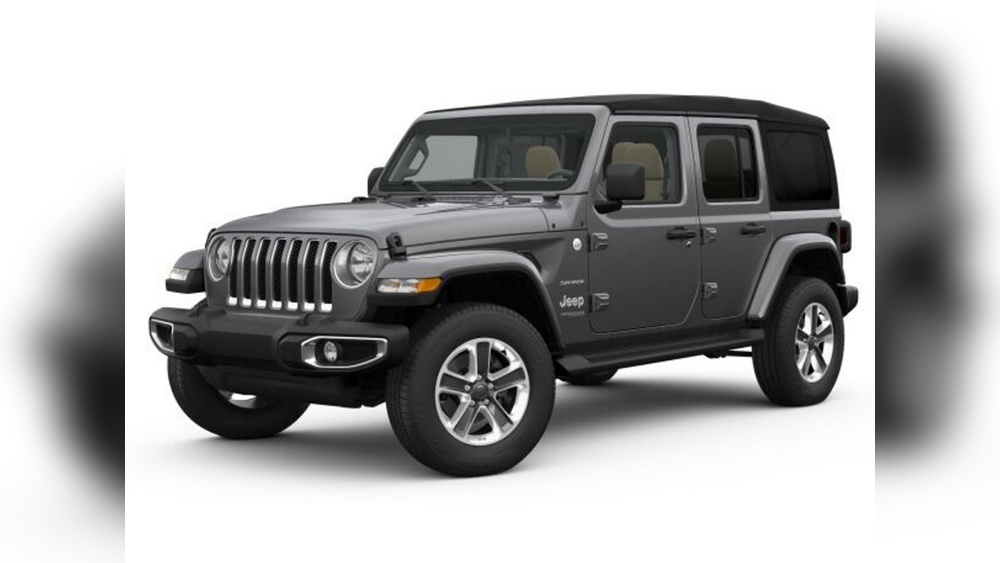
1. Standard (factory) Soft Top
The standard soft top is what most new Jeep 4-doors come with from the factory. Made from durable fabric and designed to fit perfectly, this top balances cost, weather protection, and usability.
Pros:
- Easy to fold down and put back up
- Good protection from rain and wind
- Compatible with most Jeep accessories
Cons:
- Can be noisy at highway speeds
- Not as insulated as a hardtop in cold weather
Tip: Always check for tears and clean the zippers regularly to extend the life of your standard soft top.
The premium twill soft top uses a heavier, higher-quality fabric compared to the standard version. It’s designed for drivers who want better noise reduction, a sleek appearance, and longer-lasting material.
Features:
- Softer, more luxurious feel
- Improved insulation for hot or cold weather
- Better sound dampening
Drawbacks:
- Usually more expensive than standard soft tops
- Slightly heavier, which may make handling a bit harder
Insight: Many Jeep owners report the premium twill top looks newer for years compared to basic tops, even after heavy use.
3. Sunrider Soft Top
The Sunrider soft top is all about quick access to fresh air. It has a special front section that flips back easily, much like a sunroof, without needing to remove the entire top.
Benefits:
- Fast, one-handed operation
- Great for changing weather conditions
- Allows partial or full open-air driving
Limitations:
- Slightly more complex mechanism with more moving parts
- May require more frequent maintenance
Practical Tip: The Sunrider is ideal for city drivers who want to enjoy sunshine during a lunch break or on short trips, without the fuss of removing the whole top.
4. Fastback Soft Top
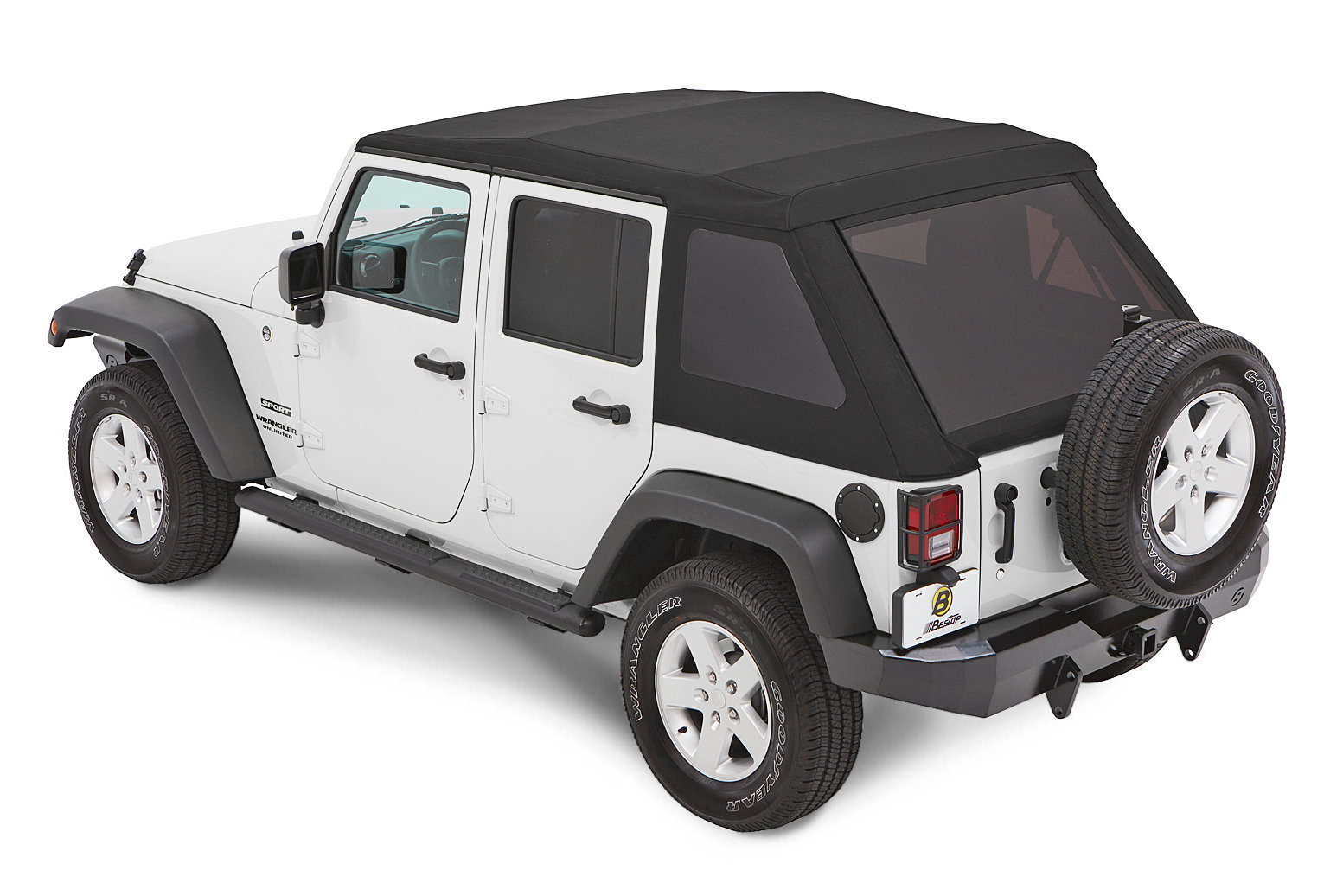
The fastback soft top stands out for its sporty, angled look. It gives the Jeep a more modern, aggressive silhouette and often makes rear window access easier.
Key Points:
- Unique sloped rear design
- Often includes removable rear and side windows
- Popular among those who want a distinctive style
Things to Note:
- Slightly less rear cargo height due to the sloped design
- Some versions may be harder to fold down than standard tops
Non-Obvious Insight: Fastback tops can improve rear visibility, thanks to the larger window angle, but they also change the airflow, which some owners say reduces dust swirling in the cabin during off-roading.
Comparing The Four Soft Top Types
To help you see the main differences at a glance, here’s a side-by-side comparison:
| Soft Top Type | Noise Level | Ease of Use | Price Range |
|---|---|---|---|
| Standard | Moderate | Easy | $$ |
| Premium Twill | Low | Moderate | $$$ |
| Sunrider | Moderate | Very Easy (front section) | $$$ |
| Fastback | Moderate | Moderate | $$$ |
What To Consider When Choosing A Soft Top
Picking the right soft top for your Jeep Wrangler 4-door is more than just style. Here are the most important factors:
- Climate: If you live where winters are cold, a premium twill top gives extra insulation. In warm or changing weather, the Sunrider’s quick-open feature is a winner.
- Usage: Frequent off-roaders might like the fastback for its easy window removal. Daily commuters often prefer quieter, more insulated tops.
- Budget: Factory and standard tops are most affordable. Premium options cost more but can last longer.
- Maintenance: All soft tops need care, like cleaning and checking for leaks, but premium materials often need less frequent replacement.
Common Mistake: Many buyers focus only on looks or price. Think about how often you’ll open the top, local weather, and how much noise you can tolerate before deciding.
Installation And Maintenance
Installing a Jeep soft top can be done at home with patience and basic tools. Most kits include instructions, but it’s best to watch video guides if you’re new. Key steps include:
- Removing the hardtop or old soft top
- Attaching the frame and hardware
- Stretching and securing the fabric
Maintenance tips:
- Clean with mild soap, not harsh chemicals
- Lubricate zippers twice a year
- Store windows flat to prevent scratches
Overlooked Tip: Never use a pressure washer on soft top fabric. It can force water through seams and cause leaks.
Real-world Example: Jeep Soft Top In Action
Imagine a family trip with a Jeep Wrangler 4-door soft top. In the morning, the soft top is up, keeping everyone warm. At lunchtime, the front section flips back for sunshine. Later, the whole top folds down for sunset views.
This kind of flexibility is why so many Jeep fans choose the soft top version.
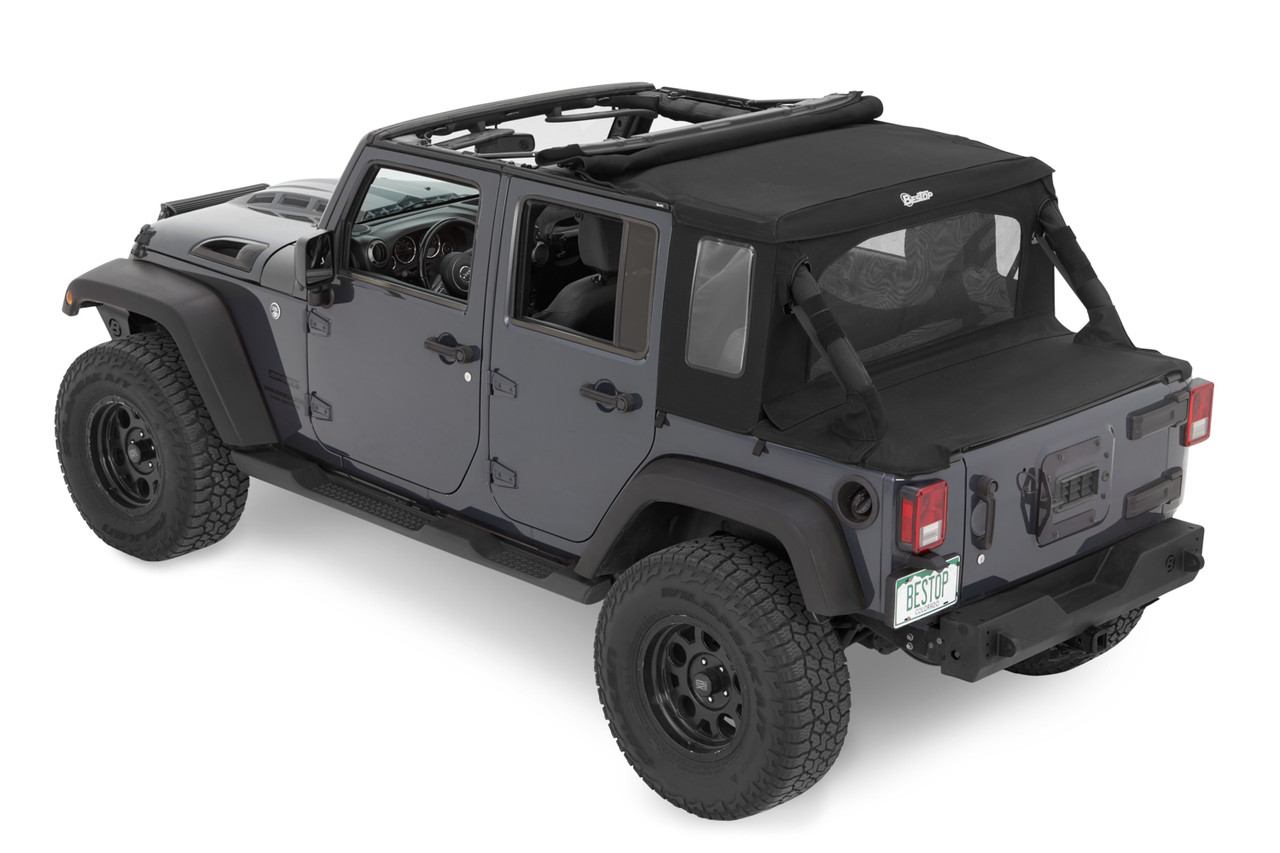
Cost Overview
Soft tops for Jeep 4-door models range from $800 for standard types to over $2,000 for high-end premium or fastback models. Installation can add $200–$500 if done by a professional. While this is an investment, it pays off in comfort and versatility.
Here’s a quick price and feature comparison:
| Type | Estimated Cost | Best For |
|---|---|---|
| Standard | $800–$1,200 | Budget, daily use |
| Premium Twill | $1,300–$2,000 | Comfort, quieter ride |
| Sunrider | $1,200–$1,800 | Quick open-air access |
| Fastback | $1,400–$2,200 | Style, off-road use |
Final Thoughts
A Jeep soft top 4 door brings together adventure, freedom, and practicality. By understanding the four main soft top styles, their pros and cons, and what really matters for your lifestyle, you can make a confident choice. Remember, choosing the right top isn’t just about looks—it’s about making every drive enjoyable, rain or shine. For more in-depth details, you can visit the official Jeep website.

Frequently Asked Questions
What Is The Main Advantage Of A Soft Top Over A Hardtop?
The main advantage is flexibility. Soft tops are lighter, easier to remove, and allow for quick changes between closed and open-air driving.
How Long Does A Jeep Soft Top Last?
With proper care, standard soft tops last 3–5 years. Premium twill tops can last 7 years or more.
Can I Install A Soft Top Myself?
Yes, most people can install a soft top at home with basic tools and patience. Watching video tutorials helps avoid mistakes.
Are Soft Tops Waterproof?
Quality Jeep soft tops are water-resistant, but regular maintenance is needed to keep seals tight and prevent leaks.
Do Soft Tops Fit All Jeep Wrangler 4-door Models?
Not always. Always check the model year and compatibility before buying, as frames and fittings can differ between generations.