Understanding Jeep Renegade Steering Wheel Parts
The steering wheel is your primary connection to your Jeep Renegade. It's not just a circular piece of plastic or leather; it's a complex system that allows you to control direction, engage with your vehicle's systems, and even enhances safety.
When something goes wrong with your steering wheel, it can range from a minor annoyance to a serious safety concern. Knowing the different Jeep Renegade steering wheel parts and their functions is crucial for any owner, whether you're a DIY mechanic or just want to understand your vehicle better.
From the basic components to the more advanced features, this guide will break down what makes up your Renegade's steering wheel and what to do when parts need attention.
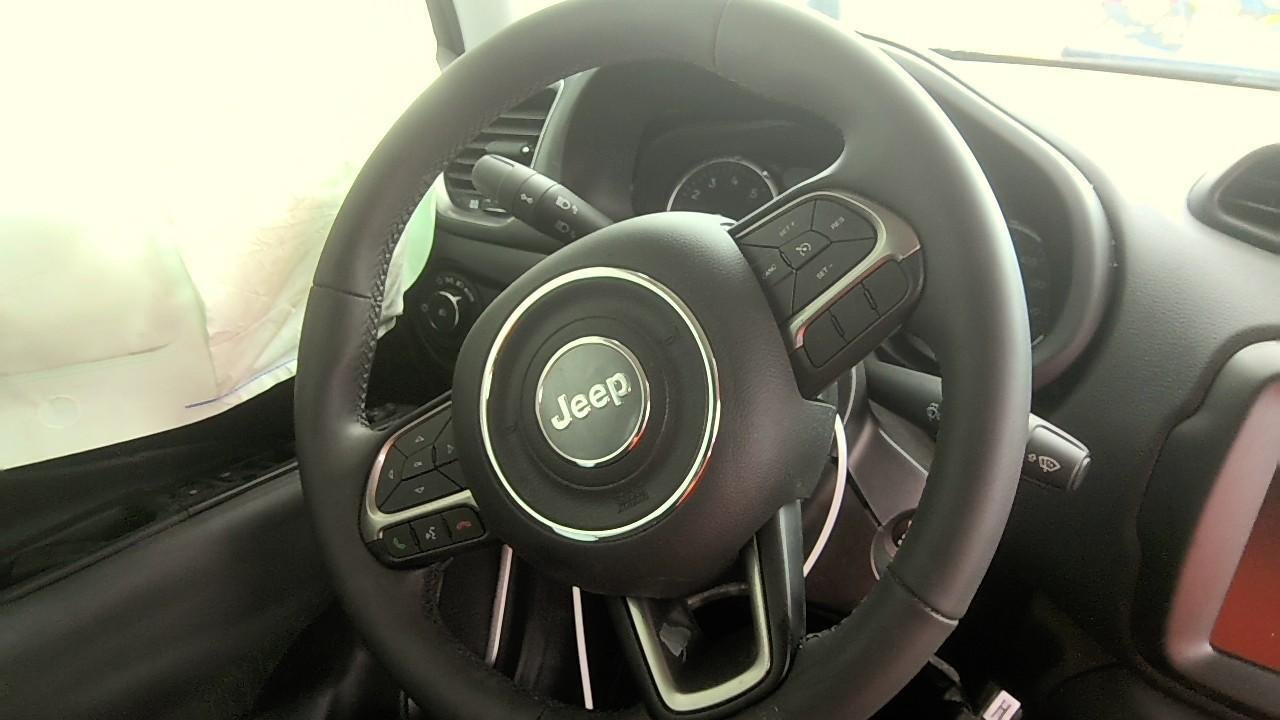
Your steering wheel is more than just a directional input device. Modern steering wheels house a variety of components that contribute to comfort, convenience, and safety.
These include the airbag module, horn, buttons for audio and cruise control, and sometimes even paddle shifters.
The physical steering wheel itself is attached to the steering column, which connects to the steering rack and ultimately the front wheels. Understanding the interplay between these parts is key to diagnosing issues and ensuring your Jeep Renegade remains safe and enjoyable to drive.
The Core Components Of A Jeep Renegade Steering Wheel
At its heart, a steering wheel system involves several key parts working together. For a Jeep Renegade, these components are designed for both function and durability, reflecting the brand’s heritage.
The Steering Wheel Assembly Itself
This is the most visible part, the circular or slightly flattened wheel you hold. It’s typically made of a metal frame covered with plastic, leather, or a synthetic material for grip and comfort. The design can vary based on the trim level and year of your Jeep Renegade, with higher trims often featuring leather wrapping and additional button controls. The steering wheel hub is the central part that connects the wheel to the steering column. This hub is critical as it houses the airbag and provides a secure mounting point.
Airbag Module
Safety is paramount, and the airbag module is a critical safety feature integrated into the steering wheel. It contains the airbag itself, an inflator, and sensors. In the event of a significant frontal collision, these sensors trigger the inflator, rapidly deploying the airbag to cushion the driver. It’s vital to remember that the airbag system is a sensitive electronic component. Any work involving the steering wheel, especially around the airbag module, should be done with extreme caution, often requiring battery disconnection and specific safety procedures to prevent accidental deployment.
Horn System
The horn is a legal requirement and a safety tool. On the Jeep Renegade, the horn activation is typically integrated into the steering wheel, usually by pressing specific sections or buttons on the wheel. The horn button is connected to a switch that completes a circuit, activating the horn. The horn itself is usually located in the front of the vehicle, but the control is right at your fingertips.
Modern vehicles like the Jeep Renegade are equipped with numerous buttons on the steering wheel to allow drivers to control various functions without taking their hands off the wheel. These commonly include:
- Audio Controls: Buttons for volume, track skipping, mode selection, and sometimes voice command activation.
- Cruise Control Buttons: Set, resume, cancel, and speed adjustment buttons for the cruise control system.
- Information Display Controls: Buttons to cycle through menus on the instrument cluster, showing fuel economy, trip information, tire pressure, and vehicle settings.
These buttons are connected via a clock spring (also known as an airbag clock spring or spiral cable) to the vehicle’s electrical system. This flexible ribbon cable allows electrical signals to pass from the steering wheel to the vehicle even as the wheel turns.
Clock Spring (spiral Cable)
The clock spring is an often overlooked but essential component. It’s a small, circular device located behind the steering wheel, within the steering column. Its primary function is to transmit electrical signals from the steering wheel’s buttons, horn, and airbag to the rest of the vehicle. It’s called a “clock spring” because it resembles a coiled spring, similar to the mechanism in a wind-up clock. As you turn the steering wheel, the clock spring unwinds and rewinds, maintaining electrical connections. When a clock spring fails, you’ll typically lose functionality of your steering wheel buttons, horn, and most importantly, the airbag system may stop working, often triggering a dashboard warning light.
Steering Wheel Position Sensor
In some Jeep Renegade models, a steering wheel position sensor is integrated. This sensor tells the vehicle’s computer the exact angle and speed at which the steering wheel is turning. This information is crucial for advanced safety systems like Electronic Stability Control (ESC) and Electronic Roll Mitigation (ERM). By knowing your steering input, these systems can better anticipate and react to prevent skids or rollovers.
Common Issues And Troubleshooting Jeep Renegade Steering Wheel Parts
Like any automotive part, components of the Jeep Renegade steering wheel can wear out or fail. Recognizing the signs of trouble can help you address issues before they become major problems.
If your audio controls, cruise control, or other steering wheel buttons suddenly stop responding, the most common culprit is a faulty clock spring. The ribbon cable inside can break or wear out over time, especially with frequent steering wheel use. Another possibility, though less common, is a problem with the specific button switch itself or the wiring harness connecting it.
Pro Tip: Sometimes, a simple reset of the vehicle’s electrical system by disconnecting the battery for a few minutes can resolve temporary glitches with electronic controls, including steering wheel buttons. However, always disconnect the battery before working on any steering wheel components, especially those related to the airbag.
Steering Wheel Vibration Or Shaking
Vibration felt in the steering wheel can stem from several issues, not all directly related to the steering wheel itself.
- Tire Imbalance: This is the most frequent cause. If your tires are unbalanced, they can cause shaking, especially at higher speeds.
- Wheel Alignment: Poor alignment can lead to uneven tire wear and sometimes a shimmy in the steering wheel.
- Brake Issues: Warped brake rotors can cause a pulsing or shaking sensation in the steering wheel when you apply the brakes.
- Suspension Problems: Worn suspension components like ball joints or tie rod ends can manifest as looseness or vibration in the steering.
- Damaged Wheel: A bent or damaged wheel rim can also cause significant vibration.
If you experience persistent steering wheel vibration, it’s best to have your vehicle inspected by a qualified mechanic to pinpoint the exact cause.
Squeaking Or Knocking Noises
Noises coming from the steering wheel or column area can indicate various problems:
- Squeaking: Often caused by worn bushings or a dry steering column bearing. It might be more noticeable when turning the wheel at low speeds.
- Knocking or Clunking: This could point to worn components in the steering linkage, such as tie rod ends, ball joints, or sway bar links. It might be heard when turning the wheel or going over bumps.
- Horn Issues: If the horn is weak, intermittent, or doesn’t work at all, it could be a problem with the horn button, the clock spring, the horn fuse, or the horn itself.
Airbag Warning Light
If the airbag warning light illuminates on your dashboard, it indicates a fault within the airbag system. This is a serious safety issue, as the airbag may not deploy in an accident. Common causes include:
- A faulty clock spring.
- Loose or corroded airbag connectors under the steering wheel.
- A problem with the airbag module itself.
- Issues with the seat belt pre-tensioners or other related safety sensors.
Warning: Never attempt to diagnose or repair airbag system faults yourself unless you are a trained professional. Improper handling can lead to accidental deployment or disable the system. Always consult a certified mechanic.
Replacing Jeep Renegade Steering Wheel Parts
Replacing steering wheel parts requires precision and adherence to safety protocols, especially when dealing with the airbag system.
Replacing The Steering Wheel Assembly
If the physical steering wheel is damaged (e. g.
, cracked plastic, worn leather) or you simply want an upgrade, replacing the entire assembly is possible.
- Safety First: Disconnect the negative battery terminal and wait at least 15-30 minutes to allow any residual power in the airbag system to dissipate.
- Remove Airbag Module: Carefully pry out the airbag module from the steering wheel. This usually involves releasing clips from the back of the steering wheel.
- Disconnect Connectors: Once the airbag is free, disconnect its electrical connectors and any other wiring harnesses for buttons.
- Remove Steering Wheel Nut: Loosen and remove the central nut holding the steering wheel to the steering column splines.
- Remove Steering Wheel: Carefully pull the old steering wheel off the column. You might need a steering wheel puller if it’s stuck.
- Install New Wheel: Align the new steering wheel onto the column splines and secure it with the nut.
- Reconnect: Reconnect all electrical connectors, then carefully reinstall the airbag module, ensuring it clicks into place securely.
- Reconnect Battery: Reconnect the negative battery terminal.
- Test: Start the vehicle and test all steering wheel functions, including the horn, buttons, and ensure the airbag light is off.
Replacing The Clock Spring
Replacing a clock spring is a common repair when steering wheel buttons or the airbag system fails.
- Safety Precautions: As with any steering wheel work, disconnect the battery and wait.
- Remove Steering Wheel: Follow the steps above to remove the steering wheel.
- Access Clock Spring: The clock spring is typically held in place by screws or clips on the steering column. Remove any covers necessary to expose it.
- Remove Old Clock Spring: Carefully disconnect its electrical connectors. Note its orientation and how it’s mounted.
- Install New Clock Spring: Mount the new clock spring, ensuring it is correctly oriented. Some new clock springs come with a locking pin to keep them centered during installation; remove this only after the steering wheel is mounted.
- Reconnect and Reassemble: Reconnect all electrical harnesses, reinstall the steering wheel, and reassemble any covers.
- Final Steps: Reconnect the battery and test all functions.
If individual buttons fail, you might be able to replace just the button module or the specific switch. This often involves disassembling the steering wheel from the back to access the button housings.
The process is similar to replacing the entire steering wheel, requiring careful removal of the airbag and then accessing the specific button components.
Maintenance And Care For Your Jeep Renegade Steering Wheel
Proper care can extend the life of your Jeep Renegade’s steering wheel and its components.
Cleaning
- Leather Wheels: Use a dedicated leather cleaner and conditioner specifically designed for automotive interiors. Avoid harsh chemicals, as they can dry out and crack the leather. Wipe gently with a microfiber cloth.
- Plastic/Vinyl Wheels: A mild all-purpose interior cleaner and a damp microfiber cloth are usually sufficient. Avoid abrasive cleaners that can scratch the surface.
- Button Areas: Be careful not to spray cleaner directly onto button areas, as liquid can seep inside and damage the electronics. Spray cleaner onto your cloth first, then wipe.
Inspection
Periodically inspect the steering wheel for signs of wear, such as:
- Cracked or peeling leather.
- Worn-out grip areas.
- Loose or damaged buttons.
- Any unusual noises when turning the wheel.
Addressing minor wear early can prevent more significant issues down the line. For example, if the leather is starting to fray, a professional re-upholstery might be a good option.
Driving Habits
While not directly a part of the steering wheel itself, how you drive can impact its longevity. Avoid resting your hands heavily on the wheel for extended periods, and try not to slam the steering wheel against its stops when turning fully.
These actions can put unnecessary stress on steering components.
Advanced Features And Their Steering Wheel Components
Many Jeep Renegades come equipped with advanced features that integrate directly into the steering wheel.
Adaptive Cruise Control (acc)
If your Renegade has Adaptive Cruise Control, you’ll find dedicated buttons on the steering wheel to activate, set, resume, and adjust the following distance. These buttons communicate with the ACC module, which uses radar or camera sensors to maintain a set speed and distance from the vehicle ahead. The clock spring is essential for transmitting these commands.
Lane Departure Warning / Lane Keep Assist (ldw/lka)
Systems like Lane Departure Warning and Lane Keep Assist rely heavily on the steering wheel position sensor. LKA actively makes small adjustments to the steering wheel to help keep the vehicle centered in its lane. This requires precise feedback from the steering wheel sensor to the vehicle’s control module. If this sensor is faulty, these systems may not function correctly or may trigger warnings.
Paddle Shifters
Some Jeep Renegade models, particularly those with automatic transmissions, may offer paddle shifters mounted behind the steering wheel. These allow for manual gear selection. They are connected via the clock spring and communicate directly with the transmission control module.
Jeep Renegade Steering Wheel Parts: A Comparative Look
When sourcing replacement parts for your Jeep Renegade, understanding the differences between OEM (Original Equipment Manufacturer) and aftermarket options is important.