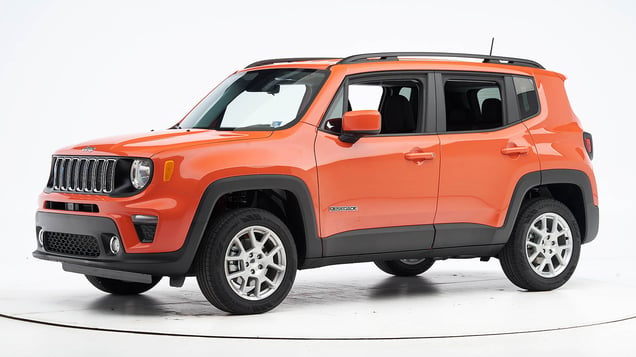
The Jeep Renegade stands out in the subcompact SUV segment for its rugged look and off-road capabilities, but safety is a top priority for many buyers. Understanding the Jeep Renegade safety rating helps you make an informed decision, especially if you’re considering this vehicle for family or daily use.
This article breaks down how the Renegade performs in safety tests, the key safety features, and how it compares to rivals. You’ll also find answers to common questions about the Renegade’s safety.
Crash Test Ratings: How Safe Is The Jeep Renegade?
Crash test results are a major factor when judging a car’s safety. Two main organizations test vehicles in the US: National Highway Traffic Safety Administration (NHTSA) and Insurance Institute for Highway Safety (IIHS).
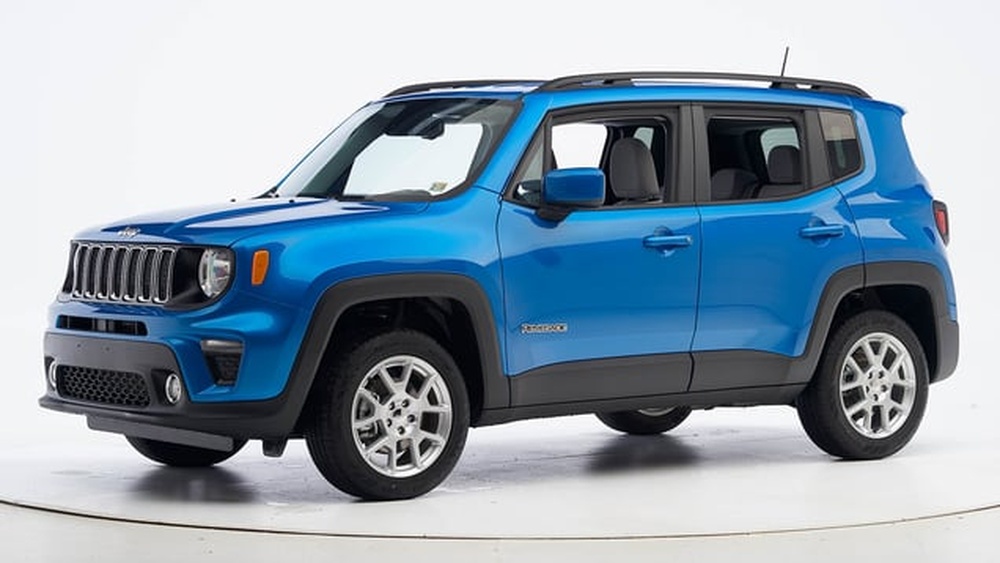
Nhtsa Ratings
NHTSA uses a 5-star system to test frontal, side, and rollover crashes. Here is how the Jeep Renegade scores:
| Test | Rating (2026 Renegade) | Details |
|---|---|---|
| Overall | 4 stars | Solid protection, but not best in class |
| Frontal Crash | 4 stars | Good driver & passenger safety |
| Side Crash | 5 stars | Excellent in side impact |
| Rollover | 4 stars | Average for SUV, 16.9% rollover risk |
Iihs Ratings
IIHS ratings use four levels: Good, Acceptable, Marginal, Poor. The Renegade performs as follows:
- Moderate overlap front: Good
- Side crash: Good
- Head restraints & seats: Good
- Small overlap front (driver): Marginal
- Small overlap front (passenger): Marginal
- Headlights: Marginal to Poor (depends on trim)
This shows strong performance in common crashes, but less protection for small overlap collisions, especially for the front passenger.
Key Safety Features In The Jeep Renegade
The Renegade comes with many features to help prevent accidents and protect passengers. Here are some highlights:
- Advanced Airbags: Includes front, side, and curtain airbags.
- Electronic Stability Control: Helps keep the car steady in slippery conditions.
- Automatic Emergency Braking: Warns and brakes if a crash seems likely.
- Blind Spot Monitoring: Alerts you to vehicles in your blind spot.
- Lane Departure Warning: Warns if you drift from your lane.
- Rear Cross Path Detection: Detects cars when reversing.
- Adaptive Cruise Control: Maintains speed and distance from cars ahead.
Newer models (2026 and later) come with more standard driver-assist features than older Renegades. If safety is your priority, choose the latest year you can afford.
Practical Insights
Many buyers overlook the importance of headlight quality. The Renegade’s base headlights rate poorly for night driving. Upgrading to trims with LED headlights can boost visibility and safety. Also, while all-wheel drive improves traction, it doesn’t reduce stopping distance or prevent all accidents—good to know if you drive in snow or rain.
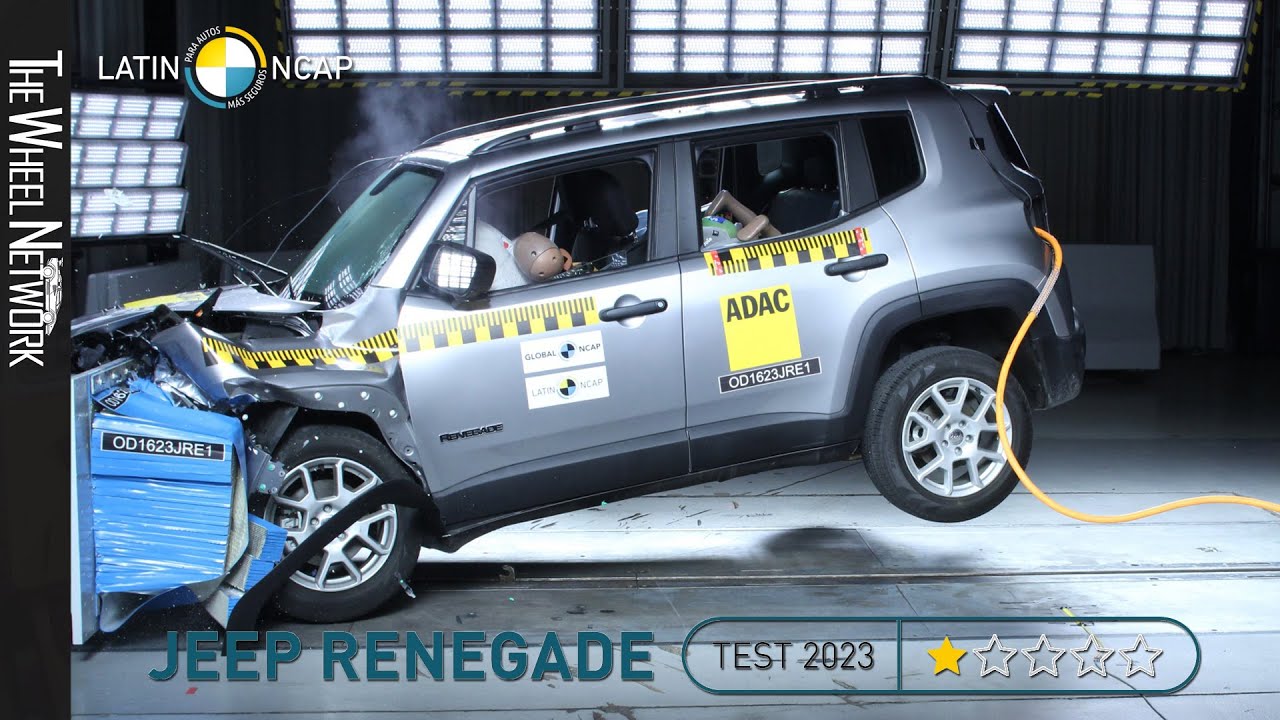
Jeep Renegade Vs. Competitors: Safety Comparison
How does the Renegade stack up against other small SUVs? Here’s a quick comparison with popular models.
| Model | NHTSA Overall | IIHS Top Safety Pick | Crash Avoidance Tech |
|---|---|---|---|
| Jeep Renegade | 4 stars | No | Some trims standard |
| Mazda CX-30 | 5 stars | Yes | Standard |
| Honda HR-V | 5 stars | Yes | Standard |
| Chevrolet Trax | 5 stars | No | Standard |
The Jeep Renegade does well, but some rivals have higher overall ratings and more advanced safety tech as standard.
Real-world Safety: What Owners Should Know
Numbers and scores are important, but real-life use matters too. The Renegade’s boxy shape gives good visibility for drivers. The high seating makes it easy to see traffic, which helps avoid accidents. However, the thick roof pillars can create blind spots, especially at the back. Using the backup camera and sensors is key during parking.
Crash test dummies are not the same as real people. In some smaller SUVs, shorter drivers may sit closer to the wheel, increasing injury risk in some crashes.
Adjust the seat to keep at least 10 inches between your chest and the steering wheel airbag.
Common Safety Mistakes With The Renegade
Even with advanced features, mistakes can put you at risk:
- Ignoring safety recalls: Check for open recalls using your VIN.
- Relying only on tech: Features like lane keep assist help, but don’t replace careful driving.
- Overloading the vehicle: Too much weight affects braking and stability.
- Neglecting tire care: Worn tires can make even the best SUV slide in bad weather.
Jeep Renegade Safety Tips
To get the best protection from your Renegade:
- Always fasten seat belts in all seats.
- Keep your headlights clean for better night vision.
- If possible, choose a trim with more safety features.
- Update software if the dealer recommends it—this can fix bugs in safety systems.
- Teach new drivers how each safety tool works.
For more details on crash tests and ratings, visit the official NHTSA website.

Frequently Asked Questions
What Year Jeep Renegade Is Safest?
The 2026 and newer Renegade models are the safest. They come with more standard safety tech, like automatic emergency braking and lane keeping assist.
Does The Jeep Renegade Have Good Crash Test Ratings?
Yes, it earns 4 out of 5 stars overall from NHTSA and mostly “Good” ratings from IIHS, but small overlap crash results are only “Marginal. ”
Is The Jeep Renegade Safe For Families?
It’s a solid choice for small families, especially with newer models. However, other subcompact SUVs score higher in some safety tests.
Does The Renegade Have Automatic Emergency Braking?
Most newer models (especially 2026 and later) include automatic emergency braking as standard or optional equipment.
How Does The Renegade Compare To Jeep’s Other Suvs In Safety?
The Renegade is safe for its class, but larger Jeeps like the Cherokee or Grand Cherokee offer more advanced safety systems and higher crash scores.
The Jeep Renegade balances fun design and useful safety features, but it’s wise to compare ratings and tech if safety is your top concern. With smart choices and good driving habits, the Renegade can be a dependable partner on the road.