If your Jeep Renegade is showing a low oil pressure warning or the check engine light, there’s a good chance the oil pressure sensor needs attention. This small but important part monitors the oil pressure inside your engine, helping to prevent severe damage.
Replacing it may sound challenging, but with the right steps, many car owners can handle the job themselves. This guide explains what the oil pressure sensor does, why it fails, how to replace it, and what to watch for—so you can keep your Jeep running smoothly.
What Is The Oil Pressure Sensor?
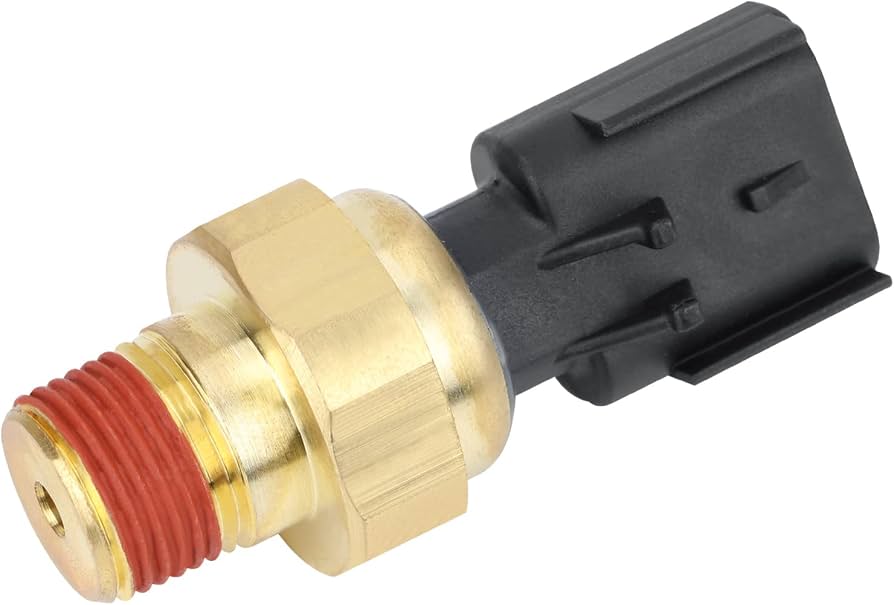
The oil pressure sensor is sometimes called an oil pressure switch or sending unit. Its job is to measure oil pressure and send this information to your Jeep’s computer. If pressure drops too low, the sensor alerts you with a warning light or message.
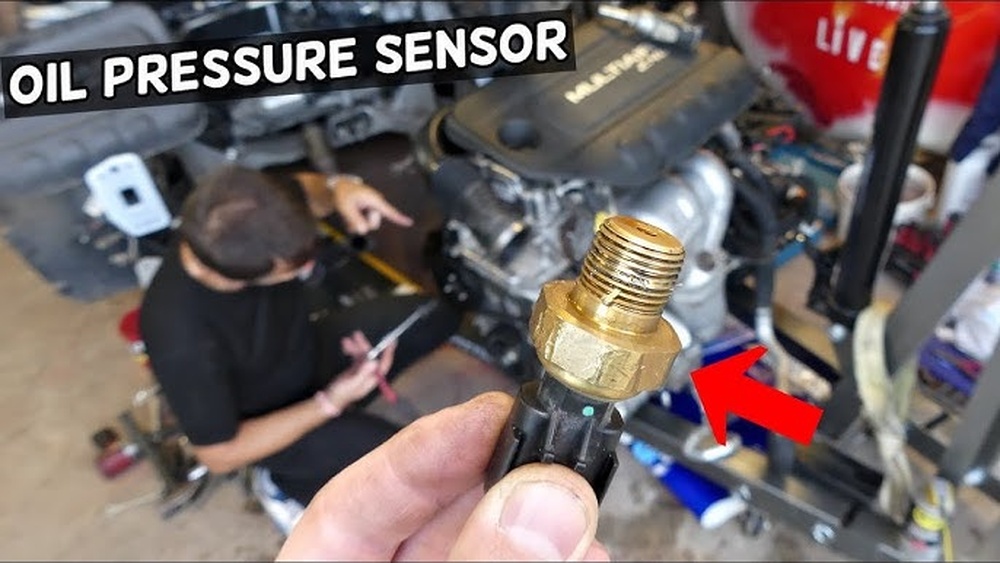
Without a working sensor, you might not know about dangerous oil problems until it’s too late. Replacing a bad sensor quickly can help avoid expensive engine repairs.
Signs Of A Bad Oil Pressure Sensor
It’s easy to confuse sensor problems with other oil system issues. Here are common signs of a failing oil pressure sensor in the Jeep Renegade:
- The oil pressure warning light comes on, even when oil level is fine
- Fluctuating or zero oil pressure readings on the dash
- Check engine light appears
- Occasional engine ticking noises (rare, but possible)
- Oil leaks around the sensor area
Sometimes, the warning light is the only clue. If you see it, check the oil level first.
If the oil is full, the sensor is a likely suspect.
Why Do Oil Pressure Sensors Fail?
Oil pressure sensors can fail due to:
- Age and vibration: Heat and movement eventually wear out the sensor.
- Oil leaks: Seeping oil can damage sensor wiring or the sensor itself.
- Contaminants: Dirty oil or sludge can block the sensor tip.
- Electrical issues: Broken wires or poor connections can mimic a sensor failure.
Quick tip: Most sensors last 60,000 to 100,000 miles, but it’s wise to check them anytime oil-related warnings appear.
Preparing For Replacement
Replacing the oil pressure sensor on a Jeep Renegade is a moderate DIY job. Most owners with basic tools can handle it. Here’s what you’ll need:
- New oil pressure sensor (OEM or high-quality aftermarket)
- Socket set (usually 24mm or deep 1” socket)
- Ratchet with extension
- Torque wrench (optional, but recommended)
- Shop rag or paper towels
- Safety gloves and eyewear
Before starting, make sure the engine is cool. Disconnect the negative battery terminal to avoid electrical shorts.

Step-by-step Replacement Guide
Follow these steps to change the oil pressure sensor on your Jeep Renegade:
1. Locate The Sensor
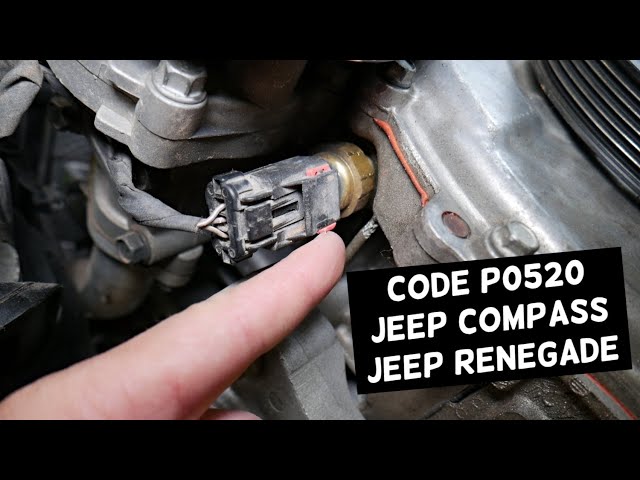
On most Renegade engines, the sensor sits near the oil filter housing or at the rear of the engine block. Check your manual for the exact spot.
2. Disconnect The Sensor Wire
Find the electrical connector on the sensor. Press the tab and gently pull it off. Be careful not to break the clip.
3. Remove The Old Sensor
Use your deep socket and ratchet to unscrew the sensor. Some oil may drip out, so keep a rag handy.
4. Install The New Sensor
Thread the new sensor in by hand to avoid cross-threading. Tighten it snugly (usually about 18-22 ft-lbs). Over-tightening can crack the housing.
5. Reconnect The Wire
Snap the connector back onto the new sensor until it clicks.
6. Check For Leaks
Reconnect the battery. Start the engine and check the area around the sensor for oil leaks. Confirm the warning light is off.
Here’s a simple comparison of the tools needed versus optional tools:
| Required Tools | Optional Tools |
|---|---|
| Socket set (24mm or 1″) | Torque wrench |
| Ratchet with extension | Gloves and safety glasses |
| Rag or towels | Shop manual |
Oem Vs. Aftermarket Sensors
Choosing between OEM (original equipment manufacturer) and aftermarket sensors can be confusing. Here’s how they compare:
| OEM Sensor | Aftermarket Sensor |
|---|---|
| Exact fit, reliable quality | Lower cost, more options |
| Usually more expensive | Quality can vary |
| Warranty support | Check brand reputation |
Non-obvious tip: Some aftermarket sensors may read pressure slightly higher or lower than OEM, which can affect dashboard readings. If accuracy is important, stick with OEM.
Common Mistakes To Avoid
Many first-time DIYers make these errors:
- Forgetting to disconnect the battery: This can trigger error codes or electrical shorts.
- Over-tightening the sensor: It’s easy to crack the sensor or housing.
- Not checking for leaks: Even a small leak can cause big problems.
- Ignoring wiring issues: Sometimes, the problem is a broken wire—not the sensor itself.
If you’re unsure, take a clear photo of the sensor’s location before starting. It’s easy to forget how parts connect.
When To Get Professional Help
If you see oil on the sensor’s connector, or if the warning light stays on after replacement, it’s time to call a mechanic. Electrical issues, deeper oil leaks, or computer faults may need advanced tools.
Replacing a sensor is not a fix for actual low oil pressure. If the engine is noisy, runs hot, or you see metal in the oil, do not drive the Jeep—get professional help immediately.
Cost And Time Estimate
On average, a DIY oil pressure sensor replacement takes about 30-60 minutes. Most sensors cost $30 to $80, while labor at a shop may run $100 to $200.
Here’s a quick look at cost differences:
| Replacement Method | Estimated Cost | Time Needed |
|---|---|---|
| DIY | $30-$80 | 30-60 mins |
| Professional Shop | $100-$200 (labor only) | 1-2 hours |
Preventing Future Sensor Problems
To extend the life of your new oil pressure sensor:
- Change your oil and filter every 5,000-7,500 miles
- Use quality oil recommended by Jeep
- Inspect for oil leaks at every oil change
- Keep engine bay clean to avoid dirt buildup
A clean oil system means fewer sensor problems.
Frequently Asked Questions
<!– wp:rank-math/faq-block {"questions":[{"id":"faq-question-20446f148d5e","title":"How Do I Know If My Jeep Renegade Oil Pressure Sensor Is Bad?","content":"Common signs include a warning light, erratic oil pressure readings, or oil leaks near the sensor. Always check your oil level first before replacing the sensor.
“,”visible”:true},{“id”:”faq-question-226b60f61e2f”,”title”:”Can I Drive With A Faulty Oil Pressure Sensor?”,”content”:”It’s best not to. A bad sensor can hide real oil pressure problems. Driving with a faulty sensor risks major engine damage if real low pressure occurs.
“,”visible”:true},{“id”:”faq-question-3a0dc811ae34″,”title”:”Where Is The Oil Pressure Sensor Located On A Jeep Renegade?”,”content”:”Most Renegades have the sensor near the oil filter housing or on the engine block’s rear. Your owner’s manual or a quick online search can help with the exact location.
“,”visible”:true},{“id”:”faq-question-74da49b7e607″,”title”:”Do I Need Special Tools To Replace The Oil Pressure Sensor?”,”content”:”No special tools are needed. A deep socket (24mm or 1”), a ratchet, and sometimes an extension are enough for most models.
“,”visible”:true},{“id”:”faq-question-55e79aa7a16a”,”title”:”Should I Replace The Sensor Myself Or Go To A Mechanic?”,”content”:”If you’re comfortable with basic car repairs, you can do it yourself and save money. If you’re unsure, or if oil leaks are present, a professional mechanic is a safer choice. For more details, visit the Wikipedia page on oil pressure sensors.
Replacing your Jeep Renegade oil pressure sensor is one of those jobs that feels tough at first, but becomes easier with a little care and attention. With the right tools and steps, you’ll be back on the road—without warning lights or worry.
“,”visible”:true}]} –>How Do I Know If My Jeep Renegade Oil Pressure Sensor Is Bad?
Common signs include a warning light, erratic oil pressure readings, or oil leaks near the sensor. Always check your oil level first before replacing the sensor.
Can I Drive With A Faulty Oil Pressure Sensor?
It’s best not to. A bad sensor can hide real oil pressure problems. Driving with a faulty sensor risks major engine damage if real low pressure occurs.
Where Is The Oil Pressure Sensor Located On A Jeep Renegade?
Most Renegades have the sensor near the oil filter housing or on the engine block’s rear. Your owner’s manual or a quick online search can help with the exact location.
Do I Need Special Tools To Replace The Oil Pressure Sensor?
No special tools are needed. A deep socket (24mm or 1”), a ratchet, and sometimes an extension are enough for most models.
Should I Replace The Sensor Myself Or Go To A Mechanic?
If you’re comfortable with basic car repairs, you can do it yourself and save money. If you’re unsure, or if oil leaks are present, a professional mechanic is a safer choice. For more details, visit the Wikipedia page on oil pressure sensors.
Replacing your Jeep Renegade oil pressure sensor is one of those jobs that feels tough at first, but becomes easier with a little care and attention. With the right tools and steps, you’ll be back on the road—without warning lights or worry.