If your Jeep Grand Cherokee is running hot, you’re not alone. Many owners notice the temperature gauge climbing higher than normal, especially in summer or during heavy driving.
Overheating is more than just an inconvenience—it can lead to engine damage and expensive repairs. Knowing why your Grand Cherokee is running hot, and how to fix it, can save you time, money, and stress.
Why Does The Jeep Grand Cherokee Overheat?
Several reasons can cause a Grand Cherokee to run hotter than it should. Some are common to all vehicles, while others are more specific to this Jeep model.
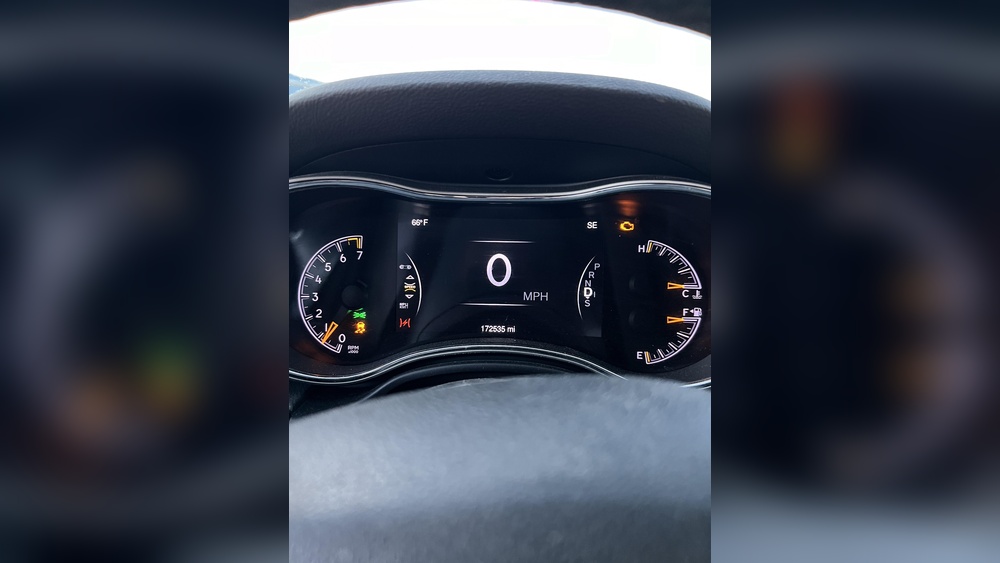
- Coolant Leaks: A leak in the radiator, hoses, or water pump means less coolant to absorb heat.
- Thermostat Failure: A stuck thermostat can block coolant flow, causing rapid overheating.
- Radiator Issues: Clogged or damaged radiators can’t cool down the engine efficiently.
- Bad Water Pump: Without a working pump, coolant won’t circulate, leading to overheating.
- Electrical Fan Problems: If the cooling fan doesn’t switch on, especially in traffic, engine heat builds up.
- Head Gasket Failure: This is serious—engine oil and coolant may mix, causing extreme overheating.
These issues often develop over time. But sometimes, a sudden problem—like a burst hose—can cause immediate overheating.
Signs Your Grand Cherokee Is Running Hot
It’s important to catch the problem early. Here are the main warning signs:
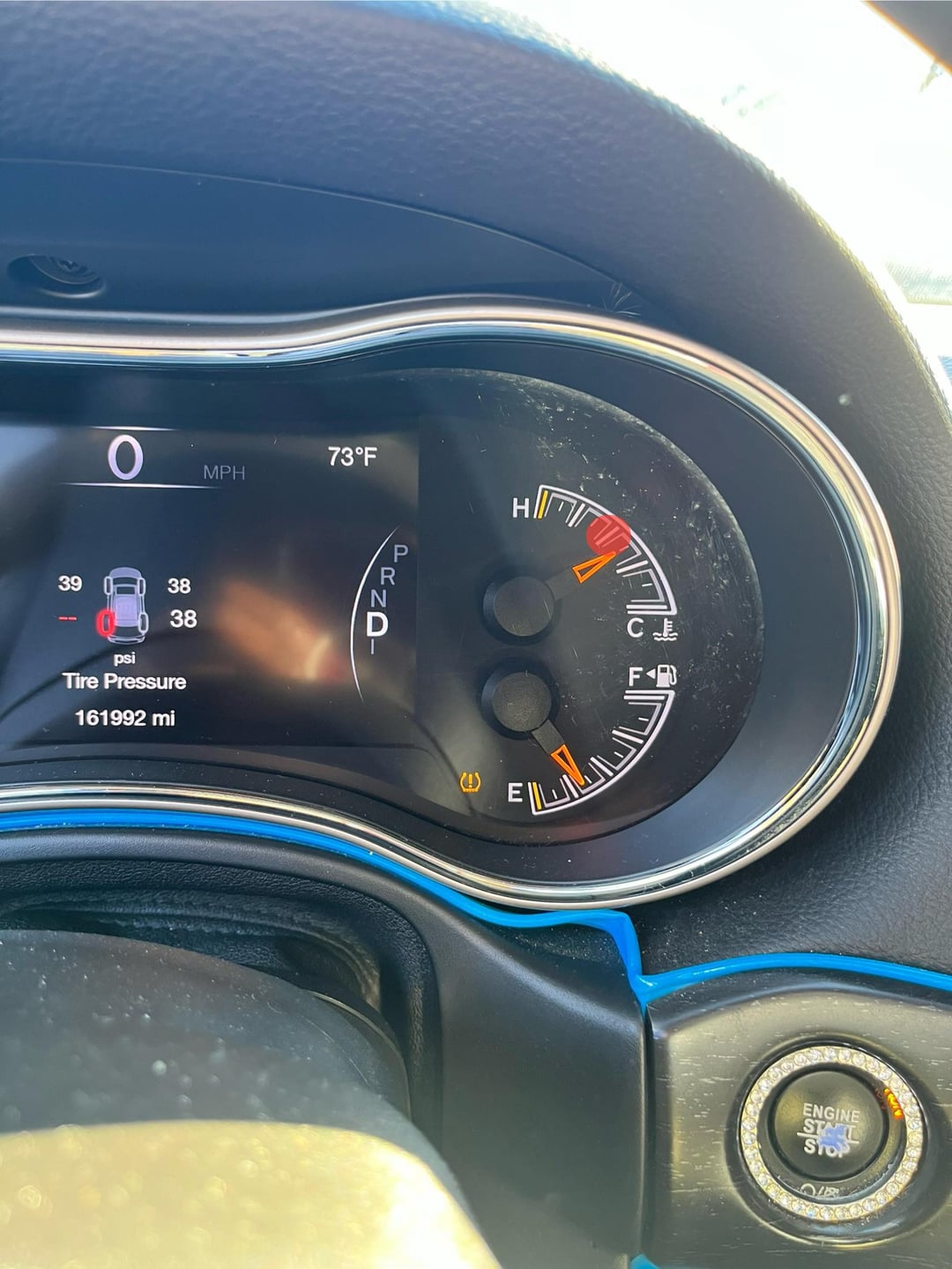
- Temperature gauge rises above normal
- Warning lights on the dashboard
- Steam coming from under the hood
- Coolant smell or puddles under the vehicle
- Loss of engine power or knocking sounds
If you notice these, stop the car safely and turn off the engine. Continuing to drive can cause major engine damage.
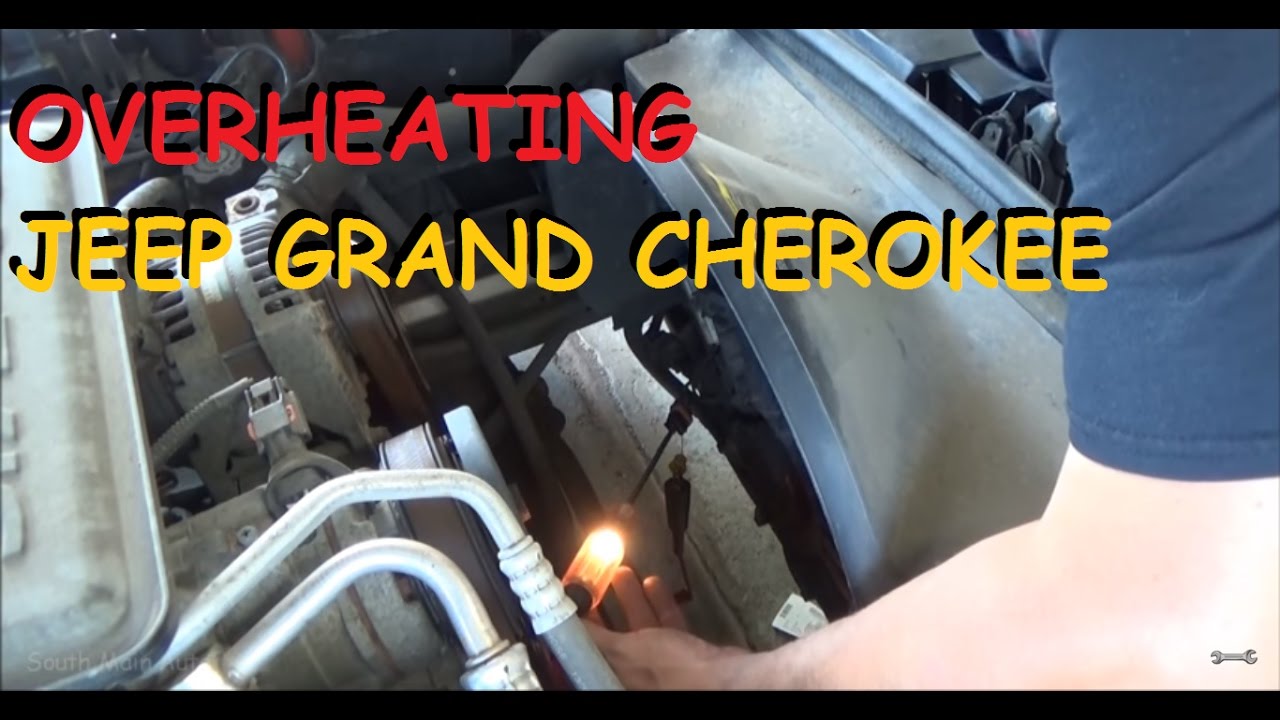
Common Causes Compared
Let’s see how common overheating causes compare in the Grand Cherokee. Here’s a quick look at which model years are most affected and typical repair costs.
| Cause | Typical Model Years | Estimated Repair Cost |
|---|---|---|
| Coolant Leak | 2011–2015 | $150 – $500 |
| Thermostat Failure | 2012–2018 | $120 – $350 |
| Radiator Issues | 2011–2020 | $400 – $900 |
| Water Pump Failure | 2014–2019 | $350 – $750 |
| Fan Problems | 2011–2019 | $250 – $600 |
Non-obvious tip: Many owners overlook the coolant reservoir cap. If it’s loose or damaged, pressure drops and the system can overheat—even if everything else seems fine.
How To Diagnose The Problem
Finding the exact cause saves you money and prevents unnecessary repairs. Here’s a simple step-by-step approach:
- Check coolant level: Wait for the engine to cool, then look at the coolant reservoir. If it’s low, you may have a leak.
- Inspect for leaks: Look for puddles under the vehicle, or wet spots around hoses and the radiator.
- Look at the radiator fan: With the engine running and hot, the fan should turn on automatically.
- Check the thermostat: If the upper radiator hose stays cold after the engine warms up, the thermostat may be stuck.
- Examine the water pump: Listen for squealing noises or feel for leaks under the pump.
Here’s a summary of symptoms and likely causes:
| Symptom | Possible Cause |
|---|---|
| Steam from hood | Coolant leak, blown hose |
| High temperature only in traffic | Fan failure |
| Rapid overheating at start | Thermostat stuck closed |
| Milky oil on dipstick | Head gasket failure |
Pro tip: Always wait until the engine is cool before opening the radiator cap. Hot coolant can spray out and cause burns.
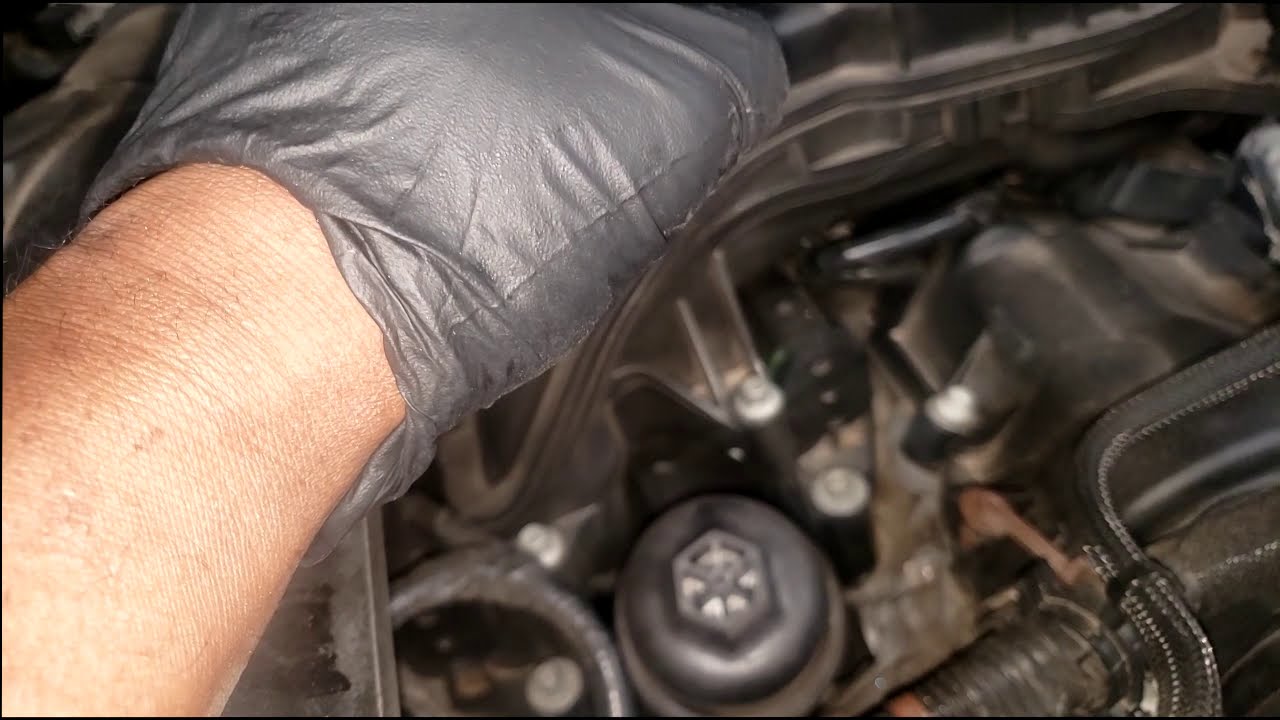
How To Fix A Running Hot Grand Cherokee
Some fixes are easy for anyone, while others need a mechanic. Here’s what you can do:
- Top up coolant: If it’s just low, add the right type. Never mix different colors unless your manual says it’s safe.
- Replace the radiator cap: This is cheap and solves pressure problems.
- Tighten or replace hoses: Look for cracks or bulges.
- Clean the radiator: Dirt and bugs can block airflow—use gentle water spray.
- Test the fan: If it’s not working, check the fuse and relay first.
For more serious issues, like head gasket leaks or a broken water pump, it’s best to visit a trusted mechanic.
When To Call A Professional
If you see white smoke, oil in the coolant, or your Jeep overheats even after adding coolant, get expert help fast. These signs point to deeper engine trouble.
Preventing Overheating In The Future
A little maintenance goes a long way. Here’s how to keep your Grand Cherokee cool:
- Check coolant every month: Top up as needed.
- Flush the cooling system every 2-3 years: Old coolant loses its effectiveness.
- Inspect hoses and belts: Replace worn parts before they fail.
- Clean the radiator regularly: Especially if you drive off-road.
- Watch the temperature gauge: React quickly if it rises above normal.
Insight: Many people ignore the cooling system during winter, but leaks or low coolant can cause overheating in any season.
Frequently Asked Questions
<!– wp:rank-math/faq-block {"questions":[{"id":"faq-question-0bfa4d90923a","title":"Why Does My Grand Cherokee Overheat Only When Idling?","content":"This often points to a faulty radiator fan. At idle, the fan should turn on to cool the engine. If it doesn’t, the temperature rises quickly.
“,”visible”:true},{“id”:”faq-question-d6287c35a959″,”title”:”What Type Of Coolant Should I Use?”,”content”:”Most Grand Cherokees need HOAT (Hybrid Organic Acid Technology) coolant. Check your owner’s manual to be sure. Mixing the wrong type can cause clogs.
“,”visible”:true},{“id”:”faq-question-a4cb5385809b”,”title”:”Is It Safe To Drive When The Engine Is Running Hot?”,”content”:”No. Driving with a hot engine risks serious damage like warped heads or a blown gasket. Stop and let the engine cool before moving on.
“,”visible”:true},{“id”:”faq-question-1bb9cb5fbfed”,”title”:”Can A Bad Thermostat Cause Other Problems?”,”content”:”Yes. A stuck thermostat not only causes overheating but may also lead to poor heater performance and increased engine wear.
“,”visible”:true},{“id”:”faq-question-ad8665d5c73a”,”title”:”Where Can I Find More Information?”,”content”:”For detailed Jeep service guides and recalls, visit the official Jeep Owners Website.
A hot-running Grand Cherokee is a problem you can’t ignore. With fast action and a little know-how, you can keep your Jeep running strong for years to come. Regular checks and quick repairs make all the difference—don’t wait until you see steam to pay attention.
“,”visible”:true}]} –>Why Does My Grand Cherokee Overheat Only When Idling?
This often points to a faulty radiator fan. At idle, the fan should turn on to cool the engine. If it doesn’t, the temperature rises quickly.
What Type Of Coolant Should I Use?
Most Grand Cherokees need HOAT (Hybrid Organic Acid Technology) coolant. Check your owner’s manual to be sure. Mixing the wrong type can cause clogs.
Is It Safe To Drive When The Engine Is Running Hot?
No. Driving with a hot engine risks serious damage like warped heads or a blown gasket. Stop and let the engine cool before moving on.
Can A Bad Thermostat Cause Other Problems?
Yes. A stuck thermostat not only causes overheating but may also lead to poor heater performance and increased engine wear.
Where Can I Find More Information?
For detailed Jeep service guides and recalls, visit the official Jeep Owners Website.
A hot-running Grand Cherokee is a problem you can’t ignore. With fast action and a little know-how, you can keep your Jeep running strong for years to come. Regular checks and quick repairs make all the difference—don’t wait until you see steam to pay attention.