When you own a Jeep Patriot, you want to keep it running smoothly and safely. One small but important detail is knowing the correct Jeep Patriot wheel nut size.
These nuts, also called lug nuts, hold your wheels securely to the vehicle. Using the wrong size can lead to serious problems, from wobbly wheels to complete detachment, which is incredibly dangerous.
This guide will help you understand everything you need to know about your Jeep Patriot's wheel nut size, including common sizes, how to check them, and why getting it right matters so much.
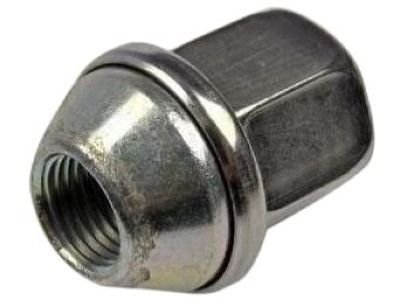
Understanding the specifics of your vehicle’s wheel hardware is a key part of responsible car ownership. It’s not just about aesthetics; it’s about the fundamental safety of your vehicle.
The wheel nuts are small but play a critical role in connecting your tires to the axle.
If they loosen or are the wrong size, the consequences can range from minor inconvenience to catastrophic failure on the road. For Jeep Patriot owners, knowing the exact specifications for these nuts ensures that when you need to change a tire, perform maintenance, or upgrade your wheels, you have the correct information at hand.
This article aims to provide a clear, comprehensive overview, making it easy for any owner to understand and act upon.
Why Jeep Patriot Wheel Nut Size Matters
The wheel nuts are designed to precise specifications. They have a specific thread size, a specific pitch (the distance between threads), and a specific seating type (the shape where the nut meets the wheel). When you install a wheel, these nuts create a strong, secure connection between the wheel hub and the wheel itself.
If the wheel nut size is incorrect, several dangerous situations can arise:
- Loose Wheels: If the nuts are too small or have the wrong thread pitch, they might not grip the studs properly. This can cause them to loosen over time due to vibrations and the forces of driving. A loose wheel can wobble, affect steering, and, in the worst-case scenario, detach from the vehicle while it’s moving.
- Damaged Studs or Nuts: Forcing a nut with the wrong thread size onto a stud can strip the threads on both the stud and the nut. This damage can weaken the connection and make it impossible to tighten the nut correctly, requiring replacement of both studs and nuts.
- Wheel Damage: The seating of the wheel nut is crucial. Most vehicles, including the Jeep Patriot, use a conical or tapered seat. This shape ensures the nut sits flush against the wheel, distributing pressure evenly. Using a nut with the wrong seat type (like a ball or flat seat) won’t seat properly, leading to uneven pressure, potential wheel cracking, and a loose connection.
- Compromised Safety: Ultimately, incorrect wheel nuts compromise the entire safety system of your vehicle. Your ability to steer, brake, and maintain control depends on the wheels being securely attached.
It’s essential to remember that even slight variations in thread size or pitch can have significant consequences. Always use the exact specifications recommended for your Jeep Patriot model year.
Common Jeep Patriot Wheel Nut Sizes
For most Jeep Patriot models, the standard wheel nut size is M14x1.5. This designation breaks down as follows:
- M14: This indicates the diameter of the nut’s threads is 14 millimeters.
- 1.5: This signifies the thread pitch, meaning there are 1.5 millimeters between each thread.
This is a very common size for many Chrysler, Dodge, and Jeep vehicles. However, there can be variations based on the specific model year and trim level, especially if aftermarket wheels have been installed.
Seat Type: Conical (tapered)
In addition to the thread size and pitch, the seat type is critical. The Jeep Patriot typically uses conical (or tapered) seat lug nuts. This means the part of the nut that contacts the wheel has a tapered angle. This angle is designed to center the wheel and provide a secure, flush fit against the wheel’s mounting surface. The standard angle for most conical seats is 60 degrees.
Using the wrong seat type can be just as dangerous as using the wrong thread size. A nut that doesn’t seat properly will not hold the wheel securely, even if the thread size is correct.
Aftermarket Wheels And Variations
If you have installed aftermarket wheels on your Jeep Patriot, the lug nut size or seat type might be different. Some aftermarket wheels require specific types of lug nuts, such as:
- Mag Seat Lug Nuts: These have a larger radius seat.
- Tuner Lug Nuts: These are shorter and often have a smaller shank, designed for wheels with small lug holes.
- Different Thread Pitches: While less common, some aftermarket wheels might be designed for a different thread pitch.
Always check the specifications provided by the manufacturer of your aftermarket wheels. If you are unsure, it’s best to consult a professional tire shop.
How To Find The Correct Jeep Patriot Wheel Nut Size
Knowing the correct size is one thing; ensuring you have the right nuts is another. Here are a few reliable ways to determine the Jeep Patriot wheel nut size for your specific vehicle:
- Owner’s Manual: This is the first and best place to look. Your Jeep Patriot’s owner’s manual will explicitly state the required lug nut specifications, including thread size, pitch, and seat type. It’s a comprehensive guide to your vehicle’s maintenance and specifications.
- Existing Lug Nuts: You can often determine the size by examining the lug nuts currently on your vehicle.
- Thread Size: You can use a caliper or a thread gauge to measure the diameter and count the threads per inch (or measure the pitch). A 14mm diameter nut with a 1.5mm pitch is the most common.
- Seat Type: Look at the shape of the surface that contacts the wheel. If it’s tapered, it’s conical. You can also try fitting a lug nut from another vehicle; if it doesn’t fit snugly or seems loose, it’s likely the wrong size or seat type.
- Online Automotive Databases: Many reputable auto parts websites and forums have databases where you can enter your Jeep Patriot’s year, make, and model to find compatible parts, including lug nuts. These are generally accurate but should be cross-referenced if possible.
- Consult a Professional: If you’re still unsure, especially if you have aftermarket wheels, visit a local tire shop or mechanic. They have the tools and expertise to identify the correct lug nut size and seat type for your vehicle. They can also inspect your current lug nuts for any signs of wear or damage.
What To Look For When Buying Lug Nuts
When purchasing new lug nuts for your Jeep Patriot, pay close attention to these details:
- Thread Size and Pitch: Ensure it matches the M14x1.5 specification.
- Seat Type: Confirm they are conical (60-degree) seat nuts, unless you have specific aftermarket wheels that require a different type.
- Material and Finish: Lug nuts are typically made of steel. Finishes vary (chrome, black, silver) and can affect durability and appearance. High-quality nuts resist corrosion and wear better.
- Overall Length and Diameter: Especially important if you have specific wheel designs or limited clearance.
- Keyed/Locking Nuts: Consider purchasing a set that includes locking lug nuts. These have a unique pattern that requires a special key to remove, deterring wheel theft. Ensure the locking nuts also match the correct thread size, pitch, and seat type.
Tools Needed For Wheel Nut Replacement Or Tightening
To properly handle your Jeep Patriot’s wheel nuts, you’ll need a few basic tools. Having the right tools ensures you can perform tasks like tire rotations, brake jobs, or simply tightening loose nuts safely and effectively.
Here are the essential tools:
- Lug Wrench or Socket Wrench with Socket:
- Size: You’ll need a socket that fits the M14x1.5 lug nuts. The socket size commonly used for M14 lug nuts is 21mm or 13/16 inch. It’s crucial to use a socket that fits snugly to avoid rounding off the nuts.
- Type: A standard 6-point socket is best for lug nuts as it provides maximum grip. Avoid 12-point sockets, which are more likely to slip. A deep socket is often necessary to fully engage the nut, especially if the studs are long.
- Torque Wrench: This is arguably the most important tool for tightening lug nuts. Overtightening can damage the studs, nuts, or wheels, while undertightening can lead to loose wheels. A torque wrench allows you to tighten the nuts to the manufacturer’s specified torque value.
- Jack and Jack Stands: To safely lift and support your Jeep Patriot when removing a wheel. Never work under a vehicle supported only by a jack.
- Wheel Chocks: To prevent the vehicle from rolling while it’s jacked up. Place them on the wheels that remain on the ground.
- Wire Brush: Useful for cleaning rust and debris from the wheel studs and the back of the wheel where it mounts to the hub.
Using A Torque Wrench Correctly
The torque specification for Jeep Patriot wheel nuts is crucial for safety. This value ensures the nuts are tight enough to hold the wheel securely but not so tight that they damage components. For most Jeep Patriot models, the recommended torque is typically around 100-120 lb-ft (foot-pounds). Always consult your owner’s manual for the exact specification for your model year.
Here’s how to use a torque wrench:
- Set the Torque Value: Adjust your torque wrench to the specified value (e.g., 110 lb-ft).
- Tighten in a Star Pattern: Install the lug nuts and tighten them by hand first to ensure they are properly seated. Then, use the torque wrench to tighten them in a star or crisscross pattern. This ensures the wheel is drawn evenly against the hub.
- Apply Steady Pressure: Tighten each nut until the torque wrench clicks or indicates the set torque has been reached. Do not jerk the wrench.
- Re-Torque: After driving about 50-100 miles, it’s highly recommended to re-torque the lug nuts. This ensures they haven’t loosened due to the wheel settling.
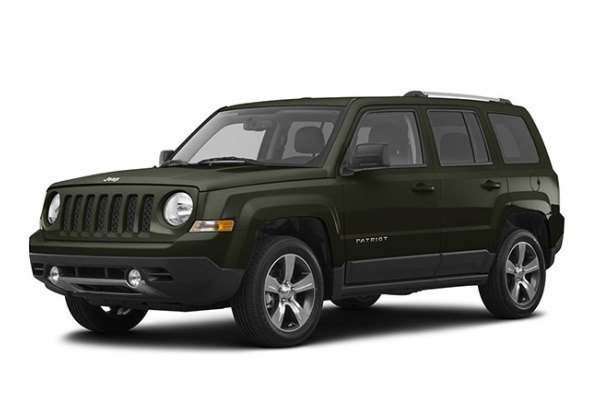
Common Issues And Maintenance Tips
Even with the correct Jeep Patriot wheel nut size, common issues can arise if proper maintenance isn’t performed. Addressing these proactively can prevent costly repairs and ensure your safety.
Rust And Corrosion
Wheel studs and lug nuts are exposed to the elements, making them susceptible to rust and corrosion. This can make it difficult to remove lug nuts, especially during a roadside tire change.
- Prevention: Apply a thin layer of anti-seize compound to the wheel studs (NOT the seating surface of the nut or wheel) before installing the lug nuts. This helps prevent corrosion and makes future removal easier. However, some manufacturers advise against anti-seize, as it can affect torque readings. If using, reduce the torque value slightly (consult a professional).
- Cleaning: Regularly clean rust and debris from the studs using a wire brush.
Stripped Threads
As mentioned earlier, using the wrong size nut or forcing a nut onto a damaged stud can strip the threads.
- Inspection: Before installing any lug nut, visually inspect the threads on both the stud and the nut for damage. If threads are stripped, the stud and nut must be replaced.
- Replacement: Replacing a wheel stud typically involves removing the wheel, brake caliper, and rotor, then pushing out the old stud and installing a new one. This is often best left to a professional if you’re not experienced.
Damaged Lug Nuts
Lug nuts can become damaged over time from improper tightening (using an impact wrench too aggressively), using the wrong socket size, or corrosion.
- Signs of Damage: Look for rounded edges, cracks, or significant corrosion on the nuts.
- Replacement: Replace any damaged lug nuts immediately. It’s generally recommended to replace them in sets to ensure consistent fit and torque.
Wheel Rotations And Maintenance Schedule
Regularly rotating your tires is essential for even wear. During tire rotations, it’s the perfect opportunity to:
- Inspect Lug Nuts: Check all lug nuts for damage, corrosion, or signs of loosening.
- Clean Studs: Clean any rust or debris from the wheel studs.
- Apply Anti-Seize (Optional): If you choose to use it, apply a small amount to the studs.
- Torque Correctly: Always use a torque wrench to tighten the lug nuts to the manufacturer’s specification in a star pattern.
A good maintenance schedule would include checking and torquing lug nuts every oil change or tire rotation.
Understanding Jeep Patriot Wheel Specifications
Beyond just the lug nut size, other wheel specifications are important for compatibility and performance. While the wheel nut size (M14x1.5, conical seat) is critical for securing the wheel, other factors ensure the wheel itself fits correctly on the hub.
Bolt Pattern (pcd)
The bolt pattern, also known as the Pitch Circle Diameter (PCD), is the number of lug holes and the diameter of the circle on which they are centered. For the Jeep Patriot, the common bolt pattern is 5×114.3mm.
- 5: Represents the number of lug holes.
- 114.3mm: Represents the diameter of the circle (in millimeters) that passes through the center of all five lug holes. This is equivalent to 5×4.5 inches.
When buying new wheels, ensuring they have the correct bolt pattern is as important as the correct lug nut size. Using wheels with the wrong bolt pattern is impossible without adapters, which can introduce other issues.
Center Bore
The center bore is the hole in the middle of the wheel that fits over the vehicle’s hub. A proper fit ensures the wheel is centered on the hub, reducing vibration and stress on the lug studs.
- Jeep Patriot Center Bore: The center bore for the Jeep Patriot is typically 67.1mm.
- Hub-Centric Rings: If you purchase aftermarket wheels with a larger center bore than your vehicle’s hub (e.g., 73mm), you will need hub-centric rings. These plastic or metal rings fit into the wheel’s center bore and reduce it to match the vehicle’s hub diameter (67.1mm). This ensures proper centering and prevents vibration. Without them, the entire load could rest on the lug studs, which is unsafe.