The Jeep Patriot has become a popular choice for drivers who want a reliable, compact SUV. It stands out for its affordability and simplicity, but when it comes to maintenance, some parts can be confusing—especially the transmission fluid dipstick. If you’re searching for the Jeep Patriot transmission fluid dipstick location, this guide will help you find it easily, understand its purpose, and learn how to check and maintain your transmission fluid. Many owners are surprised to learn that checking transmission fluid is not as straightforward as with older vehicles. In this article, you’ll get practical advice, clear steps, and insider tips so you can keep your Jeep Patriot running smoothly.
Why Transmission Fluid Matters In Your Jeep Patriot
Transmission fluid is more than just a lubricant—it’s the lifeblood of your vehicle’s automatic transmission. It helps with cooling, lubrication, and hydraulic functions. If your transmission fluid is low or dirty, you risk damaging expensive parts. For the Jeep Patriot, especially models made between 2007 and 2017, understanding the transmission fluid system is essential. Unlike many older vehicles, the Patriot uses a system that makes checking fluid levels a bit tricky.
What Happens If You Ignore Transmission Fluid
If you neglect transmission fluid maintenance, you might face:
- Shifting problems (slow or rough gear changes)
- Overheating transmission
- Reduced fuel efficiency
- Costly repairs
Regular checks can prevent these issues and help your Patriot last longer. Many drivers don’t realize that dirty or low fluid can cause symptoms that mimic other engine problems.
Jeep Patriot Transmission Types And Dipstick Basics
The Jeep Patriot uses different transmission systems depending on the year and trim. Most models use a CVT (Continuously Variable Transmission), while some have a traditional automatic or manual.
Transmission Types By Model Year
| Model Year | Transmission Type | Dipstick Accessible? |
|---|---|---|
| 2007-2017 | CVT | No (sealed system) |
| 2016-2017 | 6-Speed Automatic | Yes (with tool) |
| 2007-2017 | 5-Speed Manual | No (different check method) |
Most Patriots use a sealed CVT transmission, meaning there’s no traditional dipstick like older vehicles. This surprises many owners, especially those used to regular fluid checks.
Why Some Patriots Have No Dipstick
Manufacturers began using sealed systems to reduce maintenance needs and prevent incorrect fluid types. For the Jeep Patriot, this means you often need a special tool, or sometimes a mechanic, to check fluid levels. However, you can still locate the area where the dipstick would be, and learn how to check or add fluid if needed.
How To Locate The Transmission Fluid Dipstick Area
If you pop the hood of your Jeep Patriot, you might not see a dipstick for the transmission. Here’s what you need to know:
Locating The Dipstick Tube
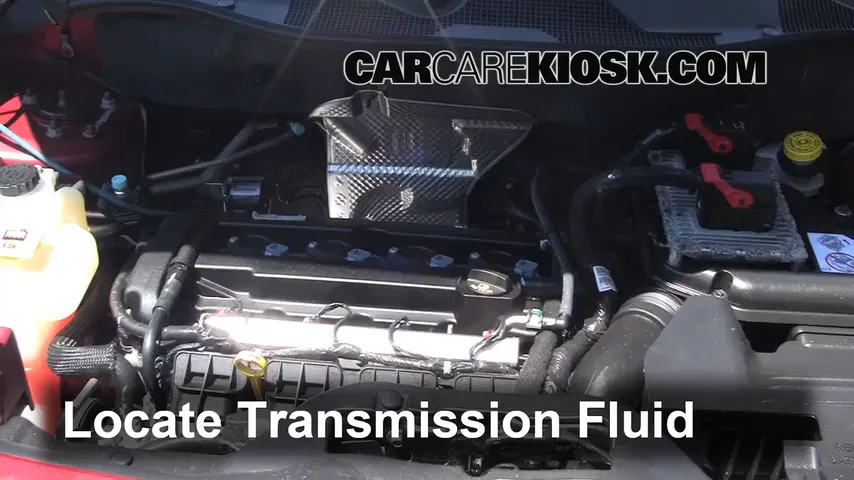
- For most CVT Patriots, there is a dipstick tube near the engine, but it’s capped with a plastic plug.
- The tube is usually at the front right (passenger side) of the engine bay, close to the firewall.
- The cap is often yellow or black, sometimes marked “CVT Fluid.”
- You won’t find a traditional dipstick inside—just a plug.
What You’ll See Under The Hood
- The engine oil dipstick (usually yellow, easily accessible)
- The transmission fluid tube (capped, sometimes hard to spot)
- Other fluid reservoirs (coolant, brake fluid, washer fluid)
Here’s a basic comparison between dipstick types:
| Fluid | Dipstick Location | Ease of Access |
|---|---|---|
| Engine Oil | Front, center | Easy |
| Transmission Fluid (CVT) | Front right, capped tube | Difficult |
| Transmission Fluid (6-Speed Auto) | Front right, requires special tool | Moderate |
Special Tool For Checking Fluid
Jeep Patriots with a 6-speed automatic sometimes use a service dipstick tool (part number 9336). You insert this tool into the tube to measure fluid level. The tool is not included with the vehicle, so you may need to buy one or ask a mechanic. For CVT models, fluid checks require special procedures.
Step-by-step Guide: Checking And Adding Transmission Fluid
Even without a traditional dipstick, you can still check or add transmission fluid using a careful process. Here’s how:
For Cvt Models
- Warm Up the Vehicle: Start the engine and let it idle until it reaches normal temperature.
- Lift the Vehicle: Safely raise the car and remove the splash guard under the engine.
- Locate the Fluid Fill Plug: Find the fill plug on the transmission case (not under the hood).
- Check Fluid Level: Use a fluid-check tool or allow fluid to drain from the fill hole. If fluid comes out, level is correct. If not, add fluid.
- Use Correct Fluid: Always use Jeep-approved CVT fluid (usually Mopar CVT+4).
- Reinstall Splash Guard: When finished, replace all covers and lower the vehicle.
For 6-speed Automatic Models
- Acquire Service Dipstick Tool: Purchase the special tool or ask a mechanic.
- Remove Cap on Dipstick Tube: Twist and pull off the cap at the front right of engine bay.
- Insert Service Dipstick: Insert the tool to the bottom of the tube.
- Check Fluid Level: Compare marks on the tool to Jeep’s fluid level chart.
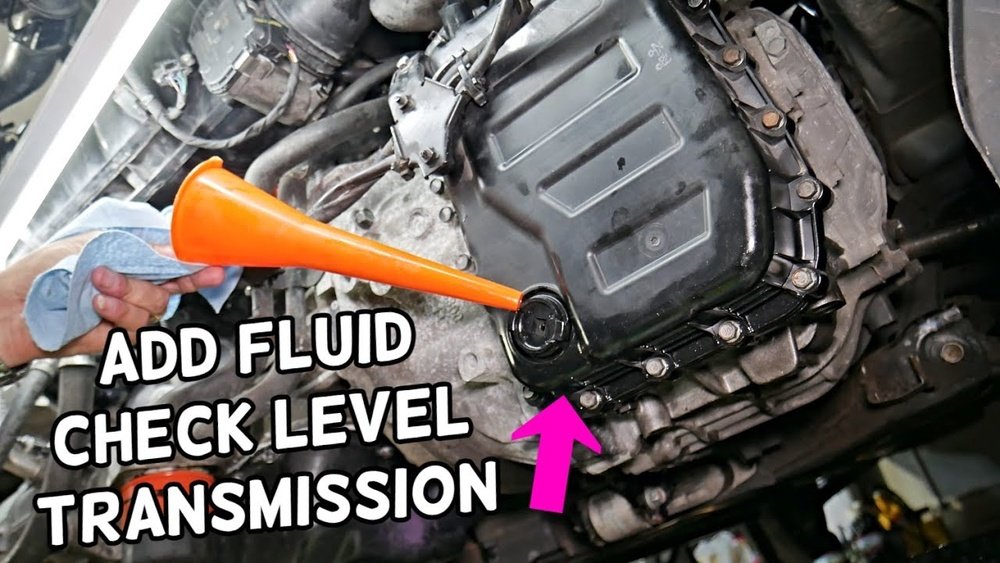
- Add Fluid if Needed: Pour fluid slowly into the tube, checking level regularly.
- Replace Cap: Securely close the tube when finished.
For Manual Transmission Models
Manual Patriots use gear oil, not transmission fluid. The check is done by removing a plug on the side of the transmission case and feeling for fluid with your finger.
Common Mistakes To Avoid
- Using the wrong fluid type (CVT fluid is not the same as automatic transmission fluid)
- Overfilling or underfilling the fluid
- Not warming up the vehicle before checking
- Forgetting to reinstall splash guards or caps
Signs Your Jeep Patriot Needs Transmission Fluid Service
Your vehicle might show symptoms when it’s low on fluid, including:
- Grinding or whining noises
- Delayed acceleration
- Shuddering or jerking
- Leaking fluid under the car
- Transmission warning lights
If you see these signs, check fluid levels as soon as possible. Ignoring them can quickly lead to expensive repairs.
Why Diy Transmission Fluid Checks Are Tricky
Most Patriots don’t have a simple dipstick, making DIY checks difficult. Manufacturers seal the system to prevent contamination and mistakes. However, some owners prefer to check fluid themselves to avoid dealer costs. Here are some tips:
- Always use the correct tool and fluid.
- Watch video tutorials or check your owner’s manual for detailed instructions.
- Take care not to damage the fill plug or tube.
Some Jeep forums and websites show step-by-step guides, but always verify instructions for your specific model year.
How Often Should You Check And Change Transmission Fluid?
Jeep recommends checking the transmission fluid every 30,000–60,000 miles for most Patriots. For CVT models, fluid change intervals are less frequent, but you should still check fluid if you notice symptoms.
Transmission Fluid Change Intervals
| Transmission Type | Fluid Check Interval | Fluid Change Interval |
|---|---|---|
| CVT | Every 30,000 miles | 60,000 miles or as needed |
| 6-Speed Automatic | 30,000 miles | 60,000 miles |
| Manual | 30,000 miles | 60,000 miles |
Driving in harsh conditions (hot weather, towing, stop-and-go traffic) may require more frequent checks.
Practical Tips For Maintaining Your Jeep Patriot Transmission
Keeping your transmission healthy is not just about fluid—it’s about habits and awareness.
- Use Jeep-approved fluids only.
- Avoid aggressive driving, which stresses the transmission.
- Fix leaks early; even small leaks can cause big problems.
- If your transmission feels different, check fluid first before other repairs.
- Keep records of maintenance and fluid changes.
Many owners skip fluid checks because they believe sealed systems are maintenance-free. But even sealed transmissions can lose fluid through leaks or wear.
Jeep Patriot Transmission Fluid Dipstick Location: Recap
If you own a Jeep Patriot, especially a CVT model, the transmission fluid dipstick is not easy to find. Instead, you’ll see a capped tube under the hood, usually at the front right. For 6-speed automatic models, you can use a special service tool to check fluid.
Manual models use a side plug, not a dipstick.
Understanding your vehicle’s transmission system helps you avoid costly mistakes and keeps your SUV running smoothly. Don’t be discouraged by the lack of a traditional dipstick. With the right steps and tools, you can check and maintain your transmission fluid confidently.
For more technical info, the Jeep Patriot Owner’s Manual and resources like AutoZone Repair Guides can help.
Frequently Asked Questions
Where Is The Transmission Fluid Dipstick On A Jeep Patriot?
Most Jeep Patriots, especially CVT models, do not have a traditional transmission fluid dipstick. You’ll find a capped tube at the front right of the engine bay. For models with a 6-speed automatic, you can use a service dipstick tool in this tube.
How Do I Check Transmission Fluid In A Jeep Patriot?
For CVT models, you must access the fill plug under the vehicle and use a fluid-check tool. For 6-speed automatic models, remove the cap from the dipstick tube, insert the service tool, and check levels. Manual models use a side plug for checking gear oil.
What Transmission Fluid Does A Jeep Patriot Use?
CVT models require Mopar CVT+4 fluid. Automatic models use Jeep-approved ATF, and manual models use gear oil. Always check your owner’s manual for exact specifications.
Can I Add Transmission Fluid Myself?
You can add fluid if you have the right tools and follow safety steps. For CVT models, add fluid through the fill plug under the vehicle. For automatic models, add fluid through the dipstick tube using a funnel. Make sure not to overfill.
Why Does My Jeep Patriot Not Have A Transmission Dipstick?
Jeep Patriots with CVT transmissions use a sealed system to reduce maintenance and prevent incorrect fluid use. This means there’s no traditional dipstick, and checking fluid often requires special tools or professional service.
Taking care of your Jeep Patriot’s transmission fluid—even without a dipstick—will keep your SUV reliable for years. Always use the correct fluid and tools, and don’t hesitate to ask a trusted mechanic if you’re unsure. With a little effort, you can avoid costly repairs and enjoy worry-free driving.