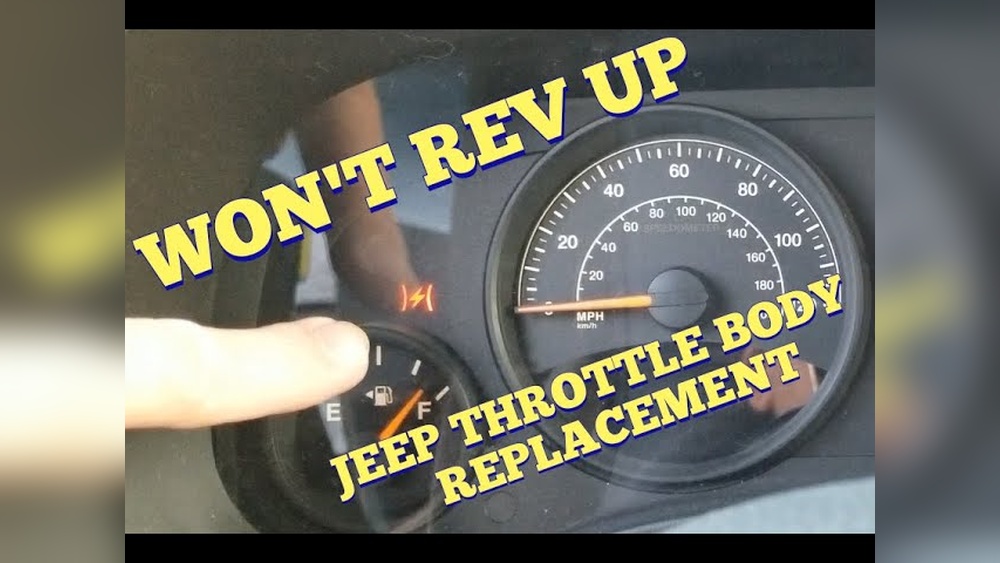
If you drive a Jeep Patriot, seeing the overheating light on your dashboard can be stressful. This warning means your engine is running too hot, and ignoring it can cause big damage. Many Patriot owners face this problem, but understanding why it happens—and what to do—can help you avoid expensive repairs.
What The Overheating Light Means
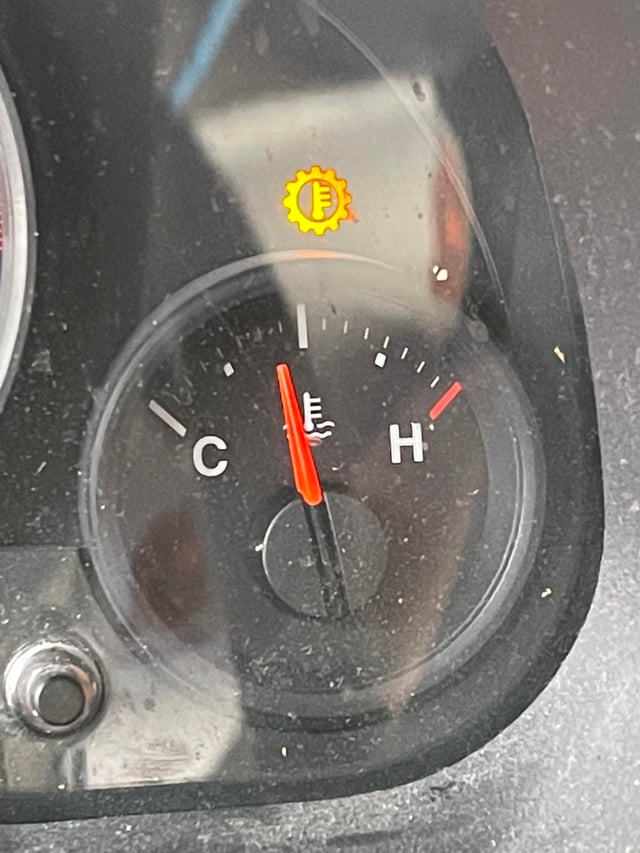
The overheating light is more than just a suggestion. When it turns on, your engine temperature is above a safe level. Most Jeep Patriots have a red thermometer symbol or a message like “HOT OIL” or “ENGINE OVERHEAT.” This alert is designed to protect your engine from serious harm.
If the engine gets too hot, the head gasket can fail, the engine block can crack, and coolant may leak. These repairs can cost thousands of dollars.
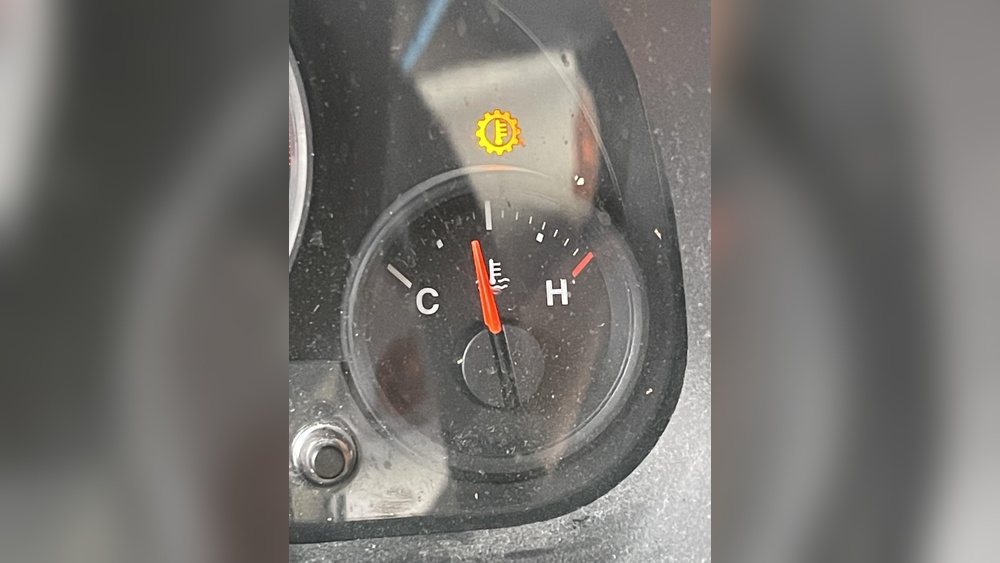
That’s why it’s important to act quickly, not panic, and fix the root problem.
Common Causes Of Overheating In The Jeep Patriot
Several things can trigger the overheating light. Here are the most frequent reasons for a Jeep Patriot:
| Cause | Description | Risk Level |
|---|---|---|
| Low Coolant | Coolant is below the minimum level | High |
| Thermostat Failure | Stuck thermostat blocks coolant flow | High |
| Radiator Problems | Clogged or leaking radiator reduces cooling | Medium |
| Water Pump Failure | Pump cannot circulate coolant | High |
| Cooling Fan Issue | Fan does not turn on or spin properly | Medium |
| Blocked Hoses | Debris or old hoses restrict coolant flow | Medium |
A less obvious cause: sometimes, air pockets in the cooling system can make the engine overheat, especially after a coolant change. Also, using the wrong type of coolant can reduce heat transfer, making the engine run hot even if the system looks full.

What To Do When The Overheating Light Comes On
Staying calm is important if you see the overheating light. Here’s what you should do:
- Pull Over Safely: Find a safe spot and stop your vehicle.
- Turn Off the Engine: Give the engine a few minutes to cool down.
- Do Not Open the Radiator Cap: The system is pressurized and hot coolant can spray out.
- Check Coolant Level: After the engine cools (at least 30 minutes), check the coolant tank. Add coolant if it’s low, but only when the engine is cold.
- Restart and Watch the Light: If the light stays on, seek help. Do not continue driving long distances.
Driving with the overheating light on can damage your engine in minutes. If you must move the car, drive slowly with the heater on full (this helps pull heat from the engine).
Diagnosing And Fixing The Problem
Finding the cause of an overheating Jeep Patriot is key. Here’s how you or a mechanic might check:
| Step | What to Check | Tool Needed |
|---|---|---|
| 1 | Coolant Level/Leaks | Flashlight, gloves |
| 2 | Thermostat Function | Infrared thermometer |
| 3 | Radiator Condition | Visual check |
| 4 | Water Pump/Belts | Wrench, visual check |
| 5 | Cooling Fan Operation | Battery tester, multimeter |
Sometimes, fixing the issue is simple—like topping up the coolant. Other times, you may need to replace a thermostat or a water pump.
If your Jeep Patriot is overheating often, it’s smart to get a full inspection. Mechanics can pressure-test your cooling system and check for hidden leaks.
Preventing Overheating In The Jeep Patriot
Prevention is cheaper and easier than repairs. Here are ways to avoid seeing the overheating light:
- Check coolant regularly: Make sure the coolant is always at the proper level.
- Flush the system: Replace coolant every 5 years or 100,000 miles, whichever comes first.
- Inspect hoses and belts: Look for cracks or leaks during oil changes.
- Clean the radiator: Dirt and bugs can block airflow. Spray the radiator fins gently with water.
- Fix leaks early: Even small leaks can lead to overheating.
- Use the correct coolant: Jeep Patriots need HOAT (Hybrid Organic Acid Technology) coolant—using the wrong type can cause problems.
A surprising fact: some Jeep Patriots have a “hidden” air bleed valve. If air isn’t removed after a coolant change, the engine can overheat even if the system is full. Mechanics sometimes miss this step, so always ask if your Jeep has been properly bled after service.
The Cost Of Ignoring The Overheating Light
Many drivers ignore the warning, hoping it will go away. But driving with the overheating light on can destroy your engine.
Here’s what repairs can cost if you wait too long:
| Component | Approximate Cost (USD) | Repair Difficulty |
|---|---|---|
| Thermostat | $150–$300 | Easy |
| Radiator | $400–$900 | Medium |
| Water Pump | $350–$700 | Medium |
| Head Gasket | $1,200–$2,500 | Hard |
| Engine Replacement | $3,000–$5,000+ | Very Hard |
For more details on cooling systems and their importance, the Wikipedia page on automobile cooling systems is a valuable resource.
Frequently Asked Questions
Why Does My Jeep Patriot Keep Showing The Overheating Light?
The most common reasons are low coolant, a faulty thermostat, or a bad radiator. Sometimes, electrical issues or air pockets in the system can also trigger the warning.
Is It Safe To Drive With The Overheating Light On?
No. Driving with this warning can cause permanent engine damage in minutes.
Always stop and fix the cause before driving further.
How Often Should I Replace The Coolant In My Jeep Patriot?
You should replace the coolant every 5 years or 100,000 miles. However, check your owner’s manual for the exact schedule for your model.
What Coolant Does The Jeep Patriot Use?
Most Jeep Patriots need HOAT (Hybrid Organic Acid Technology) coolant. Using the wrong coolant can lead to overheating and system damage.
Can A Faulty Sensor Trigger The Overheating Light?
Yes, sometimes a bad sensor can falsely trigger the light. However, never assume it’s just a sensor—always check your coolant level and engine temperature first.
When it comes to your Jeep Patriot, the overheating light is a warning you should never ignore. Acting fast, maintaining your cooling system, and knowing what to check can keep you safe on the road and save you from costly repairs.