The Jeep Patriot 2. 4L is a practical SUV that has gained attention for its reliability and simple maintenance.
One area where owners often have questions is the engine oil capacity—a detail that matters for correct oil changes, long engine life, and peace of mind. If you want to avoid common mistakes and keep your engine running smoothly, understanding the right oil capacity and related maintenance details is essential.
This guide covers everything you need to know about the Jeep Patriot 2. 4 oil capacity, oil change tips, and answers to common questions.

Jeep Patriot 2.4 Oil Capacity Basics
The Jeep Patriot 2.4 engine is the most common engine in the Patriot lineup, used from 2007 to 2017. The oil capacity can seem like a minor detail, but using the wrong amount can lead to engine problems.
For the 2.4L I4 engine, the factory-specified oil capacity is 4.5 quarts (4.3 liters) with filter change. If you change the oil but don’t replace the filter, the capacity is slightly less, but it’s always best to replace the filter with every oil change.
Quick Reference: Oil Capacity
| Model Year | Engine | Oil Capacity (with filter) |
|---|---|---|
| 2007–2017 | 2.4L I4 | 4.5 quarts (4.3 L) |
Tip: Always check your owner’s manual for your specific model year. Sometimes, small differences in trim or engine options can affect the exact oil capacity.
Choosing The Right Oil For Jeep Patriot 2.4
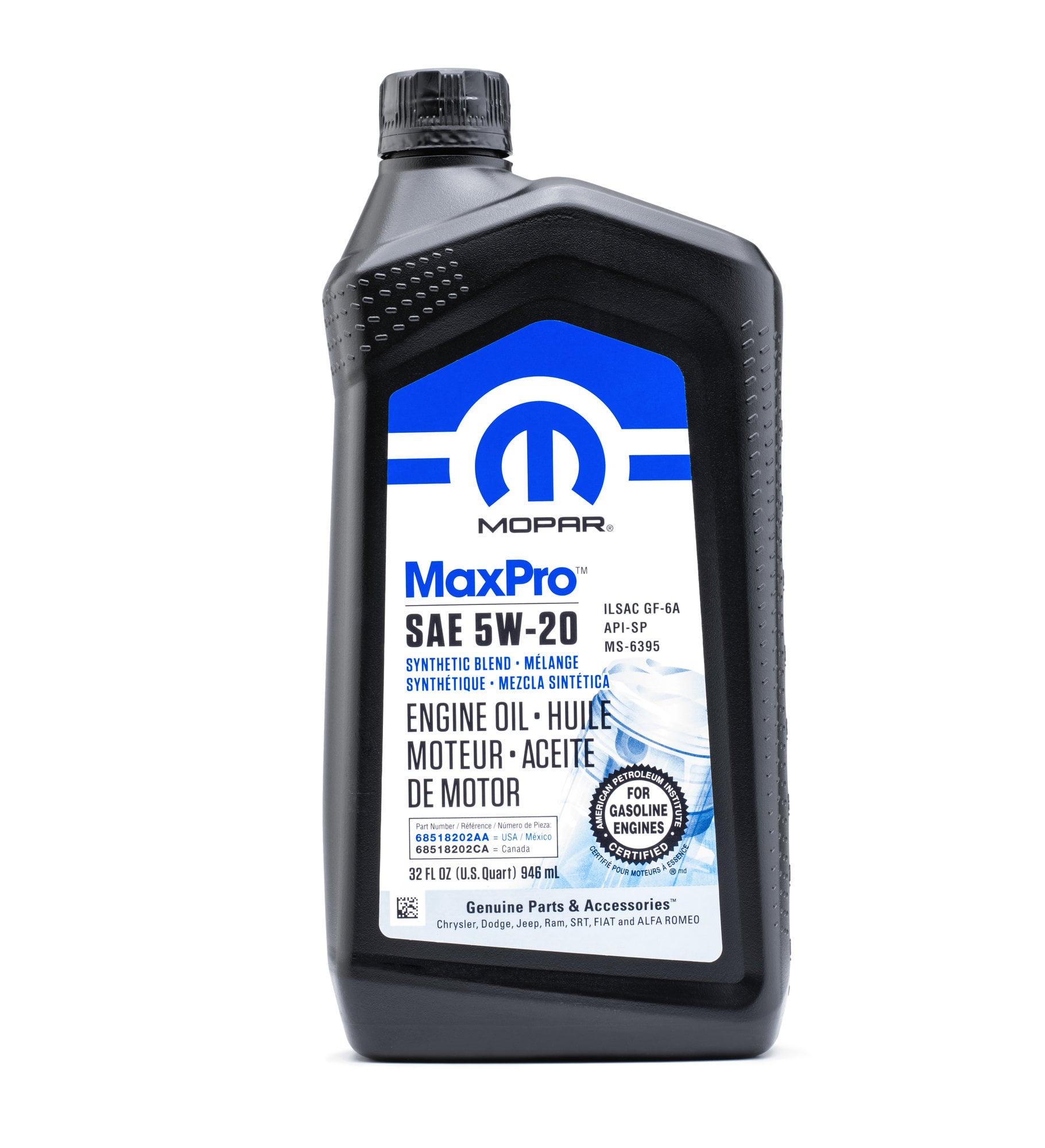
Oil type matters as much as oil capacity. The Patriot 2.4 engine requires SAE 5W-20 viscosity oil that meets Chrysler standard MS-6395. Synthetic oil is recommended for better protection, especially in extreme temperatures.
Oil Type Comparison
| Oil Type | Benefits | Drawbacks |
|---|---|---|
| Synthetic 5W-20 | Better high/low temp performance, longer change intervals | Higher cost |
| Conventional 5W-20 | Lower cost, widely available | Needs more frequent changes |
Insight: Many Patriot owners switch to full synthetic oil after the first 60,000 miles for better engine protection.
Step-by-step: How To Change Oil In A Jeep Patriot 2.4
Changing the oil yourself can save money and ensure the job is done right. Here’s a simple process:
- Warm up the engine for a few minutes so oil drains out smoothly.
- Lift the vehicle safely using ramps or jack stands.
- Place a pan under the oil drain plug, then remove the plug with a wrench.
- Let the old oil drain out fully (about 10 minutes).
- Remove and replace the oil filter—use a filter wrench if needed.
- Reinstall the drain plug and tighten securely (don’t over-tighten).
- Add 4.5 quarts of new SAE 5W-20 oil through the oil filler cap.
- Start the engine, let it run for a minute, then check for leaks.
- Turn off the engine, wait 5 minutes, and check the oil level with the dipstick. Add more oil if needed.
Pro Tip: Always use a new washer on the drain plug to prevent leaks—a detail many beginners miss.
Common Mistakes To Avoid
Many DIYers make simple errors during oil changes. Avoid these to protect your engine:
- Adding too much oil: Overfilling can cause leaks or damage. Stick to 4.5 quarts.
- Wrong oil filter: Always use a filter designed for the Jeep Patriot 2.4. Check the part number before buying.
- Skipping filter replacement: Always change the filter with the oil to keep the system clean.
- Not checking for leaks: Run the engine briefly and check under the car for drips before finishing.
Surprising Fact: Even experienced mechanics sometimes overfill by not letting all old oil drain out—be patient during draining.

Jeep Patriot 2.4 Oil Change Intervals
Regular oil changes are critical. For most drivers, every 6,000 miles or 6 months is recommended if using synthetic oil. For conventional oil, change every 3,000–5,000 miles.
Driving in dusty or hot conditions? Change oil more often—your engine works harder in tough environments.
Oil Change Interval Comparison
| Driving Condition | Recommended Interval |
|---|---|
| Normal (synthetic oil) | 6,000 miles / 6 months |
| Severe (synthetic oil) | 4,000 miles / 4 months |
| Normal (conventional oil) | 3,000–5,000 miles |
Note: Reset your oil change reminder after each service. Forgetting this can lead to missed maintenance.
Why Correct Oil Capacity Matters
Using the correct oil capacity is about more than following the manual. Too little oil causes poor lubrication, overheating, and faster engine wear. Too much oil increases pressure, which can lead to seal failure or even engine damage.
Expert insight: After adding oil, always check the level on a flat surface. Even a small slope can give a false reading.
Practical Tips For Jeep Patriot Owners
- Buy oil in 5-quart containers—cheaper and ensures you have enough for a full change.
- Record every oil change date and mileage. This helps with resale value and future maintenance.
- Use an oil catch pan with a spout for easy recycling.
- If unsure, ask your mechanic to show you the dipstick and oil fill location—seeing it once makes future changes much easier.
For more Jeep Patriot maintenance details, the official Jeep website provides owner’s manuals and service tips (Jeep Owners Manual).
Frequently Asked Questions
What Is The Exact Oil Capacity For The Jeep Patriot 2.4l?
The Jeep Patriot 2.4L holds 4.5 quarts (4.3 liters) of oil when you replace the filter. Always check with the dipstick after filling.
Can I Use 5w-30 Oil Instead Of 5w-20?
It’s best to use 5W-20, as recommended by Jeep. Using 5W-30 can change engine performance and may void your warranty.
How Often Should I Change The Oil On My Jeep Patriot 2.4?
With synthetic oil, change every 6,000 miles or 6 months. For conventional oil, every 3,000–5,000 miles is safer.
What Happens If I Overfill The Engine Oil?
Too much oil can cause foaming, pressure buildup, and even engine seals to fail. Always fill to the recommended level and check with the dipstick.
Is It Ok To Change The Oil Filter Every Other Oil Change?
No. Change the oil filter every time you change the oil. A dirty filter can reduce oil flow and harm your engine.
Caring for your Jeep Patriot 2. 4 means paying attention to details like oil capacity, type, and change intervals.
With the right knowledge, you can keep your SUV running smoothly for years—saving time, money, and headaches down the road.