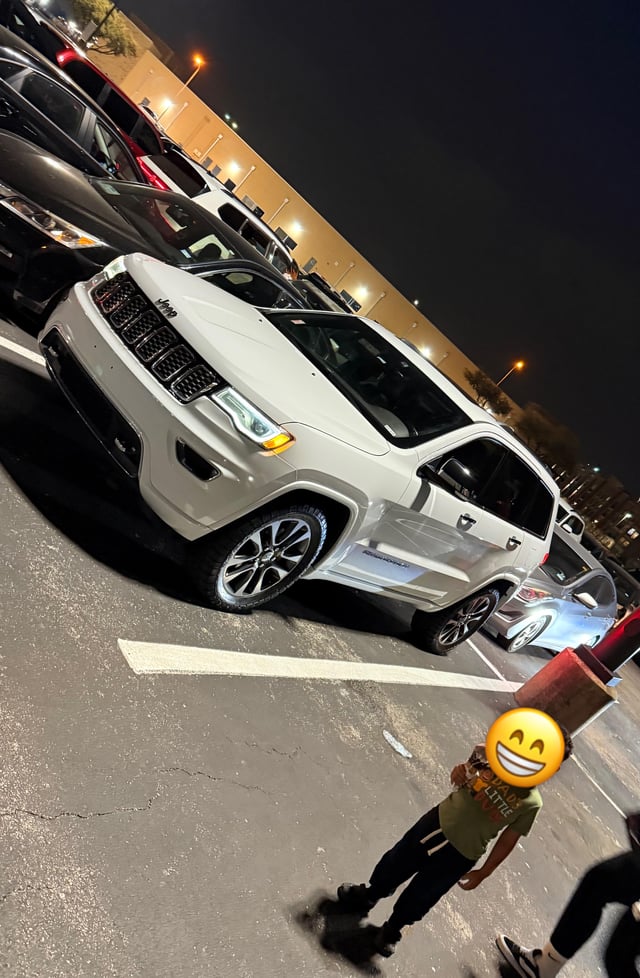
When you hear “Jeep Overland,” you might picture a tough, adventurous vehicle ready for any road. Many people love the Overland trim for its mix of off-road power and luxury features.
But even strong vehicles have their weak points. If you’re thinking about buying a Jeep Overland, or you already own one, it’s smart to know about common problems before they surprise you.
This guide will give you a clear look at the main issues owners face, how serious they are, and what you can do about them.
Common Mechanical Problems
Jeep Overlands are popular for their four-wheel drive and ruggedness, but some mechanical issues show up more often than others.
Transmission Troubles
One of the most reported problems is with the transmission. Many owners notice rough shifting, slipping gears, or delayed response, especially on models made between 2014 and 2018. Sometimes, the car jerks when changing gears at low speeds.
Why does this happen? Some Overlands use an 8-speed automatic transmission, which can develop software glitches or need a fluid change sooner than expected.
Regular maintenance helps, but in some cases, a full replacement is needed.
Engine Issues
While Jeep engines are usually strong, some Overland models—especially those with the 3.6L V6—have had engine stalling or misfire problems. These may be caused by faulty sensors, a weak battery, or even a failed fuel pump.
A misfiring engine can lower power and reduce fuel economy. Stalling, especially at low speeds or idle, is more than annoying—it can be dangerous.
Suspension And Steering
Owners sometimes report suspension noises or loose steering. You might hear clunks or feel vibrations. These are often due to worn bushings, ball joints, or tie rods. Some 2020 and newer models have improved parts, but rough terrain can still cause early wear.
Electrical And Technology Concerns
The Jeep Overland is known for modern tech—touchscreens, navigation, and many safety sensors. But these features can also cause headaches.
Infotainment Glitches
The Uconnect system is a highlight, but it sometimes freezes, restarts randomly, or loses Bluetooth connection. Software updates can fix some bugs, but deeper issues may require a dealer visit.
Warning Lights And Sensors
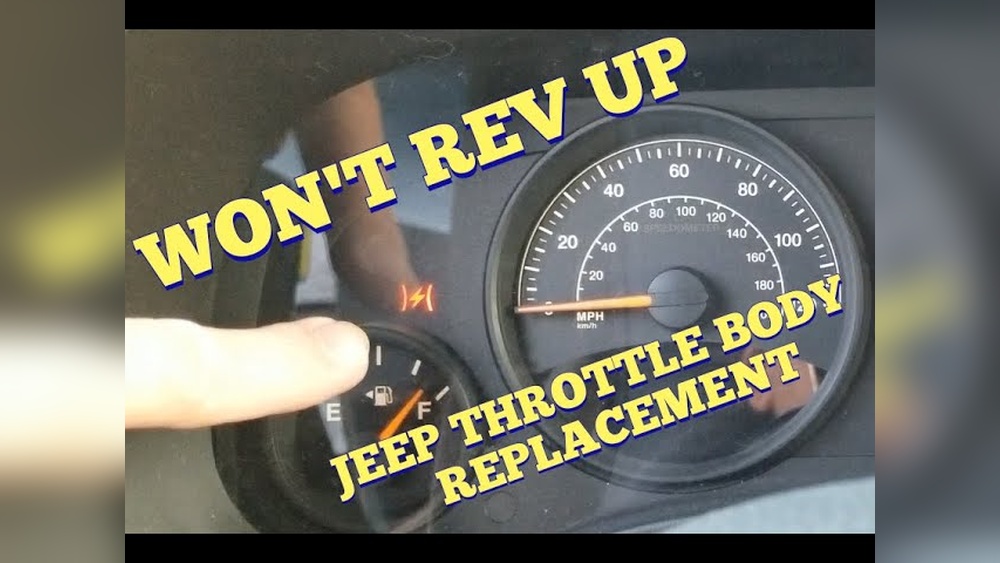
Many owners see the check engine light or other warnings, even when nothing is wrong. False alarms are often caused by faulty sensors, especially in the airbag and tire pressure systems. While these may not always mean a serious problem, ignoring them can hide real issues.
Battery Drain
Some Overlands, especially those with many electronic features, have battery drain problems. If your Jeep sits unused for a few days, it may not start.
This is often caused by modules that stay awake and use power when they shouldn’t.
Interior And Comfort Issues
The Overland trim is Jeep’s answer to luxury SUVs, but it’s not perfect inside.
Water Leaks
Some owners notice water leaks after heavy rain or car washes. Leaks often come from the sunroof or door seals. Over time, water can damage the carpet or cause mold.
Dashboard And Interior Rattles
Rattles and squeaks are common in many SUVs, and the Overland is no exception. These noises usually come from the dashboard or doors.
They may sound minor, but on long drives, they can get annoying.
Reliability And Cost To Own
How does the Jeep Overland compare to other SUVs for reliability and repair costs? Here’s a quick look:
| Model Year | Reliability Rating (1-5) | Average Annual Repair Cost |
|---|---|---|
| 2016 | 2.5 | $750 |
| 2018 | 3.0 | $820 |
| 2020 | 3.5 | $910 |
Jeep Overlands are more expensive to maintain than some competitors. Their reliability is average—better than older Jeeps, but not as high as Toyota or Honda SUVs.
How Jeep Overland Problems Compare To Rivals
Many buyers want to know if Jeep problems are unique, or if all SUVs have similar issues. Here’s a comparison of the Overland with two key rivals:
| Feature | Jeep Overland | Toyota 4Runner | Ford Explorer |
|---|---|---|---|
| Transmission Issues | Common | Rare | Some |
| Tech Problems | Occasional | Few | Some |
| Interior Leaks | Some | Few | Rare |
| Repair Costs | Above Average | Average | Average |
While the Jeep Overland has more tech and luxury features, these also mean more potential problems compared to the simpler Toyota 4Runner.
What Owners Can Do
If you own or plan to buy a Jeep Overland, a few smart steps can reduce the risk of problems:
- Follow maintenance schedules closely. Change transmission fluid, oil, and filters on time.
- Update software for the infotainment system when new versions are available.
- Inspect door and sunroof seals regularly to prevent leaks.
- Drive gently when possible—hard off-road use increases wear.
- Get a pre-purchase inspection if buying used, focusing on electronics and the transmission.
A hidden insight: Many Jeep issues are linked to short trips and low battery voltage, not just high mileage. If you drive mostly short distances, consider using a battery tender or taking longer drives sometimes to keep the battery healthy.
Another tip: If your Overland still has a warranty, report problems early. Some recurring issues qualify for extended coverage or special service actions from Jeep.