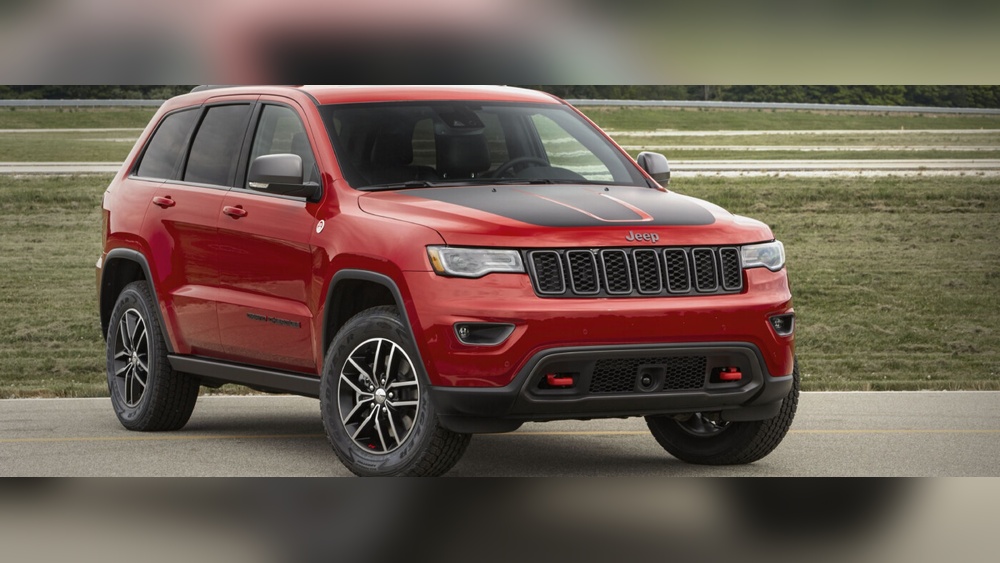
Replacing the oil pump in your Jeep is a job that can save your engine from serious damage. Oil pumps play a key role in keeping engine parts lubricated. When the pump fails, your Jeep can suffer from low oil pressure, noisy operation, or even engine failure.
If you notice warning signs like a flickering oil light, strange engine sounds, or oil pressure problems, it may be time to change the oil pump. In this article, you’ll learn why oil pump replacement matters, what steps to follow, and how to avoid common mistakes.
Whether you own a Jeep Wrangler, Cherokee, or Grand Cherokee, these tips help you keep your vehicle running smoothly.
Why Oil Pump Replacement Matters
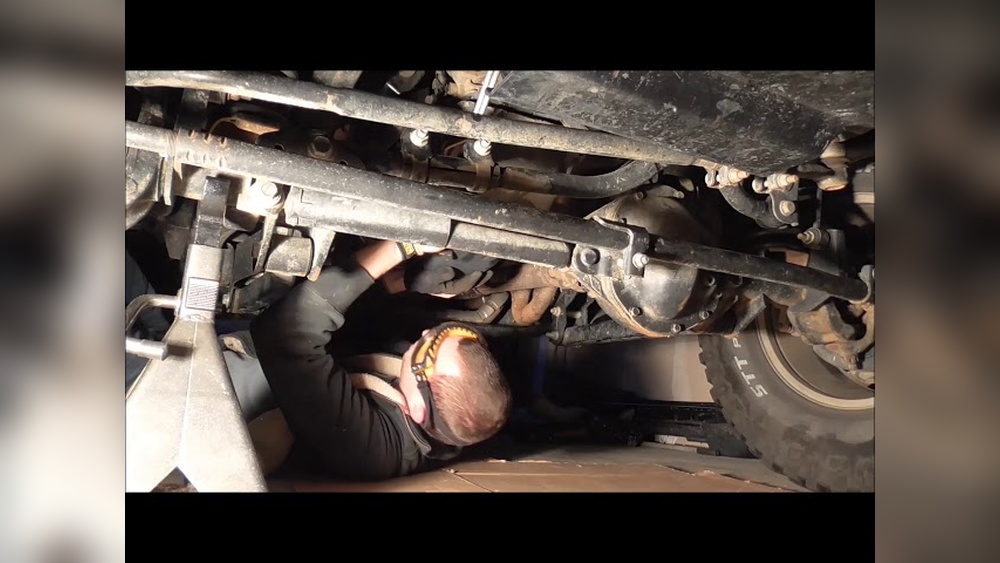
The oil pump keeps engine oil moving, ensuring all parts stay lubricated. Without good oil pressure, metal parts rub together and wear out fast. Jeep engines, especially those used off-road, work under tough conditions. A weak pump can cause:
- Low oil pressure
- Overheated engine
- Damaged bearings
- Engine seizure
Older Jeeps or those with high mileage may have oil pumps that wear out. Replacing the oil pump can help avoid costly repairs and extend your Jeep’s life.
Signs Your Jeep Needs A New Oil Pump
Recognizing the signs early can prevent bigger problems. Watch for:
- Oil warning light stays on or flickers.
- Knocking noises from the engine, especially at startup.
- Low oil pressure reading on the dashboard.
- Excess engine heat or burning smell.
- Metal shavings in the oil (visible during oil change).
Ignoring these signs can cause permanent engine damage. Regular maintenance and oil checks help catch issues early.
Tools And Parts Needed
Before you start, gather these items:
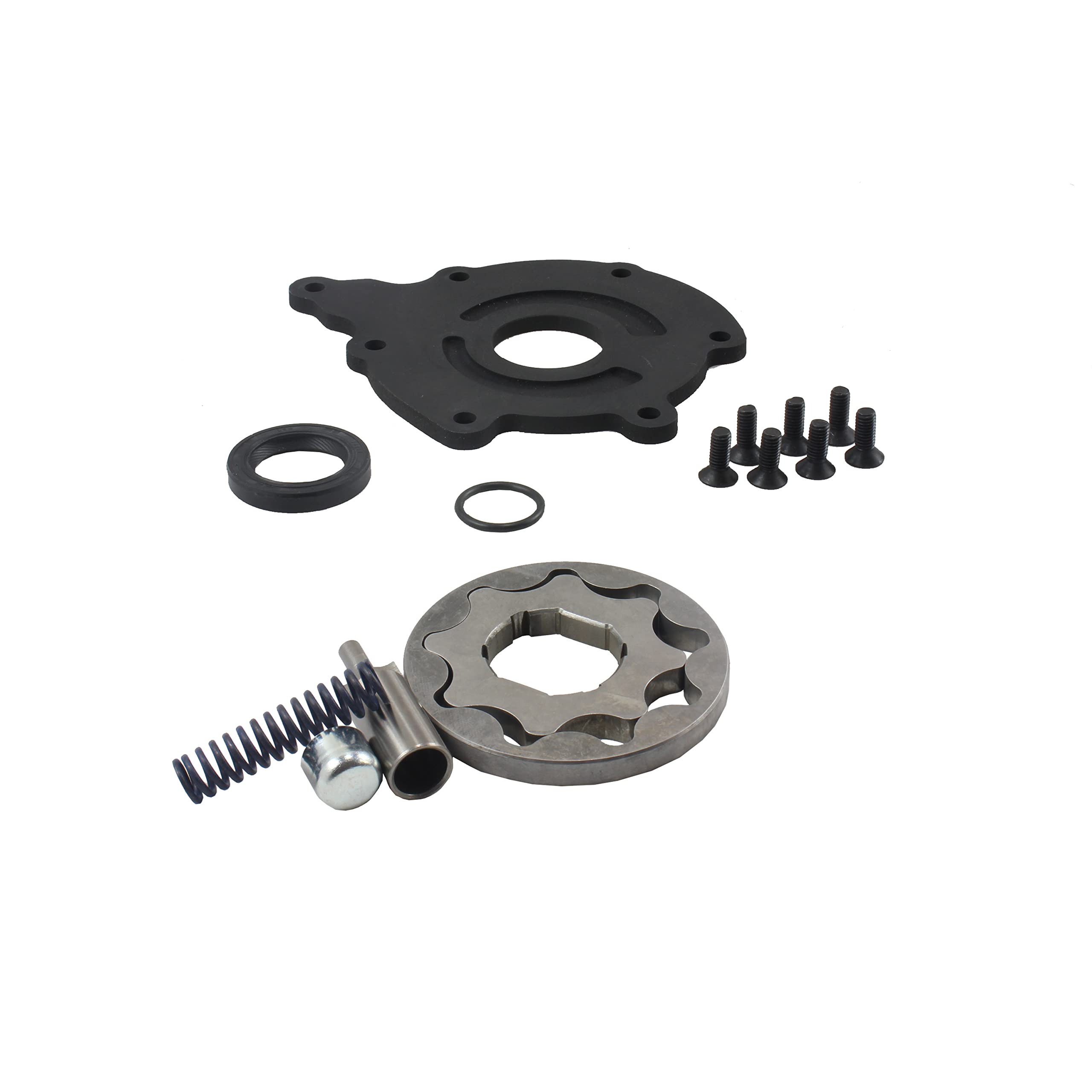
- New oil pump (choose OEM or trusted aftermarket brands)
- Socket set and wrench
- Screwdrivers
- Oil pan
- New oil filter
- Fresh engine oil
- Gasket or sealant
- Torque wrench
Some Jeep models require extra parts like a timing cover gasket. Always check your owner’s manual for specifics.
Step-by-step Oil Pump Replacement
Changing the oil pump is a moderate job. You need basic mechanical skills and patience. Here are the key steps:
- Disconnect the battery to prevent electrical accidents.
- Drain the engine oil into a pan.
- Remove the oil pan. This often means unbolting several screws and possibly lifting the engine slightly for access.
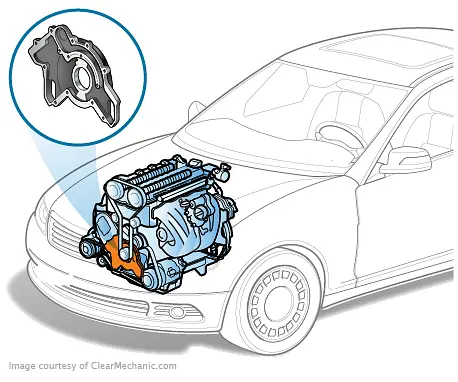
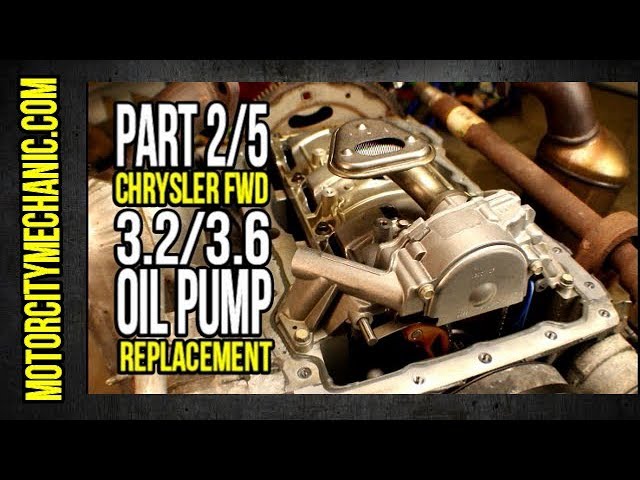
- Locate and remove the old oil pump. Usually, it sits at the bottom of the engine near the crankshaft.
- Install the new pump. Make sure to use new gaskets and tighten bolts to the recommended torque.
- Reinstall the oil pan with a fresh gasket.
- Fill with new oil and install a new oil filter.
- Reconnect the battery.
- Start the engine and check for leaks and proper oil pressure.
Always double-check your work. Even a small mistake can cause oil leaks or pressure problems.
Jeep Models And Oil Pump Differences
Jeep engines differ in oil pump design. Here’s a comparison of popular models:
| Jeep Model | Engine Type | Oil Pump Type | Estimated Replacement Time |
|---|---|---|---|
| Wrangler (TJ/JK) | 4.0L/3.6L | Gear type | 3-4 hours |
| Cherokee (XJ) | 4.0L | Gear type | 3-4 hours |
| Grand Cherokee (WJ) | 4.7L | Rotor type | 4-5 hours |
Gear-type pumps are common in Jeep’s six-cylinder engines. Rotor-type pumps are found in V8s. Each requires different removal techniques.
Cost And Value Of Oil Pump Replacement
The price for Jeep oil pump replacement varies. Here’s a breakdown:
| Component | Estimated Cost (USD) |
|---|---|
| Oil Pump (part only) | $50–$200 |
| Gasket Set | $20–$60 |
| Labor (shop) | $250–$500 |
| DIY Tools | $30–$80 |
DIY replacement can save hundreds of dollars. However, mistakes can cost more in repairs. If unsure, consider professional help.
Common Mistakes And How To Avoid Them
Many beginners make these errors:
- Using old gaskets—always use new ones to prevent leaks.
- Incorrect torque—under- or over-tightening bolts can cause failures.
- Skipping oil filter replacement—dirty filters lower oil quality.
- Not priming the pump—some pumps require oil before installation.
- Ignoring oil leaks—even small leaks can ruin engines.
Check your Jeep’s manual for torque specs and priming steps. Always clean surfaces before installing new parts.
Practical Tips For Successful Replacement
- Work slowly and carefully. Rushing leads to mistakes.
- Label bolts and parts. This helps during reassembly.
- Keep tools organized. Losing bolts can delay the job.
- Check for leaks after starting. Run the engine and inspect the oil pan and filter area.
If you need more guidance, the official Jeep forums and manuals offer detailed instructions. Reliable sources like Autoblog also provide step-by-step guides.
Frequently Asked Questions
<!– wp:rank-math/faq-block {"questions":[{"id":"faq-question-16d792dc1352","title":"How Long Does Jeep Oil Pump Replacement Take?","content":"Most jobs take 3–5 hours for experienced DIYers. Shops may finish faster but charge more. Time depends on the engine model and your skill level.
“,”visible”:true},{“id”:”faq-question-a4666317f93e”,”title”:”Can I Drive With A Failing Oil Pump?”,”content”:”No. Driving with low oil pressure can cause engine damage within minutes. Always fix pump issues before driving.
“,”visible”:true},{“id”:”faq-question-aeac9c5b4aea”,”title”:”What Happens If I Install The Pump Incorrectly?”,”content”:”Incorrect installation can lead to oil leaks, low pressure, and engine failure. Always follow torque specs and use new gaskets.
“,”visible”:true},{“id”:”faq-question-d45b1bdb19f2″,”title”:”Do All Jeep Engines Use The Same Oil Pump?”,”content”:”No. Pump type and installation steps vary by engine. Always check your Jeep model and year before buying parts.
“,”visible”:true},{“id”:”faq-question-7d7f3d4f6ed1″,”title”:”How Often Should I Replace My Jeep’s Oil Pump?”,”content”:”There’s no set interval. Replace the pump if you notice oil pressure problems or reach over 150,000 miles, especially in older Jeeps.
Replacing your Jeep’s oil pump is a smart way to protect your engine and keep your vehicle running for years. With the right tools and careful work, even beginners can do the job successfully. If you’re unsure, seek help from a trusted mechanic or Jeep community.
“,”visible”:true}]} –>How Long Does Jeep Oil Pump Replacement Take?
Most jobs take 3–5 hours for experienced DIYers. Shops may finish faster but charge more. Time depends on the engine model and your skill level.
Can I Drive With A Failing Oil Pump?
No. Driving with low oil pressure can cause engine damage within minutes. Always fix pump issues before driving.
What Happens If I Install The Pump Incorrectly?
Incorrect installation can lead to oil leaks, low pressure, and engine failure. Always follow torque specs and use new gaskets.
Do All Jeep Engines Use The Same Oil Pump?
No. Pump type and installation steps vary by engine. Always check your Jeep model and year before buying parts.
How Often Should I Replace My Jeep’s Oil Pump?
There’s no set interval. Replace the pump if you notice oil pressure problems or reach over 150,000 miles, especially in older Jeeps.
Replacing your Jeep’s oil pump is a smart way to protect your engine and keep your vehicle running for years. With the right tools and careful work, even beginners can do the job successfully. If you’re unsure, seek help from a trusted mechanic or Jeep community.