Jeep Oil Cooler Replacement: What Owners Need To Know
Jeep vehicles are built for adventure, but even tough engines have weak spots. One common issue is a failing oil cooler—especially in popular models like the Wrangler, Grand Cherokee, and Gladiator. A bad oil cooler can lead to engine overheating, oil leaks, and even expensive repairs if not fixed quickly.
This guide helps you understand Jeep oil cooler replacement, why it matters, and what to expect during the process. You’ll learn how to spot trouble early, what the replacement involves, and how to save money by making smart decisions.
Why The Oil Cooler Matters
The oil cooler’s main job is to keep engine oil at a safe temperature. As your Jeep works hard, oil absorbs heat from the engine.
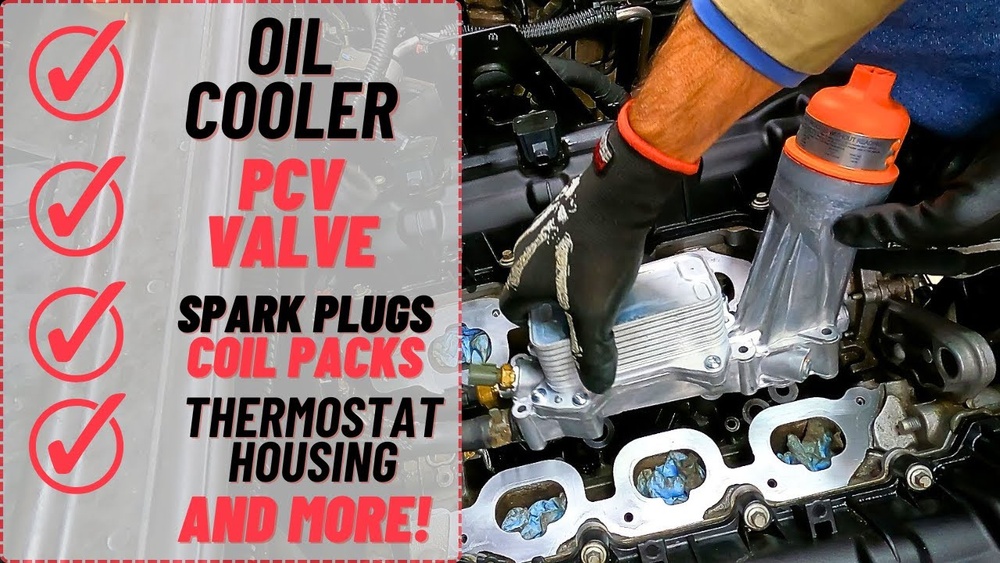
The cooler pulls some of this heat away, preventing the oil from getting too hot and breaking down.
When the oil cooler fails, engine oil can overheat, losing its ability to lubricate. This can cause excessive wear on engine parts and, in severe cases, total engine failure.
Common Signs Of A Bad Oil Cooler
- Oil leaks under the Jeep, often near the transmission or engine
- Overheating warning on the dashboard
- White smoke from the tailpipe (if oil mixes with coolant)
- Low oil pressure or flashing oil light
If you notice these signs, it’s smart to check the oil cooler before bigger problems develop.
Which Jeep Models Have Oil Cooler Problems?
While any vehicle can have oil cooler trouble, some Jeep models are more likely to need replacement. Here’s a quick comparison:
| Jeep Model | Common Years Affected | Engine Types |
|---|---|---|
| Wrangler (JK/JL) | 2012–2026 | 3.6L Pentastar V6 |
| Grand Cherokee | 2011–2026 | 3.6L V6, 5.7L V8 |
| Gladiator | 2020–Present | 3.6L Pentastar V6 |
The 3.6L Pentastar V6 engine is known for oil cooler leaks, often due to plastic parts that crack over time.
The Oil Cooler Replacement Process
Replacing a Jeep oil cooler is not as simple as changing the oil filter. The oil cooler assembly often sits under the intake manifold, requiring careful work. Here’s a breakdown of the steps:
- Disconnect the battery for safety.
- Remove the intake manifold to reach the oil cooler.
- Drain the engine oil and sometimes the coolant.
- Disconnect oil lines and sensors from the cooler.
- Unbolt and remove the old oil cooler.
- Install the new oil cooler with fresh gaskets.
- Reconnect all lines, sensors, and the intake manifold.
- Refill engine oil and coolant as needed.
- Start the engine and check for leaks.
This job usually takes 2 to 4 hours for a skilled mechanic. If you’re a do-it-yourselfer with good tools and patience, it’s possible at home but not recommended for beginners.
Tools And Parts Needed
- Socket set (with extensions)
- Torque wrench
- New oil cooler kit (with gaskets)
- Intake manifold gaskets
- Engine oil and filter
- Coolant (if drained)
Some aftermarket kits use metal instead of plastic for better durability.
Cost Breakdown: Jeep Oil Cooler Replacement
Costs can vary based on Jeep model, labor rates, and part quality. Here’s a typical breakdown:
| Item | Estimated Cost |
|---|---|
| Oil Cooler Assembly | $120–$350 |
| Gaskets/Seals | $20–$50 |
| Labor (2–4 hours) | $250–$600 |
| Engine Oil & Filter | $40–$80 |
| Coolant (if needed) | $20–$50 |
| Total | $450–$1,100 |
Dealerships often charge more for labor, while independent shops can be more affordable.

Choosing The Right Oil Cooler Replacement
Not all oil coolers are created equal. When buying a replacement, consider:
- OEM vs. Aftermarket: OEM (original equipment) parts match factory specs but cost more. Some aftermarket brands offer improved designs—like all-aluminum construction.
- Warranty: Look for parts with at least a 1-year warranty.
- Included Gaskets: Some kits include all necessary gaskets and seals, saving time.
Compare your options:
| Feature | OEM Oil Cooler | Aftermarket Oil Cooler |
|---|---|---|
| Material | Plastic/Aluminum | All-Aluminum (often) |
| Warranty | 1 Year | 1-3 Years |
| Price | Higher | Lower |
| Fit | Exact | May Vary |
A non-obvious tip: Ask if the aftermarket cooler uses upgraded seals. Better seals can prevent repeat leaks.
Common Mistakes And How To Avoid Them
Many Jeep owners make these mistakes during oil cooler replacement:
- Not replacing all gaskets. Old gaskets can leak even with a new cooler.
- Over-tightening bolts. This can crack the plastic housing or strip threads.
- Forgetting to check oil pressure. Always check after installation to confirm proper flow.
- Mixing up coolant and oil lines. Double-check connections before starting the engine.
One insight often missed: Flush the engine oil passages if there was a major leak. Leftover coolant or debris can damage the new cooler or engine.

How To Extend Oil Cooler Life
Prevention is always better than repair. Follow these steps to help your oil cooler last longer:
- Change engine oil on time—old oil breaks down seals faster.
- Use quality oil filters to keep debris out of the system.
- Watch engine temperature and fix cooling system issues quickly.
- Check for recalls—some Jeep models had extended warranties or free replacements for known oil cooler issues.
For more technical details, you can visit the official Wikipedia oil cooler page.
Jeep vehicles are built for adventure, but regular care keeps them on the road longer. Don’t ignore small leaks—fixing them early can prevent major engine damage.
Frequently Asked Questions
What Are The Main Symptoms Of A Bad Jeep Oil Cooler?
Look for oil leaks, overheating, white smoke from the exhaust, and low oil pressure. Sometimes, you may see oil in the coolant or coolant in the oil.
Can I Drive My Jeep With A Leaking Oil Cooler?
It’s risky. Driving with a leaking oil cooler can cause engine overheating and lead to serious engine damage. It’s best to repair it as soon as possible.
How Long Does It Take To Replace A Jeep Oil Cooler?
A professional mechanic usually takes 2 to 4 hours. DIY replacement may take longer, especially if it’s your first time.
Is Aftermarket Better Than Oem For Oil Coolers?
Aftermarket coolers with all-aluminum designs may last longer than factory plastic ones. However, fit and warranty can vary. Always choose reputable brands.
Will A Jeep Oil Cooler Replacement Fix Overheating?
If the oil cooler was causing oil leaks or heat problems, replacement can solve the issue. But if your Jeep still overheats, check the radiator, thermostat, and water pump too.
Taking care of your Jeep’s oil cooler helps protect your engine and wallet. Act early, choose quality parts, and enjoy worry-free adventures.