Enjoying a Jeep with no doors and no roof is more than a style—it’s a lifestyle. Whether you drive through mountains, city streets, or sandy trails, removing the doors and roof transforms your Jeep into a unique adventure machine.
Many Jeep owners love this setup for the sense of freedom and connection with nature. In this guide, you’ll learn the benefits, safety tips, compatibility details, and how to make your Jeep ready for open-air driving.
Why Go Doorless And Roofless?
Driving a Jeep without doors or a roof gives you a new feeling of freedom. You get better views, more fresh air, and a closer connection to your environment. This setup is popular for:
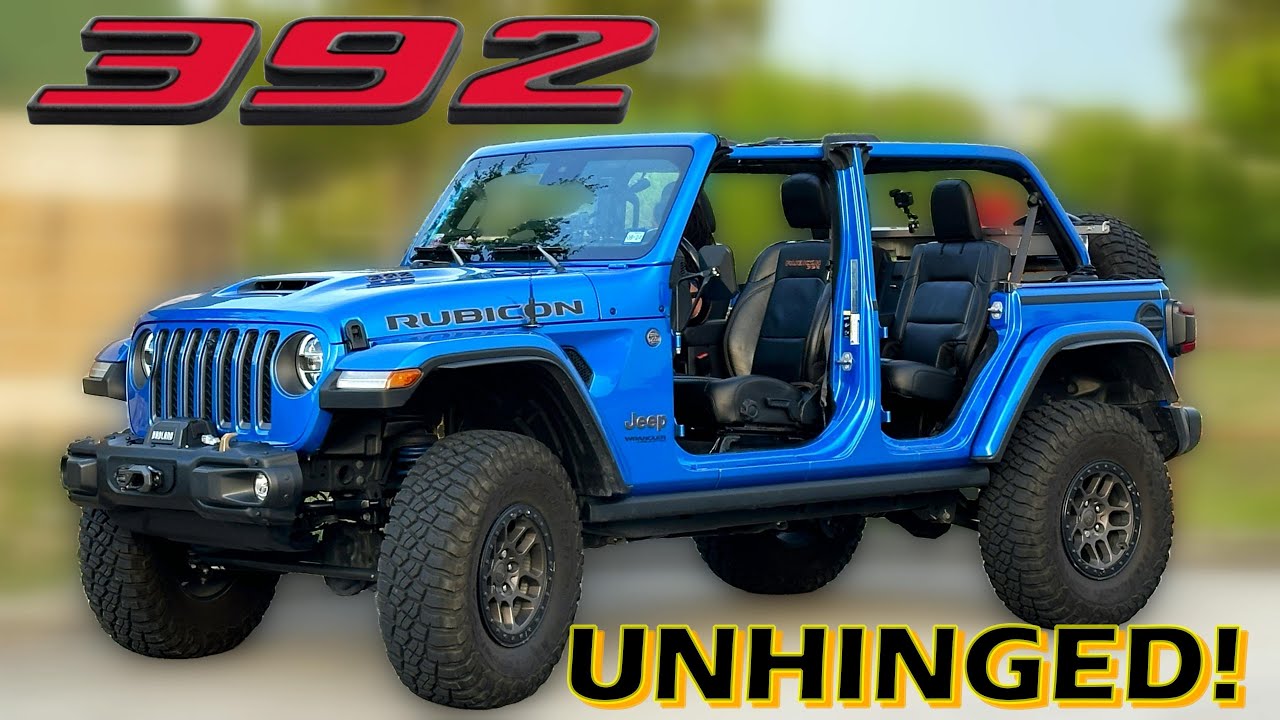
- Off-road trips: See obstacles clearly and feel the terrain.
- Beach drives: Enjoy the sun and breeze.
- City cruising: Turn heads with a bold look.
Many Jeep fans say the ride feels more exciting and adventurous. But it’s not just about fun there are practical reasons too.
Removing doors makes getting in and out easier, especially with gear or pets.
Jeep Models And Compatibility
Not every Jeep is made for doorless, roofless driving. Here’s a quick comparison of popular Jeep platforms and how they fit this lifestyle:
| Model | Years | Door/Roof Removal | Best Use |
|---|---|---|---|
| TJ | 1997–2006 | Easy | Off-road, classic look |
| JK | 2007–2018 | Simple, quick | Adventure, families |
| JL | 2018–present | Modern, tool-free | Daily drive, tech fans |
| XJ | 1984–2001 | Not designed for removal | Enthusiasts only |
| WK/WL | 2005–present | Not compatible | Luxury, urban |
JK and JL Wranglers are the easiest to convert. JL models often use tool-free latches and lightweight tops, making the process quick. Older TJs are also popular for their simple design. XJ and WK/WL models are not meant for door and roof removal, so modifications can be unsafe or illegal.
How To Remove Doors And Roof
Getting your Jeep ready for open-air driving is simple for most Wranglers. Here’s a step-by-step guide:
- Disconnect door wiring: Unplug any power locks or windows.
- Unscrew hinges: Use a Torx wrench (often provided by Jeep).
- Lift off doors: Store them safely to avoid scratches.
- Remove roof panels: Hardtops need unscrewing, soft tops fold back or detach.
- Store hardware: Keep bolts and screws in a labeled bag.
Practical Tips
- Put doors and roof on soft surfaces to prevent dents.
- Use door bags for protection.
- Check local laws—some states require side mirrors even when doors are off.
Engine, Transmission, And Towing Considerations
Removing doors and roof doesn’t affect your engine or transmission, but it can change aerodynamics. This may reduce fuel efficiency, especially at highway speeds.
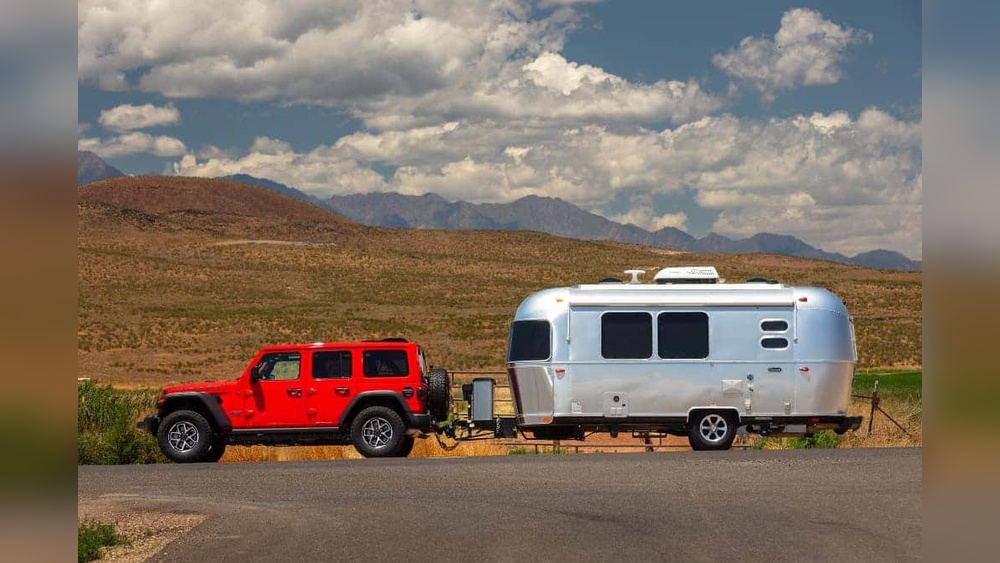
Towing capacity stays the same, but always reinstall doors and roof for heavy towing to protect passengers. Here’s a quick comparison of towing specs for popular Jeep models:
| Model | Engine Options | Transmission | Towing Capacity (lbs) |
|---|---|---|---|
| JK Wrangler | 3.6L V6 | Auto/Manual | 2,000–3,500 |
| JL Wrangler | 2.0L Turbo, 3.6L V6, 3.0L Diesel | Auto/Manual | 2,000–3,500 |
| TJ Wrangler | 4.0L I6 | Auto/Manual | 2,000 |
Tip: Always check your owner’s manual for specific towing limits.
Safety And Legal Concerns
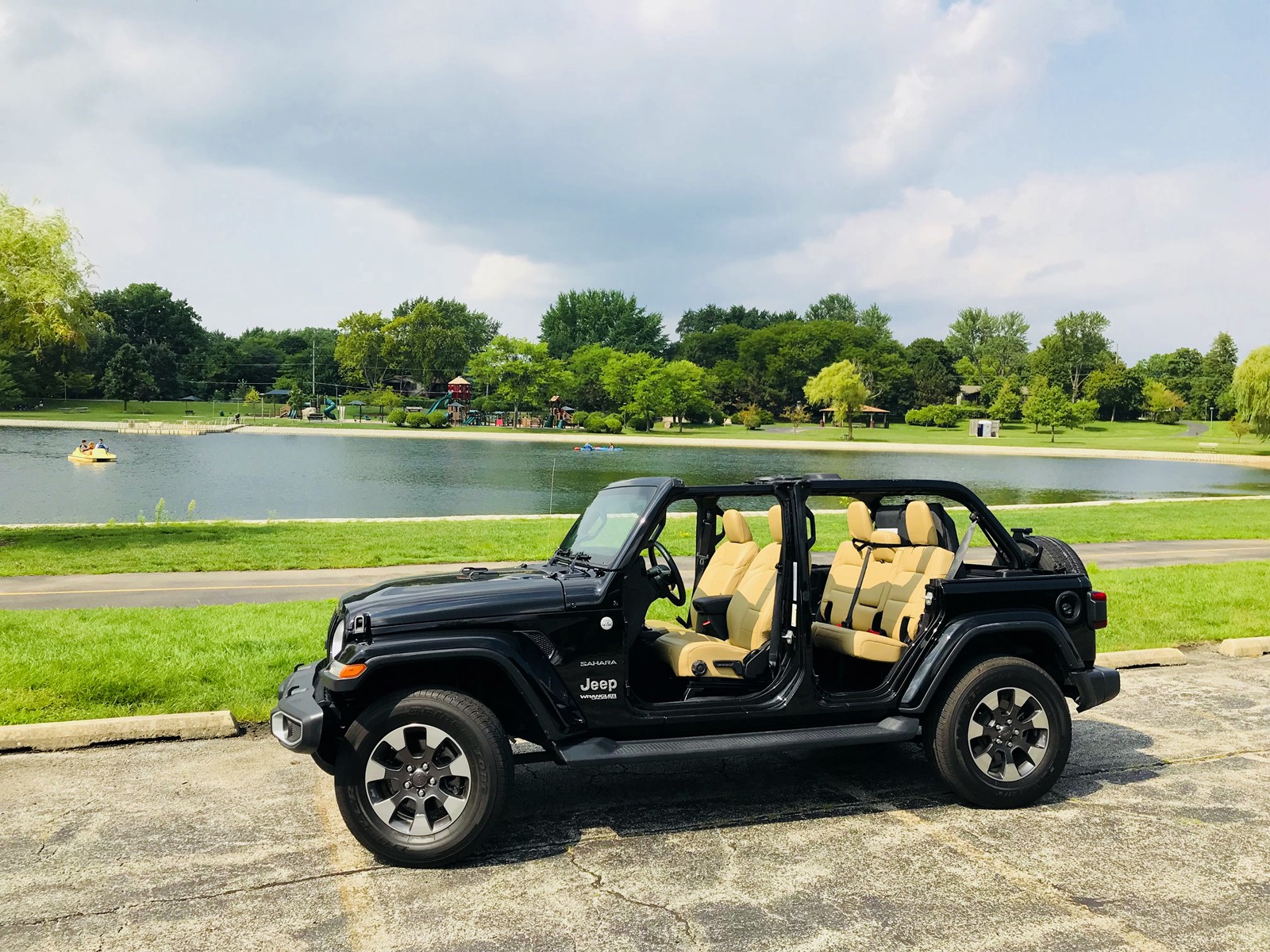
Safety is important when driving without doors or a roof. Modern Jeeps have strong frames, but you lose some protection. Here are key safety points:
- Seat belts: Always wear them.
- Side mirrors: Install mirror brackets when doors are off.
- Weather: Be ready for sudden rain or dust.
- Passengers: Children should use proper seats and restraints.
Some states require doors or mirrors by law. Check your local DMV or state website before hitting the road. For more details, see the NHTSA guidelines.
Buying Tips And Accessories
If you want to buy a Jeep for doorless, roofless driving, focus on these points:
- Model year: Choose 2007 or newer for easiest removal.
- Trim level: Sport and Rubicon trims offer more open-air features.
- Accessories: Look for quick-release hinges, mirror brackets, and soft tops.
- Compatibility: Check if your Jeep’s VIN matches removable parts.
Must-have Accessories
- Tube doors: Add safety and style.
- Mirror relocation kits: Stay legal.
- Grab handles: Help passengers hold on.
- Weatherproof seat covers: Protect from rain and mud.
Common Mistakes To Avoid
Many Jeep owners make simple mistakes when going doorless and roofless:
- Forgetting to install side mirrors
- Leaving hardware loose
- Not checking weather before removing the roof
- Storing doors or roof in unsafe places
Avoid these issues for a safer, smoother ride.
Frequently Asked Questions
Can I Drive A Jeep With No Doors And No Roof Legally?
It depends on your state. Some places require side mirrors or doors by law. Always check local rules before driving.
Which Jeep Model Is Best For Doorless, Roofless Driving?
JK and JL Wranglers are easiest for this setup. Older TJs work well, but newer models offer tool-free removal and better safety.
Does Removing Doors And Roof Affect Insurance?
Some insurance policies may limit coverage if you remove parts. Always talk to your provider before making changes.
What About Rain And Weather?
You’ll get wet if caught in rain. Keep emergency covers or soft tops handy, and store valuables in waterproof bags.
Are There Safety Risks With Kids Or Pets?
Yes. Always use seat belts, proper child seats, and secure pets. Consider tube doors for extra safety.
Enjoy the open-air Jeep lifestyle, but always plan for safety and legal needs. If you’re ready to try this adventure, check your model’s compatibility and local laws. The feeling of freedom is worth it!
Meta description: Discover how to drive your Jeep with no doors and no roof. Learn safety tips, model compatibility, removal steps, and buying advice for open-air adventures.
Suggested internal-link anchor texts:
- Jeep Wrangler maintenance tips
- Off-road accessories for Jeeps
- How to choose the right Jeep model