If you drive a Jeep, you probably know that maintenance keeps your vehicle safe on- and off-road. One detail many owners miss is the proper lug nut torque. Setting the correct torque matters more than you might think—it’s about safety, wheel life, and ride quality. Whether you change your own tires or visit a shop, knowing the right specs for your Jeep can prevent common problems and expensive damage.
What Is Lug Nut Torque?
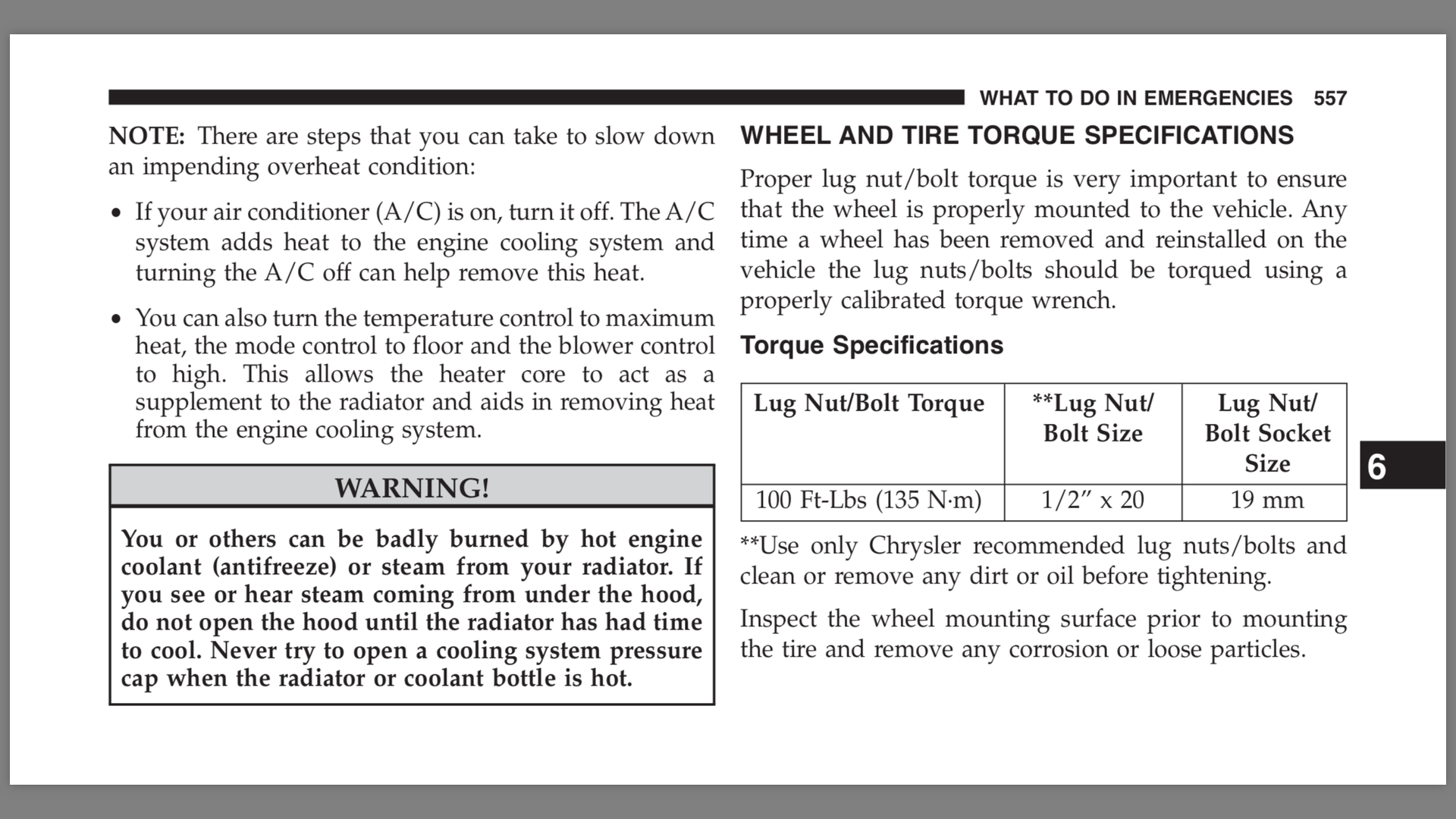
Lug nut torque means how tight you secure the lug nuts on your Jeep’s wheels. Torque is measured in foot-pounds (ft-lbs). Every Jeep model has a recommended torque range. Tighten them too little, and wheels might loosen over time. Tighten too much, and you risk damaging the wheel, studs, or brake parts.
Always use a torque wrench for accuracy. Guessing with basic tools or “muscling” the nuts can cause uneven pressure, making the wheels unsafe. Proper torque ensures the wheel is evenly and safely attached to the hub.
Why Correct Torque Matters
Incorrect torque can lead to:
- Wheel detachment: Under-torqued nuts may loosen and fall off while driving.
- Warped brake rotors: Over-torquing can twist rotors, causing vibration and poor braking.
- Broken studs: Too much force can snap the wheel studs, risking a wheel loss.
The right torque keeps wheels, brakes, and suspension working as they should. It also helps maintain even tire wear and improves handling, especially for off-roading.

Jeep Lug Nut Torque Specifications
Different Jeep models and years need different torque values. Here’s a quick comparison for popular models:
| Jeep Model | Year Range | Lug Nut Torque (ft-lbs) |
|---|---|---|
| Wrangler JK | 2007–2018 | 95–100 |
| Wrangler JL | 2018–2026 | 130 |
| Grand Cherokee | 2011–2026 | 110 |
| Cherokee | 2014–2026 | 100 |
| Gladiator JT | 2020–2026 | 130 |
Always check your owner’s manual or a trusted Jeep reference before tightening. Some special wheels, like beadlocks or aftermarket alloys, may need different settings.
How To Tighten Jeep Lug Nuts Correctly
- Hand tighten first: Start threading the lug nuts by hand to prevent cross-threading.
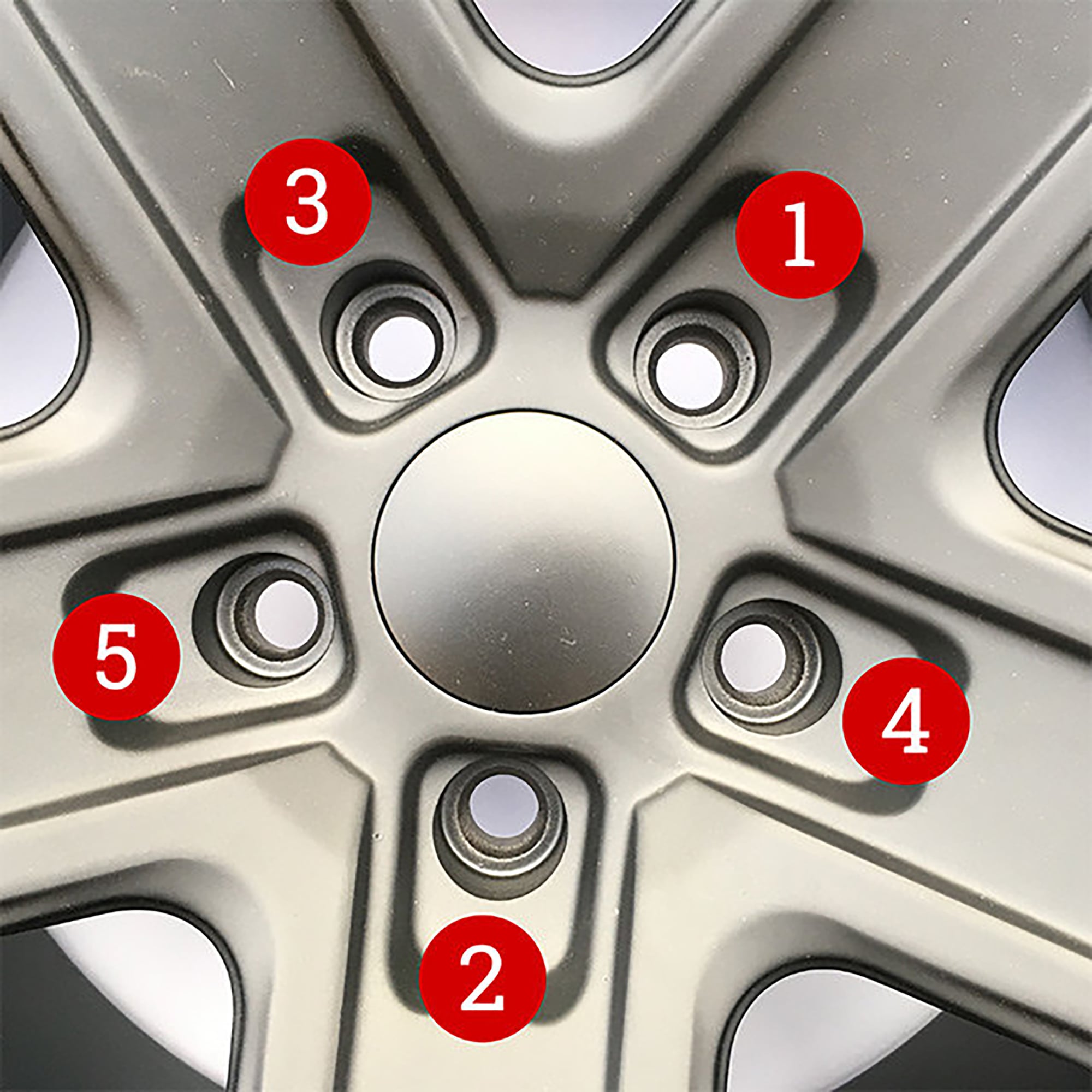
- Use a star pattern: Tighten in a crisscross or “star” sequence. This spreads pressure evenly.
- Set the torque: Adjust your torque wrench to the correct value for your Jeep.
- Tighten in steps: Start at half the final torque, then go to full torque. For example, if 130 ft-lbs is the goal, start at 65 ft-lbs, then finish at 130.
- Recheck after driving: Lug nuts can settle after 50–100 miles. Retorque them for safety.
Here’s a clear look at the star pattern for 5-lug wheels:
| Lug Nut | Order |
|---|---|
| 1 | Top |
| 2 | Lower right |
| 3 | Upper left |
| 4 | Lower left |
| 5 | Upper right |
For Jeeps with 6 or 8 lugs, always crisscross and never go in a circle.
Common Mistakes And How To Avoid Them
Even experienced owners can make errors. Here are two big mistakes:
- Using impact guns for final torque: These tools can easily over-tighten nuts. Always finish with a torque wrench.
- Ignoring rust or debris: Dirt on the wheel or threads can change torque accuracy. Clean all parts before tightening.
Another thing beginners miss is the effect of aftermarket wheels. These sometimes have different seat types (like conical or flat). Using the wrong style can cause improper seating, even if the torque is correct.
Torque Settings For Off-road And Towing
If you use your Jeep for off-roading or heavy towing, check the lugs more often. Extreme use can loosen nuts faster. While the torque value stays the same, regular checks will prevent issues on the trail or highway.
For beadlock wheels, which are popular in off-roading, always follow the manufacturer’s specs. These wheels often need different torque values and patterns.
Signs Of Incorrect Lug Nut Torque
Watch for these warning signs:
- Steering wheel vibration
- Clicking or popping sounds from wheels
- Uneven or rapid tire wear
- Visible gap between wheel and hub
If you notice any of these, check your lug nuts immediately. Sometimes, the problem isn’t just loose nuts—it could be damaged parts from over- or under-torquing.
Tools You Need For The Job
A few simple tools make the job easier and more accurate:
- Torque wrench (essential for the final step)
- Breaker bar or tire iron (to loosen nuts)
- Wire brush (for cleaning threads)
- Socket set (sized for Jeep lugs, usually 19mm or 21mm)
A torque wrench is a smart investment. Even a basic one gives much better results than guessing with a standard wrench.
Jeep Lug Nut Sizes
Jeep lug nut sizes can vary by model and year. Here’s a quick summary:
| Jeep Model | Lug Nut Size |
|---|---|
| Wrangler JK | 1/2″-20 |
| Wrangler JL | M14x1.5 |
| Grand Cherokee | M14x1.5 |
| Cherokee | M12x1.5 |
| Gladiator JT | M14x1.5 |
Double-check your Jeep’s specs before buying new nuts or a socket.
When To Replace Lug Nuts
Replace your Jeep’s lug nuts if you see:
- Rounded or damaged edges
- Severe rust or corrosion
- Stripped threads
- Visible cracks
Don’t reuse old, damaged nuts. Even small flaws can lead to unsafe wheels.
Additional Tips
- If you rotate tires yourself, write down the date and mileage. This helps track when to recheck torque.
- Check your torque wrench’s calibration at least once a year. Inaccurate tools mean inaccurate torque.
- If you need more details, the Wikipedia page on lug nuts has in-depth information.
Frequently Asked Questions
What Happens If I Under-torque My Jeep’s Lug Nuts?
Under-torquing can make the nuts loosen while driving. This might cause wheel wobble, damage to the studs, or even the wheel coming off.
Should I Re-torque My Jeep’s Wheels After Service?
Yes, it’s smart to check and re-torque after 50–100 miles, especially if the wheels were removed for any reason.
Can I Use An Impact Wrench For Torquing?
Impact wrenches are fine for removing or snugging up nuts, but always use a torque wrench for the final tightening.
How Often Should I Check Lug Nut Torque?
Check after tire rotations, wheel changes, or off-road trips. It’s also wise to check every oil change or at least twice a year.
Do Aftermarket Wheels Need Different Torque?
Some do. Always check the wheel manufacturer’s recommendations, as materials and designs can change the required torque.
Keeping your Jeep’s lug nuts at the right torque is a small step with big safety results. With the right tools and habits, you’ll keep your Jeep running smoothly for years to come.