Many Jeep Liberty owners face a frustrating problem, especially in cold weather: no heat from the vents. You turn the dial, wait for the warmth, but only get cold air.
This issue is common in both older and newer Jeep Liberty models. Losing heat not only makes driving uncomfortable, but it can also mean deeper problems with your vehicle’s systems.
Understanding why your Jeep Liberty has no heat can save you time, money, and stress.
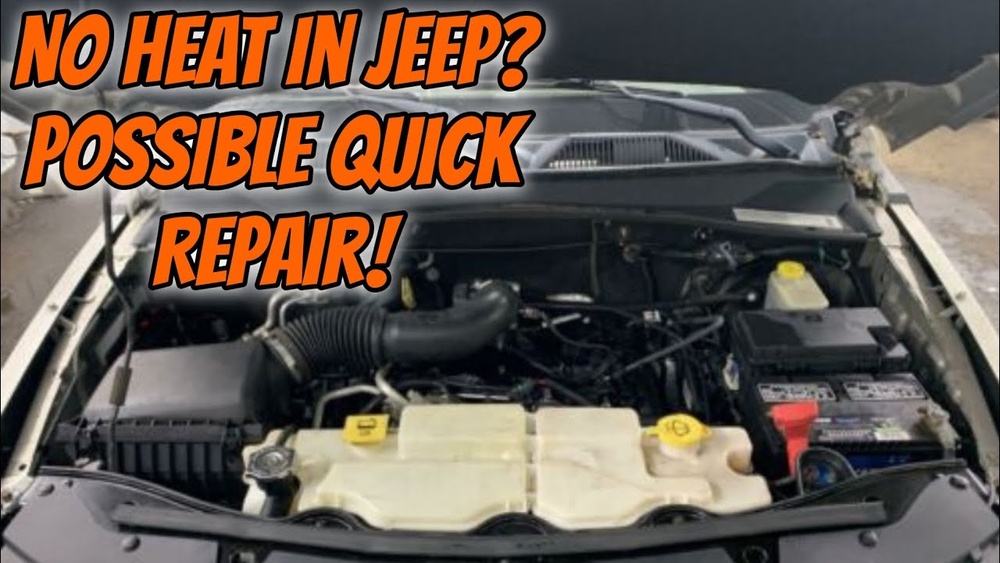
Why Your Jeep Liberty Has No Heat
A lack of heat usually means something has failed in the heating system. This system is simple in design but can be affected by several small parts. Here are the most common reasons:
- Low coolant level – The heater uses engine coolant. Low fluid means less heat.
- Stuck thermostat – If the thermostat is stuck open, the engine stays cool, so the heater blows cold.
- Clogged heater core – Blocked by debris or old coolant, the heater core can’t transfer heat.
- Faulty blend door – This small door directs air over the heater core. If it breaks, air skips the heat.
- Failed heater control valve – This valve might not let hot coolant reach the core.
- Blower motor issues – If the fan fails, even hot air can’t reach you.
- Air pockets in the system – Air trapped after coolant changes stops hot fluid from circulating.
Each of these has its own signs and fixes. Diagnosing the right cause is key to getting your heat back.
Quick Self-checks Before Visiting A Mechanic
You can do a few basic checks at home before spending on repairs. Here’s how:
- Check coolant level when the engine is cold. Low? Top up with the correct mix.
- Feel the upper radiator hose after the engine warms up. If it’s not hot, the thermostat may be stuck open.
- Look for leaks under the Jeep. Puddles of coolant mean the system is losing fluid.
- Listen for unusual noises when you turn on the heater. Clicking or thumping can mean blend door problems.
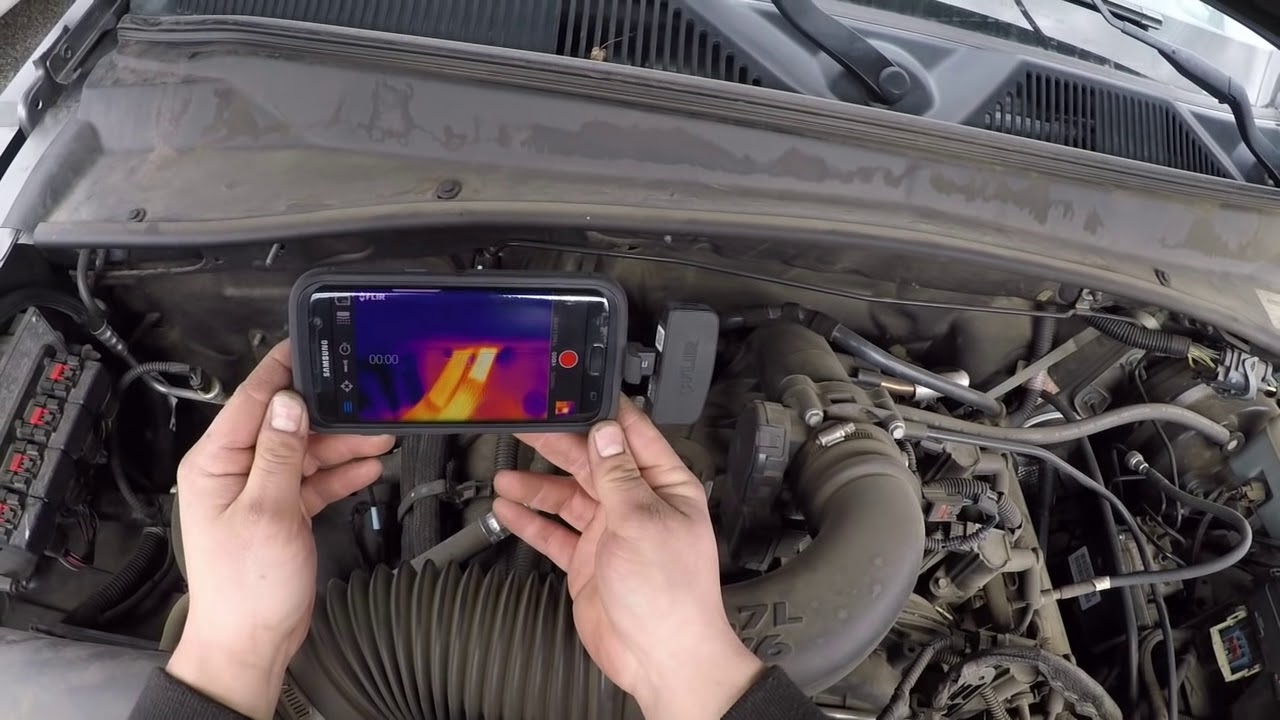
- Turn the heater to max and feel the hoses going into the firewall. One hot, one cold? The heater core may be clogged.
These simple checks don’t fix the problem, but they help you talk clearly with your mechanic.
Comparing Common Causes And Fixes
Many issues can cause no heat in a Jeep Liberty. Here’s a comparison of the main causes, signs, and average repair costs:
| Cause | Common Sign | Estimated Cost |
|---|---|---|
| Low Coolant | Coolant warning light, cold air | $10–$50 |
| Stuck Thermostat | Engine slow to warm up | $120–$250 |
| Clogged Heater Core | Sweet smell, foggy windows | $400–$900 |
| Faulty Blend Door | Clicks, only cold or hot air | $300–$600 |
| Blower Motor Issue | No air at any setting | $150–$400 |
How To Troubleshoot Jeep Liberty No Heat
If you want to diagnose the problem yourself, follow these steps:
- Let the engine warm up fully. Check the temperature gauge.
- Turn the heat to high and fan to max.
- Check both heater hoses under the hood. Both should be hot. If only one is, the core might be clogged.
- Switch between hot/cold settings inside. If you hear clicking, the blend door may be stuck.
- Inspect the blower motor. If you get no air at any speed, the motor or fuse could be bad.
If these steps point to a serious issue, it’s best to see a trusted mechanic.

Repair Or Replace? Jeep Liberty Heating Parts
Sometimes, fixing the heating system is simple. Other times, repairs are costly. Here’s a quick comparison of repair vs. replacement for common parts:
| Part | Repair Possible? | When to Replace |
|---|---|---|
| Thermostat | Usually replaced | Not opening/closing properly |
| Heater Core | Flush sometimes works | Severe blockage or leak |
| Blend Door | Minor fixes possible | Broken or stuck gears |
| Blower Motor | Check fuses, wiring first | Motor does not spin |
Pro Tip: Flushing the heater core with a garden hose can sometimes fix a clog. But if it leaks, you’ll need a full replacement.
Preventing Heating System Problems
Keeping your Jeep Liberty’s heat working isn’t just about quick fixes. Good maintenance helps avoid problems:
- Change coolant every 2–3 years. Old coolant turns acidic and causes clogs.
- Run the heater for a few minutes each week, even in summer. This keeps the blend doors moving freely.
- Fix leaks right away. Small leaks lead to big repairs if ignored.
- Don’t ignore warning lights. They often signal coolant or temperature issues.
One tip many owners miss: after any repair that drains coolant, always “burp” the system. This means removing trapped air so hot fluid can flow. If you skip this, you might still have no heat.
When To Call A Professional
Some repairs, like topping up coolant or changing a fuse, are easy. But heater core and blend door repairs often require taking apart the dashboard.
This is time-consuming and easy to mess up. If you don’t have tools or experience, it’s safer to trust a pro.
A certified mechanic can also check for hidden issues, such as a failing water pump or head gasket.
For more technical details about automotive heating systems, you can visit the Wikipedia page on car climate control.
Frequently Asked Questions
Why Does My Jeep Liberty Blow Cold Air Even When The Engine Is Warm?
Usually, this means the heater core is clogged or the blend door is stuck. It can also happen if the coolant is low or there’s air in the system.
Is It Safe To Drive My Jeep Liberty With No Heat?
You can drive, but it’s not ideal. No heat often means low coolant or other cooling system issues, which can cause the engine to overheat.
How Much Does It Cost To Fix A Jeep Liberty With No Heat?
Costs vary:
n
- nn
- Thermostat: $120–$250
- Heater core: $400–$900
- Blend door: $300–$600
nnn
nnn
n
n
Simple fixes like adding coolant are much cheaper.
Can I Fix A Clogged Heater Core Myself?
If you have some skill, you can try to flush the heater core with a hose. If it leaks or stays clogged, replacement is needed.
How Do I Know If My Blend Door Is Broken?
Listen for clicking noises from behind the dashboard or if the air temperature never changes. These are strong signs the blend door isn’t working.
Getting heat back in your Jeep Liberty is possible with the right steps. Stay alert for small problems, and address them early to keep your ride comfortable all year.