If you own a Jeep Liberty KJ, you know this compact SUV is both rugged and reliable. But like any vehicle, some parts wear out over time. One critical component is the front wheel bearing. If it fails, you may notice strange noises, steering problems, or even dangerous driving conditions. In this article, you’ll learn everything you need to know about the Jeep Liberty KJ front wheel bearing—from what it does, how to spot trouble, replacement tips, and how it compares to other models. Whether you’re a DIY enthusiast or just want to understand your vehicle better, this guide gives you clear, practical advice.
What Is A Front Wheel Bearing?
The front wheel bearing is a set of steel balls or rollers held together by a metal ring, called a race. It allows your Jeep’s wheels to spin smoothly with minimal friction while supporting the vehicle’s weight. On the Jeep Liberty KJ, the bearing sits inside the hub assembly, connecting the wheel to the steering knuckle.
A healthy wheel bearing helps your wheels turn freely and quietly. If it fails, friction increases, and you may hear grinding, humming, or notice that steering feels loose. Bad bearings can cause severe damage if ignored, including wheel separation or loss of control.
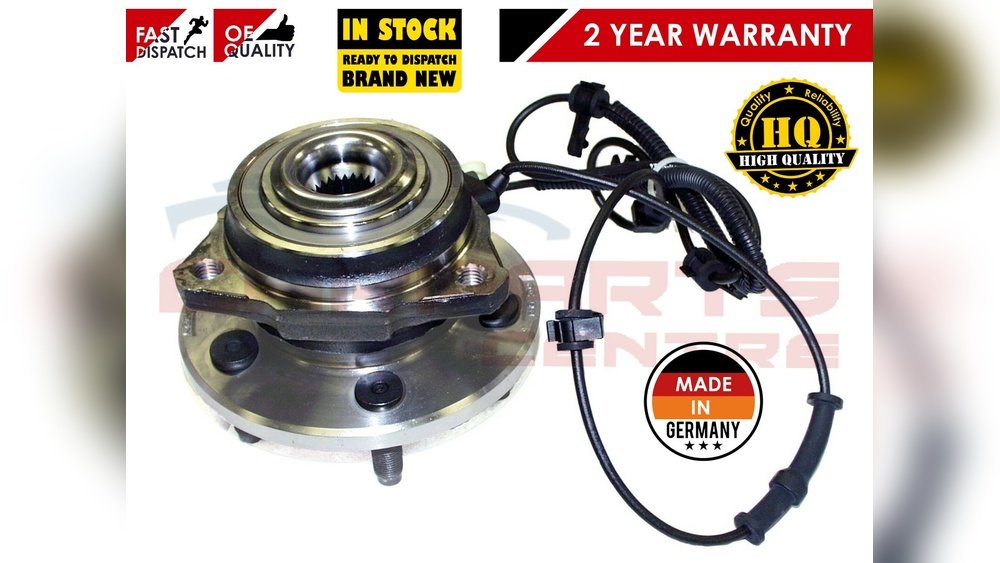
Jeep Liberty Kj Front Wheel Bearing Specifications
Knowing the technical specs helps you buy the right replacement part. Here are key details for the Jeep Liberty KJ front wheel bearing:
| Specification | Details |
|---|---|
| Model Years | 2002–2007 |
| Bearing Type | Sealed, hub assembly |
| Bolt Pattern | 5 x 114.3 mm (4.5 in) |
| ABS Sensor | Integrated |
| OEM Part Numbers | 513164, 513165 |
Most Jeep Liberty KJ front wheel bearings come as a full hub assembly with the ABS sensor included. This makes installation easier but also means you must buy the whole unit—not just the bearing.

Common Signs Of A Bad Front Wheel Bearing
Spotting trouble early can save you money and prevent breakdowns. Watch for these warning signs:
- Grinding or humming noise—Often gets louder as you speed up.
- Vibration in steering wheel—Especially when turning.
- Loose or wandering steering—Car feels unstable.
- Uneven tire wear—Wheels don’t spin smoothly.
- ABS warning light—Sensor may fail due to bearing damage.
If you notice any of these symptoms, inspect your Jeep’s front wheel bearing as soon as possible.
How The Jeep Liberty Kj Wheel Bearing Compares
Wondering how your Jeep’s wheel bearing stacks up? Here’s a quick comparison with similar models:
| Vehicle | Bearing Type | Average Lifespan | Replacement Cost |
|---|---|---|---|
| Jeep Liberty KJ | Sealed hub assembly | 70,000–100,000 miles | $120–$250 per side |
| Ford Escape | Sealed hub assembly | 80,000–120,000 miles | $130–$270 per side |
| Toyota RAV4 | Press-fit bearing | 80,000–130,000 miles | $100–$220 per side |
The Jeep Liberty KJ’s hub assembly design makes replacement easier than press-fit bearings. However, sealed units often require full replacement if anything fails, even the ABS sensor.

Replacing The Jeep Liberty Kj Front Wheel Bearing
Changing the front wheel bearing on your Jeep Liberty KJ is a moderate DIY job. If you have basic tools and some mechanical skill, you can save on labor costs. Here’s how to do it:
Tools & Parts You’ll Need
- New hub assembly (with bearing and ABS sensor)
- Socket set and breaker bar
- Torque wrench
- Jack and jack stands
- Pry bar
- Hammer
- Screwdriver
- Anti-seize lubricant
Step-by-step Replacement Guide
1. Lift The Vehicle
Use a jack to raise the front of your Jeep. Secure with jack stands for safety.
2. Remove The Wheel
Take off the lug nuts and set the wheel aside.
3. Take Off The Brake Caliper
Use a socket to remove bolts holding the caliper. Hang it with a wire, don’t let it dangle.
4. Remove The Brake Rotor
Slide the rotor off the hub. If stuck, tap gently with a hammer.
5. Disconnect The Abs Sensor
Unplug the sensor wire from the hub assembly.
6. Remove Hub Assembly Bolts
There are usually three bolts holding the hub to the steering knuckle. Remove them carefully.
7. Extract The Old Hub Assembly
Use a pry bar if needed. Sometimes rust makes it stubborn.
8. Install The New Hub Assembly
Align and bolt the new unit in place. Connect the ABS sensor wire.
9. Reassemble Brakes And Wheel
Put the rotor and caliper back, tighten bolts to the right torque.
10. Lower Vehicle And Test Drive
Check for noise, vibration, and ABS function.
Practical Tips
- Always replace both sides if one bearing fails. If one is bad, the other may follow soon.
- Use anti-seize on bolts to prevent rust.
- Double-check torque settings—too loose can cause accidents, too tight can damage parts.
Many beginners miss that the hub assembly includes the ABS sensor. If you buy a cheap bearing without the sensor, your ABS system will fail. Also, skipping torque checks is a common mistake—use a torque wrench for safety.
Front Wheel Bearing Lifespan And Maintenance
How long does a Jeep Liberty KJ front wheel bearing last? Usually between 70,000 and 100,000 miles. Driving habits, road conditions, and maintenance affect lifespan. Off-road use or harsh weather can shorten bearing life.
You can’t “service” sealed bearings—they are closed units. However, you can extend their life by:
- Avoiding deep water and mud
- Checking for loose wheels or strange noises
- Inspecting wheel bearings during brake service
Unlike older vehicles, you don’t need to grease these bearings. Replace the whole hub assembly if needed.
Choosing The Right Front Wheel Bearing
Picking the right replacement matters for safety and performance. Here’s what to check:
1. Oem Vs Aftermarket
OEM (Original Equipment Manufacturer) bearings are made to Jeep’s specs. Aftermarket options can be cheaper, but quality varies.
2. Abs Sensor Compatibility
Make sure the hub assembly has the correct ABS sensor for your model year.
3. Warranty
Look for parts with at least a one-year warranty.
4. Brand Reputation
Brands like Timken, Moog, and SKF are trusted. Avoid unknown brands with poor reviews.
5. Price Vs Quality
Don’t buy the cheapest unit. Poor quality bearings can fail early and cost more in the long run.
Here’s a quick comparison of popular brands for the Jeep Liberty KJ:
| Brand | Warranty | Average Price | Notable Features |
|---|---|---|---|
| Timken | 3 Years | $160 | High durability, OE fit |
| Moog | 1 Year | $140 | Easy installation |
| SKF | 2 Years | $150 | Precision engineering |
Cost Of Front Wheel Bearing Replacement
Replacing the front wheel bearing on a Jeep Liberty KJ usually costs $120–$250 per side for parts. Labor at a shop can add $150–$300 per side. DIY saves labor costs but requires tools and time.
If you choose a high-quality part, it can last longer and reduce future expenses. Cheap bearings may save money upfront but can fail quickly. Always factor in warranty and brand reputation before buying.
Safety And Performance Impact
A worn or damaged front wheel bearing affects more than comfort—it impacts safety. Here’s how:
- Steering control can become unpredictable.
- Wheel separation is possible if the bearing collapses.
- ABS failure may occur, increasing braking distance.
Regular inspection and timely replacement keep your Jeep safe. Most drivers miss early warning signs like subtle humming or slight vibration. Catching these signs early prevents bigger repairs and improves safety.
Non-obvious Insights
- Rust is a hidden enemy. On the Jeep Liberty KJ, rust often builds up around the hub assembly, especially in snowy or salty environments. This makes removal tough and sometimes damages the knuckle. Using anti-seize and regular inspection helps avoid costly repairs.
- ABS sensor wiring is fragile. When replacing the bearing, many beginners accidentally break the sensor wire, causing warning lights and brake system errors. Always handle the wire with care and check for proper connection after installation.

When To Seek Professional Help
If you’re unsure about your mechanical skills, or if the hub assembly is badly rusted, it’s wise to consult a mechanic. Some shops have special tools to remove stuck bearings and can check for hidden damage. Remember, safety comes first—if you’re not confident, professional help is worth the cost.
Frequently Asked Questions
What Happens If I Drive With A Bad Front Wheel Bearing?
Driving with a bad wheel bearing can cause wheel separation, loss of steering control, and severe accidents. It also damages other parts like the hub and brakes. Replace as soon as possible.
How Long Does A Jeep Liberty Kj Front Wheel Bearing Last?
Most bearings last 70,000–100,000 miles, but rough roads, off-roading, or harsh weather can shorten lifespan. Inspect regularly if you drive in tough conditions.
Can I Replace The Front Wheel Bearing Myself?
Yes, if you have basic tools and mechanical skill. The Liberty KJ uses a sealed hub assembly, which is easier to swap than press-fit bearings. Always follow safety steps and torque specs.
Does The Front Wheel Bearing Affect The Abs System?
Yes. The ABS sensor is integrated into the hub assembly. If the bearing fails, the sensor often fails too, causing ABS warning lights and reduced braking performance.
Where Can I Find Quality Replacement Parts?
Trusted auto parts stores and online retailers offer OEM and aftermarket hub assemblies. Brands like Timken and Moog are reliable. For more details, check out RockAuto.
Keeping your Jeep Liberty KJ’s front wheel bearing in good condition ensures safe, smooth driving. With the right knowledge and careful maintenance, you can avoid expensive repairs and keep your SUV running strong for years.