When you hear a squeaking noise from your Jeep Liberty’s front end, especially when turning the steering wheel, it can be unsettling. This sound often points to an issue that needs attention, and ignoring it could lead to more significant problems down the road.
Understanding the potential causes is the first step to diagnosing and fixing this common automotive annoyance.
Several parts work together to allow your Jeep Liberty to steer smoothly. When one of these components starts to wear out or become damaged, it can create friction, leading to that tell-tale squeak.
The good news is that many of these issues are repairable, and with a bit of knowledge, you can often pinpoint the problem or at least describe it accurately to a mechanic.
This guide will explore the most common reasons for a Jeep Liberty front-end squeak when turning, offering insights into what might be happening and what steps you can take.
Common Causes Of A Jeep Liberty Front-end Squeak When Turning
The steering system in your Jeep Liberty is a complex network of parts. A squeak during a turn usually means something is rubbing, lacking lubrication, or has become loose. Let’s break down the most likely culprits.
1. Worn Ball Joints
Ball joints are crucial for steering. They connect the control arms to the steering knuckles, allowing the wheels to pivot. Think of them like the hip joint in your body, they enable smooth, controlled movement. When the protective boot around a ball joint tears, dirt and moisture can get in, causing the joint to wear out and lose its lubrication. This wear creates friction, which often results in a squeaking or popping sound when the suspension moves, especially during turns.
- Symptoms: A distinct squeak or creak that gets louder with sharper turns or when going over bumps. You might also notice looseness in the steering wheel or uneven tire wear.
- Why it happens: Over time, the constant stress and exposure to the elements wear down the ball joint. Hitting potholes or rough terrain can accelerate this wear.
- Diagnosis: A mechanic can often diagnose worn ball joints by lifting the vehicle and checking for play in the wheel. If the wheel wobbles excessively when you try to move it up and down or side to side, the ball joints are likely suspect.
2. Dry Or Damaged Tie Rod Ends
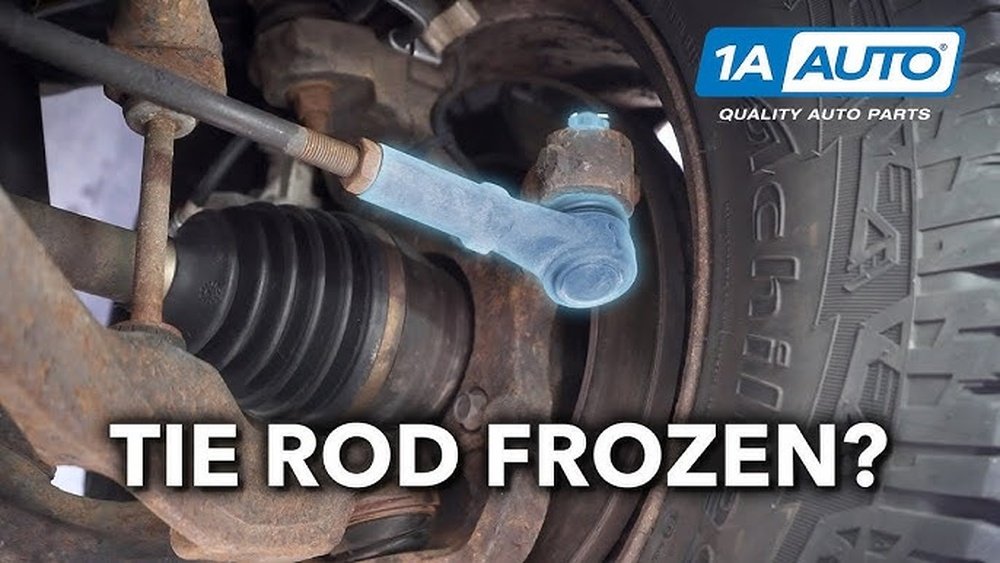
Tie rod ends are part of your steering linkage. They connect the steering rack to the steering knuckle, translating the steering wheel’s input into wheel movement. Like ball joints, they have a ball-and-socket design and are protected by a rubber boot. If this boot is damaged, the joint can dry out or become contaminated, leading to a squeaking noise as the metal surfaces rub together.
- Symptoms: Squeaking or grinding sounds during turns, especially at lower speeds. You might also experience a loose or sloppy steering feel, or the vehicle might pull to one side.
- Why it happens: Similar to ball joints, tie rod ends are exposed to road grime and impact. The internal lubrication can dry up, or the joint can wear out from constant use.
- Diagnosis: A mechanic will inspect the tie rod ends for torn boots and check for excessive play by trying to move the tie rod by hand.
3. Power Steering System Issues
The power steering system uses hydraulic fluid to make turning the steering wheel easier. If the power steering fluid is low, dirty, or if there’s a problem with the power steering pump or rack, it can cause noises. When the pump struggles to circulate fluid, or when air gets into the system, you might hear whining, groaning, or squeaking sounds, particularly when the steering wheel is turned to its limits.
- Symptoms: A whining or groaning noise that changes with engine RPM and steering wheel position. You might also feel increased resistance when turning the wheel, or the steering could feel jerky.
- Why it happens: Low fluid can be due to a leak. Dirty fluid can clog the system. A failing pump or a worn steering rack can also produce noises. Air in the system can occur after fluid changes or if there’s a leak.
- Diagnosis: Check the power steering fluid level and condition. If it’s low, look for leaks. A mechanic can test the power steering pump and steering rack for proper function.
4. Worn Or Damaged Control Arm Bushings
Control arm bushings are rubber or polyurethane components that isolate the control arms from the vehicle’s frame. They absorb vibrations and allow for controlled movement of the suspension. When these bushings wear out, crack, or become dry, they can cause friction and lead to squeaking or creaking noises, especially when the suspension is compressed or articulated during turns.
- Symptoms: Squeaking or groaning sounds that might be more noticeable over bumps or during turns. You might also feel a general looseness in the front end or notice changes in alignment.
- Why it happens: Age, exposure to road salt, and constant flexing of the suspension can degrade the bushings over time.
- Diagnosis: Visual inspection of the bushings for cracks, tears, or signs of wear. A mechanic can also check for excessive movement in the control arms.
5. Strut Mounts And Bearings
The struts are shock absorbers that are part of your suspension system. At the top of each strut is a strut mount, which often includes a bearing. This bearing allows the strut to rotate as you turn the steering wheel. If the strut bearing is worn out, dry, or damaged, it can create a binding or squeaking noise when you turn the wheel. The strut mount itself can also degrade and cause noise.
- Symptoms: A distinct squeak, groan, or popping sound that is directly tied to turning the steering wheel. The sound might be present even when the vehicle is stationary.
- Why it happens: The strut bearing endures significant stress from steering and road impacts. Over time, its lubrication can dry out, or the bearing itself can fail.
- Diagnosis: A mechanic can often replicate the sound by turning the steering wheel while listening to the top of the strut assembly. Checking for excessive play or binding in the strut mount is also part of the diagnosis.
6. Sway Bar Links And Bushings
The sway bar (or stabilizer bar) helps reduce body roll during turns. It connects to the suspension via sway bar links, which have small ball joints or bushings at each end. If these links or their bushings become worn or dry, they can squeak or rattle when the suspension articulates during a turn.
- Symptoms: Clunking or squeaking sounds, particularly noticeable when turning or going over uneven surfaces where the suspension is working.
- Why it happens: Constant movement and exposure to road debris can wear out the joints or bushings in the sway bar links.
- Diagnosis: Inspection of the sway bar links for looseness, wear, or damage to the bushings.
7. Loose Or Worn Steering Components
While less common for a consistent squeak, issues with other steering components like the steering rack itself, or even loose bolts in the steering column, could theoretically cause noises. However, these often present with more severe symptoms like clunking, grinding, or significant steering play.
Diagnosing The Squeak: A Step-by-step Approach
Pinpointing the exact source of a squeak can sometimes be tricky, as multiple components are involved in steering and suspension. Here’s a practical way to approach the diagnosis.
Step 1: Gather Information About The Noise
Before touching your Jeep, pay close attention to the squeak.
- When does it happen? Only when turning? At specific speeds? When stationary? Over bumps?
- What does it sound like? Is it a high-pitched squeak, a low groan, a creak, or a pop?
- Does it happen in both directions? Turning left vs. turning right.
- Does it change with speed? Does it get faster or louder as you turn the wheel more?
This information is invaluable for narrowing down the possibilities. For instance, a noise that only occurs when the vehicle is moving and turning suggests a suspension or steering linkage issue, while a noise at a standstill might point more towards the steering rack or strut mounts.
Step 2: Visual Inspection (safely!)
With the Jeep parked on a level surface, perform a careful visual inspection.
- Check Power Steering Fluid: Locate the power steering fluid reservoir. Is the fluid level correct? Is the fluid clean, or does it look dark and dirty? Low fluid is a common culprit for whining or groaning.
- Inspect Ball Joint and Tie Rod Boots: Look at the rubber boots covering the ball joints and tie rod ends. Are any torn, cracked, or leaking grease? Damaged boots are a clear sign of potential internal wear.
- Examine Bushings: Look at the rubber bushings on the control arms and sway bar links. Do they appear cracked, dry-rotted, or compressed?
- Check for Leaks: Look for any signs of fluid leaks around the steering rack or power steering pump.
Step 3: Test For Play (requires Caution And Sometimes A Helper)
This step involves gently trying to move suspension components. It’s best done with the vehicle safely supported on jack stands.
- Wiggle the Wheels: With the front of the Jeep securely on jack stands (engine off, parking brake engaged), try to grasp the front tires at the 12 o’clock and 6 o’clock positions and rock them. Any significant looseness or clunking could indicate worn ball joints or tie rod ends.
- Check Steering Components: Gently try to move the tie rods by hand. There should be very little play.
Step 4: Simulate The Condition (if Safe)
- Stationary Turning: While parked on a level surface (and ideally with the engine running to have power steering assist), slowly turn the steering wheel from lock to lock. Listen carefully for the squeak. If it occurs and is loudest near the top of the front suspension, it strongly suggests a strut mount or bearing issue. If it seems to come from further down, it could be ball joints or tie rods.
- Bounce Test: Push down firmly on each corner of the Jeep and release. Listen for any creaking or squeaking as the suspension compresses and rebounds. This can sometimes highlight worn bushings or ball joints.
Step 5: Professional Diagnosis
If you’re not comfortable performing these checks, or if the source of the noise remains elusive, it’s time to take your Jeep Liberty to a trusted mechanic. Provide them with all the details you gathered in Step 1.
They have specialized tools and experience to accurately diagnose suspension and steering issues.

Common Repairs And Maintenance
Once the source of the squeak is identified, the next step is repair. The cost and complexity vary depending on the part and labor involved.
Replacing Ball Joints And Tie Rod Ends
If ball joints or tie rod ends are found to be worn, they will need to be replaced. This is a critical safety repair.
The process involves unbolting the worn components and installing new ones. It’s often recommended to replace them in pairs (both left and right side) to ensure even wear and handling.
- Pro Tip: After replacing ball joints or tie rod ends, a wheel alignment is almost always necessary. This ensures your tires wear evenly and your Jeep drives straight.
Power Steering System Maintenance
If the issue is with the power steering:
- Fluid Flush: If the fluid is dirty, a power steering flush can sometimes resolve noise issues caused by contaminants. This involves replacing the old fluid with new fluid.
- Pump or Rack Replacement: If the power steering pump is failing or the steering rack is leaking or damaged, these components will need to be replaced. This can be a more expensive repair.
Replacing Strut Mounts And Bearings
Worn strut mounts or bearings require removing the strut assembly. The old mount and bearing are then replaced, and the assembly is put back together.
It’s usually recommended to replace strut components in pairs for consistent performance.
Control Arm And Sway Bar Link Replacement
Worn control arm bushings often mean replacing the entire control arm assembly, as the bushings are sometimes pressed in and difficult to replace separately. Similarly, worn sway bar links are typically replaced as complete units.
Understanding Jeep Liberty Specifics
The Jeep Liberty (KJ and KK models) has its own characteristics. While the general causes of squeaks are universal, some issues might be more prevalent on certain models.
For example, the independent front suspension (IFS) on some Liberty generations can be susceptible to wear in its various joints and bushings.
- KJ (2002-2007): This generation uses a solid front axle with some independent suspension elements. Ball joints and tie rod ends are common wear items.
- KK (2008-2012): This generation features a more conventional independent front suspension. Issues with control arm bushings, ball joints, and tie rod ends are frequent.
When researching parts or discussing issues with a mechanic, knowing your specific model year can be helpful.
When To Seek Professional Help
While some basic checks can be done by an owner, certain repairs are best left to professionals.
- Safety Concerns: If you suspect worn ball joints, tie rod ends, or any other critical steering component, do not delay getting it repaired. A failure in these parts can lead to a loss of steering control.
- Lack of Tools or Experience: Suspension and steering work often require specialized tools like ball joint separators, presses, and torque wrenches. If you don’t have them or are unsure about the procedure, it’s safer to let a professional handle it.
- Complex Diagnosis: If the squeak is intermittent or difficult to pinpoint, a mechanic’s expertise can save you time and money in the long run.
Preventative Maintenance Tips
While you can’t entirely prevent wear and tear, some maintenance can help prolong the life of your Jeep Liberty’s steering and suspension components.
- Regular Inspections: Have your suspension and steering components inspected during routine oil changes or tire rotations. Catching small issues early can prevent them from becoming big, expensive problems.
- Keep it Clean: While not always practical, rinsing off road salt and grime from the undercarriage, especially in winter, can help prevent corrosion and wear on rubber components.
- Proper Tire Inflation: Maintaining correct tire pressure helps reduce stress on the suspension components.
- Avoid Aggressive Driving: Hitting potholes, curbs, or driving aggressively puts extra strain on your steering and suspension.

Frequently Asked Questions
What Is The Most Common Cause Of A Squeak When Turning A Jeep Liberty?
The most frequent culprits are worn ball joints and worn tie rod ends. These components have ball-and-socket joints that can dry out or wear down over time, especially if their protective boots are damaged, leading to squeaking as they move during turns.