If you own a Jeep JKU (the four-door Wrangler Unlimited from 2007–2018), regular oil changes are crucial for engine health. Many Jeep drivers love the freedom of off-roading, but they sometimes forget basic maintenance.
An oil change is one of the easiest ways to keep your JKU running smoothly. Even beginners can do it at home with a few tools and some patience.
This guide covers everything you need to know, including step-by-step instructions, recommended oil types, helpful data, and answers to common questions.
Why Oil Changes Matter For Jeep Jku
The Jeep JKU’s 3.6L Pentastar V6 or 3.8L V6 engines are tough, but they rely on clean oil to avoid damage. Oil lubricates moving parts, reduces friction, and helps control engine temperature. If you skip oil changes, dirt builds up, causing wear and reducing performance.
Most experts recommend changing oil every 5,000 miles or every six months, whichever comes first. If you drive in dusty areas or tow heavy loads, change it sooner. Neglecting oil changes can lead to expensive repairs or engine failure.
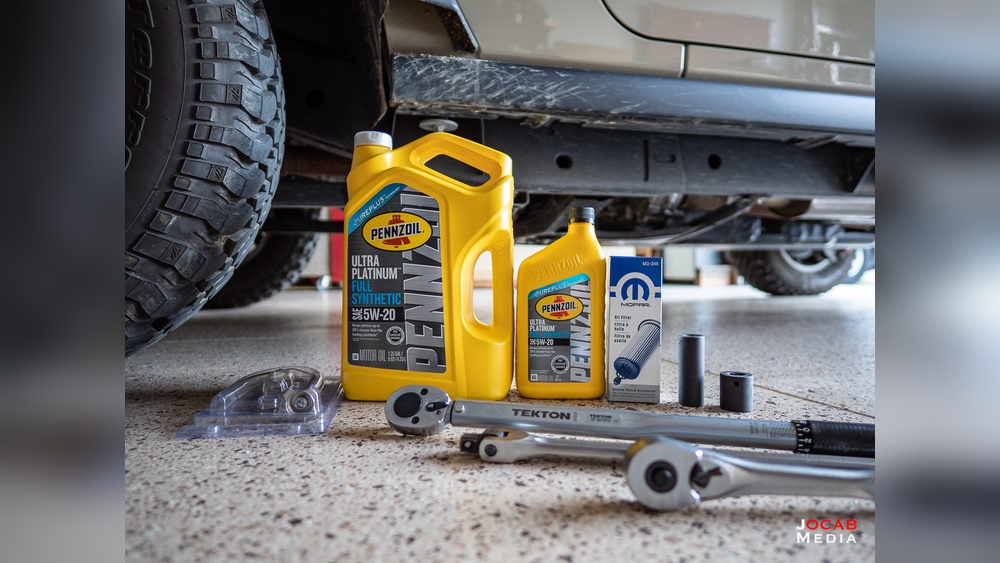
Choosing The Right Oil And Filter
Picking the correct oil and filter is important. Using the wrong type can harm your engine or void your warranty.
| Engine | Recommended Oil | Capacity | Filter Type |
|---|---|---|---|
| 3.6L Pentastar V6 | 5W-20 (Synthetic preferred) | 6 quarts | Cartridge |
| 3.8L V6 | 5W-20 | 6 quarts | Spin-on |
Many JKU owners choose synthetic oil because it lasts longer and protects better, especially in extreme temperatures. For the filter, brands like Mopar, Wix, or K&N are reliable.

Tools And Supplies Needed
Before you start, gather these items:
- 6 quarts of 5W-20 oil
- New oil filter
- Socket wrench (13mm for drain plug)
- Oil filter wrench
- Drain pan (at least 7 quarts)
- Funnel
- Gloves and rags
Some beginners forget the funnel, which prevents spills. Wearing gloves protects your hands from hot oil and chemicals.
Step-by-step Oil Change Guide
Follow these steps for a safe and effective oil change:
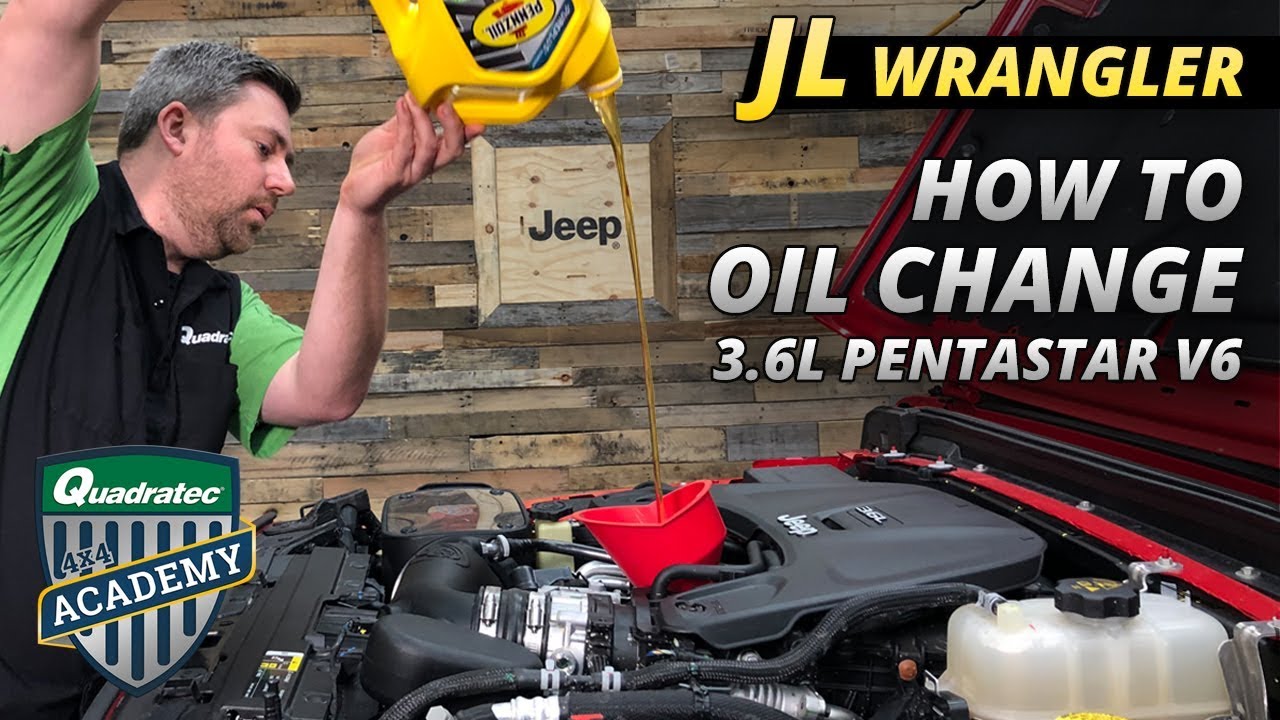
- Warm Up Engine: Run your Jeep for 5–10 minutes. Warm oil drains faster and carries more impurities.
- Lift Jeep (Optional): If ground clearance is low, use ramps or jack stands. Always use them safely.
- Remove Oil Filler Cap: This helps oil drain smoothly.
- Place Drain Pan: Position it under the oil pan.
- Loosen Drain Plug: Use the wrench to remove the plug. Let oil drain completely (about 5–10 minutes).
- Remove Old Filter: Use the filter wrench. Wipe the area clean.
- Install New Filter: For cartridge filters, follow the manual. For spin-on filters, apply a thin layer of oil to the rubber gasket.
- Replace Drain Plug: Tighten securely, but don’t over-tighten (usually 25 ft-lbs).
- Add New Oil: Use the funnel. Pour in the correct amount.
- Check Oil Level: Start the engine for 1–2 minutes, turn it off, wait 5 minutes, and check the dipstick. Add more if needed.
- Dispose of Old Oil: Take used oil to a recycling center. Never pour it down drains.
A common mistake is forgetting to check for leaks after finishing. Always inspect under the Jeep for drips before driving.

Oil Change Costs: Diy Vs Shop
Changing oil yourself can save money. Here’s a comparison:
| Method | Average Cost | Time Needed | Pros | Cons |
|---|---|---|---|---|
| DIY | $35–$60 | 45–60 minutes | Save money, learn skills | Needs tools, can get messy |
| Professional Shop | $70–$120 | 20–30 minutes | Quick, no cleanup | Costs more, less control |
Shops sometimes upsell extra services. If you’re unsure about doing it yourself, watching tutorial videos can help.
Oil Change Interval And Driving Habits
How often should you change oil? It depends on your driving style.
| Driving Type | Recommended Interval | Reason |
|---|---|---|
| Normal | 5,000 miles | Standard use |
| Severe | 3,000 miles | Off-road, towing, short trips |
| Synthetic Oil | 7,500 miles | Extended protection |
Changing oil more often is better than waiting too long, especially if you drive in hot climates or dusty conditions.
Extra Tips For A Smooth Oil Change
- Always check the manual for your JKU’s engine type.
- Record your oil change date and mileage.
- Use quality oil filters, not cheap ones.
- Check the oil level again after a few days.
- Don’t overtighten the oil filter or drain plug.
- Keep extra rags nearby for cleaning spills.
Many new owners miss the importance of resetting the oil life indicator after changing oil. This helps track the next service and avoids dashboard warnings.
If you want more detailed specs or maintenance advice, visit the official Jeep Owner’s Care page.
Frequently Asked Questions
How Do I Know If My Jeep Jku Needs An Oil Change?
Look for signs like dirty oil on the dipstick, engine noise, or dashboard warning lights. If you’re near 5,000 miles since the last change, it’s time.
What Happens If I Use The Wrong Oil?
Using the wrong viscosity or type can cause engine damage and reduce performance. Always check your owner’s manual for the right oil.
Can I Use Synthetic Oil In My Jku?
Yes, synthetic oil is safe and often recommended for better protection. It also lets you go longer between changes.
How Do I Dispose Of Used Oil?
Take used oil and filters to an auto parts store or recycling center. They often accept it for free. Never dump oil in the trash or down drains.
Is It Normal For The Oil To Look Dark After Changing?
Fresh oil starts clear, but turns darker as it lubricates the engine. If it’s black quickly, your engine may need cleaning or you may have skipped a change.
Changing your Jeep JKU’s oil doesn’t have to be hard. With the right supplies, clear steps, and a little patience, you can keep your engine healthy for years.
Doing it yourself saves money and gives you confidence for future maintenance.
Remember, regular oil changes are the best way to protect your Jeep and enjoy worry-free adventures.