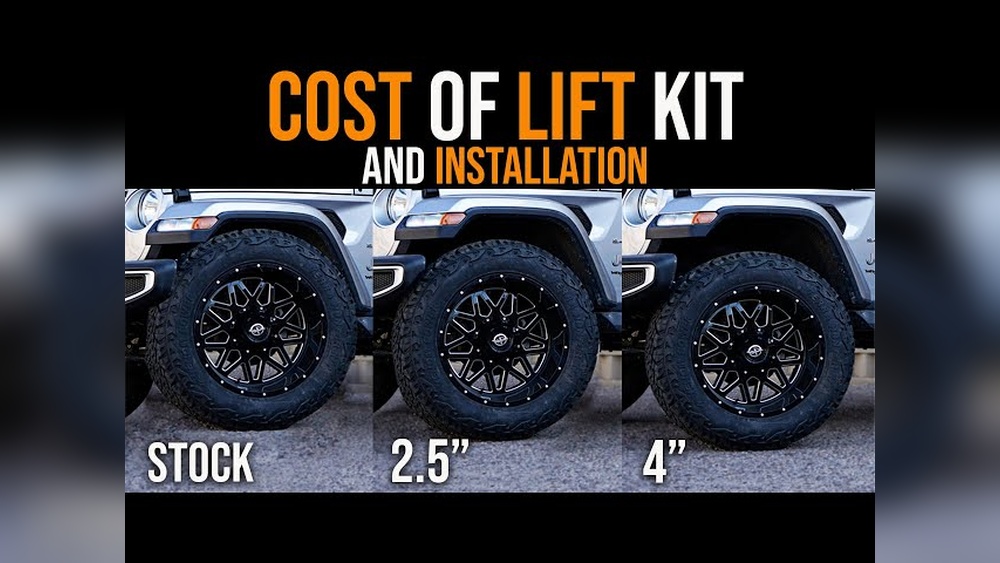
The decision to install wheel spacers on a Jeep JK is often driven by a desire for a more aggressive stance, improved tire clearance, or the ability to fit larger tires. While these benefits are attractive, understanding the "before and after" effects is crucial for making an informed choice.
Wheel spacers are essentially metal rings that bolt between your Jeep's hub and the wheel, pushing the wheel and tire further out from the vehicle's body. This seemingly simple modification can have significant impacts on your Jeep's handling, suspension, and overall performance, both on and off-road.
This article will explore these changes in detail, helping you understand what to expect when you decide to widen your Jeep JK's track width.
Understanding Wheel Spacers: The Basics
Before diving into the “before and after,” it’s essential to grasp what wheel spacers are and how they function. They are typically made from aluminum or steel and come in various thicknesses, usually ranging from 1 to 2 inches. The primary purpose is to increase the offset of your wheels. Wheel offset refers to how the wheel is mounted to the hub assembly. A positive offset means the mounting surface is closer to the outside of the wheel, while a negative offset means it’s closer to the inside. Adding a spacer effectively changes the wheel’s position, making it appear as if you have a more negative offset.
The installation process involves removing your wheels, bolting the spacers to the Jeep’s existing wheel studs using provided hardware, and then mounting your wheels onto the spacers. It’s critical to use high-quality spacers from reputable manufacturers, as cheap or poorly made spacers can lead to serious safety issues. The quality of the materials and the precision of the machining are paramount.
The “before”: Your Stock Jeep Jk
A stock Jeep JK typically comes with wheels that are relatively tucked in towards the body. This design is a balance between various factors, including aerodynamics, fuel efficiency, and clearance for suspension components.
The factory wheel offset provides adequate space for the tires to turn without rubbing against the fenders or suspension arms during normal driving conditions.
On the road, a stock JK offers a predictable and stable ride. The narrow track width contributes to a lower center of gravity, which can be beneficial in preventing rollovers.
Off-road, the stock setup is capable but can be limited by tire size.
Without modifications, fitting larger tires often leads to rubbing issues, especially when the suspension is articulated (flexed). This rubbing can occur on the fenders, control arms, or sway bar links, limiting your off-road capabilities and potentially damaging your tires.
The “after”: The Visual Transformation With Wheel Spacers
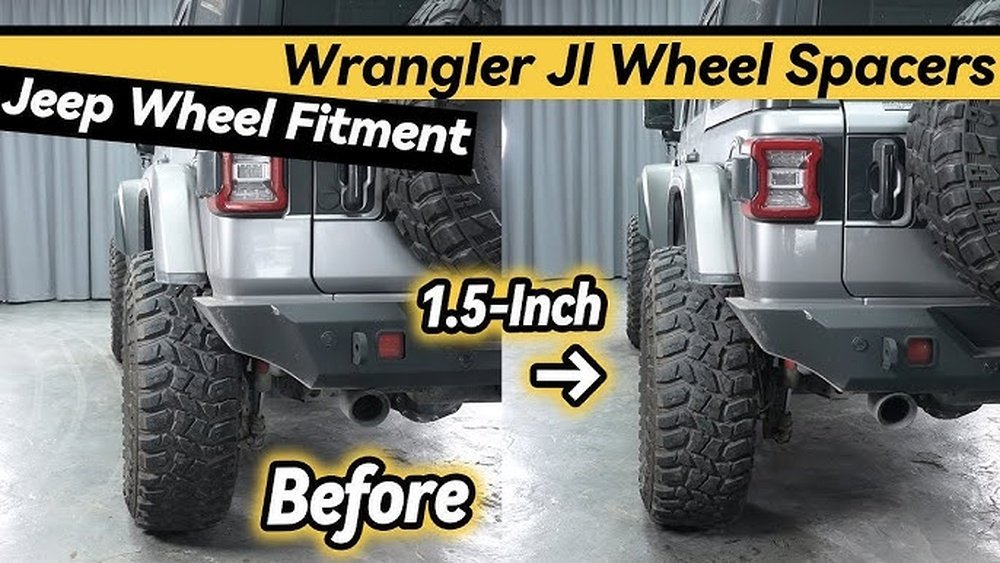
One of the most immediate and noticeable changes after installing wheel spacers is the visual enhancement. The Jeep JK takes on a more aggressive, wider stance. The wheels are pushed outwards, filling the wheel wells more effectively and giving the vehicle a more planted and muscular appearance. This is often the primary motivation for many Jeep owners.
This widened track width significantly reduces the "tucked-in" look of stock wheels. It creates a more imposing presence on the road and can make the Jeep look ready for adventure even when parked.
The visual impact alone is substantial and is a key reason why wheel spacers are a popular modification.
Impact On Tire Clearance And Fitment
The most significant functional benefit of wheel spacers is the increased tire clearance. By pushing the wheel outwards, spacers create more room between the tire and the Jeep’s suspension components, such as control arms and steering knuckles. This additional space is crucial for:
- Fitting Larger Tires: This is a primary driver for many Jeep owners. With spacers, you can often fit larger diameter tires (e.g., moving from 33-inch to 35-inch tires) without the tire rubbing against the suspension parts during turns or articulation. This offers improved ground clearance and better traction off-road.
- Reducing Fender Rubbing: Even with tires that might otherwise fit, spacers can help prevent rubbing against the fenders, particularly the plastic fender flares, during suspension compression or when turning sharply.
- Allowing for Wider Wheels: If you’re considering wider aftermarket wheels, spacers can help ensure they don’t interfere with the Jeep’s suspension geometry.
Pro Tip: While spacers help fit larger tires, they don’t eliminate the need for other modifications like fender trimming or lift kits, especially for significantly larger tire sizes. Always research the specific tire size you want to fit and the associated modifications required.

Handling And Driving Dynamics: The Trade-offs
The change in track width brought about by wheel spacers has a direct impact on your Jeep JK’s handling characteristics.
Improved Stability (in Some Aspects)
A wider track width generally increases lateral stability. This means the Jeep may feel more planted and less prone to body roll when cornering at moderate speeds. The wider stance can inspire more confidence when navigating winding roads. The increased distance between the wheels helps resist tipping forces.
Increased Steering Effort And Potential For Bump Steer
Pushing the wheels further out can increase the leverage acting on the steering system. This can result in slightly heavier steering, especially at low speeds. More importantly, it can exacerbate bump steer. Bump steer occurs when a bump in the road causes the steering wheel to turn involuntarily. While Jeeps are known for some degree of bump steer, spacers can make it more pronounced, especially if combined with other suspension modifications.
Tire Wear And Alignment
Wheel spacers can affect tire wear patterns. Because the wheels are moved outwards, the scrub radius of the steering system changes. This can lead to uneven tire wear if not properly accounted for. It’s essential to get a wheel alignment after installing spacers to ensure optimal tire wear and handling. Some mechanics may recommend specific alignment settings for Jeeps with widened track widths.
Stress On Wheel Bearings And Hubs
This is a critical consideration. Wheel spacers increase the leverage placed on your Jeep’s wheel bearings and hub assemblies. The original components are designed for the factory wheel offset. By pushing the wheel further out, you are essentially creating a longer lever arm, which puts more stress on these parts. Over time, this increased stress can potentially lead to premature wear or failure of wheel bearings and hubs, especially if you engage in aggressive off-roading or use very wide tires.
Handling Off-road
On the trail, the wider stance can be beneficial. It can provide a more stable platform when traversing uneven terrain. The increased clearance allows for better articulation without tire rub, meaning your suspension can work more effectively. However, the increased width also means your Jeep will occupy more space, making it more susceptible to pinching between obstacles like trees or rocks. You’ll need to be more mindful of your vehicle’s dimensions when maneuvering in tight trails.
Installation Considerations And Safety
The “before and after” of wheel spacers is heavily influenced by the quality of the installation and the components used.
Choosing The Right Spacers
- Material: Forged aluminum is generally preferred for its strength and lighter weight compared to cast aluminum or steel.
- Thickness: Choose a thickness that achieves your desired look and clearance without causing excessive stress on your vehicle’s components. 1.5 inches is a common and often safe choice for many JK owners. Thicker spacers (2 inches or more) can put more significant stress on the hubs.
- Hub-Centric vs. Lug-Centric: Hub-centric spacers are designed to center on the Jeep’s hub, providing a more secure fit and reducing vibration. Lug-centric spacers rely solely on the lug nuts for centering. Hub-centric is generally preferred for Jeeps.
- Bolt-On vs. Universal: Bolt-on spacers attach to your Jeep’s studs and have their own studs for the wheel. Universal spacers simply go between the wheel and the hub, relying on your vehicle’s studs passing through. Bolt-on is generally considered safer.
Proper Installation Is Key
- Clean Surfaces: Ensure the mounting surfaces on both the Jeep’s hub and the spacer are clean and free of rust or debris.
- Torque Specifications: Follow the manufacturer’s torque specifications precisely for both the spacer-to-hub bolts and the wheel-to-spacer bolts. Use a torque wrench.
- Thread Locker: For the bolts securing the spacer to the hub, using a medium-strength thread locker (like blue Loctite) is recommended to prevent them from vibrating loose.
- Check Lug Nut Torque: Regularly re-check the torque on your lug nuts after installation, especially after the first 50-100 miles. This is crucial for safety.
Warning: Improper installation, using low-quality spacers, or exceeding recommended thicknesses can lead to severe consequences, including wheels detaching from the vehicle, loss of control, and serious accidents. If you are not comfortable with mechanical work, have a professional install them.

Performance Metrics: A Comparative Look
To illustrate the changes, let’s consider some typical scenarios.
| Feature | Stock Jeep JK | Jeep JK with 1.5″ Wheel Spacers (approx.) |
|---|---|---|
| **Track Width** | ~61.9 inches | ~64.9 inches |
| **Tire Clearance** | Limited, prone to rubbing with larger tires | Increased, better clearance for suspension |
| **Visual Stance** | Tucked-in, less aggressive | Wider, more aggressive, filled wheel wells |
| **Cornering Stability** | Good | Slightly improved lateral stability |
| **Steering Effort** | Standard | Slightly increased, especially at low speed |
| **Bump Steer** | Present | Potentially more pronounced |
| **Stress on Hubs/Bearings** | Standard | Increased |
| **Off-Road Clearance** | Adequate for stock tires | Better for larger tires, articulation |
| **Off-Road Maneuverability** | Good | Reduced due to wider profile |
This table provides a general overview. Actual figures can vary based on tire size, wheel offset, suspension modifications, and the specific spacers used.
Frequently Asked Questions

What Is The Most Common Wheel Spacer Size For A Jeep Jk?
The most common and often recommended size for a Jeep JK is 1.5 inches. This size provides a noticeable visual improvement and increased clearance for slightly larger tires (like 33-inch or 35-inch) without placing excessive stress on the wheel bearings and hubs. Thicker spacers, such as 2 inches or more, can increase the risk of component wear and may require additional modifications to maintain proper steering geometry.
Can Wheel Spacers Cause Vibrations?
Yes, wheel spacers can cause vibrations if they are not installed correctly or if they are of poor quality. Vibrations can stem from several issues:
- Improper Seating: If the spacer doesn’t sit perfectly flush against the hub or if the wheel doesn’t sit flush against the spacer, it can cause an imbalance.
- Warped Spacers: Low-quality spacers might be warped, leading to wobbling.
- Uneven Torque: If the lug nuts or spacer bolts are not torqued evenly, it can create an imbalance.
- Wheel Balance: The wheel and tire assembly itself might be out of balance, and the spacer can sometimes make this more noticeable.
Regularly checking torque and ensuring clean mounting surfaces are crucial to minimize vibration risks.
Do Wheel Spacers Affect My Jeep’s Suspension?
Wheel spacers do not directly alter the suspension components themselves, but they indirectly affect suspension performance and stress. By pushing the wheel outwards, they change the leverage on the wheel bearings and hubs, increasing wear. They can also alter the scrub radius, which affects how the suspension reacts to bumps and steering inputs, potentially leading to increased bump steer. While they improve tire clearance for suspension articulation, the added stress on the hub assembly is a significant indirect effect.
How Often Should I Check My Wheel Spacers And Lug Nuts?
It is highly recommended to check the torque of your lug nuts and the bolts securing the wheel spacers after the first 50-100 miles of driving. After that initial check, you should inspect them periodically, such as during regular tire rotations or every oil change. Look for any signs of loosening, damage, or wear. Consistent maintenance is key to ensuring the safety of this modification.
Are Wheel Spacers Legal?
The legality of wheel spacers varies by state and country. In some regions, there may be regulations limiting how much a vehicle's track width can be increased.
It is your responsibility to research and comply with local laws regarding vehicle modifications.
Some jurisdictions may consider excessively wide track widths a safety hazard or a reason for failing a vehicle inspection.
In conclusion, installing wheel spacers on your Jeep JK offers a compelling visual upgrade and practical benefits in terms of tire clearance. The “before” shows a vehicle with a narrower, more conventional stance, while the “after” presents a wider, more aggressive profile that allows for larger tires and a more planted appearance. However, these benefits come with trade-offs. You can expect a slight increase in steering effort, potentially more pronounced bump steer, and crucially, increased stress on your Jeep’s wheel bearings and hubs. The key to a successful and safe installation lies in choosing high-quality components and ensuring meticulous installation with regular checks. By understanding both the advantages and disadvantages, you can make an informed decision about whether wheel spacers are the right modification for your Jeep JK.