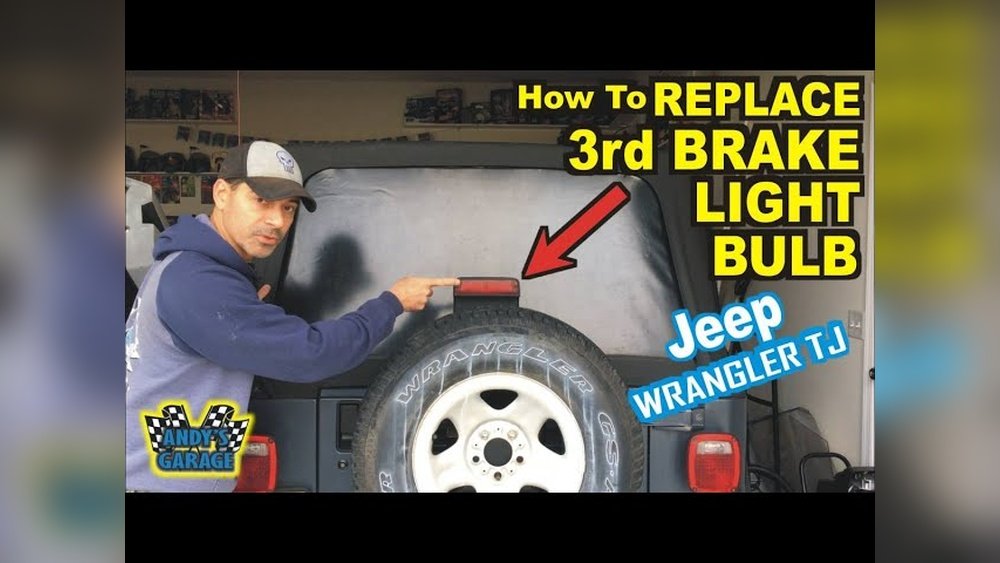
When you start researching the Jeep Wrangler, you often see two main model codes: JK and JKU. At first glance, they look similar. Both belong to the third-generation Wrangler, made from 2007 to 2018. But for buyers, off-road fans, or anyone curious about Jeeps, understanding their key differences is important. Choosing the right one can mean the difference between daily comfort and true adventure.
What Do Jk And Jku Mean?
The code JK is Jeep’s label for the standard third-generation Wrangler. The JKU, on the other hand, means “JK Unlimited.” Unlimited is Jeep’s way of saying the vehicle has four doors instead of two. This simple difference changes more than just the look—it affects space, comfort, and even off-road performance.
Size And Body Style Differences
The most obvious difference is the number of doors. The JK has two doors, while the JKU has four. But that’s just the start.

| Feature | JK (2-door) | JKU (4-door) |
|---|---|---|
| Doors | 2 | 4 |
| Overall Length | ~164.3 inches | ~184.4 inches |
| Wheelbase | ~95.4 inches | ~116 inches |
| Rear Seat Room | Limited | Spacious |
| Cargo Space | ~12.8 cu ft | ~31.5 cu ft |
The JKU’s longer wheelbase (the space between the front and rear wheels) makes it about 20 inches longer overall. This results in much more rear seat space and cargo room. For families or people who carry a lot of gear, the JKU is often the better choice.
Performance And Handling
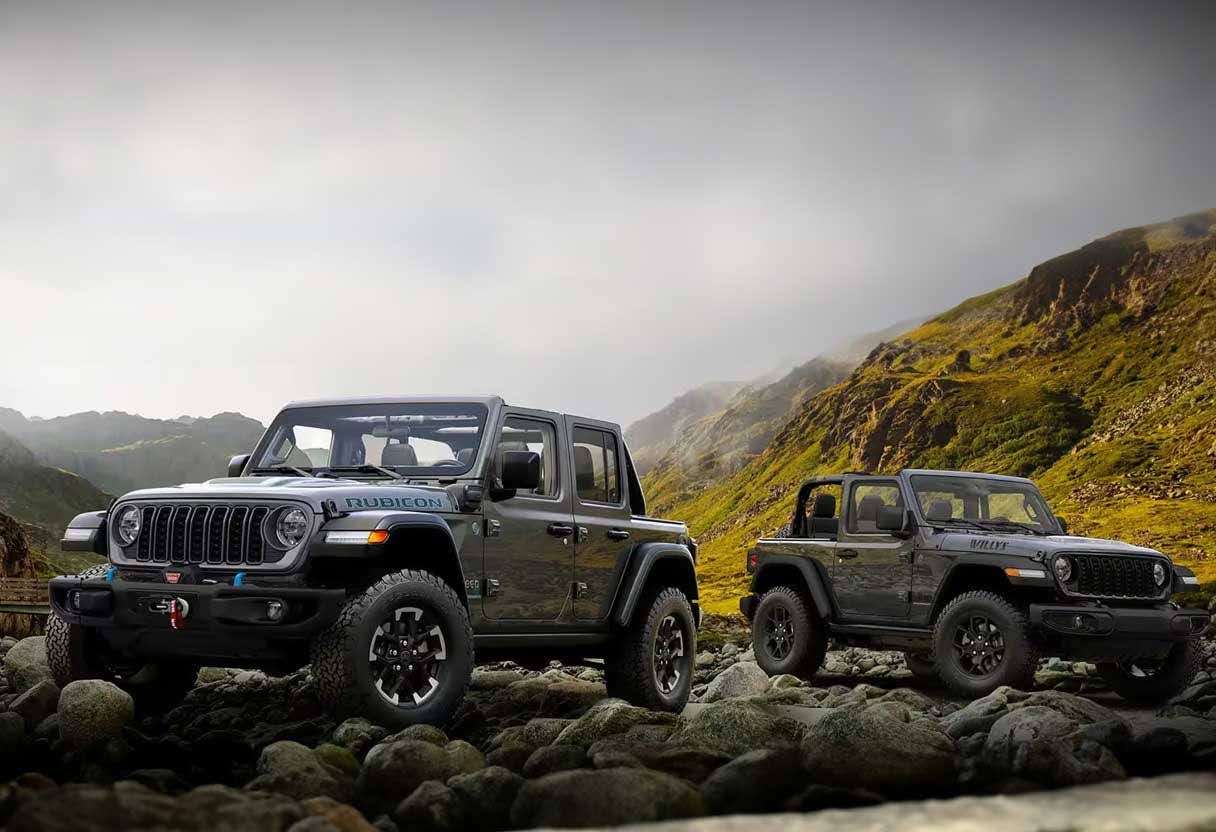
While both versions use the same engines and 4×4 systems, the extra size of the JKU impacts how it drives.
| Aspect | JK | JKU |
|---|---|---|
| Turning Radius | Smaller (easier in tight spots) | Larger (needs more space) |
| Weight | ~3,760 lbs | ~4,100 lbs |
| Off-Road Approach Angle | Higher | Lower |
| Towing Capacity | 2,000 lbs | 3,500 lbs |
The JK’s smaller size and lighter weight help it maneuver better off-road, especially on narrow trails. Its approach and departure angles are steeper, making it easier to climb or descend sharp obstacles. The JKU, being heavier and longer, is less nimble but can tow more.
Passenger And Cargo Capacity
The JKU’s four doors make a big difference for families or groups. The rear seats are much easier to access, and three adults can sit in the back with decent comfort. In the JK, getting into the back is harder, and space is tighter.
Cargo space is another major difference:
- JK: About 12.8 cubic feet behind the rear seats. This is enough for a couple of bags but not much more.
- JKU: About 31.5 cubic feet. Fold the rear seats down, and you get over 70 cubic feet.
If you plan to haul camping gear, pets, or sports equipment, the JKU makes life much easier.
Cost And Market Value
When new, the JKU usually cost a few thousand dollars more than the JK. Used prices follow the same trend. The JKU’s added versatility keeps its value high, especially in markets where four doors are in demand.
Here’s a quick look at typical used prices (as of early 2024):
| Model Year | JK (2-door) | JKU (4-door) |
|---|---|---|
| 2012 | $15,000–$20,000 | $18,000–$24,000 |
| 2016 | $20,000–$26,000 | $23,000–$30,000 |
| 2018 | $25,000–$32,000 | $28,000–$36,000 |
These values depend on condition, mileage, and features. The JKU’s price premium is often worth it if you need the space.
Off-roading Differences
Both JK and JKU are great off-roaders, but there are some key points to consider:
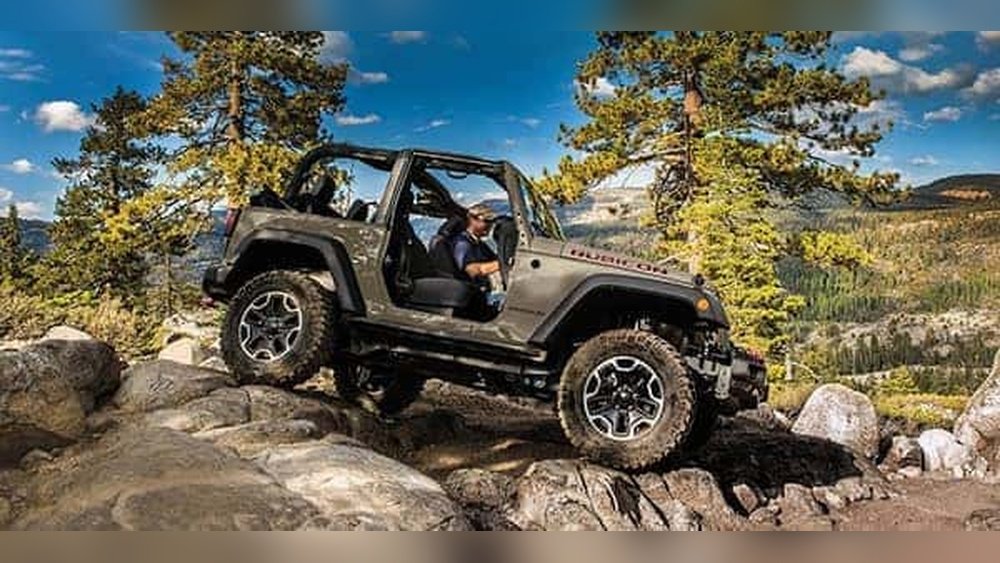
- JK is better on tight trails and rocky areas where a short wheelbase helps.
- JKU can feel more stable on steep hills but may “bottom out” (scrape its underside) on sharp bumps because of its longer wheelbase.
- Many serious off-roaders prefer the JK for extreme trails. But the JKU’s extra space is valuable for long trips or when carrying lots of gear.
A common mistake: Beginners often think longer means better. But for off-roading, a shorter wheelbase can actually help you clear obstacles more easily.
Unique Features And Options
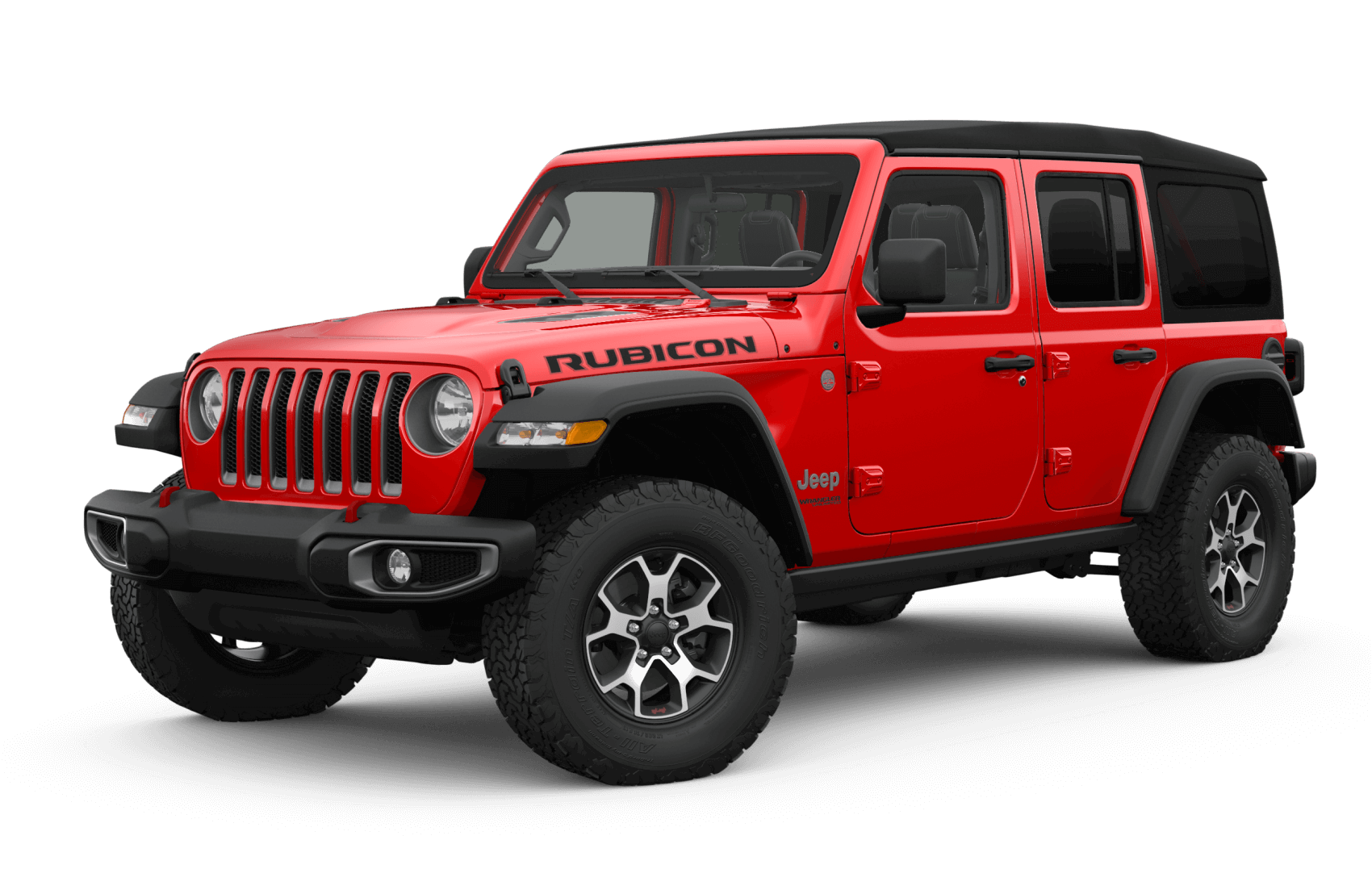
Both models come with the same engines (first a 3.8L V6, then a 3.6L Pentastar V6 from 2012 onward), similar trim levels, and the classic removable roof and doors. However, the JKU sometimes offers special trims and packages not available on the JK, such as the Sahara 4-door and some special editions.
A subtle but important difference: The JKU’s extra weight means it uses slightly more fuel, especially in city driving.
Which Should You Choose?
If you want a classic Jeep look, easier parking, and tight off-road handling, the JK is a strong choice. If you need more space for family, pets, or gear, or plan to use your Jeep as a daily driver, the JKU’s extra doors and cargo room are hard to beat.
For those planning lots of modifications, the JK’s lighter body may be a better starting point. The JKU, however, is more popular for overlanding (long-distance off-road trips) because of its capacity.

Frequently Asked Questions
What Does “jk” And “jku” Stand For?
JK is Jeep’s internal code for the third-generation Wrangler (2007–2018). JKU means “JK Unlimited,” which is the four-door version.
Is The Jku Better For Families?
Yes, the JKU is much better for families. It has four doors, more rear seat space, and bigger cargo area, making it easier for passengers and daily use.
Which Is Better For Serious Off-roading: Jk Or Jku?
The JK is usually better for extreme off-roading due to its shorter wheelbase and lighter weight. It’s easier to maneuver on tight, technical trails.
Do Both Jk And Jku Have The Same Engines?
Yes, both started with a 3.8L V6 and switched to a 3.6L V6 Pentastar in 2012. Both offer similar power and reliability.
Where Can I Find More Technical Details On Jeep Wrangler Models?
For deep technical specs, visit the official Jeep Wrangler Wikipedia page. It covers all model years, engines, and features.
Whether you choose the JK or JKU, both offer the iconic Jeep experience. By understanding these key differences, you can pick the Wrangler that fits your adventures and daily life.