Changing the transmission oil in your Jeep JK is one of the smartest ways to extend the life of your vehicle. Many Jeep owners focus on engine oil but forget about the transmission, which is just as important. Regular transmission oil changes keep your ride smooth, protect internal parts, and help avoid expensive repairs. If you drive your JK off-road or tow heavy loads, the oil breaks down even faster. The good news? You can do this maintenance at home with basic tools and some know-how.
Why Transmission Oil Change Matters For Jeep Jk
The transmission oil lubricates gears, keeps things cool, and removes metal particles. Over time, the oil gets dirty and loses its ability to protect the transmission. For Jeep JKs, especially those from 2007-2018, neglecting this can mean:
- Rough shifting or delayed gear response
- Increased risk of overheating
- Early wear of expensive parts
- Risk of transmission failure
Jeep recommends changing the transmission oil every 30,000 to 60,000 miles, but if you drive in harsh conditions, more frequent changes are smart. Many new owners miss this and face costly repairs down the road.
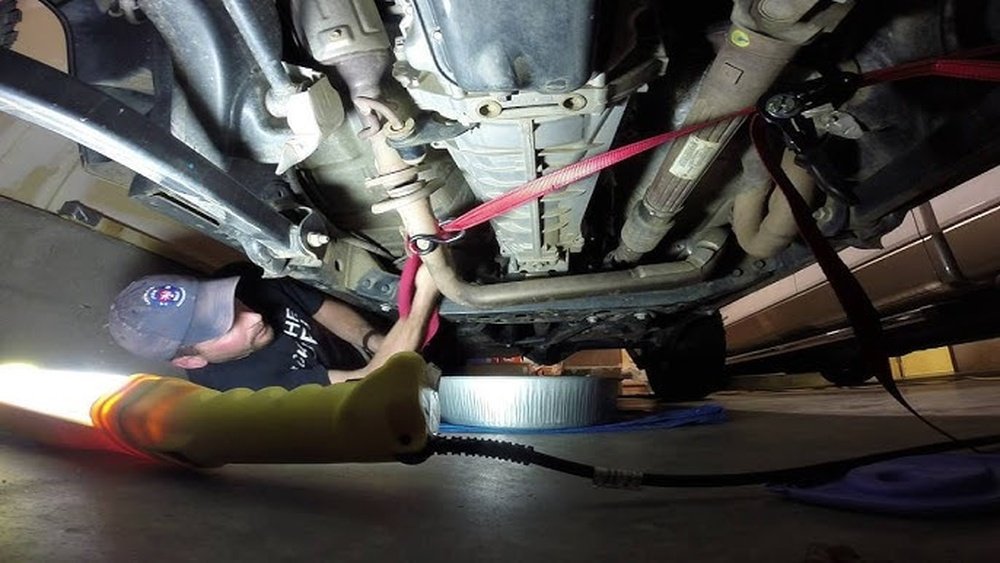
Tools And Supplies You’ll Need
Preparation makes the job easier and cleaner. Here’s what you’ll need:
- Transmission fluid (check your owner’s manual for the correct type; usually ATF+4 for automatics)
- Drain pan (minimum 6-quart capacity)
- Socket set and ratchet
- Funnel
- Fluid pump (for easier fill access)
- New transmission pan gasket (optional but recommended)
- Clean rags or shop towels
- Safety gloves and glasses
- Jack and jack stands, or ramps
For manual transmissions, fluid type and quantities are different. Always double-check what fits your specific JK year and transmission.

Step-by-step Guide: Jeep Jk Transmission Oil Change
Changing the transmission oil isn’t complicated, but attention to detail is key. Here’s how to do it:
1. Warm Up The Vehicle
Start the engine and let it run for 5-10 minutes. Warm oil flows out more completely. Shift through all gears, especially if you have an automatic.
2. Secure And Lift The Jeep
Park on level ground. Use a jack and jack stands or ramps to raise the front end safely. Never crawl under a car only supported by a jack.
3. Drain The Old Transmission Fluid
Locate the transmission pan. Place your drain pan underneath and carefully remove the drain plug (if equipped). If not, loosen all but one bolt, then gently pry the pan to drain the oil. Some fluid may splash, so keep rags nearby.
4. Remove And Clean The Pan
Once drained, remove the pan completely. Wipe it clean, paying attention to any metal shavings in the pan or on the magnet. A small amount of fine metal is normal, but chunks mean trouble.
5. Replace The Filter And Gasket
Not all Jeep JK transmissions use a separate filter, but if yours does, remove the old one and install a new filter. Always use a fresh gasket to prevent leaks.
6. Reinstall The Pan
Position the pan back in place and hand-tighten bolts in a crisscross pattern. Torque bolts to factory specs (usually 8-10 ft-lbs). Over-tightening can crack the pan or cause leaks.
7. Add New Transmission Fluid
Insert a clean funnel into the fill tube or port. Pour in new fluid gradually, checking the owner’s manual for the exact amount (typically 4-6 quarts for automatics). Do not overfill.
8. Check Fluid Level And Leaks
Start the engine and shift through all gears. With the engine running, check the fluid level using the dipstick. Add more if needed. Inspect underneath for leaks.
9. Dispose Of Old Fluid Properly
Used transmission oil is toxic. Take it to a recycling center or auto parts store that accepts used fluids.
Automatic Vs Manual: Fluid Type And Capacity
Jeep JK models come with both automatic and manual transmissions. Here’s a quick comparison:
| Transmission Type | Fluid Type | Capacity (Quarts) |
|---|---|---|
| Automatic (42RLE, 5-Speed) | ATF+4 | 4–6 |
| Manual (NSG370, 6-Speed) | Synchromesh or 75W-85 | 2–3 |
Always verify your year and model, as some JKs may have slight variations.

Common Mistakes To Avoid
Many first-timers make errors that can cause problems later. Watch out for these:
- Using the wrong fluid: This can damage the transmission quickly.
- Overfilling or underfilling: Both can lead to harsh shifting or fluid foaming.
- Not replacing the gasket: Old gaskets often leak.
- Ignoring leaks or drips after finishing the job.
- Forgetting to check fluid level after the engine runs.
If you notice slipping gears or odd noises after changing fluid, stop driving and check your work.
Transmission Fluid Change: Time, Cost, And Difficulty
Here’s a practical overview to help you plan:
| Factor | DIY | Shop Service |
|---|---|---|
| Time Needed | 1–2 hours | 1 hour |
| Average Cost | $40–$80 | $150–$250 |
| Difficulty | Moderate | Easy |
Most Jeep JK owners with basic tools can handle this job. However, if you’re not comfortable, a professional mechanic is a safe bet.
Signs You Need A Transmission Oil Change
Sometimes your Jeep tells you it’s time for fresh transmission oil. Watch for:
- Burnt smell or dark fluid on the dipstick
- Delayed or rough gear changes
- Transmission slipping
- Unusual noises during shifting
These signs mean you should not wait for the scheduled interval.
Extra Tips For A Trouble-free Change
- Always use a fluid pump for hard-to-reach fill ports.
- Warm up the fluid before draining for a more complete change.
- Replace the pan bolts if they show signs of rust or wear.
- Write down the mileage and date after each change to track maintenance.
One detail many beginners miss: some Jeep JKs have a transmission cooler. If yours does, consider flushing the lines as well for maximum performance.
For more technical details and specifications, check the official Jeep Owner’s Site.
Frequently Asked Questions
How Often Should I Change My Jeep Jk Transmission Oil?
Most experts recommend every 30,000 to 60,000 miles, but if you tow, off-road, or drive in hot climates, every 30,000 miles is safer.
Can I Use Any Atf Fluid In My Jeep Jk?
No. Always use ATF+4 for automatics unless your manual says otherwise. Using the wrong type risks damage.
What Are The Signs Of Low Transmission Fluid In A Jeep Jk?
Common symptoms include slipping gears, delayed shifting, and a noticeable burnt smell from the fluid.
Is It Necessary To Replace The Transmission Filter Every Time?
If your Jeep JK has a replaceable filter, change it with each fluid service. Some newer JK models use a lifetime filter, but replacing it is still a good idea for older vehicles.
Can Changing The Transmission Fluid Fix Shifting Problems?
Fresh fluid can help with minor shifting issues if the problem is due to old, dirty oil. However, if symptoms persist, have a mechanic inspect your transmission for deeper problems.
Taking care of your Jeep JK transmission oil is a smart investment. Regular changes keep your Jeep running strong on and off the road, and prevent big headaches later. With the right tools and attention to detail, most owners can do this at home and save money.