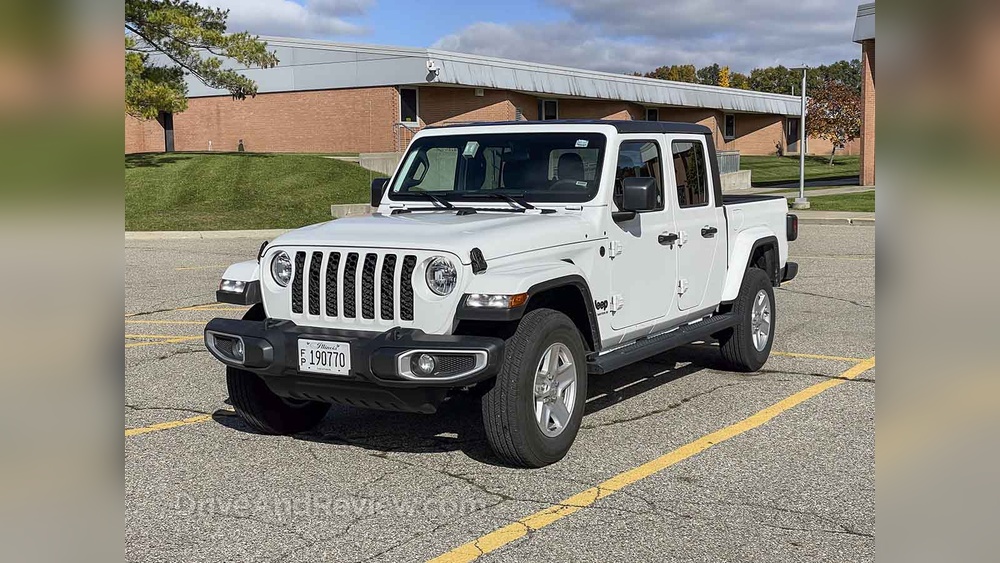
The Jeep JK is a popular off-road vehicle known for its ruggedness and customization options. If you own a Jeep JK or plan to modify one, understanding its suspension system is key.
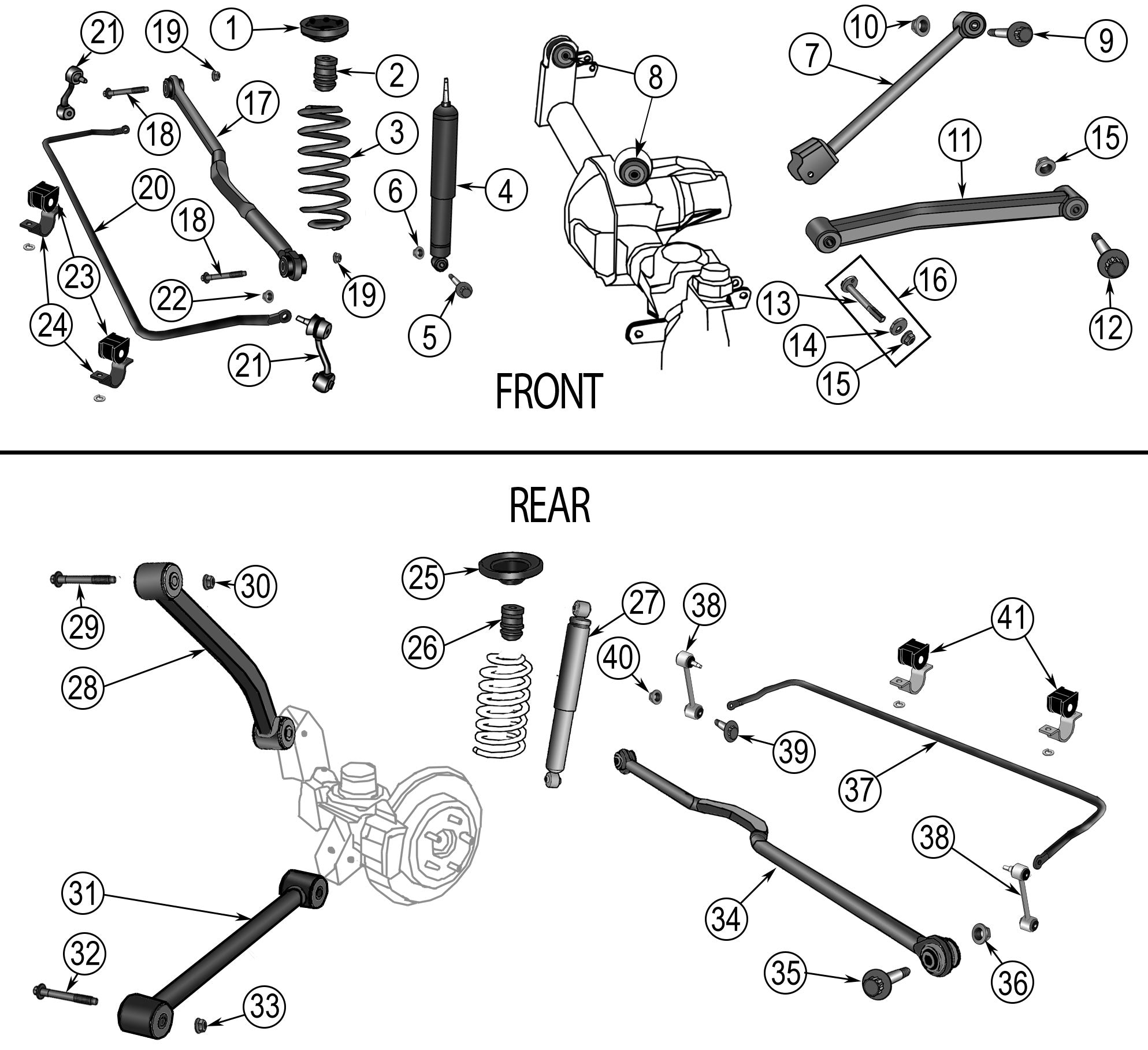
The suspension directly affects how your Jeep handles, rides, and performs on and off-road. A clear look at the Jeep JK suspension diagram will help you see how each part works together, making upgrades or repairs much easier—even if you are not a suspension expert.
The Basics Of Jeep Jk Suspension
The Jeep JK, produced from 2007 to 2018, uses a solid axle suspension system, both front and rear. This design makes the vehicle tough and easy to lift, which is important for off-road adventures. The main components in the suspension are:
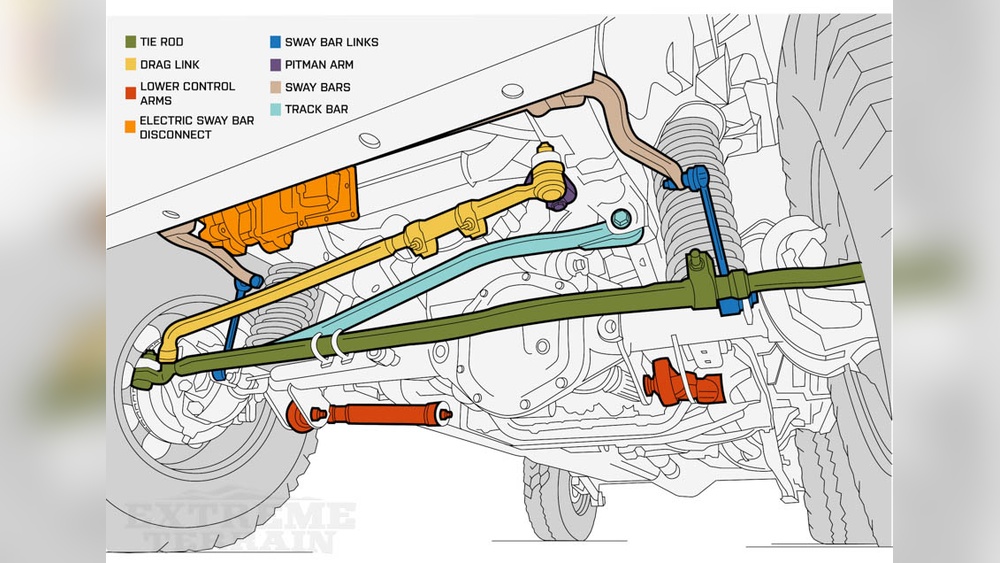
- Coil springs
- Shock absorbers
- Control arms
- Track bars
- Sway bars
Each part has a specific role. The coil springs and shock absorbers handle bumps and keep your ride comfortable. Control arms hold the axles in place. Track bars center the axles, and sway bars reduce body roll.
Visual Guide: Jeep Jk Suspension Diagram
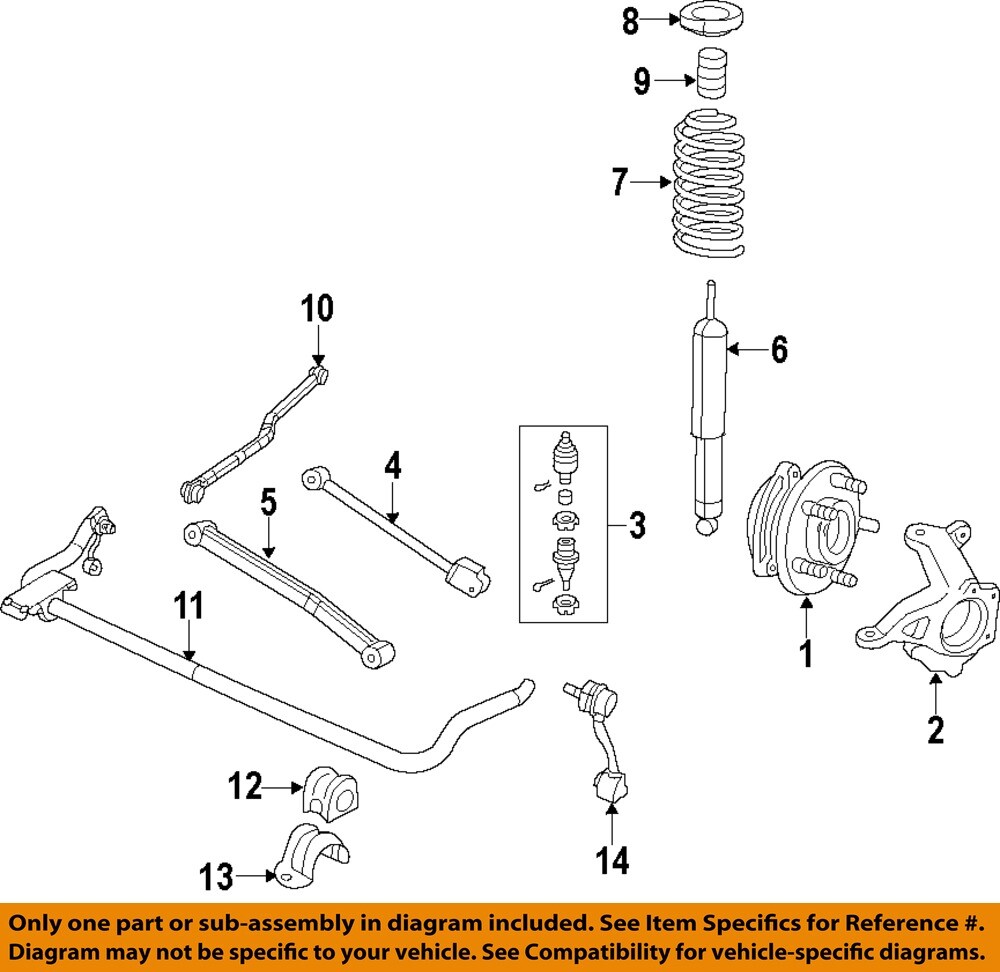
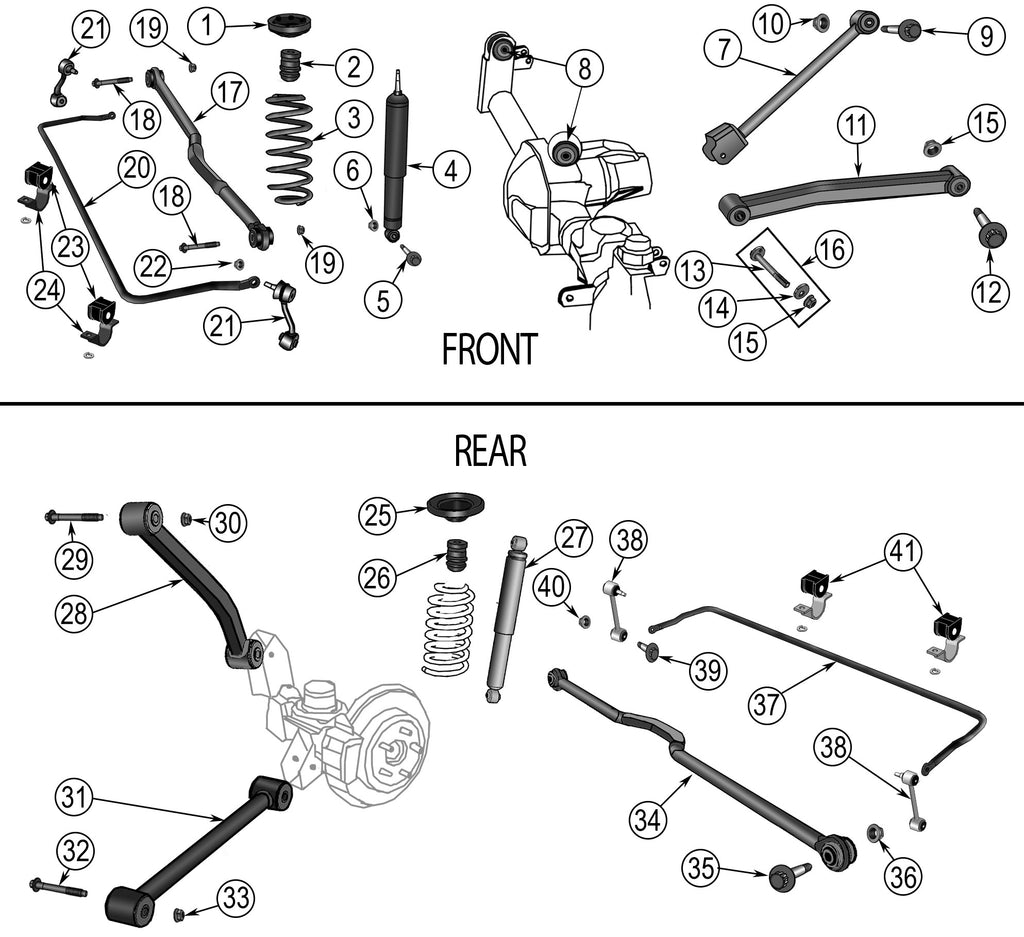
A diagram is a useful tool to see where each part sits and how they connect. Below is a basic layout for both front and rear suspensions.
| Component | Front Suspension Location | Rear Suspension Location |
|---|---|---|
| Coil Spring | Between axle and frame | Between axle and frame |
| Shock Absorber | Next to coil spring | Next to coil spring |
| Control Arm | Two upper, two lower | Two upper, two lower |
| Track Bar | Driver side to axle center | Frame to axle |
| Sway Bar | Across frame to axle ends | Across frame to axle ends |
Each part connects to both the frame and the axle, giving the Jeep both strength and flexibility.
How Each Suspension Part Works
Coil Springs
The coil springs carry the Jeep’s weight and absorb shocks from rough terrain. They are made from heavy-duty steel and designed to compress and expand as you drive over bumps.
Shock Absorbers
Shock absorbers control the movement of the coil springs. Without shocks, your Jeep would bounce after every bump. Good shocks make the ride smoother and improve handling.
Control Arms
There are upper and lower control arms on both the front and rear. They keep the axle stable and allow it to move up and down. If the control arms wear out, you may hear clunking noises or feel loose steering.
Track Bars
A track bar (also called a panhard bar) prevents the axle from moving side to side. This is important for keeping your Jeep stable, especially when turning or driving on uneven ground.
Sway Bars
The sway bar connects the left and right sides of the suspension. It reduces body roll during sharp turns. Many off-road drivers install sway bar disconnects to increase wheel movement on trails.
Factory Vs. Upgraded Suspension: A Comparison
Choosing between factory suspension and upgrades can be confusing. Here is a simple comparison:
| Feature | Factory Suspension | Upgraded Suspension |
|---|---|---|
| Ride Comfort | Balanced for road use | Can be tuned for off-road |
| Ground Clearance | Standard height | Higher with lift kits |
| Durability | Good for daily driving | Stronger parts for heavy use |
| Cost | Included in vehicle price | Can be expensive |
If you plan to use your Jeep mainly on highways, the factory suspension is usually enough. For more serious off-roading, upgraded parts offer more strength and flexibility.
Common Problems And Maintenance Tips
Understanding your suspension diagram also helps spot issues early. Here are some common problems:
- Worn bushings: These rubber parts connect metal suspension pieces. When they wear out, you may hear squeaks or feel more vibration.
- Leaking shocks: If you see oil on your shock absorbers, they likely need replacing.
- Bent control arms: Off-roading can bend these, making alignment hard and causing uneven tire wear.
To keep your suspension in good shape:
- Inspect parts every oil change.
- Grease bushings if your model allows it.
- Replace damaged parts as soon as possible.
The Importance Of Suspension Geometry
Suspension geometry is how all the angles and lengths in your system work together. If you lift your Jeep JK, the angles of the control arms, track bar, and driveshafts change. This can lead to bump steer, poor handling, and extra wear. Sometimes, you need to install adjustable control arms or a track bar relocation bracket to restore the correct geometry.
Here is a quick look at how suspension changes affect performance:
| Modification | Effect on Handling | Required Adjustment |
|---|---|---|
| 2″ Lift Kit | Minor changes | None or minimal |
| 3″+ Lift Kit | Steering angle changes | Adjustable arms, track bar |
| Bigger Tires | Extra weight | Stronger shocks |
Many beginners forget about geometry, but it is vital for safety and performance.
Two Insights Beginners Often Miss
First, when looking at a suspension diagram, many owners do not realize how much the track bar affects steering feel. A loose or bent track bar can cause the Jeep to wander, especially after hitting bumps.
Second, beginners often skip the sway bar disconnects when upgrading for off-road use. Unlocking the sway bar allows each wheel to move more freely, giving better traction on rocky trails. However, never drive on paved roads with the sway bar disconnected—it reduces safety.
Where To Find Reliable Jeep Jk Suspension Diagrams
For clear, accurate diagrams, always use official resources or trusted Jeep forums. The Jeep owner’s manual often includes basic diagrams. For more detail, sites like ExtremeTerrain offer guides and community advice.
Frequently Asked Questions
<!– wp:rank-math/faq-block {"questions":[{"id":"faq-question-a43c50b371f4","title":"What Is The Main Purpose Of The Jeep Jk Suspension System?","content":"The main purpose is to support the vehicle’s weight, absorb road shocks, and keep the tires in contact with the ground for good handling and comfort.
“,”visible”:true},{“id”:”faq-question-fb4623d515ec”,”title”:”Can I Install A Lift Kit Without Changing Other Suspension Parts?”,”content”:”Small lift kits (up to 2 inches) usually need no extra parts. Bigger lifts often require new control arms, shocks, and track bar adjustments to keep the geometry correct.
“,”visible”:true},{“id”:”faq-question-f43b6230aa0e”,”title”:”How Do I Know If My Suspension Parts Are Worn Out?”,”content”:”Look for warning signs like clunking noises, uneven tire wear, or poor handling. Regularly check for leaking shocks or cracked bushings.
“,”visible”:true},{“id”:”faq-question-a1f273aed26f”,”title”:”Are Aftermarket Suspension Parts Better Than Factory Ones?”,”content”:”Aftermarket parts can be stronger and offer more flexibility for off-road use. However, factory parts are reliable for daily driving and need less maintenance.
“,”visible”:true},{“id”:”faq-question-3a6440032d8e”,”title”:”Where Can I See An Official Jeep Jk Suspension Diagram?”,”content”:”You can find official diagrams in the Jeep owner’s manual or on trusted websites like Jeep.com.
Understanding your Jeep JK suspension diagram is the first step to safe driving and successful upgrades. With this knowledge, you can make better choices and enjoy your Jeep both on and off the trail.
“,”visible”:true}]} –>What Is The Main Purpose Of The Jeep Jk Suspension System?
The main purpose is to support the vehicle’s weight, absorb road shocks, and keep the tires in contact with the ground for good handling and comfort.
Can I Install A Lift Kit Without Changing Other Suspension Parts?
Small lift kits (up to 2 inches) usually need no extra parts. Bigger lifts often require new control arms, shocks, and track bar adjustments to keep the geometry correct.
How Do I Know If My Suspension Parts Are Worn Out?
Look for warning signs like clunking noises, uneven tire wear, or poor handling. Regularly check for leaking shocks or cracked bushings.
Are Aftermarket Suspension Parts Better Than Factory Ones?
Aftermarket parts can be stronger and offer more flexibility for off-road use. However, factory parts are reliable for daily driving and need less maintenance.
Where Can I See An Official Jeep Jk Suspension Diagram?
You can find official diagrams in the Jeep owner’s manual or on trusted websites like Jeep.com.
Understanding your Jeep JK suspension diagram is the first step to safe driving and successful upgrades. With this knowledge, you can make better choices and enjoy your Jeep both on and off the trail.