The Jeep JK steering wheel disconnect is a component that many off-road enthusiasts consider. While not a standard factory feature on most Jeep Wrangler JK models, it's a modification some owners explore for specific reasons.
Understanding what it is, why someone might want it, and the implications of such a modification is crucial before making any changes to your vehicle's steering system.
This article will break down the concept of a steering wheel disconnect for the Jeep JK, exploring its purpose, potential benefits, drawbacks, and what to consider if you're thinking about this upgrade.
Understanding Steering Wheel Disconnects
At its core, a steering wheel disconnect is a device that allows the steering wheel to be quickly detached from the steering column. This might sound unusual for a daily driver, but in the context of off-roading, particularly rock crawling or extreme trail use, there are perceived advantages. The primary idea is to provide a quick release mechanism for the steering wheel, often to facilitate easier entry and exit from the vehicle in tight spots or in emergency situations.
How They Work
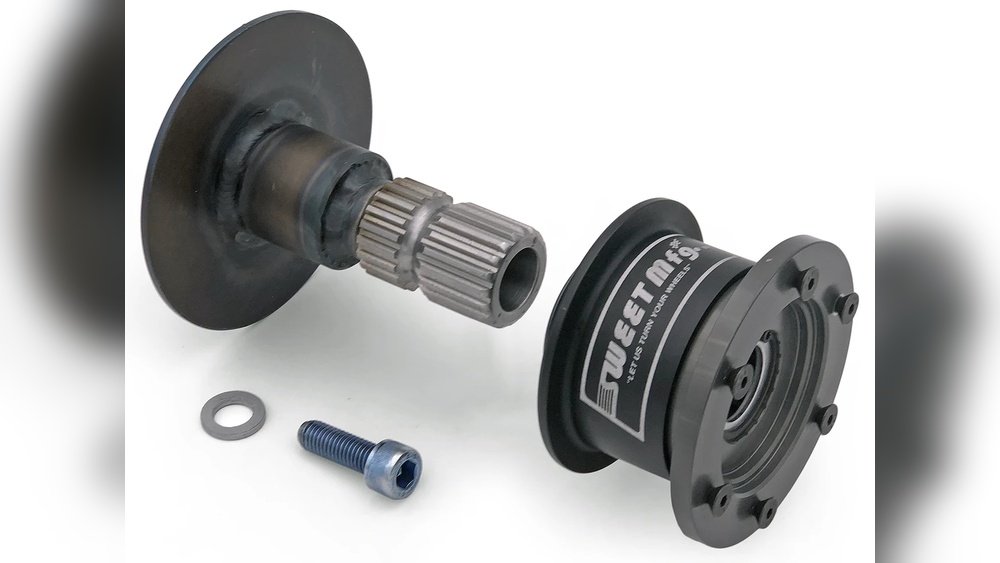
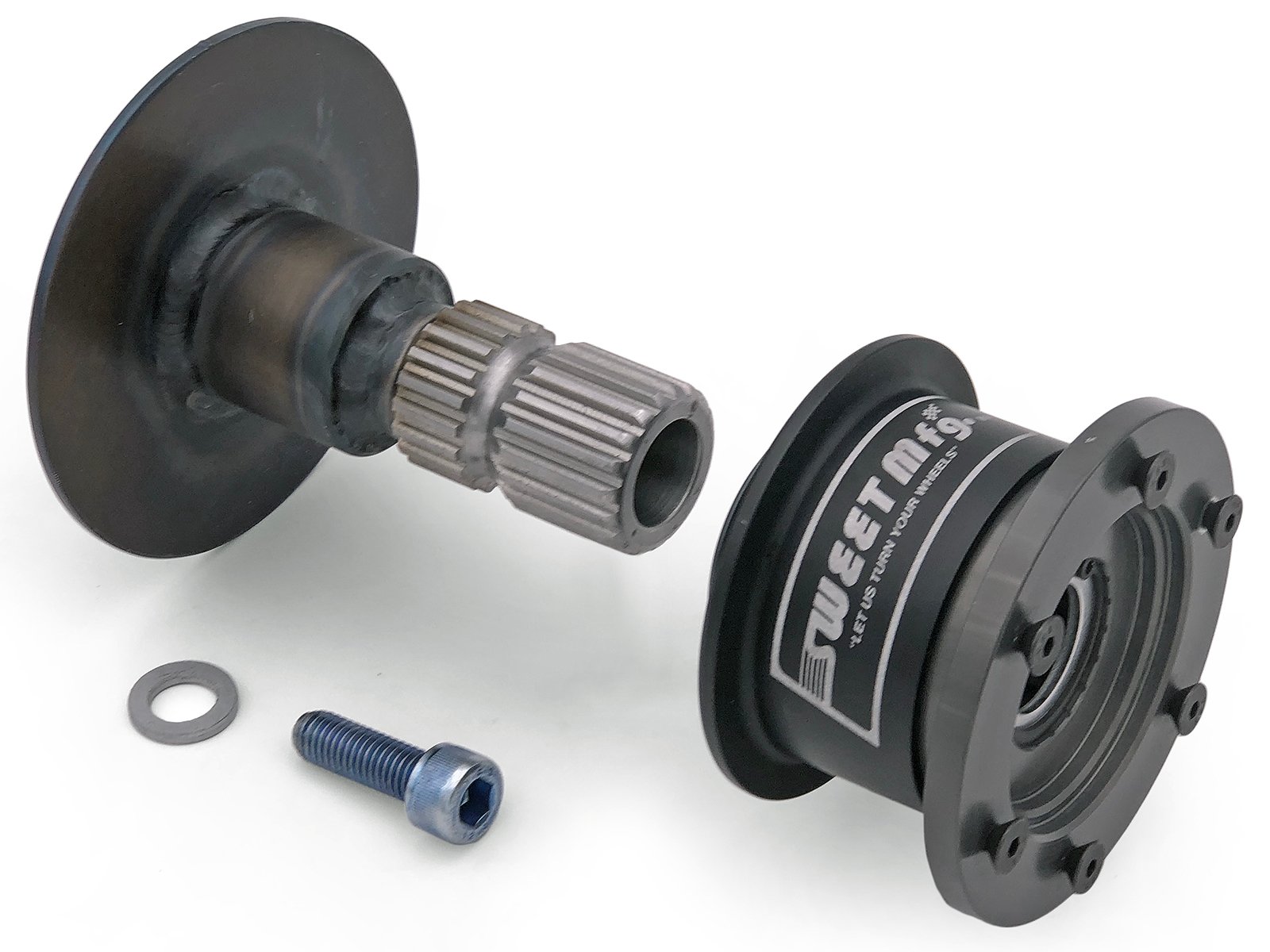
A typical steering wheel disconnect mechanism involves a splined hub system. The steering wheel itself attaches to a hub that has its own set of splines.
This hub then connects to another splined section on the steering column. A locking mechanism, often a spring-loaded pin or a lever system, holds the two splined parts together.
To disconnect, this locking mechanism is released, allowing the steering wheel to be pulled off the column. Reconnecting is usually a matter of aligning the splines and pushing the wheel back onto the column until it locks into place.
Common Designs And Materials
Steering wheel disconnects come in various designs, but most are made from durable materials like billet aluminum or steel. These materials are chosen for their strength and resistance to wear and tear, which is essential for a component that will be frequently operated and subjected to the vibrations and stresses of off-road driving. Some disconnects are designed to be nearly flush when connected, while others might add a slight thickness to the overall steering column assembly. The quality of the splines and the locking mechanism are critical for ensuring a secure connection and preventing accidental disengagement.
Why Consider A Steering Wheel Disconnect For A Jeep Jk?
The allure of a steering wheel disconnect for a Jeep JK often stems from the demanding nature of off-road driving. While a stock JK is capable, serious off-roaders push their vehicles to the limit, and every modification is evaluated for its potential to enhance performance, safety, or convenience.
Enhanced Entry And Exit
One of the most frequently cited reasons for installing a steering wheel disconnect is to make getting in and out of the Jeep easier, especially when the vehicle is positioned in awkward angles on the trail. In tight spots, like crawling over large rocks, the steering wheel can sometimes be an obstruction.
A quick-release steering wheel can allow a driver or passenger to remove it temporarily, providing more clearance and making it simpler to maneuver in and out of the tight confines of the cabin. This can be particularly helpful for those with mobility challenges or when wearing bulky off-road gear.
Quick Access For Safety Or Maintenance
In emergency scenarios, a steering wheel disconnect could theoretically allow for faster egress from the vehicle if the doors are difficult to open or if there’s a need to exit quickly from a precarious position. Some also see it as a way to deter theft, as removing the steering wheel makes the vehicle much harder to drive away.
For certain types of maintenance or adjustments that require access to the steering column area, a quick disconnect might also offer a slight convenience, though this is generally a less common reason.
Customization And Aesthetics
Beyond practicality, many Jeep JK owners opt for aftermarket parts as a way to personalize their vehicles. A steering wheel disconnect, especially when paired with a custom steering wheel, can contribute to a unique interior aesthetic.
The ability to swap out steering wheels for different looks or functions (e.
g. , a smaller diameter wheel for more legroom) is also a benefit for those who like to change up their interior setup.
Potential Downsides And Risks
While the idea of a quick-release steering wheel might sound appealing, it’s essential to acknowledge the potential downsides and risks associated with such a modification, especially concerning safety and legality.
Compromised Steering Column Integrity
The steering column is a critical safety component. Adding a disconnect mechanism introduces extra parts and potential failure points into the system. If the disconnect is not properly installed, maintained, or if it’s of poor quality, there’s a risk of the steering wheel becoming loose or even detaching unexpectedly while driving. This could lead to a complete loss of steering control, which is extremely dangerous. A loose steering wheel can severely compromise your ability to steer the vehicle.
Legal And Insurance Implications
In many regions, modifying safety-critical systems like the steering column can have legal ramifications. It's crucial to check local regulations regarding vehicle modifications.
Some states or countries may have specific laws that prohibit or restrict the use of steering wheel disconnects.
Furthermore, if an accident occurs and it’s found that a steering wheel disconnect contributed to the incident, it could void your vehicle’s insurance coverage.
Wear And Tear
The constant connecting and disconnecting of the steering wheel can lead to wear on the splines and the locking mechanism. This wear can result in a sloppy steering feel, play in the steering wheel, or difficulty in securely locking the wheel back onto the column.
Regular inspection and maintenance are vital to ensure the mechanism remains safe and functional.
Cost And Complexity
High-quality steering wheel disconnects are not inexpensive. They require a significant investment, and their installation may require specialized tools or knowledge.
If not installed correctly, the risks are amplified. For many Jeep JK owners, the perceived benefits might not outweigh the cost and the potential risks involved.
Types Of Steering Wheel Disconnects For Jeep Jks
When looking at steering wheel disconnects for a Jeep JK, you’ll find a few common types and brands that cater to this market. These are generally aftermarket solutions designed to work with the JK’s steering column.
Quick Release Hubs
These are the most common type. They consist of two parts: a hub that bolts to the Jeep’s steering column and a hub that bolts to the steering wheel. The two hubs then engage via splines and a locking mechanism. Brands like Grant Products and NRG Innovations offer universal quick-release hubs that can be adapted for Jeep applications, often requiring a specific Jeep JK steering column adapter.
Integrated Systems
Some aftermarket steering wheels are designed with a built-in quick-release mechanism. In this case, the disconnect is part of the steering wheel assembly itself, rather than a separate hub adapter.
These can offer a cleaner look but might be more expensive and less versatile if you wish to change steering wheels later.
Quick-release Collars
A less common variation might involve a collar that slides over the steering column spline and is secured by set screws or a lever. This type is less frequently seen for general use but might be found in specialized racing applications.
Installation Considerations
Installing a steering wheel disconnect on a Jeep JK is not a simple bolt-on task for everyone. It requires careful attention to detail to ensure safety.
Compatibility And Adapters
The first step is to ensure the disconnect you choose is compatible with the Jeep JK steering column. Many universal quick-release systems will require a specific Jeep JK steering column adapter to mate correctly with the vehicle’s spline count and diameter. These adapters are crucial for a secure and precise fit.
Tools And Skill Level
You will likely need a steering wheel puller, a socket set, wrenches, and possibly a torque wrench. The installation process typically involves:
- Removing the original steering wheel.
- Installing the steering column adapter onto the steering column.
- Installing the quick-release hub onto the steering wheel.
- Connecting the steering wheel to the column adapter and securing the locking mechanism.
It’s recommended to consult the installation instructions provided by the manufacturer and, if you are not comfortable with automotive steering components, to have a professional mechanic perform the installation. Incorrect installation is a primary cause of steering system failures.
Alignment And Fitment
Ensuring the splines on both the column adapter and the steering wheel hub align perfectly is critical. A sloppy fit can lead to looseness and premature wear.
Always check that the locking mechanism engages fully and securely. When reattaching the wheel, give it a gentle tug to ensure it’s locked in place before driving.
Maintenance And Safety Checks
Once a steering wheel disconnect is installed, regular maintenance and safety checks are non-negotiable. This is not a component you can simply “install and forget. “
Regular Inspections
Before and after each off-road excursion, visually inspect the entire steering wheel and column assembly. Check for any signs of looseness, wear, or damage to the splines, locking pins, or housing.
Ensure the locking mechanism is clean and free of debris that could impede its function.
Lubrication
Some quick-release mechanisms may benefit from occasional lubrication of the splines and locking components. Use a high-quality lubricant recommended by the manufacturer. Over-lubrication can attract dirt, so apply sparingly.
Tightening And Securing
Periodically, check that all bolts and fasteners related to the steering wheel, adapter, and disconnect hub are tight. If you notice any play or looseness in the steering wheel, do not drive the vehicle until the issue is resolved.
Testing The Lock
Every time you reattach the steering wheel, perform a quick tug test. Grip the wheel firmly and try to pull it off the column.
It should feel solid and securely locked. If it moves or feels loose, do not proceed until it is correctly secured.
Alternatives To Steering Wheel Disconnects
For Jeep JK owners seeking improved access, different interior feel, or enhanced off-road capability, there are alternatives that might offer similar benefits without the inherent risks of a steering wheel disconnect.
Smaller Diameter Steering Wheels
Simply replacing the factory steering wheel with a smaller diameter aftermarket wheel can provide more legroom and a sportier feel. This is a straightforward modification that doesn't compromise the integrity of the steering column.
Many aftermarket wheels offer better grip and ergonomics for off-road use.
Aftermarket Steering Column Covers Or Guards
For those concerned about protecting the steering column or wanting a different aesthetic, various aftermarket covers are available. These can enhance the interior look and offer some protection without altering the fundamental steering mechanism.
Seat Modifications Or Quick-release Seat Mounts
If the primary goal is easier entry and exit, consider modifications to the seats themselves. Some aftermarket seats are designed to offer better bolstering and support, which can make getting in and out easier. In some extreme off-road setups, quick-release seat mounts are used to allow seats to be easily removed or tilted forward, providing greater access to the rear of the cabin or cargo area.
Improved Driving Techniques
Often, the need for a steering wheel disconnect arises from challenging trail conditions. Developing better off-road driving techniques and learning to position the Jeep more effectively can often overcome obstacles without needing to remove critical components. This includes understanding vehicle articulation, tire placement, and using momentum wisely.
Steering Wheel Disconnects In Off-road Competitions
In the world of competitive off-roading, particularly in disciplines like rock crawling, specialized equipment is common. Steering wheel disconnects can sometimes be seen in these environments, often as part of a broader suite of modifications designed for maximum performance and quick adjustments.
Rule Compliance
It's important to note that many off-road competitions have strict rules regarding vehicle modifications, especially those affecting safety. While some events might allow steering wheel disconnects, others may prohibit them.
Competitors must thoroughly understand the rulebook for any event they plan to enter.
Performance Enhancement
In certain competitive scenarios, the ability to quickly adjust or remove the steering wheel can offer a tactical advantage. For instance, if a vehicle becomes pinned in a position where the steering wheel hinders a crucial maneuver, a quick release can be invaluable.
However, this is typically in highly controlled environments with experienced drivers and safety crews.
Durability And Reliability
In competitive settings, the disconnect must be exceptionally robust. Failure under competition pressure can be catastrophic.
Therefore, competitors often opt for the highest-grade disconnects and ensure they are impeccably maintained.
Real-world Examples And User Experiences
Anecdotal evidence from Jeep JK owners who have installed steering wheel disconnects paints a mixed picture. Many users report satisfaction with the convenience for easier entry and exit, especially in Jeeps with lifted suspensions and large tires, which can make climbing in and out more challenging.
One user on a popular Jeep forum shared: “When I first installed my quick-release steering wheel, I loved how much easier it was to get into my JK after a long day of wheeling. It felt like a small luxury. However, after about a year, I started noticing a bit of play in the steering. I had to take it all apart and clean/re-lube the splines, which solved it for a while.”
Another common sentiment revolves around the perceived theft deterrent. While it does make hotwiring harder, many argue that determined thieves can overcome this obstacle.
The primary benefit remains the ease of ingress and egress.
However, there are also cautionary tales. Some users have reported issues with the locking mechanism failing to engage properly, leading to a brief moment of panic. This reinforces the need for meticulous installation and constant vigilance regarding maintenance. In my experience, the peace of mind from a securely attached steering wheel is hard to beat, and the added complexity of a disconnect adds a layer of potential failure that needs constant attention.
The Future Of Steering Wheel Disconnects
As vehicle technology advances, the role of aftermarket modifications like steering wheel disconnects may evolve. With the increasing prevalence of electronic power steering systems and advanced driver-assistance features, the mechanical simplicity that some enthusiasts seek in a disconnect might become less relevant for mainstream vehicles.
However, for the dedicated off-road community, particularly those who modify their Jeep JKs for extreme use, the steering wheel disconnect will likely remain a niche but valued modification. Its appeal lies in its direct impact on vehicle access and customization.
As manufacturers continue to produce high-quality, robust disconnects, and as owners become more aware of the critical importance of proper installation and maintenance, these devices will continue to serve their purpose for a specific segment of the Jeep JK owner base.
Frequently Asked Questions
What Is The Primary Reason Jeep Jk Owners Install A Steering Wheel Disconnect?
The main reason is to make entering and exiting the vehicle easier, especially in tight off-road situations or for individuals who find climbing into a lifted Jeep with large tires challenging. It can also be seen as a theft deterrent.
Are Steering Wheel Disconnects Safe For Daily Driving?
While many disconnects are designed to be secure when locked, they introduce an additional point of potential failure in the steering system. For daily driving, where safety is paramount and consistent reliability is expected, many experts and owners recommend sticking with a permanently attached steering wheel to minimize risk.
How Do I Know If A Steering Wheel Disconnect Is Compatible With My Jeep Jk?
You need to ensure the disconnect system is designed for or can be adapted to the Jeep JK steering column spline count and diameter. This often involves purchasing a specific Jeep JK steering column adapter in addition to