If you own a Jeep JK, you know it’s built for adventure. But sometimes, trouble starts where you least expect.
One common headache is an oil cooler leak. This issue can cause engine damage, high repair bills, and even leave you stranded.
Many Jeep JK owners face this leak after hitting 60,000–100,000 miles, but some unlucky drivers spot it earlier. Let’s dive deep into what causes these leaks, how to spot them, and what you should do to fix — or prevent — the problem.
What Is The Jeep Jk Oil Cooler?
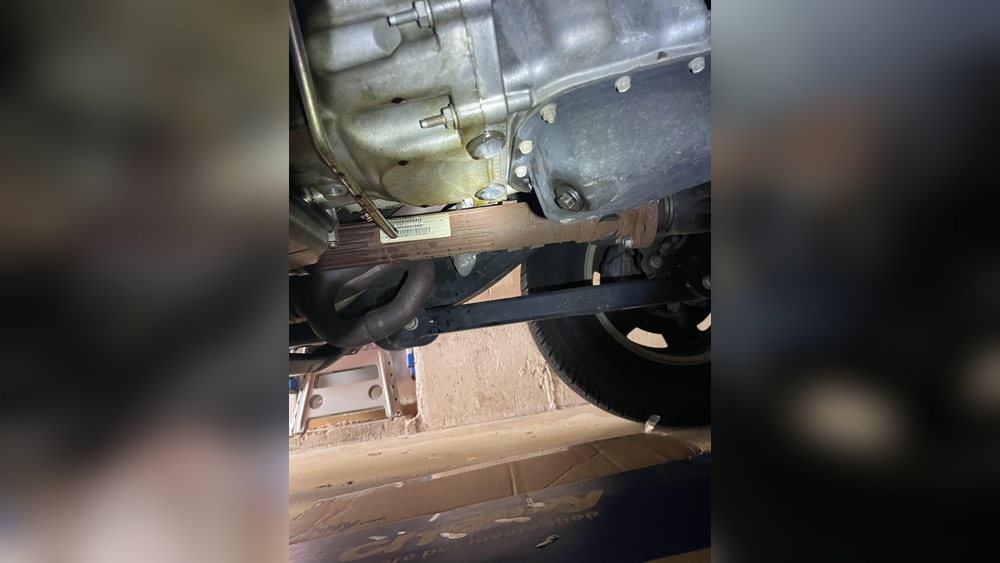
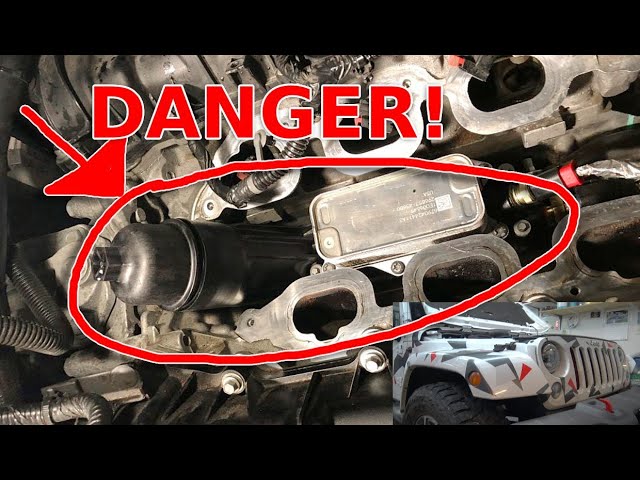
The oil cooler is a small part, but it plays a big role. It sits on top of the engine, usually under the intake manifold. Its job is to keep engine oil at a safe temperature. Cool oil means less friction, less wear, and a longer engine life. In the Jeep JK (especially 2012–2018 models), the oil cooler is part of a module that also holds the oil filter and sensors.
Oil Cooler Leak: Why Does It Happen?
Most leaks start because of bad seals or cracks in the cooler’s plastic body. Jeep used plastic instead of aluminum for these coolers, trying to save weight and cost. But plastic can warp, crack, or degrade over time, especially with hot oil and pressure.
Some triggers for leaks are:
- Heat cycles: Repeated heating and cooling weakens the plastic.
- Cheap seals: Rubber gaskets can harden or shrink, letting oil escape.
- Poor maintenance: Dirty oil, skipped changes, or overheating can speed up failure.
Many Jeep JK owners report leaks around 70,000 miles. Some see it as early as 30,000 miles, especially if the engine runs hot or if the oil cooler was replaced with a low-quality part.
Signs Of An Oil Cooler Leak
Spotting a leak early can save your engine. Here are clear signs to watch for:
- Oil puddles under the Jeep, especially near the transmission.
- Burning oil smell inside the cabin.
- Low oil levels with no obvious external leaks.
- White smoke from the exhaust if oil mixes with coolant.
- Check engine light due to sensor faults or oil pressure drop.
Some leaks are slow and hard to spot. The oil may pool under the intake manifold, making it invisible until it gets worse.
How To Confirm The Leak
Mechanics use several methods to confirm an oil cooler leak:
- Visual inspection: Removing the intake manifold reveals oil around the cooler.
- UV dye: Adding a special dye to the oil helps trace leaks with a UV light.
- Pressure test: Checks for leaks in the cooling system and oil passages.
Here’s a quick comparison of detection methods:
| Method | Accuracy | Time Required |
|---|---|---|
| Visual Inspection | Medium | 30–60 mins |
| UV Dye | High | 60 mins |
| Pressure Test | High | 90 mins |
Repair Options And Costs
Fixing a Jeep JK oil cooler leak means replacing the whole module. Repairing just the seals isn’t reliable because the plastic often cracks.
Oem Vs Aftermarket Oil Coolers
You have two main choices:
- OEM (Original Jeep) part: Made by Jeep, fits perfectly, but expensive.
- Aftermarket aluminum cooler: Stronger, lasts longer, but may need slight adjustments.
See the price and reliability comparison below:
| Type | Price Range | Expected Lifespan |
|---|---|---|
| OEM Plastic | $200–$350 | 60,000–90,000 miles |
| Aluminum Aftermarket | $150–$250 | 100,000+ miles |
Labor Cost
Replacement takes 3–5 hours for a skilled mechanic. Labor costs can range from $350 to $650, depending on location.
Step-by-step Fix: Diy Or Mechanic?
Some Jeep JK owners fix oil cooler leaks themselves. If you have basic tools and patience, you can save money, but the job is tough.
- Disconnect battery for safety.
- Remove intake manifold to access the oil cooler module.
- Clean oil residue to prevent dirt getting inside.
- Replace oil cooler and seals, using aluminum if possible.
- Reinstall intake manifold, reconnect all hoses and wires.
- Change oil and coolant, as some will be lost during the process.
- Start engine and check for leaks after running for 15–30 minutes.
Most beginners miss two key steps: cleaning ALL oil from the engine area and checking for leaks AFTER driving a few miles. Leftover oil can hide new leaks, and rushing the job can cause sensor issues.
Preventing Future Leaks
You can’t stop all leaks, but you can reduce risk:
- Use quality oil and change it every 5,000 miles.
- Don’t overheat the engine — watch for temperature spikes.
- Check for oil under the intake during service.
- Install aluminum cooler if the plastic one fails.
Some Jeep owners also use a catch can to reduce oil vapor buildup. This isn’t required, but it may slow gasket wear.
Real Owner Experiences
Many Jeep JK drivers share stories online. One owner reported a leak at 40,000 miles after a hot summer. Another replaced the cooler twice in 120,000 miles before switching to aluminum. Most agree: plastic coolers fail faster, especially in hot climates or with heavy off-road use.
According to the National Highway Traffic Safety Administration (NHTSA), oil cooler leaks are one of the top five complaints for 2012–2018 Jeep JKs. The failure rate is higher than in older models.
For detailed technical info, the NHTSA Jeep Wrangler page lists recalls and common issues.
Frequently Asked Questions
How Dangerous Is An Oil Cooler Leak?
A leak can cause engine oil loss. If oil runs out, your engine may seize or overheat, leading to thousands in repairs. It’s important to fix leaks quickly.
Can I Drive With A Small Oil Cooler Leak?
It’s risky. Even a small leak can grow fast, especially if a crack spreads.
You may not notice until oil pressure drops or the engine overheats.
Should I Use Aluminum Or Oem Plastic Oil Cooler?
Aluminum coolers last longer and resist heat better. If you want fewer repairs, choose aluminum. OEM plastic fits perfectly but fails more often.
How Much Does A Jeep Jk Oil Cooler Replacement Cost?
Parts cost $150–$350, labor adds $350–$650. Total cost is usually $500–$1,000 for professional repair.
DIY can save labor costs but takes time.
Are Oil Cooler Leaks Covered By Jeep Warranty?
If your Jeep JK is under factory warranty, leaks are usually covered. If out of warranty, you must pay. Always check your coverage before repairs.
When it comes to a Jeep JK oil cooler leak, quick action is your best defense. Watch for signs, choose quality parts, and don’t ignore warning lights. With care, your Jeep can stay strong on and off the road.