When you’re thinking about new wheels or tires for your Jeep JK, one thing matters more than you might realize: the lug pattern. This small detail can mean the difference between a perfect fit and a frustrating installation.
For many Jeep owners, especially beginners, the lug pattern is confusing. But once you understand it, you’ll make better choices for upgrades, safety, and style.
Let’s break down what you need to know about the Jeep JK lug pattern, why it’s important, and how to avoid common mistakes.
What Is The Jeep Jk Lug Pattern?
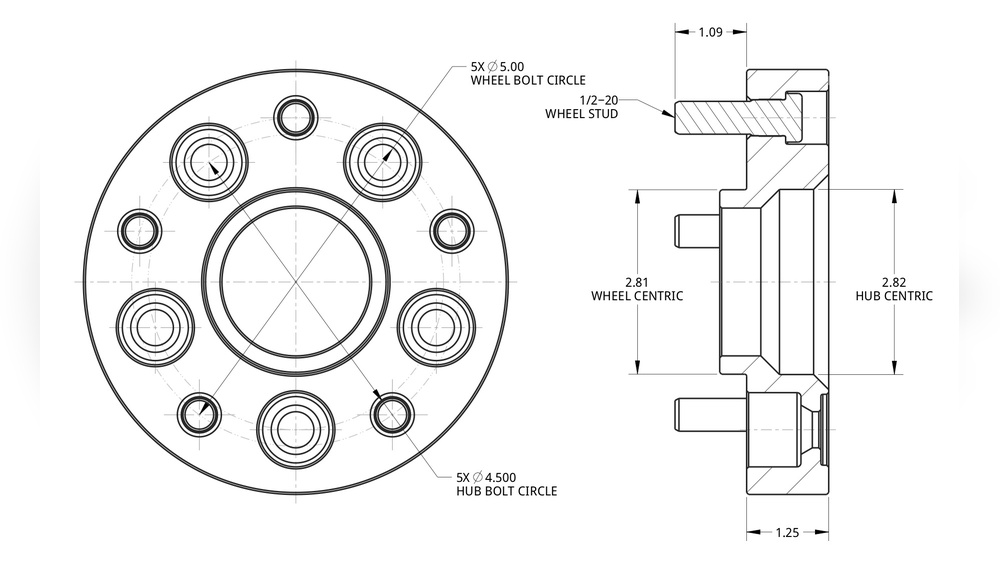
The lug pattern (or bolt pattern) refers to how the wheel attaches to your Jeep’s hub. On a Jeep JK (2007–2018 Wrangler), this pattern is always 5×5 inches. That means:
- There are 5 lug nuts (the “5” in 5×5)
- The distance from one lug directly across to another is 5 inches (the second “5”)
You may also see this written as 5x127mm. Both mean the same thing, since 5 inches is about 127 millimeters.
Here’s a simple table to compare common Jeep lug patterns:
| Model | Lug Pattern | Years |
|---|---|---|
| Jeep JK Wrangler | 5×5″ (5x127mm) | 2007–2018 |
| Jeep TJ Wrangler | 5×4.5″ (5×114.3mm) | 1997–2006 |
| Jeep JL Wrangler | 5×5″ (5x127mm) | 2018–present |
This shows that the JK and the newer JL Wranglers use the same lug pattern, but older Jeeps like the TJ do not.
Why The Lug Pattern Matters
Choosing wheels with the wrong lug pattern can be a costly mistake. The wheels simply will not fit if the holes are in the wrong places. Even being off by a few millimeters means you can’t install them. The 5×5 pattern is not the same as 5×4.5, so don’t assume “close enough” will work.
If you want to use wheels from another Jeep or a different vehicle, always check the lug pattern first. Many beginners think “all Jeeps use the same wheels,” but that’s not true. You could waste money on wheels that don’t fit or even damage your wheel studs by forcing the wrong wheels on.
How To Measure A 5-lug Pattern
If you don’t have the specs, you can measure the lug pattern yourself. For a 5-lug wheel, measure from the center of one lug to the outer edge of the lug directly across from it.
Here’s how:
- Pick any lug nut hole.
- Use a ruler or tape measure.
- Measure straight across to the farthest lug (not the next one over).
- The distance should be exactly 5 inches for a Jeep JK.
This method helps if you have aftermarket wheels or are buying used. It’s always better to check than to guess.
Other Wheel Fitment Factors
The lug pattern is only part of the story. For a wheel to fit and work safely, you should also consider:
- Center bore: The size of the hole in the middle of the wheel. For Jeep JK, it’s usually 71.5mm.
- Offset: How far the mounting surface is from the wheel’s center line. Too much positive or negative offset can cause rubbing.
- Backspacing: The distance from the mounting surface to the back edge of the wheel. Jeep JKs often use 4.5″ backspacing for aftermarket wheels.
- Lug nut size: JKs use 1/2″-20 thread pitch.
Here’s a quick comparison of Jeep JK wheel specs:
| Spec | Stock JK | Common Aftermarket |
|---|---|---|
| Lug Pattern | 5×5″ | 5×5″ |
| Center Bore | 71.5mm | 71.5mm |
| Backspacing | 6.25″ | 4.5″ |
| Wheel Size | 17×7.5″ | 17×8.5″, 18×9″ |
Pro tip: Some aftermarket wheels have a larger center bore. Use hub-centric rings for a snug fit.

Swapping Wheels: What You Need To Know
If you’re upgrading or swapping wheels on your Jeep JK, keep these points in mind:
- Double-check the pattern: Even if the wheel “looks right,” confirm it’s 5×5″.
- Watch for offset: Too much offset can make tires stick out or rub on suspension parts.
- Consider adapters: If you find wheels with a different pattern, you can use wheel adapters. But these add thickness and change the stance, so use only good-quality ones.
- Torque matters: Always tighten lug nuts to the Jeep JK’s recommended torque—usually 95 ft-lbs.
Many new Jeep owners get excited about cool-looking wheels, but forget about fitment. The result can be vibration, unsafe driving, or damage to the wheel bearings.
Common Mistakes With Jeep Jk Lug Patterns
Let’s highlight a few errors people often make:
- Mixing up JK and TJ wheels: 5×5 and 5×4.5 patterns are not interchangeable.
- Buying “universal” wheels: These rarely fit perfectly and can cause vibration.
- Ignoring center bore size: Too large or too small can lead to unsafe driving.
- Not using hub-centric rings: If your new wheels have a bigger center hole, rings keep them centered.
One non-obvious insight: Even if the bolt pattern matches, the wheel’s offset and hub diameter must also be correct. Some Jeep owners discover too late that their new wheels rub on the fenders or brake calipers.
Another tip: When buying used wheels, ask the seller for a photo of the back of the wheel. The lug pattern, size, and offset are often stamped there. This reduces mistakes and saves time.

Upgrading Your Jeep Jk Wheels
Upgrading wheels is one of the most popular Jeep mods. It changes the look and off-road performance. When choosing new wheels, focus on:
- Correct lug pattern: 5×5 is a must.
- Proper offset and backspacing: For bigger tires, you’ll need less backspacing.
- Quality materials: Alloy wheels are lighter, steel wheels are tougher.
If you plan to run larger tires (like 35s or 37s), make sure your wheels have the right offset to prevent rubbing. You may need to trim fender flares or adjust the suspension.
For more details, the official Jeep site has factory specifications for all Wrangler models.
Frequently Asked Questions