If you drive a Jeep JK and love off-roading or just want better performance, you’ve probably seen people talking about cold air intakes. These upgrades promise more power, a better sound, and even improved fuel efficiency. But are cold air intakes actually worth it for your Jeep JK? Let’s break it down so you can decide if this upgrade makes sense for you.
What Is A Cold Air Intake?
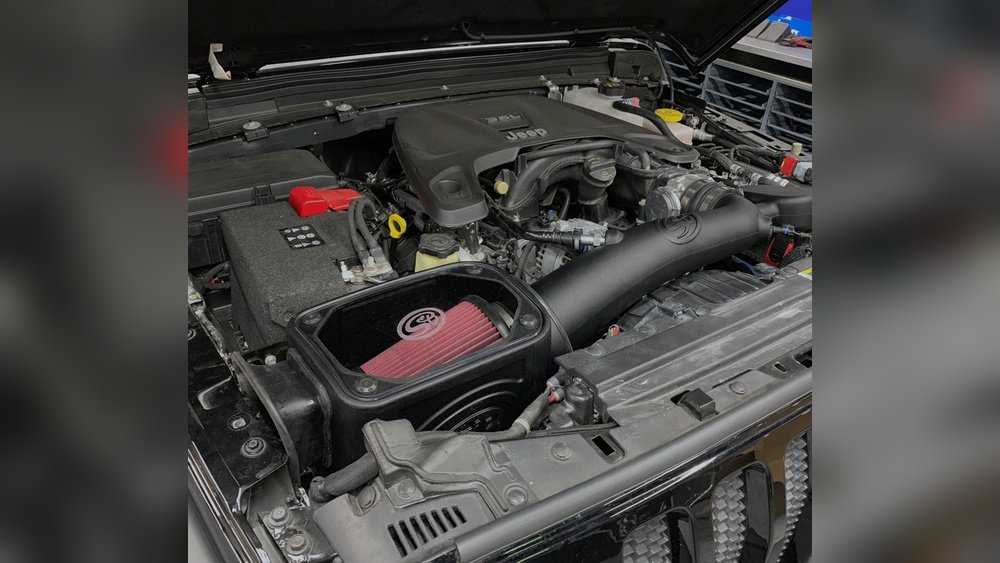
A cold air intake is a special air filter system that replaces your Jeep’s factory air box. It’s designed to pull cooler air from outside the engine bay. Cooler air is denser, so it contains more oxygen. More oxygen helps your engine burn fuel better, which can mean more power.
Most cold air intakes use a bigger filter and a smooth tube. This helps air flow faster and easier into the engine. The main idea: your engine gets more, cooler air, and can perform better.
Benefits Of Cold Air Intakes For Jeep Jk
Cold air intakes are popular for a reason. Here are some real benefits Jeep JK owners often notice:
- Increased horsepower: Cooler air can help your engine produce more power. Most Jeep JKs see a gain of about 5–15 horsepower after installing a cold air intake.
- Better throttle response: Your Jeep may feel quicker when you press the gas pedal.
- Improved engine sound: Many drivers love the deeper, sportier sound a cold air intake creates.
- Potential fuel efficiency gains: Some people report a small boost in miles per gallon (MPG), usually 1–2 MPG, especially during highway driving.
- Easier maintenance: High-quality cold air intakes often use reusable filters. You just clean and reuse them, instead of buying new ones.
Not every Jeep owner will notice all these benefits. Results depend on your driving style, the brand you choose, and your Jeep’s condition.
Comparing Stock Vs Cold Air Intake On Jeep Jk
Let’s look at how a factory air box compares to a cold air intake. This table shows the main differences:
| Feature | Factory Air Box | Cold Air Intake |
|---|---|---|
| Air Temperature | Warmer, from engine bay | Cooler, from outside |
| Air Flow | Restricted, smaller filter | Improved, bigger filter/tube |
| Maintenance | Paper filter, replace often | Reusable filter, clean regularly |
| Noise | Quiet | Louder, sportier sound |
| Horsepower Gain | No change | 5–15 HP increase |
Real-world Performance: Data And Examples
Many Jeep JK owners are curious about real numbers. Here are some typical results after installing a cold air intake:
- Dyno tests: Most dyno runs show a gain of 5–15 horsepower and 5–10 lb-ft torque.
- Acceleration: Some drivers report 0.2–0.5 seconds faster 0–60 mph times.
- Fuel economy: Highway MPG may improve by 1–2 MPG, but city driving often shows little change.
Let’s look at a quick comparison of two popular cold air intakes for Jeep JK:
| Brand | Horsepower Gain | Torque Gain | Price |
|---|---|---|---|
| K&N | +12 HP | +8 lb-ft | $350 |
| Airaid | +10 HP | +7 lb-ft | $375 |
These gains are not huge, but they are real. For some Jeep JK owners, even a small bump in power and sound is enough.

Installation: Is It Hard?
Most cold air intakes are designed for easy installation. The average Jeep JK owner can install a kit in 30–60 minutes with basic tools. Here are the main steps:
- Remove the factory air box and tubing.
- Install the new intake tube and filter.
- Secure everything with clamps.
- Double-check for tight fit and leaks.
No special skills are needed. Most kits come with clear instructions and sometimes even video guides. But a few cold air intakes may need extra brackets or adjustments, especially if your Jeep has other engine mods.
Cost Vs Value: Is It Worth The Money?
Cold air intakes for Jeep JKs cost between $200–$450. Is the price worth it? Let’s break it down:
- Performance gains are real, but not dramatic.
- Better sound is a big reason many owners upgrade.
- Reusable filters can save money in the long run.
- Easy installation means you don’t pay for labor.
However, don’t expect a cold air intake to turn your Jeep JK into a sports car. It’s a small improvement, not a game-changer.
Some beginners miss a few hidden costs. For example:
- You may need to buy cleaning kits for reusable filters ($15–$25).
- Some intakes require extra heat shields for off-roading ($50–$100).
- If your Jeep JK has other engine mods, you might need to tune your engine ($150–$400).
These costs can add up, so plan your budget carefully.
Cold Air Intake And Off-roading
Jeep JKs are built for adventure. But is a cold air intake safe for off-roading?
Water And Dirt Concerns
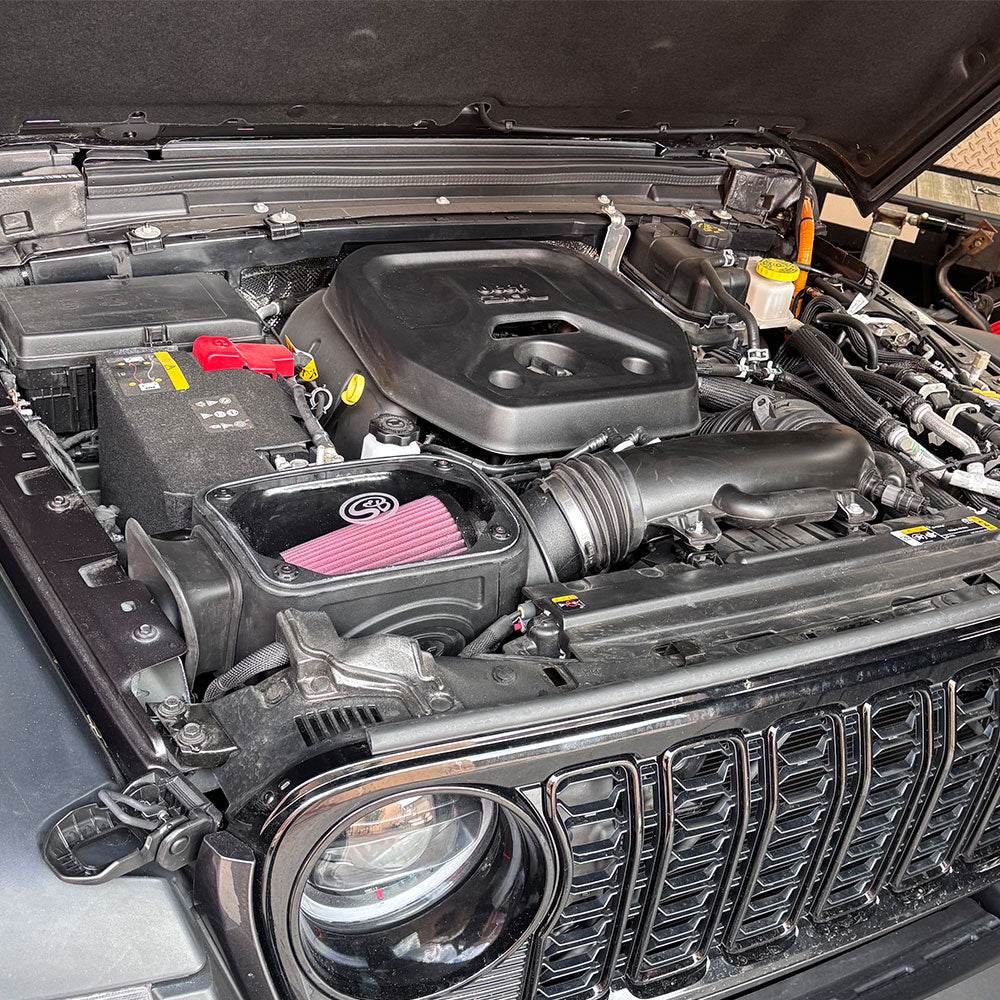
One common worry is water ingestion. If your intake pulls air from low down, it can suck up water during deep river crossings. This can damage your engine. Some intakes have special shields or snorkels to avoid this.
Dust and dirt are another issue. Off-road conditions can clog filters faster. Reusable filters are good, but you’ll need to clean them often.
Best Practices
- Choose an intake with a water-resistant shield if you off-road often.
- Clean your filter every few months, or after dusty trips.
- Avoid deep water crossings unless you have extra protection.
Cold Air Intake Vs Other Jeep Jk Upgrades
Cold air intakes are just one upgrade. Here’s how they compare to other common mods:
| Upgrade | Power Gain | Cost | Installation Difficulty |
|---|---|---|---|
| Cold Air Intake | 5–15 HP | $200–$450 | Easy |
| Exhaust System | 5–20 HP | $300–$800 | Medium |
| Tuner/Chip | 10–30 HP | $350–$700 | Medium |
| Supercharger | 50–100+ HP | $4,000–$7,000 | Hard |
Cold air intakes are one of the easiest and cheapest ways to improve your Jeep JK. But if you want big power gains, you’ll need more expensive upgrades.
Common Myths About Cold Air Intakes
There are a lot of myths out there. Let’s clear up a few:
- Myth: Cold air intakes damage your engine. Fact: If installed correctly, they do not harm your engine. But poor installation or dirty filters can cause problems.
- Myth: Huge power gains. Fact: Gains are real but small. Don’t expect miracles.
- Myth: All intakes are the same. Fact: Quality and design matter. Cheap kits may not perform as well.
Many beginners think cold air intakes will fix all engine problems. In truth, they are just one piece of the performance puzzle.
How To Choose The Right Cold Air Intake
Not all cold air intakes are equal. Here’s what to look for:
- Fitment: Make sure the intake is made for Jeep JK (2007–2018 models).
- Quality materials: Look for aluminum or high-quality plastic tubes.
- Filter type: Reusable cotton filters are best for long-term value.
- Water protection: If you off-road, choose a kit with a shield or snorkel.
- Warranty: Good brands offer warranties (1–5 years).
Avoid buying the cheapest option. Poorly made intakes can fit badly, break, or even hurt performance.
Non-obvious Insight: Engine Tuning
Most beginners don’t realize that a cold air intake alone rarely needs engine tuning. But if you combine it with exhaust or a chip, tuning can help you get the most out of all upgrades.
When Is A Cold Air Intake Not Worth It?
There are times when a cold air intake may not be worth the money:
- If your Jeep JK is mostly stock and you don’t care about sound or small power gains.
- If you drive in very dusty areas and don’t want to clean filters often.
- If you already have a high-quality factory air box and filter.
Some Jeep JK models, especially newer ones, already have decent airflow. Always check your current setup before buying.
Expert Opinions And Research
Most auto experts agree: cold air intakes are a good entry-level upgrade. They are easy to install and provide a modest bump in performance. But studies show that the gains are usually under 10% of total engine power.
For more research, check out Car and Driver, which regularly tests performance upgrades.
Frequently Asked Questions
How Much Horsepower Will My Jeep Jk Gain With A Cold Air Intake?
Most Jeep JKs gain 5–15 horsepower with a quality cold air intake. The exact gain depends on the brand and your engine’s condition.
Will A Cold Air Intake Make My Jeep Jk Louder?
Yes, your Jeep JK will sound deeper and sportier. The intake creates more engine noise, especially during acceleration.
Do Cold Air Intakes Improve Fuel Efficiency?
Some owners report a 1–2 MPG increase, mainly during highway driving. City driving usually sees little change.
Is A Cold Air Intake Safe For Off-roading?
It can be safe if you pick a kit with a water-resistant shield or snorkel. Always clean the filter after dusty trips.
Can I Install A Cold Air Intake Myself?
Yes, most kits are designed for easy DIY installation. You need simple tools and about 30–60 minutes.
Whether you crave better sound, a small power boost, or just want to try a new upgrade, cold air intakes are a solid option for Jeep JK owners. But remember: the gains are real but not dramatic. If you want a big change, look at other upgrades. For most drivers, a cold air intake is a fun, easy way to start personalizing your Jeep JK.