Jeep Jk 15 Inch Wheel Spacers: Enhance Your Ride
The Jeep JK Wrangler is a legend on and off the road. Many owners look to customize their Jeeps to improve performance, aesthetics, or both.
One popular modification is the use of wheel spacers. Specifically, Jeep JK 15 inch wheel spacers are a common choice for those looking to achieve a more aggressive stance, clear larger tires, or improve suspension geometry.
But what exactly are they, how do they work, and what should you consider before installing them? This guide will walk you through everything you need to know about Jeep JK 15 inch wheel spacers, helping you make an informed decision for your build.
Wheel spacers are essentially metal rings that bolt onto your existing wheel hub. They push your wheels further out from the suspension, increasing the track width of your Jeep. This can have several benefits, but it also comes with potential drawbacks. Understanding these nuances is crucial for any Jeep owner considering this upgrade. We’ll explore the reasons why people use them, the different types available, how to choose the right ones, and important installation and maintenance tips.
Why Use Jeep Jk 15 Inch Wheel Spacers?
There are several compelling reasons why Jeep JK owners opt for wheel spacers, especially those designed for 15-inch wheels. These reasons often revolve around improving the vehicle’s capabilities and appearance.
Wider Stance For Improved Stability And Looks
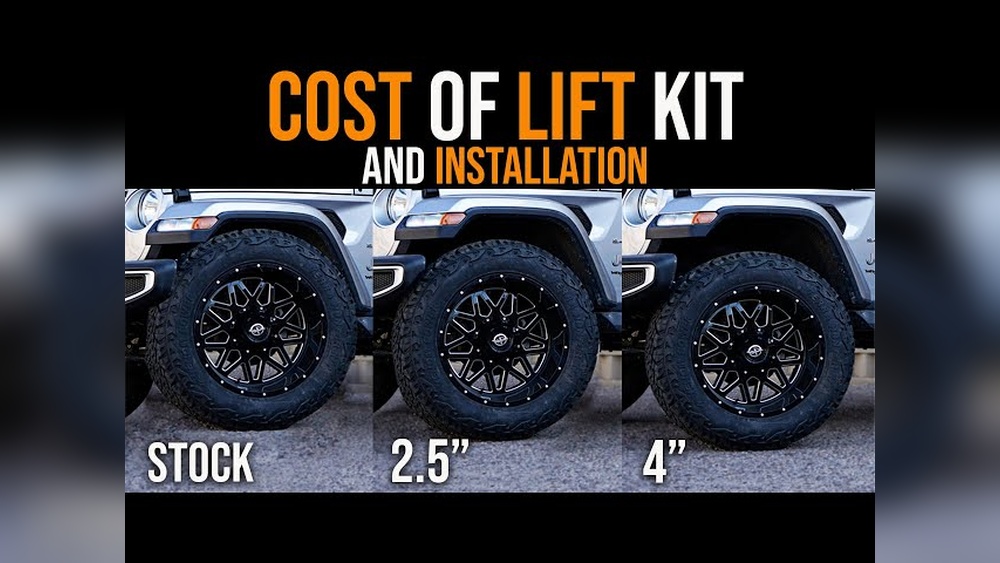
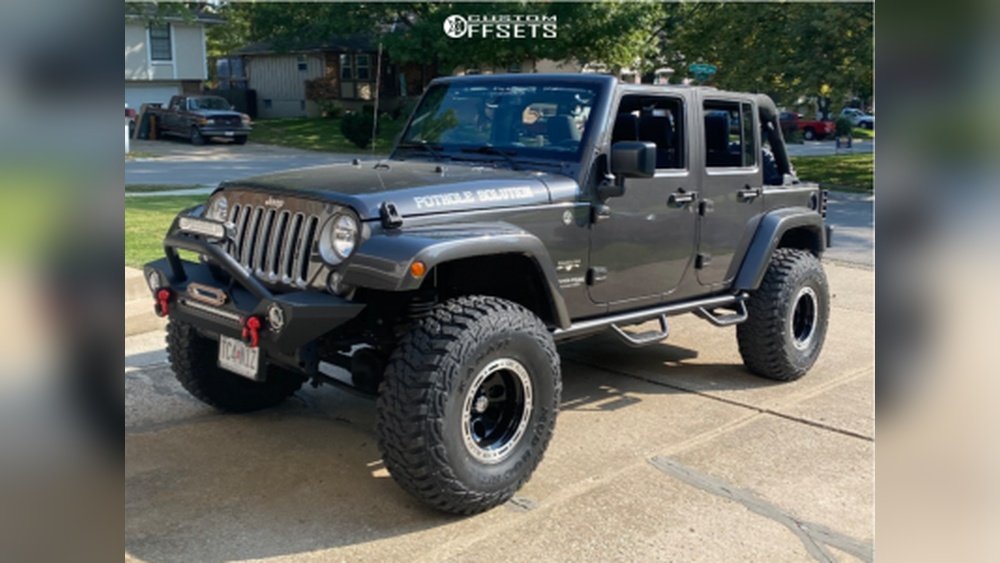
One of the most immediate visual changes from installing wheel spacers is a wider stance. Pushing the wheels outward makes the Jeep appear more rugged and planted. This wider track width can also contribute to improved vehicle stability, especially when tackling uneven terrain or at higher speeds. A more stable vehicle inspires more confidence, whether you’re crawling over rocks or cruising down the highway. The aggressive look is a significant draw for many, giving the JK a more purposeful and ready-for-action appearance.
Clearing Larger Tires
A primary functional benefit of wheel spacers is their ability to help clear larger tires. When you upgrade to bigger tires, they can sometimes rub against suspension components like the control arms or sway bar links, especially at full steering lock or during suspension articulation. Wheel spacers push the wheel away from these parts, providing the necessary clearance. This allows you to fit larger tire sizes without needing a more complex or expensive lift kit, or it can complement a lift kit by providing just enough extra room. For 15-inch wheels, which are often paired with off-road tires, this is a critical consideration for many JK owners.
Enhancing Steering And Suspension Geometry
In some cases, wheel spacers can subtly improve steering and suspension geometry. By widening the stance, they can slightly alter the scrub radius, which is the point where the steering axis intersects the ground. While not always a primary reason for installation, some off-roaders find that a slightly adjusted scrub radius can lead to more predictable handling, particularly when navigating challenging trails. It can also help reduce the strain on certain suspension components by allowing them to operate in a slightly different, sometimes more advantageous, angle.
Correcting Offset Issues
Aftermarket wheels often have different offset values than stock wheels. Offset refers to how the wheel is mounted to the hub. A positive offset means the mounting surface is closer to the outside of the wheel, while a negative offset means it’s closer to the inside. If you install aftermarket wheels with an offset that causes the tire to sit too far inward, it can lead to rubbing. Wheel spacers can effectively correct this by pushing the wheel outward, achieving the desired fitment and preventing interference with suspension parts.
Types Of Jeep Jk 15 Inch Wheel Spacers
Not all wheel spacers are created equal. They come in different designs, materials, and mounting methods, each with its own advantages and disadvantages.
Understanding these distinctions is key to selecting the right product for your Jeep JK.
Bolt-on Wheel Spacers
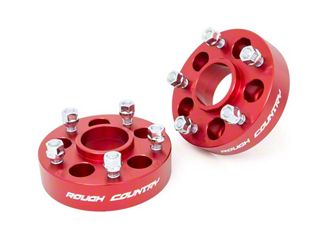
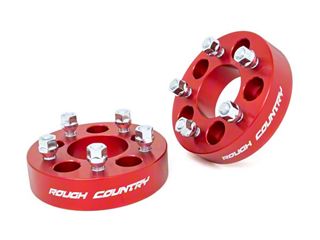
Bolt-on wheel spacers are the most common type. They consist of a thick plate with holes drilled through it. One set of holes aligns with your Jeep’s wheel studs, and the other set of holes uses new studs (which come with the spacer) to mount the wheel.
- How they work: These spacers bolt directly to your Jeep’s hub. Then, your wheel bolts onto the studs that are integrated into the spacer.
- Pros: Generally offer the most significant increase in track width. They are often more robust for heavy-duty off-roading.
- Cons: They add more unsprung weight. The increased leverage on your wheel bearings can be a concern, especially with very thick spacers or aggressive driving. Proper installation is critical.
Stud-through Wheel Spacers
Stud-through wheel spacers, also known as universal spacers or clip-on spacers, are thinner and have holes large enough for your Jeep’s original studs to pass through. Your wheel then bolts onto your Jeep’s original studs.
- How they work: These spacers are sandwiched between your Jeep’s hub and the wheel. Your original lug nuts secure both the spacer and the wheel to the hub.
- Pros: Lighter than bolt-on spacers. Less impact on wheel bearings as they don’t introduce new studs. Can be more affordable.
- Cons: Generally not recommended for significant track width increases or aggressive off-roading. They rely solely on the friction between the spacer and the hub, and the lug nuts securing the wheel, which can be less secure than a bolt-on system if not properly maintained. Available in thinner sizes, typically up to 0.5 inches.
Materials And Construction
The material and construction of your wheel spacers significantly impact their durability, strength, and weight.
Aluminum Alloys
Most high-quality wheel spacers are made from aluminum alloys, such as 6061-T6. This material is chosen for its excellent strength-to-weight ratio. It’s strong enough to withstand the stresses of driving, yet relatively lightweight, which helps minimize the added unsprung mass. Machined aluminum spacers are common, offering precision fitment.
Steel
Some cheaper or heavy-duty spacers might be made from steel. Steel is stronger than aluminum but significantly heavier. This added weight can negatively impact fuel economy and put more stress on your suspension components. For most Jeep JK applications, especially with 15-inch wheels where weight is often a concern, aluminum is the preferred material.
Anodizing And Coatings
High-quality spacers often feature anodizing or other protective coatings. This treatment enhances corrosion resistance, preventing rust and maintaining the spacer’s appearance over time, especially important for components exposed to the elements.
Key Considerations When Choosing Jeep Jk 15 Inch Wheel Spacers
Selecting the right wheel spacers for your Jeep JK requires careful consideration of several factors to ensure safety, compatibility, and desired performance.
Thickness: How Much Spacing Do You Need?
The thickness of the spacer is perhaps the most critical factor. For 15-inch wheels, common spacer thicknesses range from 1 inch to 2 inches, though thicker options exist.
- 1-inch to 1.5-inch spacers: These are good for providing just enough clearance for slightly larger tires or to achieve a mild wider stance. They generally have less impact on wheel bearings.
- 2-inch spacers: These offer a more aggressive stance and are often used when fitting larger tires (e.g., 33-inch or 35-inch) to clear suspension components. However, they place more stress on your wheel bearings and suspension.
Pro Tip: Always measure your current clearance before deciding on a thickness. Check how much room you have between your current tire and the suspension components (control arms, fender liners, etc.) at full steering lock. This will give you a good idea of how much space you need.
Bolt Pattern Compatibility
Your Jeep JK has a specific bolt pattern, which is the diameter of the circle on which the wheel studs are arranged. For most Jeep JK models, this is 5×5 inches (or 5x127mm). Ensure the spacers you purchase have the correct bolt pattern to match your Jeep’s hub and the bolt pattern of your wheels. Mismatched bolt patterns are a serious safety hazard.
Hub-centric Vs. Lug-centric
This refers to how the spacer centers itself on the hub and how the wheel is centered on the spacer.
- Hub-centric spacers: These have a raised lip on one side that fits perfectly into your Jeep’s hub bore, and a corresponding recess on the other side to center the wheel. This ensures the wheel is perfectly centered on the hub, which is the most stable and recommended setup.
- Lug-centric spacers: These rely entirely on the lug nuts to center the wheel. While functional, they can be more prone to vibrations if not installed perfectly.
For Jeep JK 15 inch wheel spacers, hub-centric designs are strongly preferred for optimal performance and safety.
Material Quality And Durability
As mentioned earlier, 6061-T6 aluminum alloy is the industry standard for quality wheel spacers. Look for spacers that are heat-treated and have a good anodized finish for corrosion resistance. Cheaper spacers made from lesser materials or with poor construction can bend, crack, or corrode, leading to dangerous failures.
Integrated Studs And Lug Nuts
If you opt for bolt-on spacers, pay attention to the quality of the integrated studs and the lug nuts provided. The studs should be strong and precisely threaded. The lug nuts should be appropriately sized for your Jeep’s studs and ideally be conical or acorn seat style to properly seat your wheels.
Manufacturer Reputation And Reviews
Always research the manufacturer’s reputation and read customer reviews. Reputable brands often stand behind their products with warranties and have a track record of producing reliable components. Reviews can highlight common issues or praise the quality and fitment of specific products.
Installation Guide For Jeep Jk 15 Inch Wheel Spacers
Proper installation is paramount for the safety and longevity of your wheel spacers and your Jeep. If you are not comfortable with mechanical work, it is highly recommended to have a professional mechanic install them.
Tools And Materials Needed
- Jack and Jack Stands: To safely lift and support your Jeep.
- Lug Wrench: To remove and tighten lug nuts.
- Torque Wrench: Essential for tightening lug nuts to the correct specifications.
- Wire Brush: To clean the hub surface.
- Anti-Seize Lubricant: A small amount for the hub mating surface (optional, but can help prevent seizing).
- Thread Locker (Blue): For the bolts securing the spacer to the hub (use as recommended by the spacer manufacturer).
- Wheel Spacers: The correct size and type for your Jeep JK.
- New Lug Nuts: Often provided with bolt-on spacers.
Step-by-step Installation Process (bolt-on Spacers)
- Prepare the Vehicle: Park your Jeep on a level surface. Engage the parking brake and place wheel chocks behind the rear wheels (if working on the front) or in front of the front wheels (if working on the rear).
- Loosen Lug Nuts: Before lifting the Jeep, slightly loosen the lug nuts on the wheel you will be working on. Just a quarter to half a turn is sufficient.
- Lift and Support: Use your jack to lift the Jeep at the designated jack point. Place a sturdy jack stand securely under the frame or axle to support the vehicle. Lower the Jeep onto the jack stand. Never work under a vehicle supported only by a jack.
- Remove the Wheel: Fully remove the lug nuts and carefully take off the wheel.
- Clean the Hub: Thoroughly clean the wheel hub surface using a wire brush. Ensure it is free of dirt, rust, and debris. A clean surface ensures proper mating of the spacer.
- Install the Spacer:
- Place the wheel spacer onto the wheel hub.
- Align the holes in the spacer with the Jeep’s original wheel studs.
- Apply Blue Thread Locker to the threads of the bolts that will secure the spacer to the hub (follow manufacturer’s instructions).
- Install the spacer mounting bolts and tighten them evenly in a star pattern.
- Torque the bolts to the manufacturer’s specified torque setting using a torque wrench. This is critical for safety.
- Reinstall the Wheel:
- Place the Jeep wheel back onto the studs of the spacer.
- Thread on the new lug nuts (provided with the spacers) and tighten them by hand as much as possible.
- Lower the Vehicle: Carefully lift the Jeep off the jack stand and remove the stand. Slowly lower the vehicle to the ground.
- Final Torquing: With the wheel now on the ground, use your torque wrench to tighten the lug nuts to the manufacturer’s specified torque for your Jeep JK (typically around 100-120 ft-lbs). Tighten them in a star pattern to ensure the wheel seats evenly.
Important Installation Notes
- Read the Manufacturer’s Instructions: Always refer to the specific installation guide provided by the wheel spacer manufacturer. They may have unique recommendations for their product.
- Torque is Crucial: Under-torquing or over-torquing can lead to dangerous situations. Use a calibrated torque wrench.
- Thread Locker: Use the recommended type and amount of thread locker. Blue thread locker is typically used for this application as it’s semi-permanent and can be removed with heat if necessary.
- Check for Clearance: After installation, turn the steering wheel fully in both directions and check for any rubbing between the tire and suspension components or the fender liner.

Maintenance And Checks After Installation
Wheel spacers add complexity to your wheel assembly, and they require regular maintenance to ensure continued safety.
Initial Checks (after 50-100 Miles)
After driving approximately 50 to 100 miles on newly installed spacers, it is essential to re-torque all the lug nuts on the wheels that have spacers. The vibrations from driving can cause the lug nuts to loosen slightly.
- Re-torque: Follow the same star pattern used during installation and torque all lug nuts to the manufacturer’s specification.
- Inspect: Visually inspect the spacers for any signs of damage, cracks, or corrosion. Check that the bolts securing the spacer to the hub are still tight.
Ongoing Maintenance
- Regular Inspections: Make it a habit to check your wheel spacer lug nuts and mounting bolts at every tire rotation or oil change.
- Listen for Noises: Be attentive to any unusual noises, such as clicking, grinding, or vibrations, which could indicate a loose component or a problem with the spacer or wheel bearing.
- Cleanliness: Keep the area around the wheel hubs and spacers clean. Dirt and debris can get trapped