When your Jeep suddenly loses power, struggles to accelerate, or feels like it’s stuck in a lower gear, you might be dealing with limp mode. This safety feature can surprise even experienced drivers, leaving them confused and frustrated.
Understanding why limp mode happens, how to respond, and what steps to take next can save you from panic and costly mistakes.
What Is Limp Mode In A Jeep?
Limp mode (sometimes called “fail-safe mode”) is a built-in function in most modern Jeeps. When the vehicle’s computer detects a serious issue, it limits the engine power and sometimes locks the transmission in one gear. This helps protect your engine and transmission from further damage while allowing you to drive slowly to a safe location or repair shop.
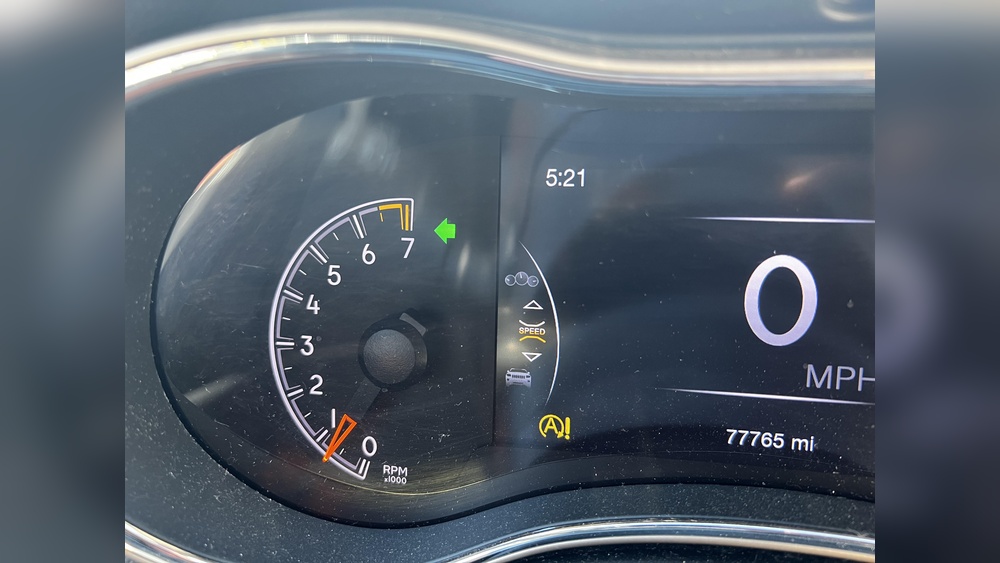
Typical signs of limp mode in a Jeep include:
- Sudden loss of power
- Stuck in 2nd or 3rd gear
- Check engine light turns on
- Reduced top speed (often around 30–45 mph)
- Poor throttle response
This isn’t just an inconvenience; it’s your Jeep’s way of preventing a small problem from turning into a big, expensive one.
Common Causes Of Jeep Limp Mode
Several issues can trigger limp mode. Some are minor and easy to fix, while others might require professional attention.
- Transmission problems: Low fluid, faulty solenoids, or slipping gears often cause limp mode.
- Sensor failures: A bad throttle position sensor, mass air flow sensor, or speed sensor can send the wrong signals.
- Electrical issues: Loose connections, corroded wires, or a weak battery can confuse the car’s computer.
- Engine overheating: If the engine gets too hot, the system limits power to prevent damage.
- Faulty shift solenoids: These control gear changes; if one fails, the transmission may get stuck.
Here’s a quick comparison of common causes and their likelihood in Jeeps:
| Cause | Frequency | Typical Fix |
|---|---|---|
| Transmission Fluid Low | High | Refill/Check for leaks |
| Sensor Failure | Medium | Replace sensor |
| Electrical Issue | Medium | Repair wiring/Replace battery |
| Engine Overheating | Low | Coolant flush/Check radiator |
How To Diagnose Limp Mode
You don’t need to be a mechanic to start troubleshooting. Begin with these steps:
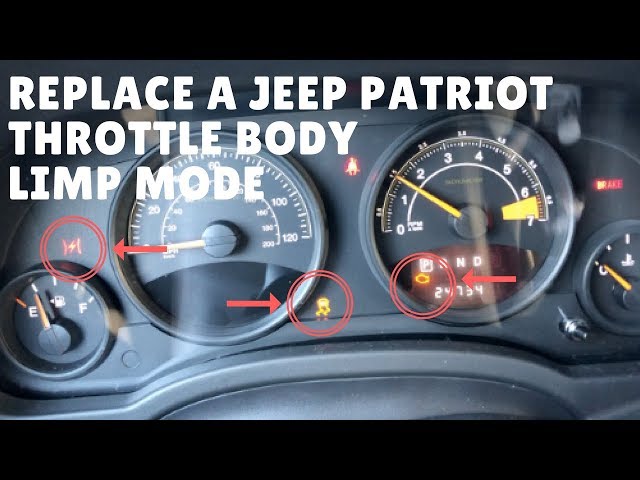
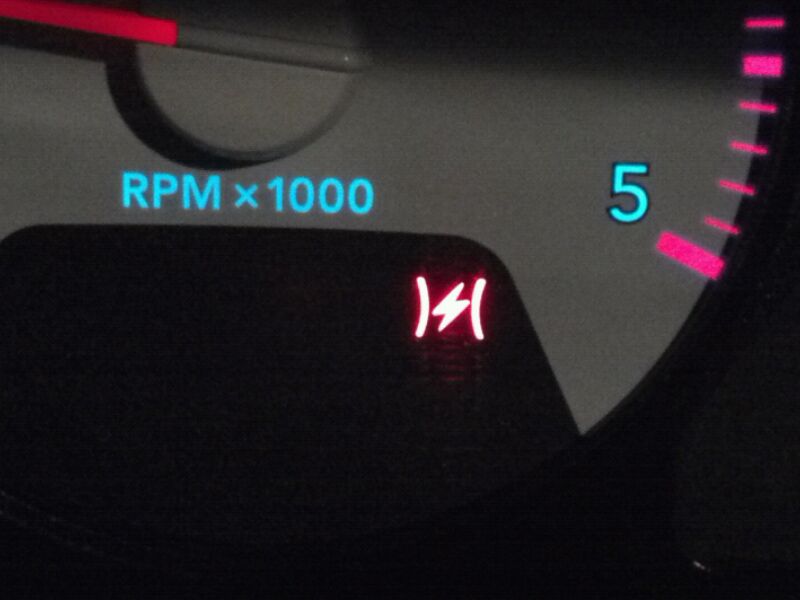
- Look for warning lights: The check engine or transmission light often comes on. Note any other warning symbols.
- Listen and feel: Is the Jeep stuck in one gear? Is the engine running rough?
- Try restarting: Safely turn off the engine, wait a minute, and restart. Sometimes the system resets if the problem was temporary.
- Use an OBD-II scanner: Plugging a scanner into your Jeep gives you error codes that point to the problem area.
For example, error code P0700 usually means a transmission control issue, while P0123 relates to the throttle position sensor.
Here’s a simple data table showing common error codes and what they mean:
| Error Code | Possible Cause |
|---|---|
| P0700 | Transmission control system malfunction |
| P0123 | Throttle position sensor high input |
| P0720 | Output speed sensor circuit |
| P0715 | Input speed sensor malfunction |
Steps To Take When Your Jeep Enters Limp Mode
Don’t panic if your Jeep goes into limp mode. Follow these practical steps:
- Pull over safely: Avoid busy roads if possible.
- Check fluid levels: Low transmission or engine oil can trigger limp mode.
- Restart the vehicle: A simple reset may work if the issue was a brief glitch.
- Limit driving: Only drive to the nearest safe place or mechanic. High speeds or long distances can cause more damage.
- Read codes: If you have an OBD-II scanner, check for error codes. This helps you or your mechanic find the root cause faster.
Important insight: Sometimes, simply disconnecting the battery for 10 minutes can reset the computer and clear limp mode, but this only works if the problem was minor or temporary.
https://www.youtube.com/watch?v=L5BFuY19rfM
How To Fix Jeep Limp Mode
Fixing limp mode depends on the cause. Some solutions are easy and can be done yourself, while others need a professional.
- Top off fluids: Make sure your transmission and engine oil are at the correct levels.
- Replace sensors: Swapping out a faulty sensor can solve the issue.
- Check wiring: Look for any obvious loose or damaged wires under the hood.
- Clear codes: After repairs, use a scanner to clear error codes and see if limp mode returns.
- Visit a qualified mechanic: If the problem keeps coming back, don’t ignore it—long-term limp mode can cause expensive damage.
Advanced tip: Some Jeeps have “hidden” transmission filters that should be changed regularly. Skipping this maintenance increases the risk of limp mode.
Preventing Limp Mode In The Future
Prevention is always better than repair. Regular maintenance reduces the risk of limp mode. Here’s what you can do:
- Change fluids on schedule: Don’t skip transmission service intervals.
- Inspect wiring and connectors: Clean off corrosion and fix any loose plugs.
- Check for recalls or software updates: Sometimes, limp mode is caused by outdated software.
- Drive smoothly: Aggressive driving wears out transmission parts faster.
- Listen for changes: Unusual noises or shifting patterns should be checked early.
Jeeps are known for their ruggedness, but even tough vehicles need regular care to avoid limp mode surprises.
Frequently Asked Questions
<!– wp:rank-math/faq-block {"questions":[{"id":"faq-question-5c1b77a8001d","title":"What Does Limp Mode Feel Like In A Jeep?","content":"Limp mode feels like your Jeep suddenly has no power. The engine may not rev high, and the transmission may be stuck in a low gear. You’ll also notice the check engine or transmission warning light.
“,”visible”:true},{“id”:”faq-question-1cf2ef5f7b9c”,”title”:”Can I Drive My Jeep In Limp Mode?”,”content”:”You can drive short distances in limp mode to reach safety or a repair shop. However, driving long distances or at highway speeds is risky and can cause more damage.
“,”visible”:true},{“id”:”faq-question-d78563ecae7d”,”title”:”How Do I Reset Limp Mode?”,”content”:”You can try turning the engine off for a few minutes, checking fluid levels, or disconnecting the battery for 10 minutes. If the underlying problem remains, limp mode will return.
“,”visible”:true},{“id”:”faq-question-3e8872651066″,”title”:”Do All Jeeps Have Limp Mode?”,”content”:”Most modern Jeeps with automatic transmissions have a limp mode feature. Older, manual transmission Jeeps may not have this protection.
“,”visible”:true},{“id”:”faq-question-571bf7974a38″,”title”:”Where Can I Find More Information About Jeep Diagnostics?”,”content”:”You can find detailed information and community advice on the official Jeep website.
When limp mode strikes, it’s a warning from your vehicle—not just an inconvenience. Acting fast and understanding the basics can keep repair costs low and keep your Jeep ready for the road ahead.
“,”visible”:true}]} –>What Does Limp Mode Feel Like In A Jeep?
Limp mode feels like your Jeep suddenly has no power. The engine may not rev high, and the transmission may be stuck in a low gear. You’ll also notice the check engine or transmission warning light.
Can I Drive My Jeep In Limp Mode?
You can drive short distances in limp mode to reach safety or a repair shop. However, driving long distances or at highway speeds is risky and can cause more damage.
How Do I Reset Limp Mode?
You can try turning the engine off for a few minutes, checking fluid levels, or disconnecting the battery for 10 minutes. If the underlying problem remains, limp mode will return.
Do All Jeeps Have Limp Mode?
Most modern Jeeps with automatic transmissions have a limp mode feature. Older, manual transmission Jeeps may not have this protection.
Where Can I Find More Information About Jeep Diagnostics?
You can find detailed information and community advice on the official Jeep website.
When limp mode strikes, it’s a warning from your vehicle—not just an inconvenience. Acting fast and understanding the basics can keep repair costs low and keep your Jeep ready for the road ahead.