Jeep Heater Repair: How To Fix Common Problems
When cold weather hits, a working Jeep heater is not just about comfort—it’s about safety. Many Jeep owners find their heaters stop working right when they need them most.
The good news? Most heater issues can be fixed with the right approach.
If your Jeep’s heater is blowing cold air, making strange noises, or not working at all, this guide will help you understand the causes and solutions. Let’s look at how to diagnose, repair, and maintain your Jeep’s heating system, so you stay warm and safe on the road.
Common Jeep Heater Problems
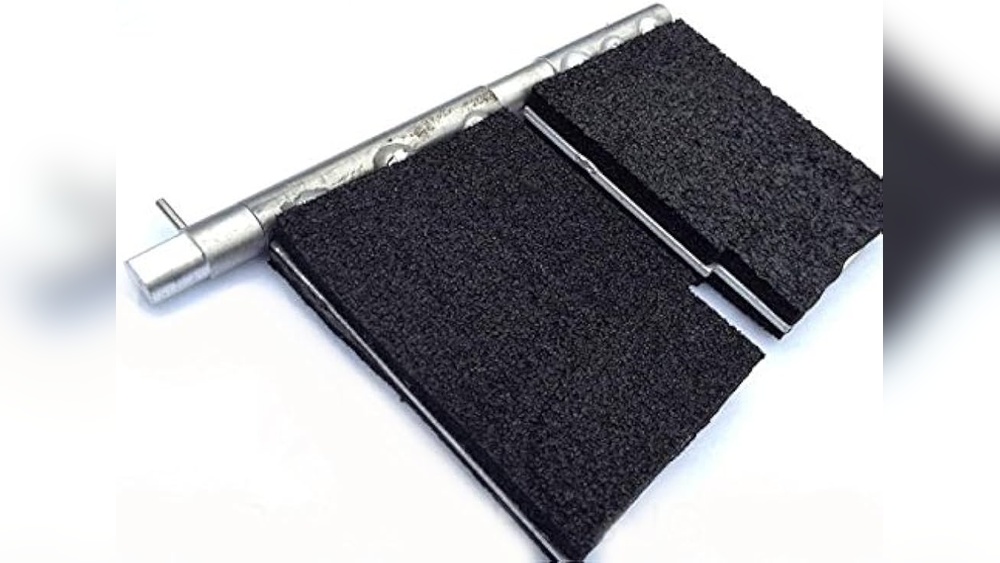
Heater issues in Jeeps often fall into a few main categories. Understanding these helps you find the real cause faster.
1. Heater Blows Cold Air
This is the most frequent problem. Instead of warm air, you get cold or lukewarm air, even after your Jeep is warmed up.
2. Weak Airflow
Sometimes the heater works, but the air barely comes out. This usually means a blockage or a weak blower motor.
3. No Air At All
When you turn the heater on, nothing happens. This points to a blown fuse, faulty switch, or dead blower motor.
4. Strange Noises
If you hear rattling, grinding, or whistling, something is stuck in the system or a part is wearing out.
5. Leaks Or Foggy Windows
A leaking heater core can cause coolant on the floor or foggy inside windows. This is a sign of a bigger problem that needs fast attention.
Diagnosing Jeep Heater Issues
Before you start replacing parts, take a systematic approach to diagnosis.
| Symptom | Possible Cause | Quick Test |
|---|---|---|
| Blows cold air | Low coolant, stuck thermostat, clogged heater core | Check coolant level, feel heater hoses |
| Weak airflow | Clogged cabin filter, blower issue, blocked vents | Inspect filters, listen for blower noise |
| No air | Blown fuse, failed blower motor | Test fuses, check for power at blower |
| Leaks/foggy windows | Leaking heater core | Look for coolant under dash |
A simple tip: Always check your coolant level first. Low coolant is a very common cause and can lead to engine overheating as well.
Jeep Heater Repair: Step-by-step Solutions
Now, let’s look at how to repair the most common Jeep heater problems. These steps work for popular models like Wrangler, Cherokee, and Grand Cherokee.
1. Fixing Cold Air Issues
- Check coolant level: Open the radiator cap (when engine is cool) and check if the coolant is full.
- Inspect the thermostat: If your Jeep takes a long time to warm up, the thermostat may be stuck open. Replace if needed.
- Flush the heater core: If both heater hoses are hot, the core is likely okay. If one is cold, the core may be clogged. Flushing it can restore heat.
2. Repairing Weak Or No Airflow
- Replace the cabin air filter: A dirty filter restricts air. Most Jeeps have an easy-to-access filter behind the glove box.
- Test the blower motor: Turn the heater to max. If you hear nothing, check the fuse and relay, then test the motor for power.
- Clear air ducts: Sometimes debris like leaves or animal nests block the vents.
3. Fixing Leaks And Foggy Windows
A leaking heater core is serious. You may notice a sweet smell, wet carpet, or low coolant.
- Inspect under the dash: Look for wetness or coolant drips.
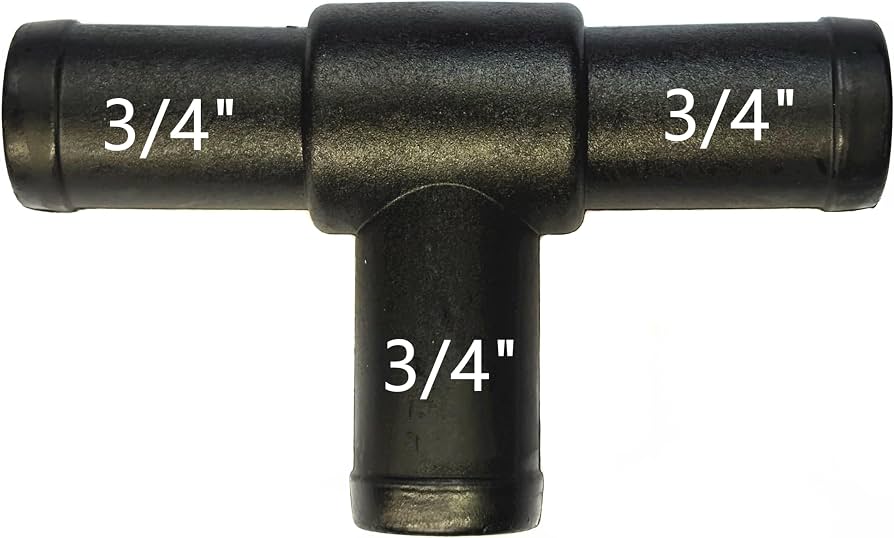
- Bypass the heater core: As a temporary fix, you can join the two heater hoses together under the hood. This stops leaks but you lose heat until a new core is installed.
Jeep Heater Core Replacement: What To Expect
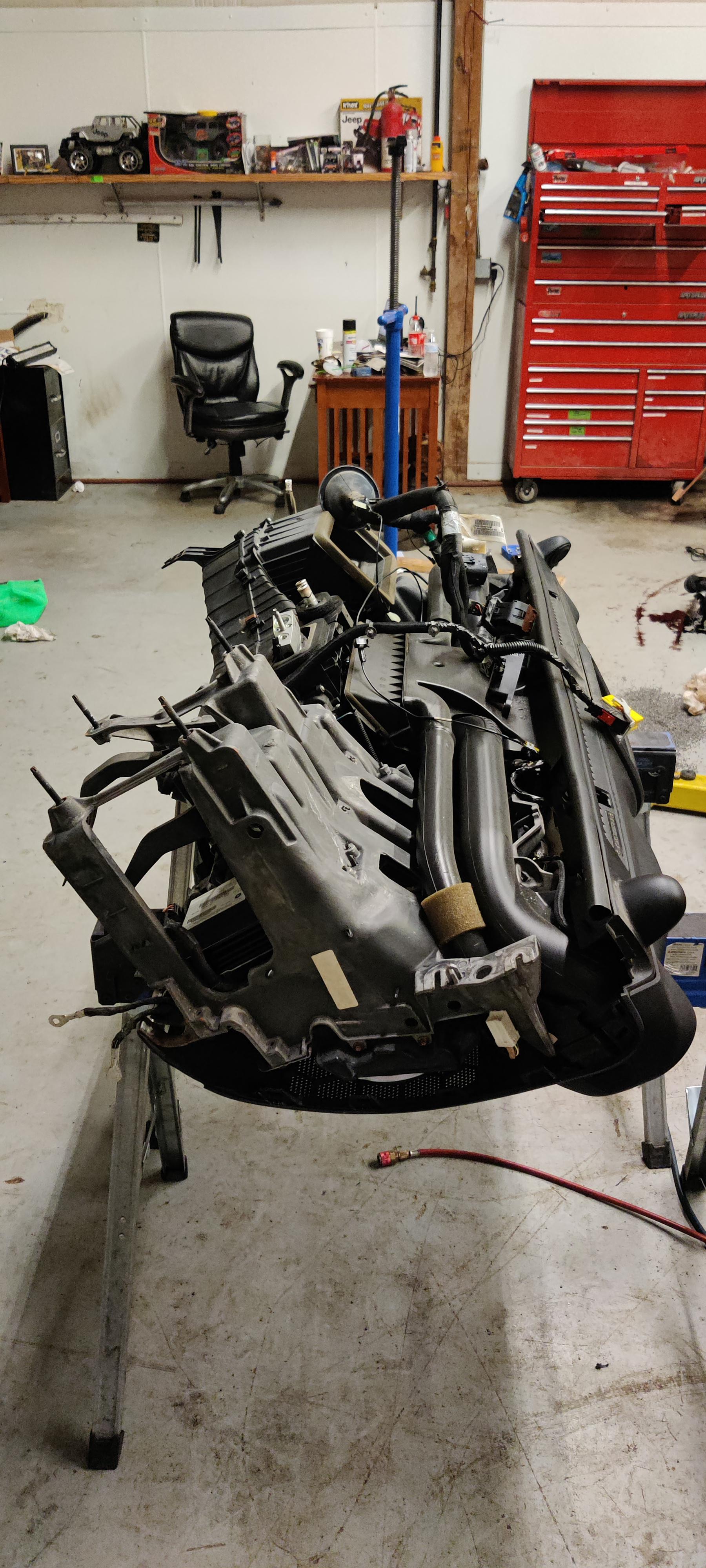
Replacing a heater core is one of the most complex Jeep heater repairs. It usually requires removing the dashboard. This job takes 6–10 hours for most mechanics.
| Model | Labor Time (hours) | Average Cost ($) |
|---|---|---|
| Wrangler (TJ/JK) | 6–8 | $700–$1,200 |
| Cherokee (XJ) | 7–10 | $800–$1,400 |
| Grand Cherokee (WJ/JK) | 8–10 | $900–$1,500 |
For DIYers, replacing the core at home is possible but challenging. Take photos during disassembly and label wires.
If you’re not confident, let a pro handle it.
Preventing Heater Problems In Your Jeep
Preventative maintenance keeps your Jeep’s heater working longer.
- Flush coolant every 2–3 years: Old coolant causes rust and clogs.
- Replace the cabin air filter yearly
- Check for leaks after off-road driving
- Run the heater briefly in summer: This keeps the system lubricated.
A hidden tip: After deep water crossings, check for debris in the vents. Mud or leaves can block airflow and cause heater failure over time.
When To Call A Professional
You can fix many heater problems at home with basic tools. But call a pro if:
- You see coolant leaking inside the cabin
- The dash needs to come out
- The problem returns after repair
Experienced mechanics have special tools to test for leaks and blockages. Sometimes, a small investment saves you time and frustration.

Cost Comparison: Diy Vs. Professional Jeep Heater Repair
Understanding the cost difference helps you decide the best route.
| Repair Type | DIY Cost (parts only) | Professional Cost (parts + labor) |
|---|---|---|
| Thermostat replacement | $25–$60 | $150–$250 |
| Heater core flush | $10–$30 | $90–$180 |
| Blower motor replacement | $50–$120 | $200–$400 |
| Heater core replacement | $60–$180 | $700–$1,500 |
Two things beginners often miss: First, always use Jeep-approved coolant. Universal coolants can shorten heater life. Second, after repairs, “burp” the cooling system to remove trapped air, or you may face more heater issues.
Frequently Asked Questions