Owning a Jeep is all about adventure, but discovering water dripping inside your cabin after a rainstorm is a common frustration. Jeep hard top leaks are more widespread than many owners expect, especially in popular models like the Wrangler and Gladiator.
These leaks can lead to mold, electrical issues, and even interior damage if ignored. Understanding why they happen and how to fix them can save money and keep your Jeep ready for any journey.
Why Jeep Hard Top Leaks Happen
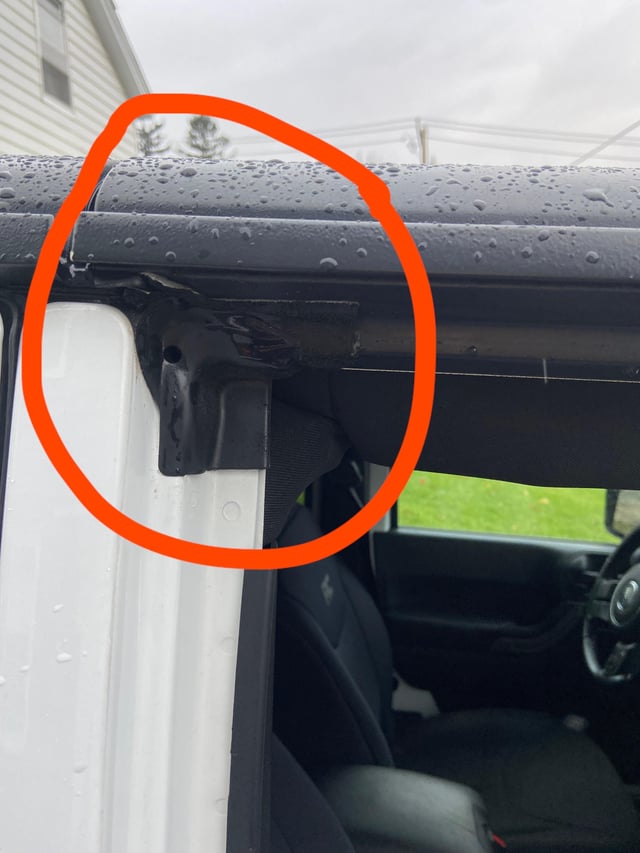
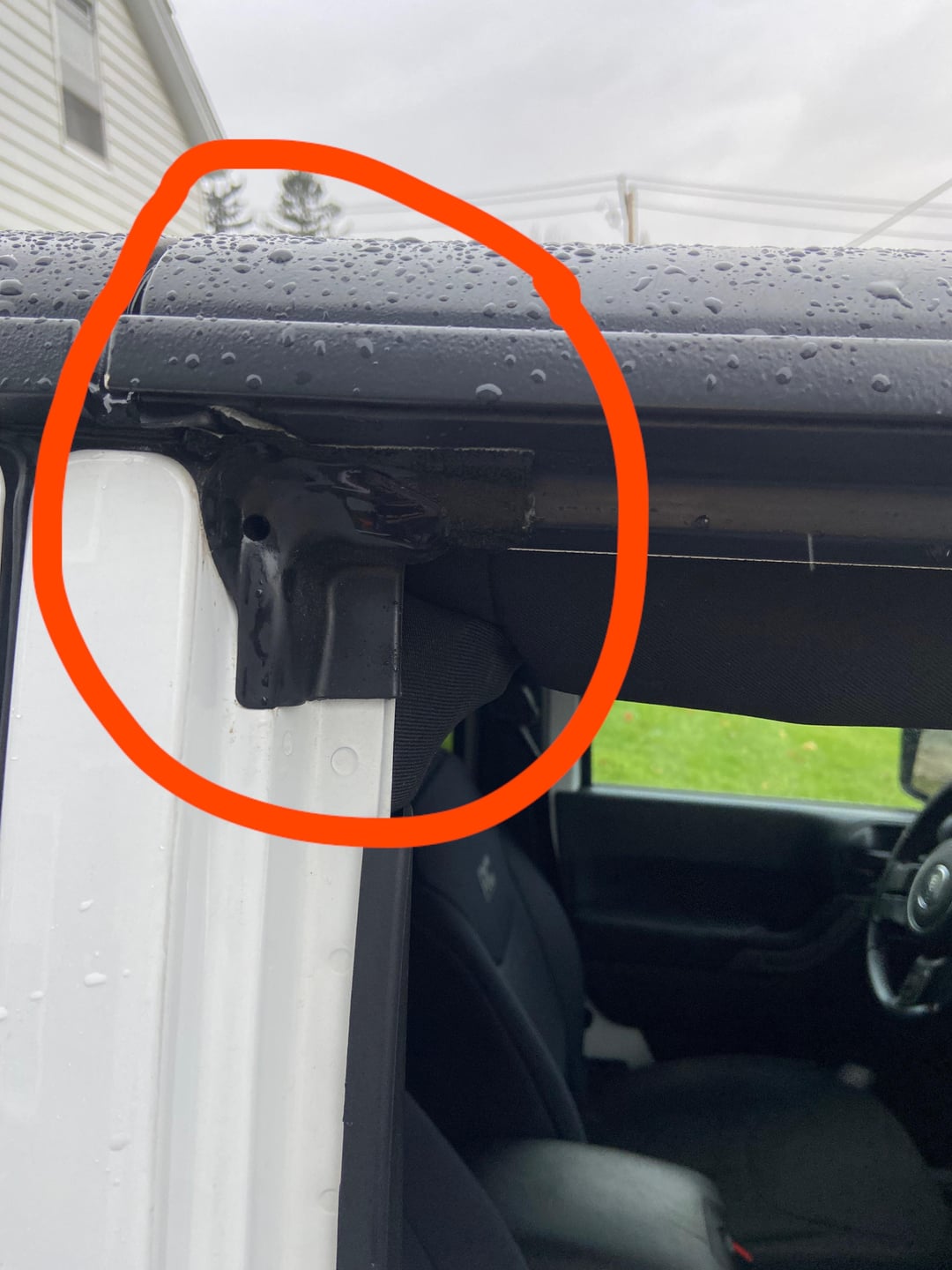
Most Jeep hard tops are designed for easy removal, which means many seals and joints. Over time, these can be weak points for water entry.
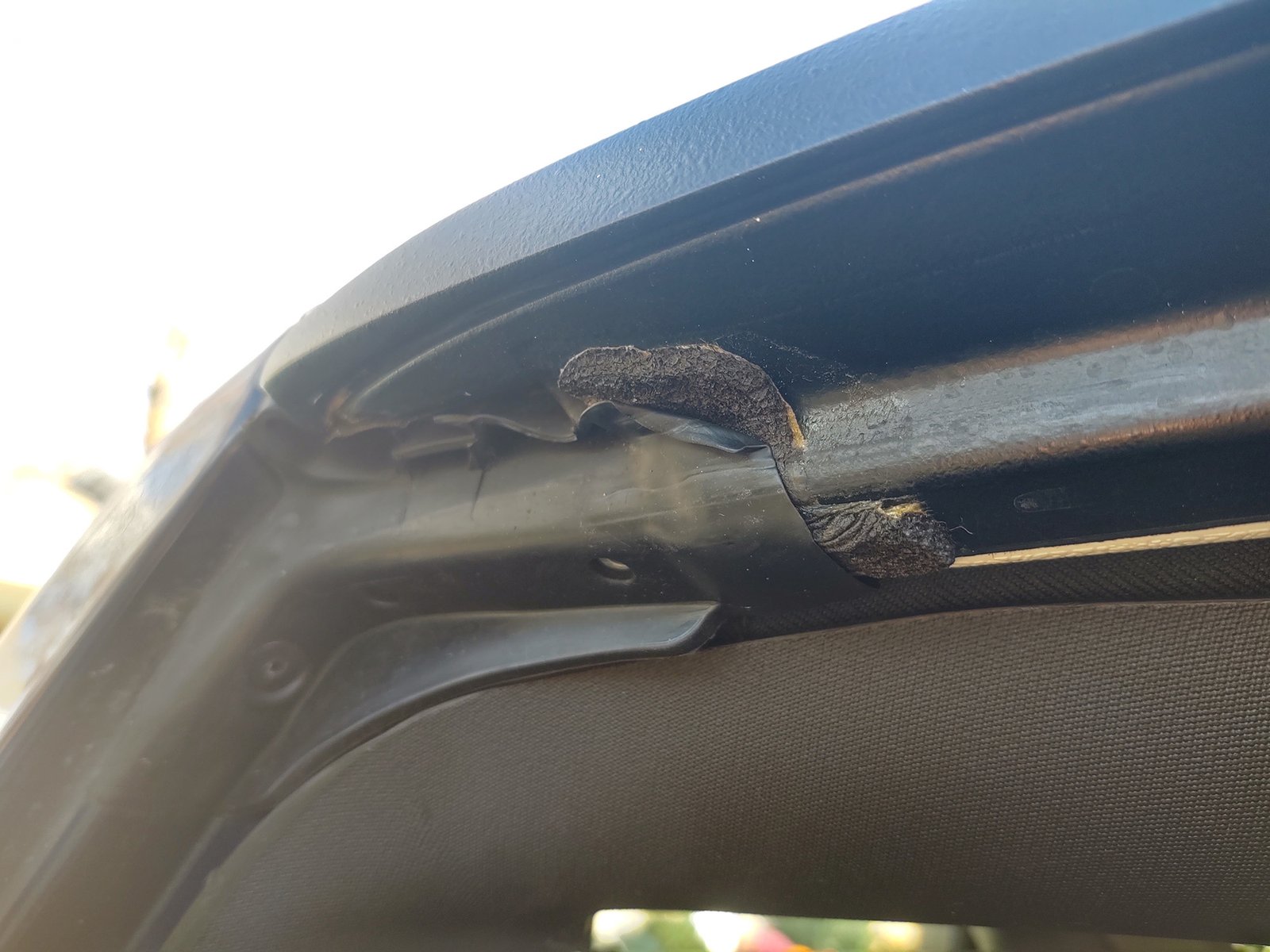
- Weather stripping wears out: Rubber seals dry, crack, or flatten, leaving small gaps for water.
- Improper installation: Even slight misalignment when reinstalling the top can let rain in.
- Design limitations: Some factory hard tops have areas that are just prone to leaks, especially near the Freedom Panels and rear corners.
- Clogged drain holes: Many Jeeps have built-in drainage, but these easily get blocked by debris.
An overlooked insight is that off-roading can actually loosen seals and hardware. Vibrations and body flex from trails may create new gaps, even if everything was dry before.
Common Leak Locations
Knowing where to check first can help you solve the problem faster. Here are the spots Jeep owners report most:
| Location | Model/Years Most Affected | Symptoms |
|---|---|---|
| Freedom Panels | Wrangler JK/JL (2007+) | Drips above dash/center console |
| Rear Corners | All hard tops | Water pooling in cargo area |
| Door Seals | Wrangler, Gladiator | Wet carpet near doors |
| Windshield Header | Wrangler TJ/JK | Drips on dash or speaker |
Less obvious leaks can run along interior panels, making it hard to spot the entry point. Sometimes, water appears far from the actual leak due to the Jeep’s angled roof and interior contours.
Diagnosing Hard Top Leaks
Pinpointing the exact source takes patience. Here’s a practical process:
- Visual inspection: Check all visible seals for cracks, cuts, or missing pieces.
- Water test: Use a garden hose to gently spray areas one at a time while someone sits inside to watch.
- Chalk or baby powder method: Dust seals with powder, reinstall the top, and spray with water. Water tracks will show where it’s getting in.
- Check for loose bolts: Especially around the Freedom Panels and main top clamps. Even a small gap can cause a leak.
A common beginner mistake is only checking above the wet spot. Always look higher, since water travels downward inside the Jeep.
Fixing And Preventing Leaks
Most leaks can be handled at home, but some need professional help. Here are the key solutions:
Replacing Weather Stripping
Damaged seals are the main culprit. Replacement kits are available for most Jeep models and are easy to install with basic tools.
Clean the area well before applying new weather stripping for the best bond.
Reseating The Hard Top
Remove the top completely and reinstall it, making sure all latches and bolts are tight and aligned. Doing this after any off-roading trip is a good habit.
Sealing With Silicone
For small gaps, automotive-grade silicone sealant can temporarily stop leaks. Apply a thin bead along the offending seam and let it cure fully before reinstalling.
Clearing Drain Channels
Inspect and clear any blocked drains near the top or doors. A thin wire or compressed air can push out dirt and leaves.
When To Seek Professional Help
If leaks continue after these steps or you notice interior water damage, consult a Jeep specialist. Sometimes, the hard top itself is warped or cracked, needing more than DIY fixes.
Comparing Hard Top Materials
Not all hard tops are made the same. Here’s a quick look at how material affects leak risk:
| Material | Durability | Leak Resistance | Weight |
|---|---|---|---|
| Fiberglass | High | Good | Heavy |
| Composite Plastic | Moderate | Moderate | Medium |
| Aftermarket Panels | Varies | Varies | Light/Medium |
Fiberglass tops are tougher and resist warping, but all materials rely on good seals for waterproofing.
Maintenance Tips To Avoid Leaks
Regular attention keeps leaks away:
- Clean seals monthly with mild soap and water.
- Lubricate rubber with silicone spray to prevent drying out.
- Inspect after every off-road trip for shifted panels or loose hardware.
- Store hard top panels properly when removed to avoid warping.
A tip most Jeep owners miss: always check for leaks after installing accessories like roof racks or light bars, as added holes or bolts can create new water paths.
Cost Of Repair
Leak repairs can be affordable if handled early. Here’s a general comparison of costs:
| Repair Type | DIY Cost | Professional Cost |
|---|---|---|
| Weather Stripping | $30–$80 | $100–$250 |
| Sealant Application | $10–$20 | $60–$120 |
| Hard Top Replacement | – | $1,500–$2,500 |
Catching problems early keeps costs down and prevents interior damage.
When Is A Leak A Bigger Problem?
If water is reaching electrical components or causing mold, act quickly. Wet seat belts, rusted bolts, or a persistent musty smell mean you need to address the leak before it creates expensive damage.
In rare cases, leaks can even affect airbags or dashboard electronics.
Regularly drying out your Jeep and using moisture absorbers can help while you work on a permanent fix.