Jeep Grand Cherokee Zj Rock Sliders: Protecting Your Off-road Beast
The Jeep Grand Cherokee ZJ, produced from 1993 to 1998, is a beloved SUV known for its blend of on-road comfort and respectable off-road capability.
While it wasn't built to tackle extreme rock crawling like some of its more dedicated Jeep siblings, many ZJ owners venture off the beaten path, pushing their vehicles beyond their factory limits.
When you start exploring trails that involve challenging terrain, obstacles like rocks, logs, and uneven surfaces pose a significant threat to your vehicle's undercarriage. This is where rock sliders become an essential upgrade.
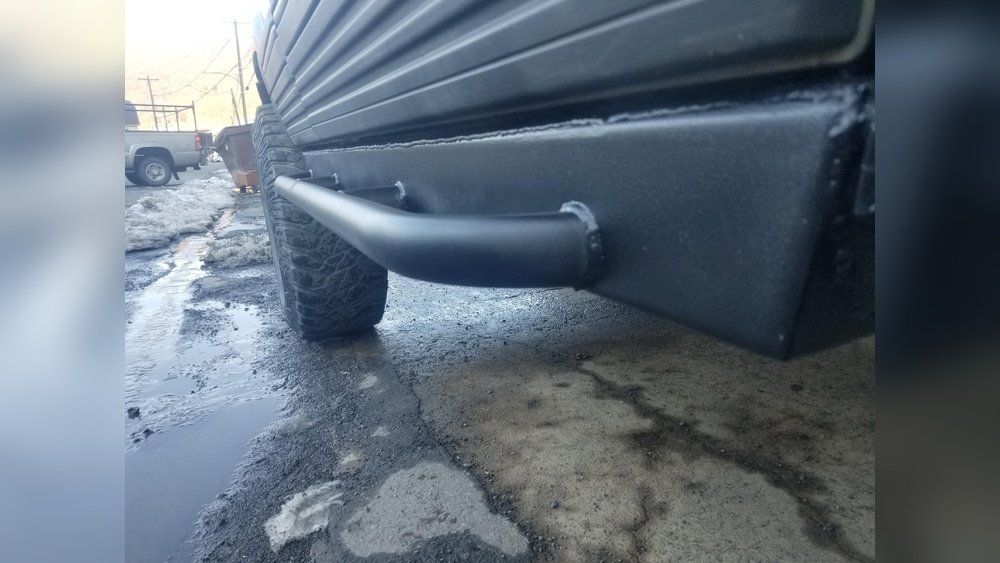
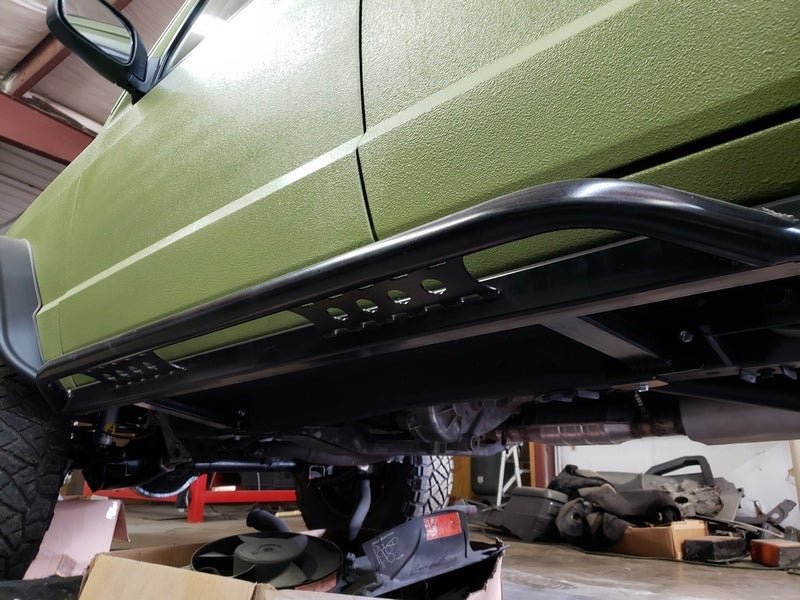
Rock sliders are robust protective armor designed to shield the vulnerable rocker panels and lower body of your Jeep. They act as a barrier, preventing damage from impacts that can occur when navigating difficult trails. For a ZJ owner looking to enhance their vehicle’s off-road prowess and protect their investment, understanding Jeep Grand Cherokee ZJ rock sliders is crucial. This guide will explore what they are, why you need them, different types available, materials, installation considerations, and what to look for when choosing the best ones for your ZJ.
Why Your Zj Needs Rock Sliders
The rocker panels on any vehicle are typically one of the weakest points when it comes to off-road impacts. On a Jeep Grand Cherokee ZJ, these areas are particularly susceptible.
They are located just behind the front wheels and in front of the rear wheels, along the lower edge of the doors and body.
When you’re off-roading, especially on trails with large rocks, steep inclines, or uneven terrain, your Jeep’s tires might slip, or your undercarriage might bottom out. Without protection, these impacts can lead to several problems:
- Dented or Ripped Rocker Panels: The sheet metal of the rocker panels is relatively thin. A sharp rock can easily dent or even rip through it, leaving a significant cosmetic and structural issue.
- Damaged Doors: Severe impacts can bend the rocker panels inwards, which can interfere with the closing and sealing of your doors. This can lead to leaks and difficulty operating the doors.
- Compromised Frame Integrity: In extreme cases, a hard impact on the rocker area can transfer force to the vehicle’s frame, potentially causing structural damage that is expensive and difficult to repair.
- Exhaust and Fuel Line Damage: The rocker area is also close to where exhaust pipes and fuel lines run along the underside of the vehicle. A direct hit could damage these critical components, leading to a breakdown.
- Reduced Resale Value: Significant body damage will undoubtedly decrease the resale value of your ZJ.
Rock sliders act as a sacrificial layer, absorbing the brunt of the impact. They are designed to be stronger than the original rocker panels and can often support the vehicle’s weight if it slides or rests on them. This allows you to slide over obstacles rather than getting hung up or taking direct hits. For any ZJ owner serious about off-roading, especially those planning to tackle more challenging trails, rock sliders are not just an accessory; they are a fundamental piece of protective armor.
Types Of Rock Sliders For The Zj
When you start looking for rock sliders, you'll notice a few different designs and configurations. Each offers a different level of protection and functionality.
Understanding these types will help you choose the best fit for your ZJ and your intended use.
Simple Tube Sliders
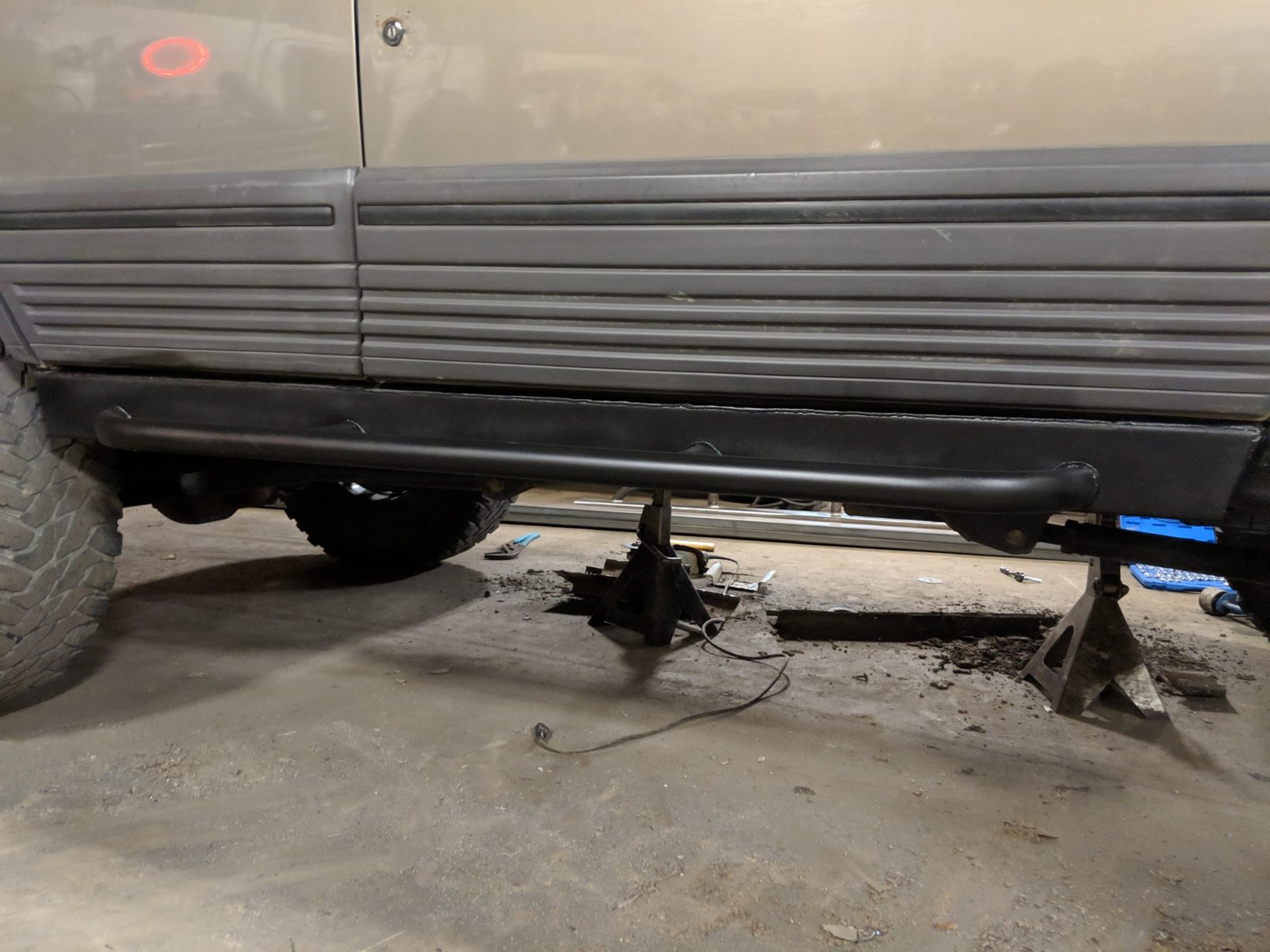
These are often the most basic and cost-effective type of rock slider. They typically consist of one or more sturdy steel tubes that run along the rocker panel area.
- Design: Usually a single, thick tube, sometimes with a smaller support tube.
- Protection: Offers good protection against glancing blows and moderate impacts. They prevent direct contact between rocks and the rocker panels.
- Pros: Lightweight, relatively affordable, simple design, good ground clearance.
- Cons: May not offer enough protection against direct, heavy impacts or if the vehicle rests its full weight on them. They don’t offer much protection to the body above the tube.
Stinger Or Tread Plate Sliders
These sliders incorporate a flat plate, often made of diamond plate aluminum or steel, that sits above the main protective tubing.
- Design: A combination of a sturdy tube or angle iron, with a flat metal plate welded or bolted on top.
- Protection: Provides excellent protection not only to the rocker panel but also to the lower part of the doors. The plate offers a surface to slide over obstacles and can also act as a step.
- Pros: Superior protection for both rockers and lower doors, can serve as a convenient step, more robust against heavy impacts.
- Cons: Heavier than simple tube sliders, can reduce ground clearance slightly, might be more expensive.
Complete Skid Plate Rocker Guards
These are the most heavy-duty option. They are essentially integrated skid plates that cover the entire rocker panel area and often extend slightly upwards.
- Design: Typically made from thick steel plate, designed to fully encompass and protect the rocker area. They often have a smooth, sloped surface to help the vehicle slide over obstacles.
- Protection: Offers the highest level of protection against direct impacts, heavy abrasions, and getting hung up on obstacles.
- Pros: Maximum protection for the rocker panels and lower body, can handle extreme abuse, very durable.
- Cons: The heaviest option, can significantly reduce ground clearance, most expensive, may require more involved installation.
Integrated Slider Steps
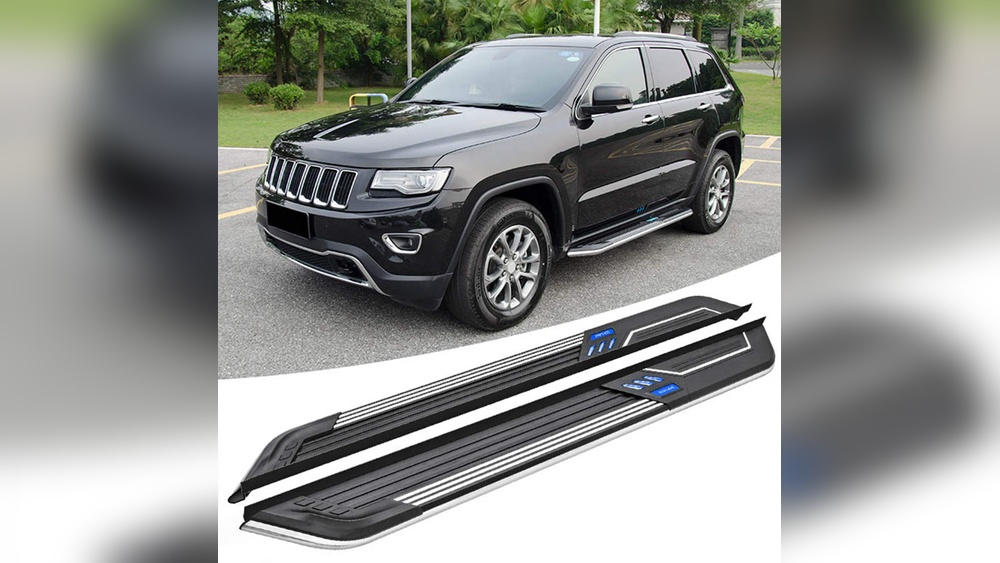
Some manufacturers offer sliders that also function as steps. These are designed with a lower profile to still offer protection while providing a convenient step for easier entry and exit, especially if you have a lifted ZJ.
- Design: Often a combination of tubing and a flat step surface.
- Protection: Varies greatly. Some offer substantial protection, while others are more focused on being a step with minimal armor.
- Pros: Dual functionality, protection and a step.
- Cons: Protection level might be compromised compared to dedicated rock sliders, can be bulky.
For the Jeep Grand Cherokee ZJ, most aftermarket rock sliders are designed to bolt directly onto the frame or body mounts. The specific design will depend on the manufacturer and the intended level of off-road use.
Materials Used In Rock Sliders
The material used to construct rock sliders significantly impacts their strength, weight, durability, and cost. Most ZJ rock sliders are made from steel or aluminum, with steel being the most common choice for serious off-road protection.
Steel
Steel is the go-to material for most rock sliders due to its exceptional strength, rigidity, and affordability.
- Types of Steel:
- Mild Steel: This is the most common type used. It’s strong, easily weldable, and relatively inexpensive. It’s often formed into tubes or plates. Mild steel can rust if not properly coated and maintained.
- High-Strength Low-Alloy (HSLA) Steel: Some manufacturers might use HSLA steel for increased strength without a significant weight penalty.
- Strengths: Extremely durable, can withstand heavy impacts, readily available, cost-effective.
- Weaknesses: Heavy, susceptible to rust if coating is damaged, can be dented by extreme forces (though much harder than body panels).
- Common Forms: Round tubing (e.g., 1.75-inch diameter with a 0.120-inch wall thickness), square tubing, and thick steel plate.
Aluminum
Aluminum is a lighter alternative to steel, offering corrosion resistance and a premium look. However, it’s generally less strong and more expensive than steel for the same level of protection.
- Types of Aluminum: Typically aircraft-grade aluminum alloys are used for their strength-to-weight ratio.
- Strengths: Lightweight (about one-third the weight of steel), naturally corrosion-resistant, can be polished for a high-end appearance.
- Weaknesses: Less strong than steel, more expensive, can be more prone to bending under extreme impacts, harder to weld for some fabricators.
- Common Forms: Tubing and tread plates.
Pro Tip: For most ZJ owners who plan on serious off-roading, steel rock sliders offer the best balance of protection, durability, and cost. While aluminum is lighter, the increased strength and lower price point of steel usually make it the preferred choice for rock protection.
Installation Considerations For Zj Rock Sliders
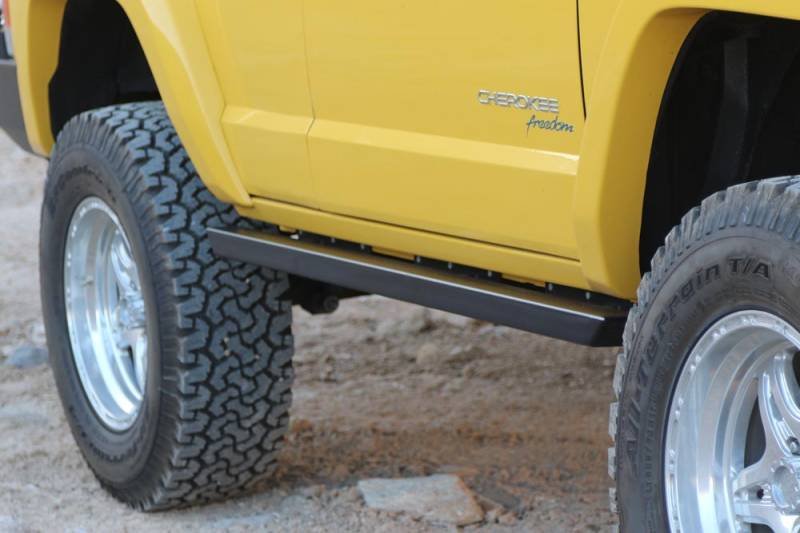
Installing rock sliders on your Jeep Grand Cherokee ZJ can range from a relatively straightforward bolt-on process to a more involved custom fabrication job. The method of installation depends heavily on the design of the sliders and how they are manufactured to attach to the vehicle.
Bolt-on Installation
Most aftermarket rock sliders are designed to be bolt-on, meaning they use existing mounting points on the ZJ’s frame or body.
- Mounting Points: Sliders often attach to the frame rails, body mounts, or pinch seams. Some may require drilling new holes.
- Ease of Installation: Generally considered the easiest type to install. If you have basic mechanical skills and tools, you can often do this in your driveway.
- Tools Needed: Typically includes socket wrenches, torque wrench, possibly a drill and drill bits if new holes are required.
- Advantages: Quick installation, no welding required, can be removed if needed.
- Disadvantages: May not be as strong as welded options, relies on the strength of the factory mounting points.
Weld-on Installation
Some rock sliders, particularly custom-built or heavy-duty options, might require welding to the frame or body for maximum strength and security.
- Process: Requires cutting off existing brackets or preparing the frame, then welding the slider mounts directly to the vehicle’s structure.
- Ease of Installation: Requires welding equipment and expertise. This is usually a job for experienced fabricators or mechanics.
- Tools Needed: Welder (MIG, TIG, or Stick), grinder, metal cutting tools, safety gear.
- Advantages: Offers the strongest and most secure attachment, can be customized to fit perfectly.
- Disadvantages: Permanent modification, requires specialized skills and equipment, can be more expensive if paying for professional installation.
Frame-mounted Vs. Body-mounted
It’s important to understand how the sliders are intended to mount.
- Frame-Mounted: These sliders attach directly to the vehicle’s chassis (frame rails). This is generally the strongest mounting method as the frame is designed to handle significant stress. Most high-quality sliders will aim for frame mounting.
- Body-Mounted: These sliders attach to the vehicle’s body panels, often along the pinch seam or rocker panel area. While simpler to design for some applications, they are generally less robust than frame-mounted options, as the body panels are not as strong as the frame.
When choosing ZJ rock sliders, prioritize designs that offer frame mounting for the best strength and protection. Always check the manufacturer’s instructions regarding installation. If you’re not comfortable with the process, it’s always best to have them professionally installed by a reputable off-road shop.
Popular Rock Slider Brands And Features For The Zj
While the Jeep Grand Cherokee ZJ isn't as common in the extreme off-road scene as a Wrangler, there are still aftermarket options available for rock protection. Many manufacturers offer universal or ZJ-specific designs.
When looking at brands, consider their reputation for quality, material used, and design features.
Some popular manufacturers known for producing quality off-road armor, which may offer ZJ-compatible or universal-fit rock sliders, include:
- Smittybilt: Known for a wide range of affordable off-road accessories.
- Ruff Country: Offers budget-friendly options for various Jeep models.
- JCR Offroad: Specializes in high-quality, American-made Jeep armor.
- Poison Spyder Customs: Renowned for extreme-duty, well-engineered armor.
- GenRight Off Road: Offers premium, often custom-fit, off-road components.
When evaluating specific ZJ rock sliders, pay attention to these features:
- Material Thickness: For steel sliders, look for at least 1/8-inch (0.120-inch wall) tubing or 3/16-inch plate. Thicker is generally better for extreme use.
- Mounting Design: As mentioned, frame-mounted is preferred. Check how many mounting points are used and their distribution for maximum stability.
- Coverage: Does the slider protect the entire rocker panel, or just a portion? Does it extend far enough forward and backward to protect the vulnerable areas?
- Ground Clearance: How much ground clearance will the sliders affect? This is crucial for maintaining off-road performance.
- Ease of Entry/Exit: If you use your ZJ as a daily driver or have a significant lift, consider if the sliders impede entry or if they have integrated steps.
- Finish: Most steel sliders come with a black powder coat finish for corrosion resistance. Check reviews for durability of the finish.
Here’s a look at some common design variations you might find:
| Feature | Simple Tube Slider | Tread Plate Slider | Full Skid Plate Slider |
|---|---|---|---|
| **Primary Material** | Steel tubing (e.g., 1.75″ DOM or HREW) | Steel tubing + steel/aluminum plate | Heavy gauge steel plate (e.g., 3/16″ or 1/4″) |
| **Protection Level** | Good (glancing blows, moderate impacts) | Very Good (rockers & lower doors, good sliding surface) | Excellent (maximum coverage, heavy impacts) |
| **Weight** | Light to moderate | Moderate to heavy | Heavy |
| **Cost** | Lower | Mid-range | Higher |
| **Aesthetics** | Rugged, functional | Robust, functional, can look aggressive | Industrial, heavy-duty |
| **Installation** | Typically bolt-on | Typically bolt-on | Often bolt-on, sometimes requires frame modification |
| **Ground Clearance** | Minimal impact | Moderate impact | Can significantly reduce |
Example: A common setup for a ZJ might involve 1.75-inch diameter HREW (Hot Rolled Electric Weld) steel tubing with 0.120-inch wall thickness, mounted via 3-4 sturdy brackets that bolt directly to the frame rails. Some might opt for a tread plate version where a 3/16-inch steel plate is added over the main tube for added door protection.