The heart of any adventure, the Jeep Grand Cherokee, is designed for capability and comfort. But what happens when you turn the key, expecting the familiar roar of the engine, only to be met with silence, even when you're certain your battery is good?
This frustrating scenario can halt your plans in their tracks, leaving you stranded and wondering about the cause. While a dead battery is the most common culprit for a no-start condition, a healthy battery doesn't rule out other electrical or mechanical issues.
Understanding these potential problems is key to diagnosing and resolving the issue efficiently, getting your Grand Cherokee back on the road.
Key Takeaways
- A good battery does not guarantee a successful start if other components in the starting system or fuel system are faulty.
- Common culprits include issues with the starter motor, ignition switch, fuel pump, fuses and relays, and the immobilizer system.
- A click sound when turning the key often points to a starter or battery connection issue, even if the battery itself is healthy.
- Diagnostic trouble codes (DTCs) can provide valuable clues, but professional scanning is often necessary.
- Regular maintenance and addressing minor issues promptly can prevent major no-start problems.
- Always prioritize safety when working on your vehicle, disconnecting the battery when necessary.
Understanding The Jeep Grand Cherokee Starting System
Before diving into potential problems, it’s crucial to understand how your Jeep Grand Cherokee’s starting system works. It’s a complex interplay of electrical and mechanical components designed to initiate the engine’s combustion cycle. When you turn the ignition key or press the start button, a sequence of events is triggered:
- Ignition Switch: This is the first point of contact. When activated, it sends a signal to various systems, including the starter solenoid and the engine control module (ECM).
- Battery: Even if you’ve tested it and it shows good voltage, a battery can fail to deliver the necessary cranking amps to turn the engine over. It might hold a charge but lack the power to handle the high demand of the starter motor.
- Starter Solenoid: This is an electromagnet that engages the starter motor. It receives a signal from the ignition switch and, when energized, pushes a small gear (the pinion gear) to mesh with the engine’s flywheel or flexplate. It also closes a high-current circuit, sending power from the battery to the starter motor.
- Starter Motor: This powerful electric motor spins the engine’s flywheel, initiating the crankshaft’s rotation. This rotation is essential for the engine to begin its combustion process.
- Engine Control Module (ECM): The ECM monitors various sensors and systems. It plays a role in authorizing the start sequence, often based on signals from the immobilizer system and other critical engine parameters.
- Fuel Pump and Ignition System: Once the engine is cranking, the fuel pump delivers fuel to the injectors, and the ignition system provides spark to ignite the fuel-air mixture. The ECM controls the timing and delivery of both.
If any part of this chain is broken, the engine won’t start, even with a healthy battery. The challenge lies in pinpointing which link in the chain has failed.
Common Reasons For A No-start With A Good Battery
When your Jeep Grand Cherokee refuses to start despite a known good battery, the diagnostic process shifts to other critical components. These can range from simple electrical glitches to more complex mechanical failures.
Starter Motor Issues
The starter motor is a workhorse, but it can fail. A healthy battery provides the power, but if the starter motor itself is worn out, has a faulty solenoid, or its internal components are damaged, it won’t spin the engine.
- Symptoms:
- A single loud click when you turn the key, followed by silence. This often indicates the solenoid is engaging but the motor isn’t turning.
- A whirring or grinding noise without the engine cranking. This could mean the starter gear isn’t properly engaging with the flywheel.
- No sound at all, which could indicate a complete failure of the starter motor or its solenoid.
- Diagnosis: A mechanic can test the starter motor by applying direct power to it. They can also check for voltage at the starter solenoid when the key is turned. Sometimes, tapping the starter motor gently with a hammer can temporarily free a stuck component, allowing the vehicle to start, which is a strong indicator of a failing starter.
Ignition Switch Problems
The ignition switch is the gateway to starting your vehicle. It’s a complex electrical component that sends signals to various circuits. If it’s worn, dirty, or damaged, it might not send the correct signals to the starter solenoid or other essential systems.
- Symptoms:
- The dashboard lights may flicker or not come on at all when you turn the key to the “ON” position.
- The starter motor doesn’t engage, even though you hear other electrical systems (like the radio or interior lights) working.
- The vehicle may start intermittently, or accessories might cut out unexpectedly while driving.
- Diagnosis: A mechanic can test the ignition switch for continuity and voltage output to each circuit it controls. This often involves removing the switch and testing it with a multimeter.
Fuel System Failures
Even if the engine cranks, it won’t start without the proper amount of fuel. Issues with the fuel pump, fuel filter, or fuel injectors can prevent combustion.
- Fuel Pump: The fuel pump is responsible for delivering gasoline from the tank to the engine. If it fails, the engine will crank but not start because it’s not receiving fuel.
- Symptoms: A common sign of a failing fuel pump is a lack of the faint whirring sound you usually hear from the rear of the vehicle when you turn the key to the “ON” position (before cranking). The engine will crank normally but not fire up.
- Diagnosis: A mechanic can check for fuel pressure at the fuel rail. They can also test the electrical signal to the fuel pump to ensure it’s receiving power. Sometimes, a clogged fuel filter can mimic fuel pump failure by restricting flow. For example, a clogged 99 Jeep Cherokee fuel filter can starve the engine of fuel.
- Fuel Filter: A clogged fuel filter restricts fuel flow, starving the engine.
- Symptoms: Similar to a weak fuel pump, but may also include hesitation or loss of power during acceleration before the no-start condition occurs.
- Diagnosis: Checking fuel pressure is the primary diagnostic step. Replacing the fuel filter is often a preventative maintenance item that can resolve this.
- Fuel Injectors: If the injectors are clogged or faulty, they won’t deliver fuel into the cylinders.
- Symptoms: The engine may crank and sputter, or not start at all. In some cases, only a few injectors might fail, leading to rough running rather than a complete no-start.
- Diagnosis: This often requires specialized diagnostic tools to check injector pulse and spray patterns.
Fuses And Relays
The starting system, fuel pump, and ignition system all rely on fuses and relays to control electrical flow. A blown fuse or a faulty relay can interrupt power to these critical components.
- Symptoms: Can vary widely depending on which fuse or relay has failed. If it’s a fuse related to the starter circuit, you might get no response at all. If it’s a fuel pump relay, the engine will crank but not start.
- Diagnosis: The owner’s manual will show the location of the fuse box(es) and identify which fuses and relays control specific systems. Visually inspect fuses for a broken wire inside. Relays can be tested by swapping them with an identical, known-good relay for a non-essential system.
Immobilizer System Issues
Modern Jeep Grand Cherokees are equipped with an immobilizer system (often part of the SKREIS or WCM module) to prevent theft. This system communicates with the key fob. If there’s a problem with the key fob’s transponder chip, the WCM (Wireless Control Module), or the communication between them, the vehicle’s computer will prevent the engine from starting, even if it cranks.
- Symptoms:
- The engine cranks but does not start.
- A security light on the dashboard may be flashing or illuminated constantly.
- The vehicle may have started intermittently before failing completely.
- Diagnosis: This is often the most complex issue to diagnose and typically requires a dealership or a specialized automotive locksmith with the correct diagnostic tools to reprogram keys or diagnose module issues. In my experience, a flashing security light is a dead giveaway for an immobilizer fault.
Other Electrical Gremlins
Beyond the primary components, various other electrical issues can lead to a no-start condition.
- Wiring Harness Damage: Rodents can chew through wires, or corrosion can damage connections, interrupting signals.
- Grounding Issues: A poor engine or chassis ground can cause all sorts of electrical gremlins, including no-starts.
- Faulty Sensors: While less common for a complete no-start, a critical sensor like the Crankshaft Position Sensor (CKP) or Camshaft Position Sensor (CMP) can fail, preventing the ECM from knowing the engine is turning, thus preventing spark and fuel.
Diagnostic Steps For A Jeep Grand Cherokee That Won’t Start
When faced with a silent Grand Cherokee, a systematic approach is essential. While professional diagnosis is often the most reliable route, you can perform several checks yourself.
Step 1: The Basic Checks (even With A “good” Battery)
Before assuming a major component failure, re-verify the basics.
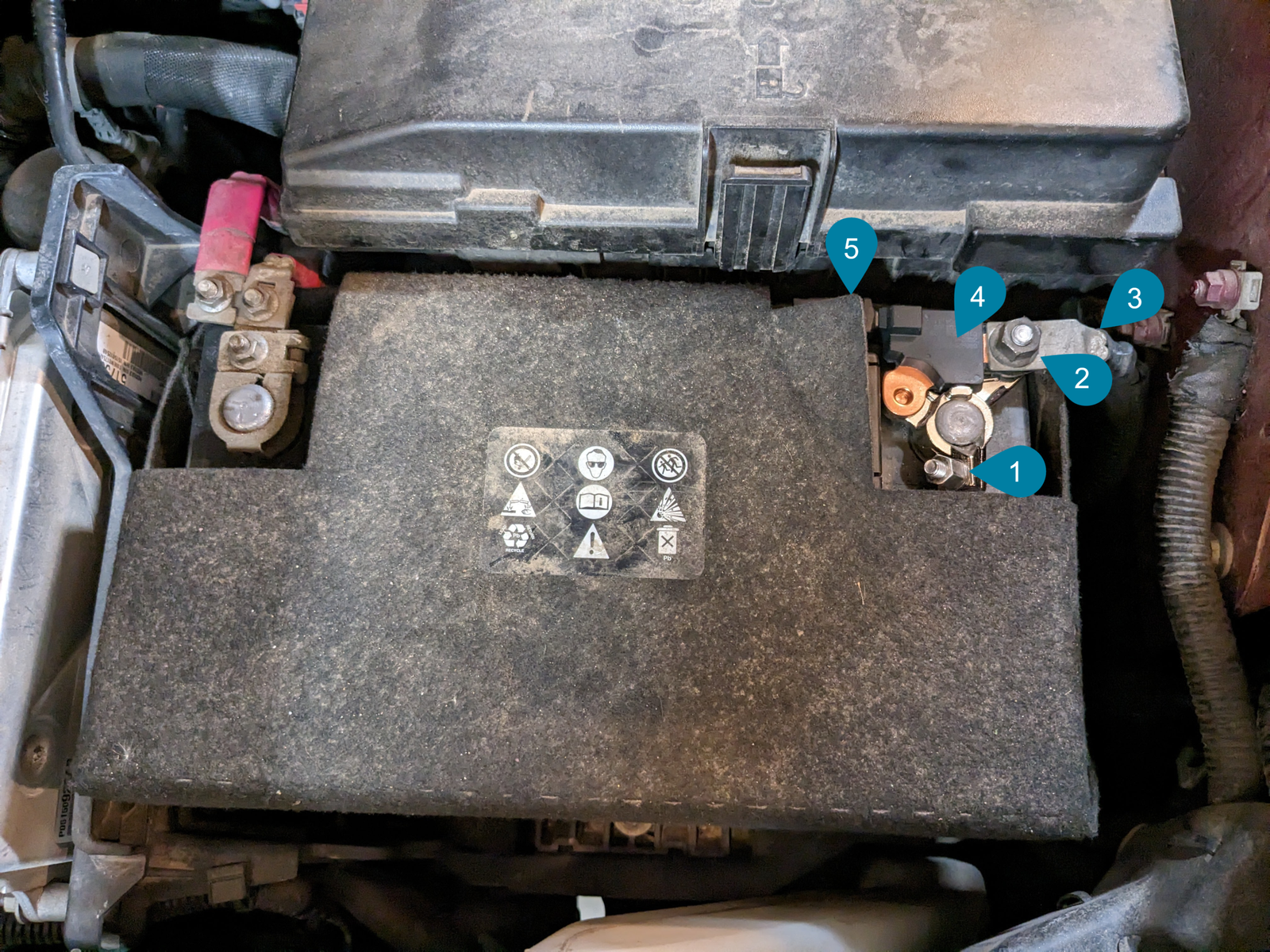
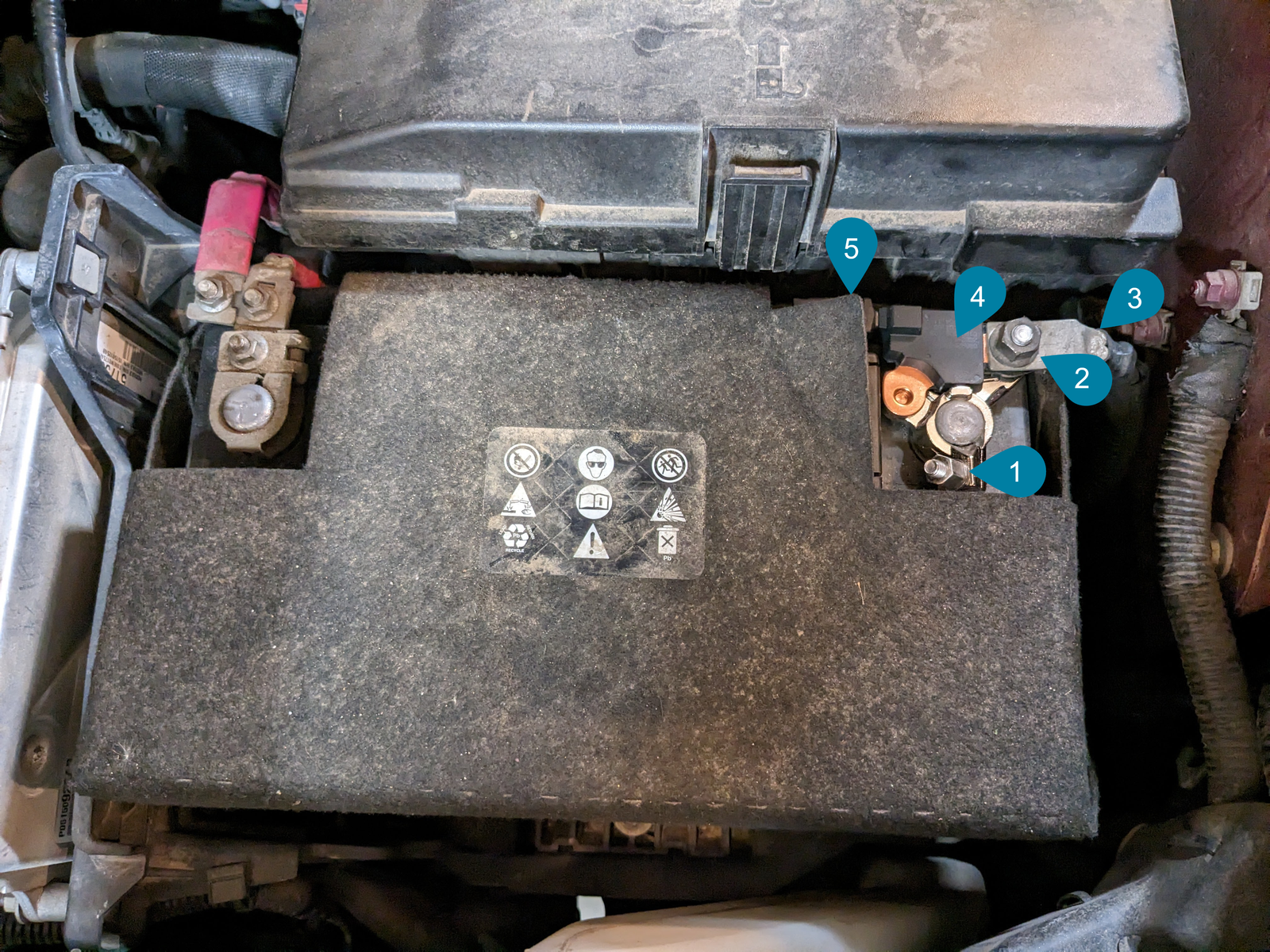
- Battery Connections: Even if the battery tests good, loose or corroded terminals can prevent sufficient current flow.
- Action: Visually inspect the battery terminals. Ensure they are clean and the clamps are tight. Wiggle them to check for looseness. Clean them with a wire brush if corrosion is present.
- Listen for Sounds: Turn the key to the “ON” position (without cranking). Do you hear the fuel pump prime (a faint hum from the rear)? When you try to crank, do you hear a single click, rapid clicking, or nothing at all?
- Single Click: Often points to a starter solenoid or starter motor issue.
- Rapid Clicking: Usually indicates a weak battery or poor battery connection, despite your initial test.
- No Sound: Could be ignition switch, neutral safety switch, or a more significant electrical issue.
- Check Dashboard Lights: Do all the dashboard lights illuminate when you turn the key to “ON”? Are there any warning lights illuminated, such as the security light?
- Security Light: A flashing or solid security light often indicates an immobilizer system fault.
Step 2: Checking Fuses And Relays
This is a relatively simple and often overlooked step.
- Locate Fuse Boxes: Your Grand Cherokee likely has at least two fuse boxes: one under the hood and one inside the cabin (often near the dashboard or kick panel). Consult your owner’s manual for exact locations and diagrams.
- Identify Relevant Fuses/Relays: Look for fuses and relays related to the starter, ignition, and fuel pump.
- Inspect Fuses: Pull out each relevant fuse and hold it up to the light. Look for a broken or melted filament inside. If a fuse is blown, replace it with one of the exact same amperage rating.
- Test Relays (Swap Method): Relays are harder to inspect visually. A common diagnostic trick is to swap a suspect relay with an identical one from a less critical system (e.g., horn relay, fog light relay). If the car starts after swapping, the original relay was faulty.
Step 3: Checking For Battery Voltage Under Load
While a static voltage test might show a good battery, it doesn’t reveal its ability to deliver power under load.
- Use a Multimeter: Set your multimeter to DC voltage. Connect the red probe to the positive battery terminal and the black probe to the negative terminal.
- Observe Voltage: Note the voltage reading. It should be around 12.6 volts when the engine is off.
- Crank the Engine: Have someone crank the engine while you observe the voltage.
- Acceptable Drop: The voltage should not drop below approximately 9.6-10.0 volts during cranking.
- Significant Drop: If the voltage plummets below 9.6 volts, even if the static reading was good, the battery is likely failing to provide sufficient cranking amps.
Step 4: Testing The Starter Solenoid And Motor
This often requires more advanced tools or knowledge.
- Voltage at the Solenoid: With the key in the “START” position, a mechanic can check if voltage is reaching the starter solenoid terminal that activates it. If voltage is present but the starter doesn’t engage, the solenoid or motor is likely bad.
- Direct Power Test: A mechanic can apply direct power from the battery to the starter motor’s main terminal and the solenoid activation terminal to see if it spins. Warning: This should only be done by someone experienced, as improper connection can cause damage or injury.
Step 5: Checking Fuel Pressure
Confirming fuel delivery is crucial.
- Locate Fuel Rail Test Port: Most Jeep Grand Cherokees have a Schrader valve on the fuel rail, similar to a tire valve.
- Use a Fuel Pressure Gauge: Connect a fuel pressure gauge to this port.
- Check Pressure: Turn the key to the “ON” position (without cranking) to let the fuel pump prime the system. Refer to your Jeep Grand Cherokee’s service manual for the specified fuel pressure range (typically 35-60 PSI, but varies by model year and engine). If the pressure is too low or non-existent, the issue could be the fuel pump, fuel filter, or a leak in the system.
Step 6: Scan For Diagnostic Trouble Codes (dtcs)
Modern vehicles store error codes that can point to the problem.
- OBD-II Scanner: Purchase an affordable OBD-II scanner or visit an auto parts store that offers free code scanning.
- Connect and Scan: Plug the scanner into the OBD-II port (usually located under the dashboard on the driver’s side). Follow the scanner’s instructions to read any stored codes.
- Interpret Codes: Codes like P0335 (Crankshaft Position Sensor A Circuit) or P0230 (Fuel Pump Primary Circuit Malfunction) provide specific areas to investigate. Even if there are no codes, it doesn’t rule out a mechanical failure.
Troubleshooting Specific Scenarios
Let’s explore some common no-start scenarios with a good battery and how to approach them.
Scenario 1: Engine Cranks, But Won’t Fire Up
This is the most common scenario when the battery and starter are ruled out. It points towards issues with fuel delivery or ignition.
- Possible Causes:
- Fuel Pump Failure: No fuel is reaching the engine.
- Clogged Fuel Filter: Fuel flow is restricted.
- Faulty Crankshaft Position Sensor (CKP): The ECM doesn’t know the engine is rotating, so it won’t trigger spark or fuel.
- Ignition Coil or Spark Plug Issues: The engine is getting fuel but no spark.
- Immobilizer System Fault: The system is preventing the engine from running.
- Troubleshooting Steps:
- Check for Fuel: Listen for the fuel pump priming. If no sound, check the fuel pump fuse and relay. If those are good, the pump itself may have failed.
- Check for Spark: This requires removing a spark plug wire or coil pack and grounding it against the engine block while someone cranks the engine. Caution: High voltage is present; wear insulated gloves and avoid touching metal parts. If no spark, investigate ignition coils, spark plug wires, and the ECM.
- Scan for Codes: Look for CKP sensor codes (P0335, P0336) or fuel system codes.
Scenario 2: A Single Loud Click, Then Silence
This sound is often indicative of a starter system problem.
- Possible Causes:
- Faulty Starter Solenoid: The solenoid engages but doesn’t send power to the starter motor.
- Failed Starter Motor: The motor itself is dead.
- Poor Electrical Connection to Starter: A loose or corroded wire at the starter.
- Engine Seized (Rare): The engine is mechanically locked, preventing the starter from turning it.
- Troubleshooting Steps:
- Check Battery Connections: Re-verify the battery terminals are clean and tight.
- Test Starter Solenoid: With a multimeter, check for voltage at the solenoid’s activation terminal when the key is turned. If voltage is present, the solenoid is likely faulty or the starter motor is seized.
- Tap the Starter: Gently tap the starter motor with a hammer (use a wooden handle or rubber mallet to avoid damage). If this allows it to start, the starter is likely failing internally.
- Check Flywheel/Flexplate: In rare cases, the starter gear might be damaged or the flywheel teeth might be worn, preventing engagement. This requires more extensive disassembly.
Scenario 3: No Sound Or Lights When Turning The Key
This suggests a complete loss of electrical power or a problem at the very beginning of the starting circuit.
- Possible Causes:
- Completely Dead Battery (Despite Test): The battery might have failed completely and cannot even power the lights or dash.
- Open Circuit in Main Power Wire: A break in the main positive cable from the battery to the fuse box or ignition switch.
- Faulty Ignition Switch: The switch is not making contact internally.
- Neutral Safety Switch (Automatic Transmission): This switch prevents starting unless the vehicle is in Park or Neutral.
- Blown Main Fuse: A large fuse protecting the entire electrical system.
- Troubleshooting Steps:
- Re-test Battery: Try jump-starting the vehicle. If it starts with a jump, your battery is the issue, regardless of previous tests.
- Check Main Battery Cables: Inspect the positive and negative battery cables for damage, corrosion, or looseness all the way to their connection points.
- Test Ignition Switch: Check for power at the ignition switch and verify it’s sending power out on the correct circuits when turned.
- Check Neutral Safety Switch: Ensure the gear shifter is firmly in Park or Neutral. Try jiggling the shifter while attempting to start. A mechanic can bypass or test this switch.
Maintenance Tips To Prevent No-start Issues
Preventative maintenance is the best defense against unexpected breakdowns.
- Regular Battery Testing: Have your battery and charging system tested annually, especially before extreme weather seasons.
- Keep Terminals Clean: Clean battery terminals and cable ends at least once a year to prevent corrosion buildup.
- Fuel System Servicing: Replace your fuel filter at the recommended intervals (check your owner’s manual).
- Inspect Wiring: Periodically check visible wiring harnesses for signs of damage, especially around the engine bay where rodents can be an issue.
- Address Warning Lights Promptly: Don’t ignore dashboard warning lights, as they can indicate developing problems that could lead to a no-start.
- Use Quality Fuel: Avoid running your fuel tank consistently on empty, as this can allow sediment at the bottom of the tank to reach the fuel filter and pump.
When To Call A Professional
While DIY diagnostics can save time and money, some issues require specialized tools and expertise.
- Immobilizer System Faults: Diagnosing and reprogramming keys or modules typically requires dealership-level equipment.
- Complex Electrical Diagnosis: Tracing intermittent electrical faults or diagnosing issues within the ECM often demands advanced diagnostic tools and knowledge.
- Fuel System Pressure Issues: While you can check pressure, diagnosing the root cause of low pressure (e.g., internal pump leak, regulator issues) can be complex.
- Engine Mechanical Issues: If you suspect a seized engine or internal component failure, professional assessment is necessary.
Frequently Asked Questions
My Jeep Grand Cherokee Makes A Rapid Clicking Sound When I Try To Start It, But I Know The Battery Is Good. What Else Could It Be?
A rapid clicking sound, even with a battery that tests well, often points to a battery connection issue or a weak battery that can’t deliver sufficient cranking amps. Double-check that the battery terminals are clean and very tightly secured. If connections are solid, the battery might be failing under load, despite passing a static voltage test. A professional load test can confirm this. Alternatively, it could still be a starter solenoid issue where it’s trying to engage but lacks the power to fully do so.