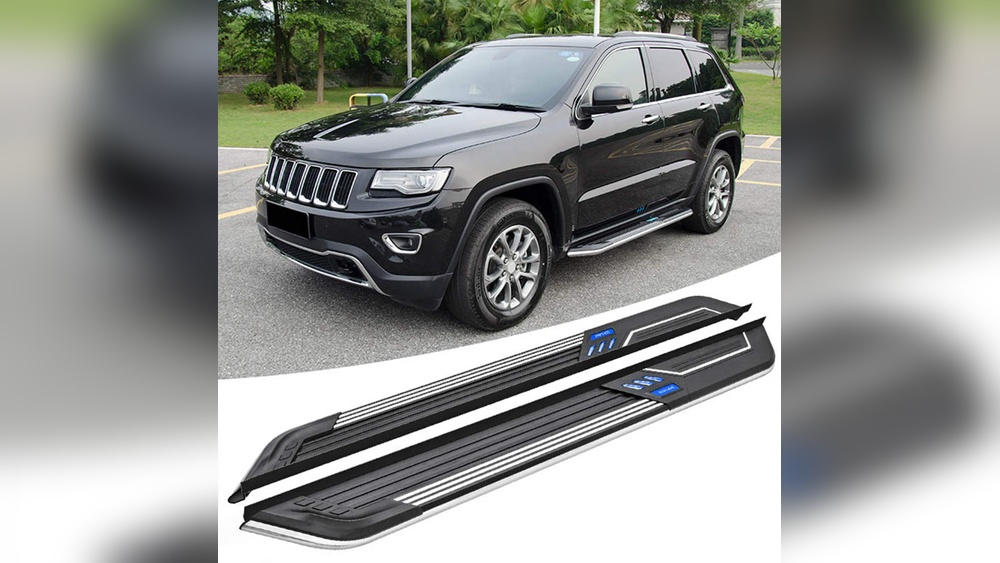
The Jeep Grand Cherokee WJ, produced from 1999 to 2004, represents a golden era for this iconic SUV. Known for its robust build and off-road prowess, the WJ platform offers a fantastic foundation for customization.
Among the most popular modifications is the installation of a suspension lift kit, which not only enhances its aesthetic appeal but also significantly boosts its capability for tackling challenging terrain.
A suspension lift kit for a '99-'04 Grand Cherokee WJ is more than just an upgrade; it's an invitation to explore further, overcome obstacles, and personalize your vehicle to match your adventurous spirit.
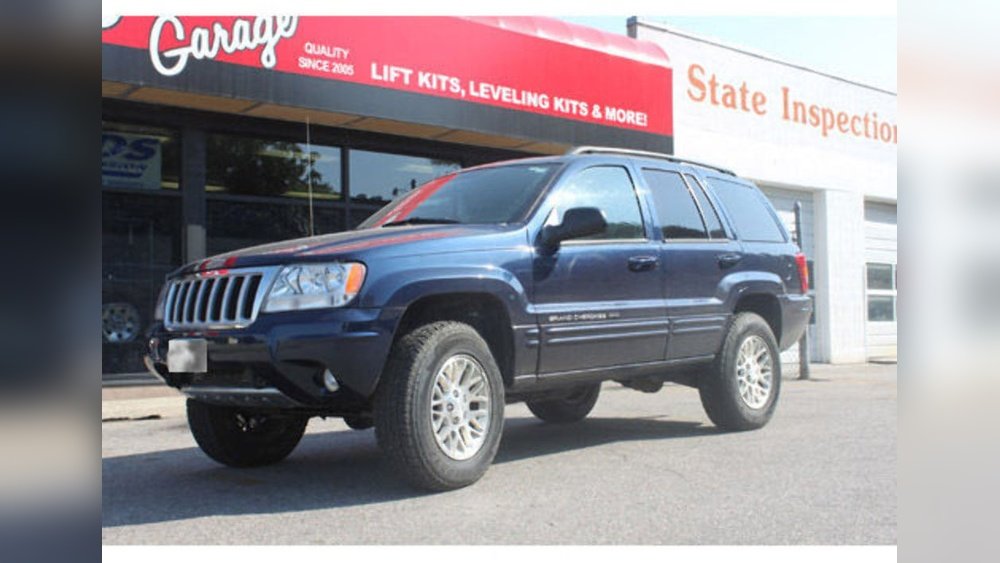
Choosing the right lift kit involves understanding the various types available, their benefits, and the impact they have on your Jeep’s performance and drivability. Whether you’re aiming for a subtle height increase for larger tires or a substantial lift for extreme off-roading, the WJ Grand Cherokee can be transformed with the right components. This guide will explore the world of Jeep Grand Cherokee WJ suspension lift kits for models from 1999 to 2004, covering everything from the fundamental principles to the practical considerations of installation and maintenance.
Key Takeaways
- Purpose of WJ Lift Kits: Enhance off-road capability, allow for larger tires, improve ground clearance, and customize aesthetics.
- Types of Lift Kits: Common options include spacer lifts, coil spring lifts, and long-arm kits, each offering different benefits and complexities.
- Lift Height Considerations: Typical lift heights range from 2 to 6 inches, with each level presenting unique impacts on drivability, component wear, and tire size compatibility.
- Tire and Wheel Fitment: A lift kit enables the installation of larger tires, which are crucial for off-road traction and ground clearance. Proper wheel offset and backspacing are also vital.
- Associated Upgrades: Lifting a WJ often requires or benefits from other modifications, such as adjustable control arms, extended brake lines, sway bar disconnects, and drivetrain adjustments.
- Installation Complexity: Lift kits vary in difficulty to install, from simple bolt-on spacers to more involved systems requiring advanced mechanical knowledge and tools.
- Maintenance and Longevity: Regular inspection and maintenance of suspension components are crucial after installing a lift kit to ensure safety and prolong the life of the upgraded parts.
Understanding Suspension Lift Kits For The Jeep Grand Cherokee Wj
A suspension lift kit fundamentally raises the vehicle’s body and chassis higher off the ground. This is achieved by altering the suspension geometry, most commonly by increasing the distance between the axles and the frame. For the Jeep Grand Cherokee WJ, this translates to a more aggressive stance and significantly improved off-road performance. The primary goals of installing a lift kit on a WJ are to increase ground clearance to clear obstacles, allow for the fitment of larger tires for better traction and capability, and achieve a desired off-road aesthetic.
The WJ platform, with its unibody construction and Quadra-Coil suspension system, requires specific considerations when lifting. Unlike body-on-frame SUVs, the unibody design means the suspension components are directly attached to the vehicle’s structure, making proper lift kit selection and installation paramount to avoid compromising structural integrity or ride quality.
Understanding the different types of lift kits available is the first step in making an informed decision.
Types Of Suspension Lift Kits For Wj Grand Cherokees
There are several common types of suspension lift kits available for the 1999-2004 Jeep Grand Cherokee WJ, each offering a different approach to achieving increased ride height and its associated benefits.
Spacer Lifts
Spacer lifts are generally the most straightforward and budget-friendly option. They work by adding spacers between the coils and the spring perches or by installing taller coil springs.
- How they work: These kits typically involve placing pucks or spacers above the existing springs, effectively pre-compressing them and thus lifting the vehicle. Some kits might include slightly taller springs as well.
- Pros: Easy to install, relatively inexpensive, minimal impact on ride quality (if designed well), and they maintain the stock suspension geometry.
- Cons: Limited lift height (usually 1-3 inches), can sometimes lead to a slightly harsher ride if the spacers are too stiff or poorly designed, and may not provide the articulation needed for serious off-roading.
- Best for: Those looking for a mild lift to fit slightly larger tires (e.g., 31-32 inches) and improve the visual stance without extensive modifications or significant cost.
Coil Spring Lifts
Coil spring lifts replace the stock springs with taller, often more robust aftermarket springs. This method provides a true suspension lift without simply adding spacers.
- How they work: The factory coil springs are removed and replaced with new, longer springs designed to provide a specific amount of lift. These springs often have different spring rates to accommodate the increased load and off-road use.
- Pros: Provides a more significant lift (typically 2-4.5 inches), can improve ride quality with well-matched spring rates, and offers better off-road performance and articulation compared to spacer lifts.
- Cons: More expensive than spacer kits, installation is more involved as it requires compressing and decompressing springs, and can necessitate other component upgrades (like extended brake lines) depending on the lift height.
- Best for: Enthusiasts seeking a noticeable increase in ride height and improved off-road capability, willing to invest more in components and installation.
Long-arm Suspension Kits
Long-arm suspension kits represent a more advanced and comprehensive approach to lifting and improving suspension performance. These kits replace the stock short control arms with much longer ones, significantly altering the suspension geometry for enhanced articulation and stability.
- How they work: The stock control arms are removed, and new, longer arms are installed. These longer arms pivot from a new, lower mounting point on the frame, allowing for a greater range of motion in the suspension. This drastically improves articulation and smooths out the ride over rough terrain.
- Pros: Superior off-road articulation, improved on-road ride quality and stability, better handling characteristics, and capable of supporting higher lift amounts (4 inches and above).
- Cons: The most expensive option, requires significant modification to the frame for mounting points, installation is complex and usually requires professional expertise, and may necessitate driveline adjustments.
- Best for: Serious off-roaders and dedicated Jeep builders looking for the ultimate in performance, ride quality, and capability, with a substantial budget.
Lift Height And Its Implications
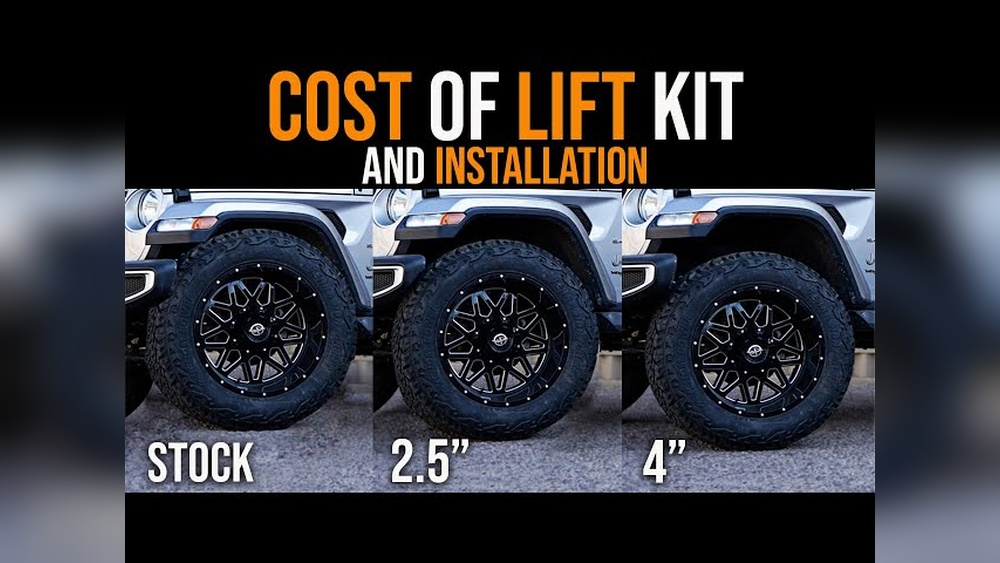
The amount of lift you choose for your WJ Grand Cherokee has significant implications for tire size, drivability, component wear, and the overall character of your vehicle. Lift heights typically range from 1. 5 inches to 6 inches or more.
- 1.5″ – 2.5″ Lift: This is a popular range for many WJ owners. It provides enough clearance to fit slightly larger tires (e.g., 31-32 inches) without requiring extensive modifications. The impact on on-road manners is usually minimal, and many components remain within their factory operating angles. This is often achieved with spacer lifts or mild coil spring lifts.
- 3″ – 4.5″ Lift: This range offers a more substantial increase in ground clearance, allowing for larger tires (e.g., 33 inches) and significantly improving off-road capability. At these heights, it becomes more common to need extended brake lines, potentially adjustable control arms to correct caster and pinion angles, and possibly differential drop kits to reduce CV joint stress. Ride quality can still be good with quality components, but the suspension geometry is more significantly altered.
- 5″ – 6″+ Lift: These are considered significant lifts, enabling the fitment of 35-inch tires and larger. Achieving this height safely and effectively usually requires a comprehensive kit, including long-arm suspension, adjustable control arms, potentially a slip-yoke eliminator (SYE) on the transfer case, and possibly re-gearing the differentials for adequate power to turn the larger tires. Drivability can be compromised on-road if not all supporting modifications are addressed, and component wear will be accelerated without proper geometry correction.
Essential Components Of A Wj Grand Cherokee Lift Kit
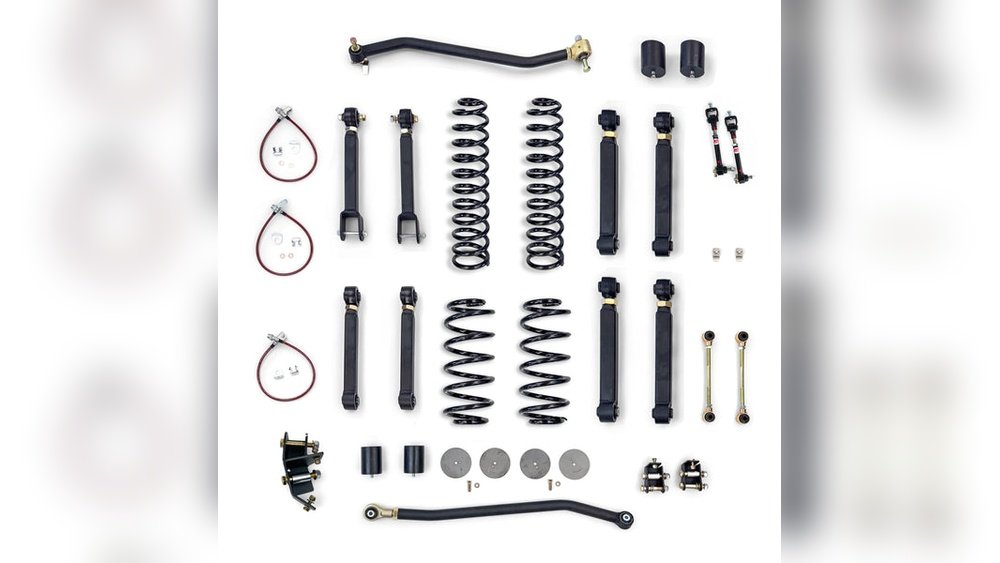
A comprehensive suspension lift kit for a Jeep Grand Cherokee WJ typically includes more than just springs or spacers. To ensure proper function, safety, and longevity, several other components are often necessary or highly recommended, especially for higher lift amounts.
Understanding these parts is key to selecting a kit that will perform as expected.
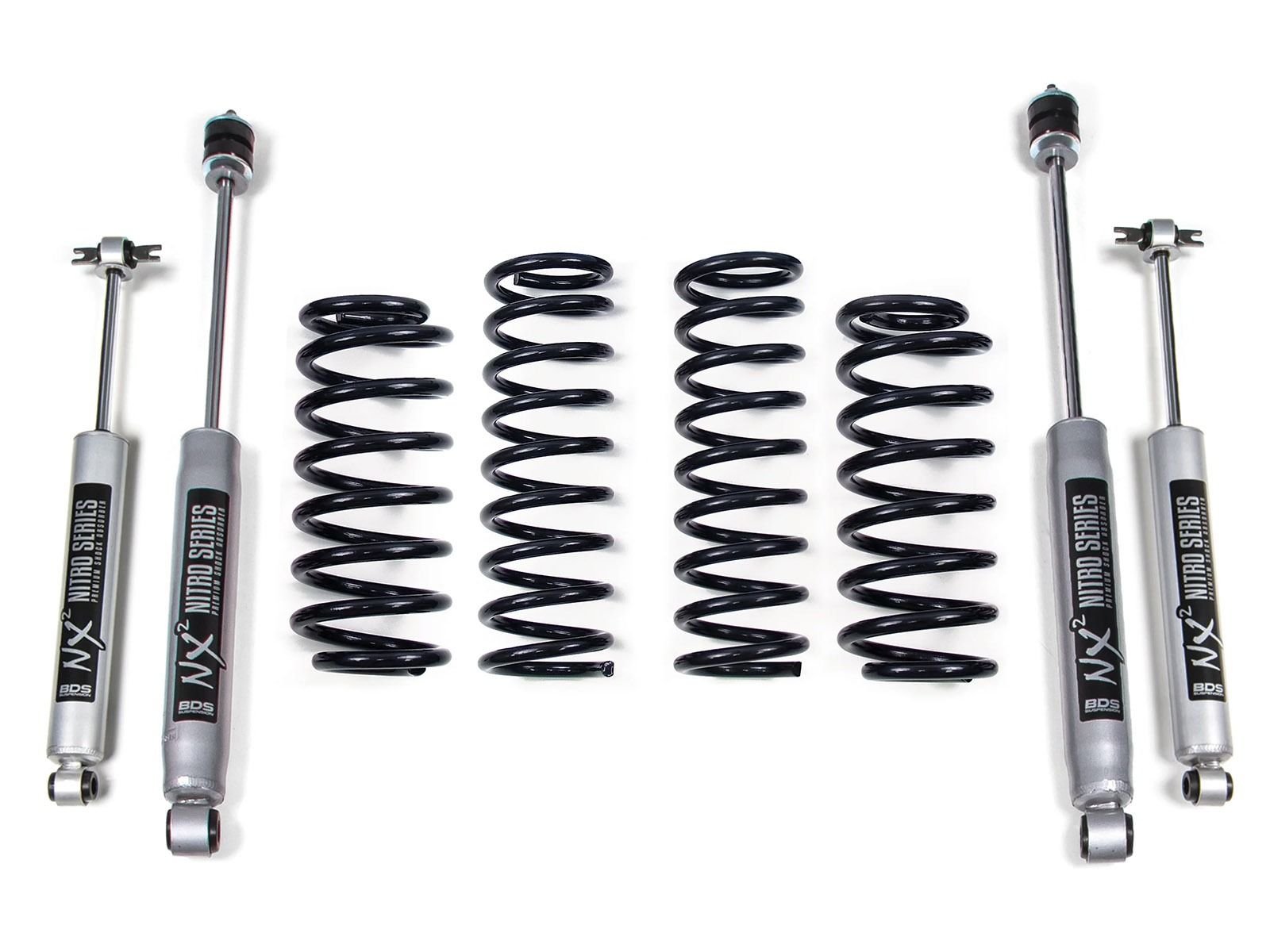
Coil Springs And Shocks
The heart of most suspension lifts lies in the coil springs and shock absorbers.
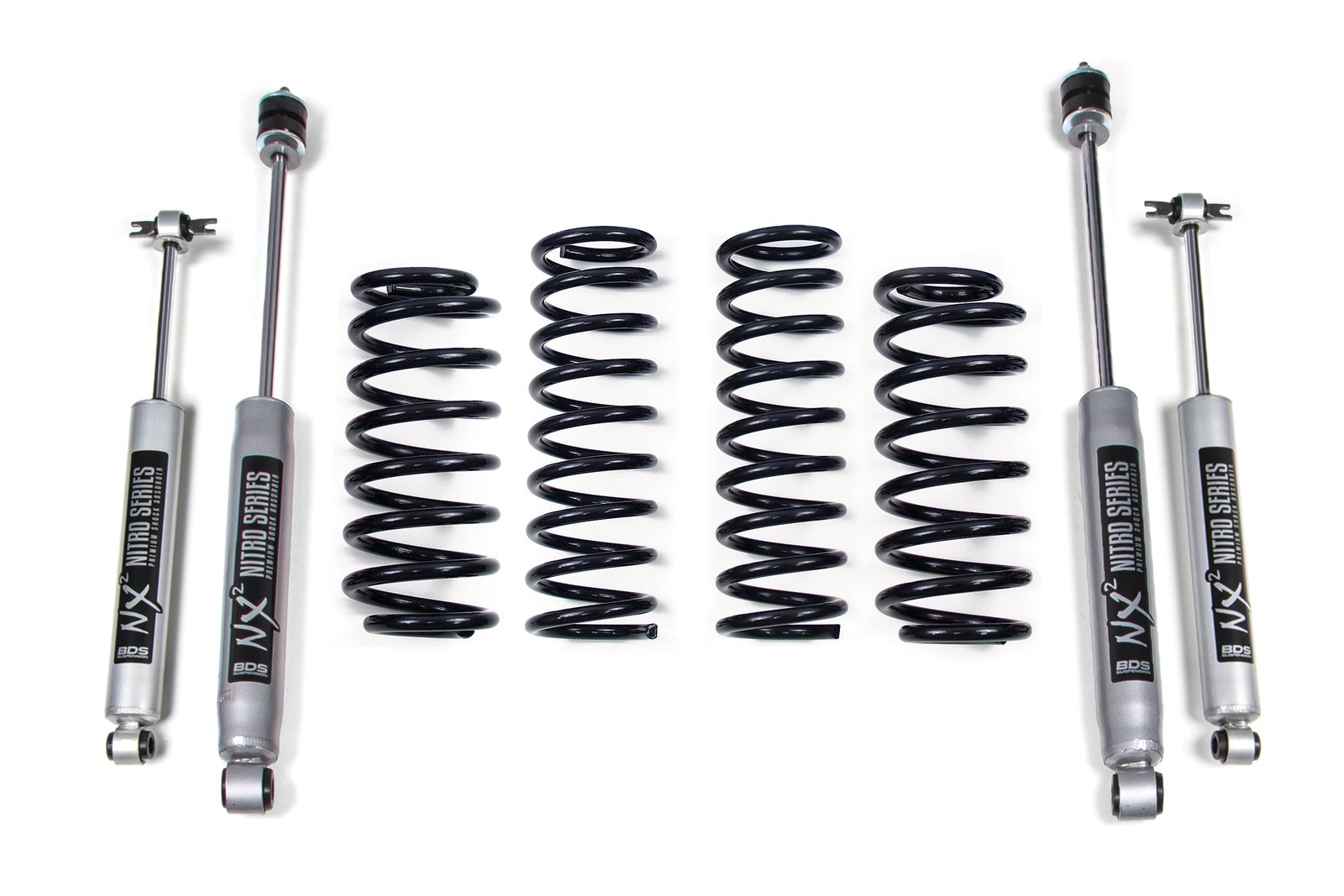
- Coil Springs: Aftermarket springs are designed to be taller and often have a different spring rate than stock. Higher spring rates can provide a firmer ride but are better equipped to handle the weight of larger tires and the stresses of off-road driving. Lower spring rates might offer a softer ride but could lead to excessive sagging under load. Choosing springs matched to your intended use and vehicle weight is crucial.
- Shock Absorbers: Lifted vehicles require longer shock absorbers to accommodate the increased suspension travel. Shocks designed for lifted applications often feature improved damping characteristics and greater durability to handle the harsher conditions they’ll encounter. Some kits offer basic shocks, while premium kits include high-performance, adjustable, or remote reservoir shocks for superior performance and heat dissipation.
Control Arms
The control arms connect the axles to the Jeep’s unibody frame, controlling axle location and alignment. When a WJ is lifted, the stock control arms are no longer at the optimal angle, which can lead to alignment issues, poor handling, and increased stress on driveline components.
- Stock Control Arms: With mild lifts (around 2 inches), stock control arms might function acceptably, though caster angles can be slightly off, affecting steering feel.
- Adjustable Control Arms: For lifts of 3 inches and above, adjustable control arms are often essential. These allow for precise adjustments to caster and pinion angles, ensuring proper alignment, stable steering, and reduced driveline vibrations. They are crucial for correcting the geometry that is inevitably altered by lifting.
- Longer Control Arms: As mentioned in the types of kits, long-arm kits replace the stock short arms with significantly longer ones that mount lower on the frame. This fundamentally changes the suspension geometry for superior articulation and on-road comfort.
Extended Brake Lines
As the suspension droops and the axles move further away from the frame during articulation, the stock brake lines can become stretched or even rupture.
- Necessity: For lifts exceeding 2-3 inches, extended stainless steel braided brake lines are a critical safety upgrade. These provide the necessary slack for full suspension travel without risking a brake failure.
- Benefits: Beyond safety, braided lines offer improved durability and a firmer pedal feel compared to standard rubber hoses.
Sway Bar Links And Disconnects
The sway bar (or anti-roll bar) connects opposite wheels to reduce body roll during cornering. In off-road situations, it can limit suspension articulation.
- Extended Links: For lifted vehicles, the stock sway bar links may become too short, leading to binding or damage. Extended sway bar links are necessary to maintain proper sway bar function at the new ride height.
- Sway Bar Disconnects: For serious off-roading, many enthusiasts opt for sway bar disconnects. These allow the sway bar to be easily detached from the axle, freeing up the suspension for maximum articulation over uneven terrain. Once back on the road, they can be reconnected for improved on-road stability.
Other Potential Components
Depending on the lift height and the specific kit, other components might be included or recommended:
- Transfer Case Drop Kit or SYE Kit: Higher lifts can cause the transfer case output shaft angle to become too steep, leading to vibrations and premature wear on the driveshaft U-joints. A transfer case drop kit lowers the transfer case slightly, while a Slip Yoke Eliminator (SYE) kit replaces the slip yoke on the transfer case output with a fixed yoke, allowing for a more stable driveshaft angle.
- Bump Stops: Extended bump stops may be necessary to prevent the tires from contacting the fenders or body at full suspension compression.
- Track Bars: For lifts above 3-4 inches, the stock track bars may need to be replaced with adjustable or extended units to properly center the axles under the vehicle.
- Steering Stabilizer: While not strictly a lift component, a steering stabilizer can help mitigate steering wheel shimmy and reduce feedback from larger tires on uneven surfaces.
Selecting The Right Lift Kit For Your Wj Grand Cherokee
Choosing the right lift kit is a crucial decision that impacts your Jeep’s performance, drivability, and longevity. It’s not just about how high you want to go, but also about how you intend to use your Grand Cherokee and your budget.
Assessing Your Off-road Needs
The first step is to honestly assess your intended use. Are you planning weekend trips on mild forest service roads, or are you aiming for challenging rock-crawling expeditions?
- Light Off-Roading/Aesthetic: If your primary goal is to fit slightly larger tires for a more aggressive look and to handle occasional gravel roads or mild trails, a spacer lift or a basic 2-3 inch coil spring lift might be sufficient. These kits are generally easier to install and less expensive.
- Moderate Off-Roading: For more frequent trail use, including moderate obstacles and uneven terrain, a 3-4.5 inch coil spring lift with quality shocks and potentially adjustable control arms would be a better choice. This offers a good balance between off-road capability and on-road comfort.
- Extreme Off-Roading/Rock Crawling: If your WJ is destined for serious trail abuse, a long-arm suspension kit is often the preferred choice. This type of system provides the best articulation, ride quality over rough terrain, and stability for high-lift applications. These kits are more complex and expensive but offer unparalleled performance.
Tire Size Considerations
The primary reason many owners lift their WJ is to accommodate larger tires. The lift height directly dictates the maximum tire size you can fit without excessive rubbing or modifications.
- Stock: Typically fits up to 29-30 inch tires.
- 1.5″ – 2.5″ Lift: Generally allows for 31-32 inch tires with minimal or no rubbing, depending on tire width and wheel offset. Minor trimming of the fender flares or bumper might be needed.
- 3″ – 4.5″ Lift: Can accommodate 33 inch tires comfortably, and potentially 34-35 inch tires with fender trimming and possibly some body modification (like cutting the fenders).
- 5″ – 6″+ Lift: Necessary for 35 inch tires and larger. At these heights, significant fender modifications, possibly bumper modifications, and careful attention to suspension geometry are required.
Remember that tire width and wheel backspacing/offset also play a significant role in whether a tire will rub. Wider tires or wheels with less backspacing (more offset) are more likely to rub on the fenders, control arms, or sway bar.
It’s always wise to consult tire size calculators and forums specific to WJ Grand Cherokees for real-world fitment examples.
Budget And Installation
Lift kits vary significantly in price, from a few hundred dollars for basic spacer kits to several thousand dollars for high-end long-arm systems. Consider not only the cost of the kit itself but also the potential cost of associated upgrades and professional installation if you’re not performing the work yourself.
- DIY Installation: Spacer lifts and basic coil spring lifts can often be installed by a moderately skilled DIYer with common tools. However, working with suspension components can be dangerous if not done correctly.
- Professional Installation: For more complex kits, especially long-arm systems or those requiring frame modifications, professional installation is highly recommended. This ensures the job is done safely and correctly, minimizing the risk of component failure or alignment issues. The cost of installation can range from a few hundred dollars for simple kits to over a thousand for complex systems.
Brand Reputation And Quality
Not all lift kits are created equal. Reputable brands invest in research and development to ensure their products offer durability, proper geometry correction, and a good balance of on-road and off-road performance.
- Established Brands: Look for well-known manufacturers with a strong track record in the Jeep aftermarket. Brands like Rough Country, Old Man Emu (OME), AEV (though less common for WJ specific kits), Rubicon Express, and Zone Offroad are popular choices.
- Component Quality: Pay attention to the quality of the components included. Are the springs progressive or linear rate? Are the shocks high-quality monotube or twin-tube designs? Are the control arms made from robust materials like DOM tubing?
Comparison Of Common Lift Kit Types For Wj Grand Cherokee
To help illustrate the differences, here’s a comparison of typical lift kit types:
| Lift Kit Type | Typical Lift Height | Primary Benefit | Installation Complexity | Estimated Cost Range (USD) | Best For |
|---|---|---|---|---|---|
| Spacer Lift | 1″ – 3″ | Budget-friendly, easy installation, mild tire fitment | Low | $150 – $400 | Light off-roading, aesthetic upgrades |
| Coil Spring Lift | 2″ – 4.5″ | Improved off-road capability, better ride quality than spacers | Medium | $500 – $1500 | Moderate off-roading, daily drivers wanting more capability |
| Long-Arm Suspension Kit | 4″ – 6″+ | Superior articulation, excellent ride quality, maximum off-road performance | High (often requires professional installation) | $1500 – $4000+ | Serious off-roaders, rock crawlers |
This table provides a general overview. Specific kits within each category can vary greatly in price and features.
Always research individual kits and read reviews before making a purchase.
Installation Process And Considerations
Installing a suspension lift kit on a Jeep Grand Cherokee WJ is a rewarding project for many DIY enthusiasts, but it requires careful planning, the right tools, and an understanding of potential complexities. The process can range from a few hours for a simple spacer lift to several days for a comprehensive long-arm system.
Pre-installation Checks And Preparation
Before you begin, ensure you have a safe working environment. This means a level surface, sturdy jack stands, and ample clearance.
- Gather Tools: You’ll need a comprehensive socket and wrench set, torque wrench, spring compressors (if replacing springs), jack and jack stands, pry bars, and potentially specialized tools depending on the kit.
- Inspect Stock Components: Check the condition of your existing suspension components. Worn-out ball joints, control arm bushings, or leaky shocks will need to be replaced regardless of the lift. It’s often more cost-effective to address these issues before installing the lift.
- Understand the Kit: Thoroughly read the instructions provided with your specific lift kit. Familiarize yourself with each component and its intended placement.
- Safety First: Never work under a vehicle supported only by a jack. Always use properly rated jack stands. Be mindful of spring tension; compressed springs can release with significant force.
Step-by-step Installation Overview (general)
While specific steps vary by kit type, a general outline for a coil spring lift might look like this:
- Safely Lift the Vehicle: Jack up the front and rear of the Jeep and secure it on jack stands.
- Remove Stock Components: Disconnect sway bar links, track bars (if necessary), brake lines, and any other components attached to the axle and frame. Lower the axles to relieve tension on the springs.
- Remove Old Springs and Shocks: Carefully remove the old coil springs and shock absorbers. If using spring compressors, ensure they are properly installed and used with caution.
- Install New Springs and Shocks: Install the new, taller coil springs and longer shock absorbers. Ensure they are seated correctly.
- Reinstall Other Components: Reconnect the sway bar links, track bars, and brake lines. For lifts above 2-3 inches, you may need to install extended brake lines and potentially adjustable control arms or track bars at this stage.
- Torque Everything: Tighten all bolts to the manufacturer’s specified torque settings. This is critical for safety.
- Lower the Vehicle: Carefully lower the Jeep off the jack stands.
Post-installation Adjustments And Alignment
After installation, several critical adjustments and checks are necessary:
- Alignment: A suspension alignment is absolutely essential after installing any lift kit. The altered suspension geometry will throw off your caster, camber, and toe settings, leading to poor handling, uneven tire wear, and potential safety issues. Take your Jeep to a reputable alignment shop familiar with lifted vehicles.
- Driveline Angles: For lifts of 3 inches or more, check your driveshaft and U-joint angles. You may experience vibrations if these angles are too steep. A transfer case drop kit or an SYE kit might be necessary.
- Brake Line Clearance: Ensure the extended brake lines have enough slack for full suspension travel and do not kink or rub.
- Tire Clearance: Cycle the suspension (by raising and lowering the vehicle on a lift or using a jack) to check for tire rubbing on fenders, control arms, or