When people think of the 2017 Jeep Grand Cherokee, they picture a strong SUV ready for any road. But for many owners, transmission problems created a bumpy ride. These issues can be frustrating, expensive, and even dangerous. In this article, you will learn about the most common 2017 Grand Cherokee transmission problems, how to spot them, what causes them, and what you can do to fix or prevent them.
Common Transmission Problems In The 2017 Jeep Grand Cherokee
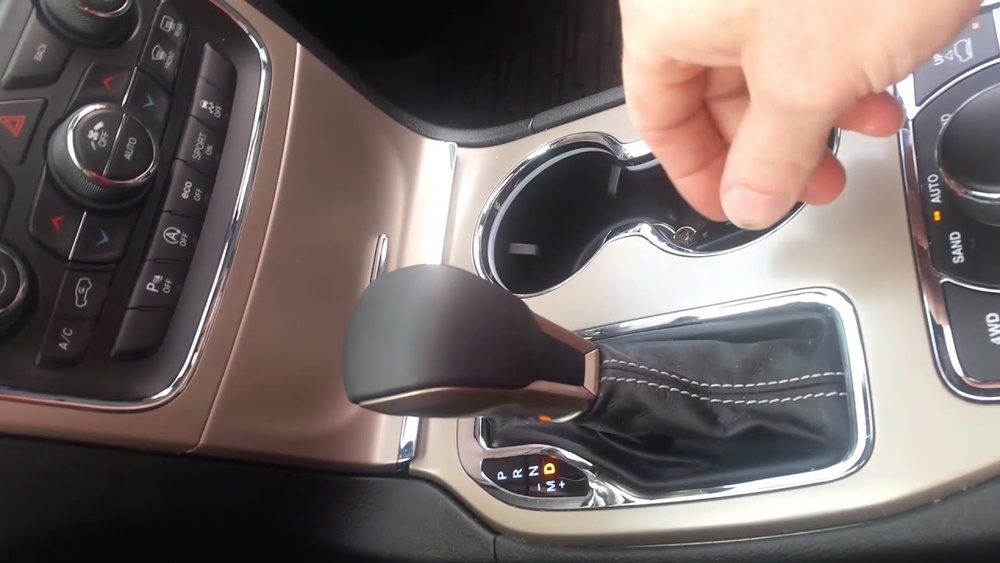
The 2017 Grand Cherokee uses an 8-speed automatic transmission in most trims. While this design offers smooth shifting in theory, it has faced several reliability issues.
1. Rough Or Delayed Shifting
Many drivers noticed harsh shifts when changing gears. Sometimes, the SUV hesitates before moving into the next gear, especially from first to second or second to third. This is not only uncomfortable but can also make city driving stressful.
2. Transmission Slipping
Transmission slipping means the gears disengage suddenly, causing the engine to rev but the vehicle does not accelerate as expected. Some owners reported this problem during moderate acceleration or when merging onto highways.
3. Sudden Jerks And Clunks
Jerky movements, also called “hard shifts” or “clunks,” often happen at low speeds or when stopping. This can feel like the car is being hit from behind.
4. Warning Lights And Messages
Dashboard warnings, such as the “Service Transmission” message or the check engine light, often appear when there’s a problem. These alerts may come with a sudden loss of power or the vehicle entering “limp mode,” which limits the car’s speed to protect the transmission.
5. Transmission Failure
Although less common, some owners experienced complete transmission failure. This means the car cannot move and requires a full transmission replacement or rebuild.
Causes Behind The Problems
Understanding why these issues happen helps prevent bigger headaches later.
| Problem | Possible Cause |
|---|---|
| Rough Shifting | Software bugs, dirty fluid |
| Slipping | Low transmission fluid, worn clutches |
| Jerks/Clunks | Valve body wear, solenoid failure |
| Warning Lights | Sensor faults, overheating |
| Failure | Internal damage, lack of maintenance |
The most common reason for these problems is software glitches. The 8-speed transmission uses complex electronics. Sometimes, a simple update from the dealership can fix the issue. However, mechanical problems such as worn clutches or solenoid failures may require parts replacement.
Signs You Have A Transmission Problem
Spotting trouble early can save you money and stress.
- You feel sudden jerks, shakes, or hesitation when shifting gears.
- The RPM (engine speed) rises but the car doesn’t accelerate.
- A burning smell, often like overheated oil.
- Unusual noises: Whining, humming, or clunking.
- Dashboard warning lights, especially the transmission or check engine light.
If you notice any of these, it is smart to have your Jeep checked by a qualified mechanic right away.
How To Fix Transmission Problems
Fixing transmission problems can range from a quick reset to a full rebuild. Here’s what you can expect:
| Repair Option | Estimated Cost | Typical Result |
|---|---|---|
| Software update | $100–$300 | Smoother shifting |
| Fluid change | $200–$400 | Reduces slipping, overheating |
| Solenoid/Valve body replacement | $500–$1,200 | Fixes clunks/jerks |
| Full transmission rebuild | $3,000–$5,000+ | Restores proper operation |
Many owners found that a transmission software update solved shifting problems. If the issue is mechanical, such as a worn solenoid, parts may need replacing.
Pro tip: Always ask the mechanic to check for the latest software updates first. This is the most affordable and sometimes the only fix needed.

Prevention And Maintenance Tips
While you can’t change the design of your vehicle, good habits can reduce the risk of costly repairs.
- Change transmission fluid regularly. Jeep recommends changing fluid every 60,000 miles. Dirty fluid is a top cause of failures.
- Don’t ignore warning lights. Early attention to dashboard messages can stop bigger issues.
- Let the vehicle warm up. In cold weather, give the engine and transmission a minute to circulate fluids.
- Avoid aggressive driving. Hard acceleration and rapid gear changes stress the transmission.
One thing many owners miss: using the wrong transmission fluid can lead to serious damage. Always use the fluid type listed in your owner’s manual.
Recalls And Warranty Coverage
Jeep issued several recalls for the 2017 Grand Cherokee related to transmission and shifting. Some issues were fixed with a software update at the dealership, often at no cost. If your vehicle is still under warranty, many repairs may be covered. Even after warranty, some dealers offer “goodwill” repairs if your Jeep has low mileage and a solid service history.
To check if your Jeep has an open recall, visit the official NHTSA recall site and enter your Vehicle Identification Number (VIN).
Real-world Example
Melissa, a 2017 Grand Cherokee owner, noticed rough shifting soon after buying her SUV. At first, the dealer replaced the transmission fluid, but the problem returned. After a transmission software update, the car shifted smoothly again. This shows why software and fluid checks should always come before expensive repairs.
Comparing Jeep Grand Cherokee To Competitors
How does the 2017 Grand Cherokee’s transmission hold up against similar SUVs?
| Model | Common Transmission Issues | Average Repair Cost |
|---|---|---|
| Jeep Grand Cherokee 2017 | Rough shifting, slipping | $1,000–$4,000 |
| Ford Explorer 2017 | Sudden loss of power | $1,500–$4,500 |
| Toyota Highlander 2017 | Minor shifting delay | $300–$2,000 |
The Grand Cherokee’s issues are more common and expensive to fix than some rivals. However, early detection and maintenance can help lower your costs.
When To Seek Professional Help
If your Jeep Grand Cherokee shows repeated transmission warnings, or you feel unsafe driving, visit a trusted dealership or transmission specialist. Delaying repairs can make problems worse and even cause total breakdowns.
Remember, not all noises or rough shifts mean a major problem. Sometimes, a quick software check or fluid change is all you need.
Frequently Asked Questions
What Is The Most Common Transmission Problem In The 2017 Jeep Grand Cherokee?
The most common issue is rough or delayed shifting. This usually happens due to software bugs or low transmission fluid.
How Can I Tell If My Transmission Is Failing?
Warning signs include jerky gear changes, slipping (engine revs but speed doesn’t increase), burning smells, and dashboard alerts.
Does Jeep Cover Transmission Repairs Under Warranty?
If your Grand Cherokee is under the 5-year/60,000-mile powertrain warranty, most transmission repairs are covered. Always check with your dealer for specifics.
Are There Any Recalls For The 2017 Grand Cherokee Transmission?
Yes, there have been recalls related to the transmission and shifting. Visit the NHTSA website to check your VIN for open recalls.
Can A Software Update Fix My Jeep’s Transmission Issue?
In many cases, yes. A transmission software update often solves rough shifting or hesitation, especially if there are no mechanical problems.
Dealing with transmission problems can be stressful, but understanding the signs, causes, and solutions helps you stay in control. With regular maintenance and quick action on warning signs, your 2017 Jeep Grand Cherokee can deliver the reliable performance you expect.