The Jeep Grand Cherokee is known for its off-road ability, smooth ride, and strong performance. But one key part often ignored is the transmission fluid. This simple liquid plays a huge role in how your Grand Cherokee shifts gears, handles power, and keeps running for years. Many owners ask, “When should I change the transmission fluid? What type does my Jeep need? What happens if I ignore it?” Let’s answer these questions and help you keep your Grand Cherokee running smoothly.
What Does Transmission Fluid Do?
Transmission fluid is more than just oil. In your Jeep Grand Cherokee, it:
- Lubricates moving parts to reduce wear and tear
- Cools the transmission to prevent overheating
- Cleans by carrying away tiny metal particles and debris
- Transmits power so your SUV shifts gears smoothly
A healthy transmission fluid means smoother shifting, less heat, and a longer-lasting transmission.
Types Of Transmission Fluid For Jeep Grand Cherokee
Not all transmission fluids are the same. Jeep Grand Cherokees have used several types over the years. Using the wrong type can cause rough shifting or even damage.
Here’s a quick comparison of the most common fluids:
| Fluid Type | Compatible Years/Models | Key Features |
|---|---|---|
| ATF+4 | 1999–present (most models) | Fully synthetic, high-temperature resistance |
| Mopar ZF 8&9 Speed ATF | 2014–present (8-speed auto) | Designed for ZF 8HP transmissions |
| Dexron III/Mercon | 1993–1998 (older models) | Basic, but less common today |
Tip: Always check your owner’s manual or contact a Jeep dealer before buying fluid. Even among the same model years, there can be differences.
When And Why Should You Change Transmission Fluid?
Many Jeep owners forget about the transmission fluid until there’s a problem. But waiting too long can lead to expensive repairs. Most experts recommend changing the fluid every 60,000 miles or every 4–5 years, whichever comes first. Some newer Grand Cherokees have “lifetime” fluid, but many mechanics suggest not waiting that long.
Signs you need a fluid change:
- Delayed or rough shifting
- Slipping gears
- Unusual noises when changing gears
- Dark or burnt-smelling fluid on the dipstick
Here’s a side-by-side look at recommended intervals:
| Model Year | Recommended Interval | Notes |
|---|---|---|
| 1999–2013 | 30,000–60,000 miles | Severe use: change sooner |
| 2014–present | 60,000–100,000 miles | Some “lifetime” claims; check with dealer |
Non-obvious insight: Even with “lifetime” fluids, real-world driving (towing, stop-and-go, hot climates) often means you should change fluid sooner for best protection.
How To Check And Change Transmission Fluid
You don’t need to be a mechanic to check your Jeep’s transmission fluid. Here’s how:
- Warm up the engine and park on a level surface.
- Shift through all gears, then leave in park with engine running.
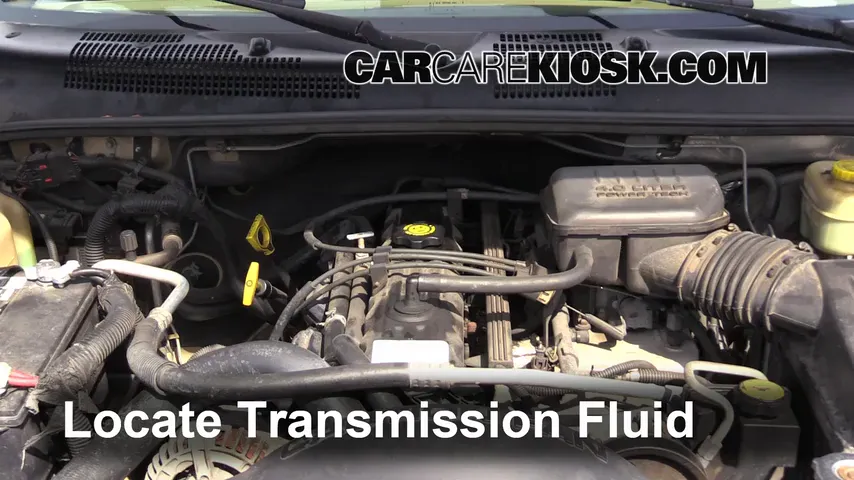
- Locate the dipstick (many newer models do not have one; check your manual).
- Wipe, reinsert, and pull the dipstick to check level and color.
- Healthy fluid should be pinkish-red, not brown or black, and shouldn’t smell burnt.
If you need to change the fluid, you have two main options:
- Drain and refill: Simple but only replaces about half the fluid.
- Full flush: Replaces almost all fluid, but must be done carefully to avoid damage.
It’s usually best to let a trusted shop do a full flush unless you have good mechanical skills. Incorrect procedures can cause slipping or leaks.

Cost Of Changing Jeep Grand Cherokee Transmission Fluid
Transmission fluid service is not free, but it’s much cheaper than a new transmission. Here’s what you can expect:
| Service Type | Typical Cost (USD) | What’s Included |
|---|---|---|
| Drain and refill | $120–$220 | Fluid, labor, basic inspection |
| Full flush | $250–$400 | Fluid, labor, filter, pan cleaning |
| DIY | $60–$120 | Fluid only (tools extra) |
Pro tip: Always replace the transmission filter and pan gasket during a full service. Skipping these can let dirt and metal shavings damage your transmission.
Common Mistakes Jeep Owners Make
Changing transmission fluid seems simple, but there are a few common errors:
- Using the wrong fluid type – This can cause poor shifting or even damage.
- Not changing the filter – Old filters leave behind debris.
- Overfilling or underfilling – Both can cause problems. Always check levels after service.
- Believing in “lifetime” fluid – Fluids degrade over time, especially in hot or heavy-use conditions.
- Ignoring warning signs – Strange noises, rough shifts, or fluid leaks should never be ignored.
Many owners don’t realize that driving in the city, towing, or climbing hills puts more stress on the transmission. This means you should check and change your fluid more often than the manual may suggest.

Frequently Asked Questions
How Do I Know Which Transmission Fluid Is Right For My Jeep Grand Cherokee?
Check your owner’s manual or the sticker under the hood. Most 1999 and newer models use ATF+4, while 2014 and later 8-speed models use a ZF 8&9 Speed ATF. If unsure, ask your Jeep dealer or visit the official Jeep website.
Can I Change The Transmission Fluid Myself?
Yes, if your model has a dipstick and drain plug, and you’re comfortable with basic tools. Be sure to buy the right fluid, a new filter, and a pan gasket. For newer models without dipsticks, a shop visit is safer.
What Happens If I Never Change The Transmission Fluid?
Old, dirty fluid can cause hard shifting, slipping, and overheating. Over time, this leads to expensive repairs or a full transmission replacement.
How Much Fluid Does A Jeep Grand Cherokee Transmission Need?
It depends on the model and year. Most require between 5 and 9 quarts. Always measure carefully and never overfill.
Is Flushing The Transmission Better Than A Simple Fluid Change?
A full flush replaces almost all the old fluid and is best if done correctly. However, on very high-mileage vehicles with old, dirty fluid, a flush can sometimes loosen debris and cause problems. If unsure, ask a trusted mechanic for advice.
Taking care of your Jeep Grand Cherokee’s transmission fluid is one of the best ways to protect your SUV’s performance and value. Whether you drive daily or love weekend adventures, regular fluid checks and changes will help you avoid costly problems down the road.