If you own a Jeep Grand Cherokee, you know it’s built for performance and adventure. But even the best vehicles need regular care. One small but important part is the transmission dipstick. This simple tool helps you check your automatic transmission fluid, which keeps your transmission running smoothly. Many drivers overlook it, but understanding your transmission dipstick can save you from expensive repairs and breakdowns.
Why The Transmission Dipstick Matters
The transmission dipstick allows you to quickly check the level and condition of your Jeep’s transmission fluid. Low or dirty fluid can cause shifting problems, overheating, or even total transmission failure. For a vehicle as complex as the Grand Cherokee, missing a fluid check can lead to major issues.
Unlike the engine oil dipstick, the transmission dipstick is less obvious. In some modern Jeep Grand Cherokees, the dipstick may even be missing because newer models use a “sealed” transmission.
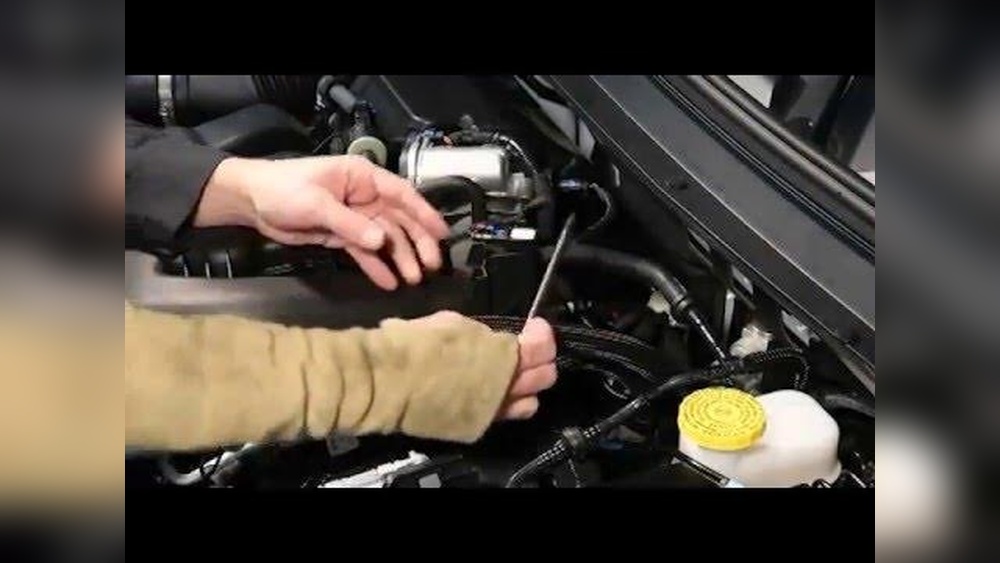
In older models, however, the dipstick is easy to access and use.
Where To Find The Transmission Dipstick
The location of the transmission dipstick depends on your Grand Cherokee’s year and engine. Here’s a quick guide:
| Model Year | Engine | Dipstick Location |
|---|---|---|
| 1999-2010 | All Gasoline Engines | Near the rear of the engine, passenger side |
| 2011-2021 | 3.6L/5.7L/6.4L | No dipstick (sealed transmission) |
| 2011-2021 | Diesel | May have dipstick, varies by region |
| 2022+ | All Engines | Mostly sealed, check owner’s manual |
If you don’t see a dipstick, your model probably uses a sealed system. For these, fluid checks and changes need special tools and are best done by a mechanic.

How To Use The Jeep Grand Cherokee Transmission Dipstick
For models with a transmission dipstick, checking the fluid is simple if you follow the right steps:
- Park on a level surface and set the parking brake.
- Start the engine and let it warm up to normal operating temperature.
- With your foot on the brake, shift the transmission through all gears, then return to Park.
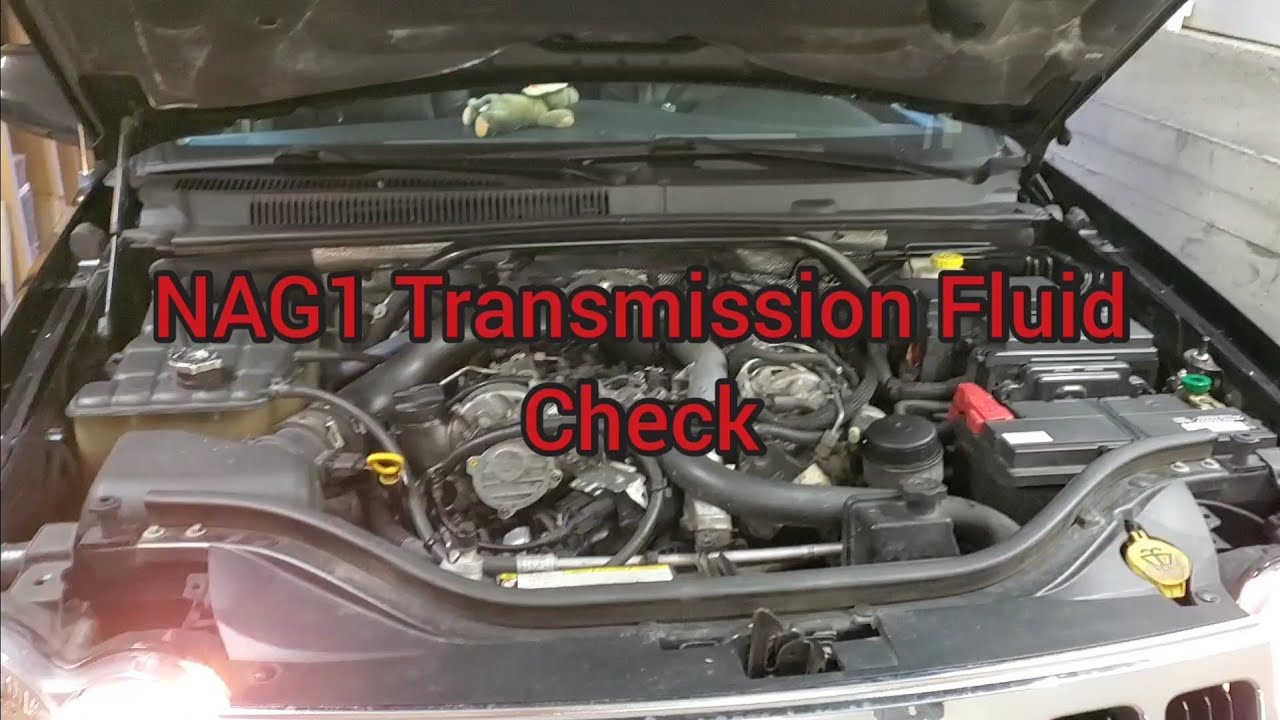
- Open the hood and locate the dipstick.
- Pull out the dipstick, wipe it clean, reinsert it fully, and pull it out again.
- Check the fluid level against the “Full” and “Add” marks.
Use only ATF+4 fluid for most Jeep Grand Cherokees. Adding the wrong fluid can damage your transmission.
What To Look For
- Fluid level: It should be between the marks.
- Fluid color: Clean fluid is red or pink. Brown or black fluid means it’s old or burnt.
- Fluid smell: A burnt smell is a sign of trouble.
Common Problems And Mistakes
Many Grand Cherokee owners make simple mistakes with their transmission dipstick:
- Overfilling: Too much fluid can cause foaming and shifting issues.
- Wrong fluid type: Always use the recommended fluid. Mixing types can harm the transmission.
- Checking when cold: Always check fluid when warm, unless the manual says otherwise.
- Ignoring leaks: Even small leaks can lead to big problems over time.
A surprising fact is that even a small amount of dirt or water in the transmission fluid can cause the transmission to slip or fail. Owners sometimes top up with the wrong product, not realizing that only ATF+4 meets Jeep’s strict requirements.
When To Change Transmission Fluid
Jeep recommends changing the transmission fluid every 60,000 to 100,000 miles for most Grand Cherokees. However, if you tow often or drive in tough conditions, you may need to change it more often. Old fluid loses its ability to cool and lubricate the transmission, increasing wear.
Here’s a simple comparison of transmission fluid condition and what it means:
| Fluid Color | Condition | Action Needed |
|---|---|---|
| Bright red | Healthy | No action |
| Light brown | Getting old | Plan to change soon |
| Dark brown/black | Burnt, dirty | Change immediately |
Aftermarket Dipsticks For Sealed Transmissions
If your Jeep Grand Cherokee does not have a transmission dipstick, you’re not alone. Many owners buy aftermarket dipsticks to check fluid themselves. These tools are available online or at auto parts stores. However, using them requires care:
- The dipstick may not be calibrated for your model.
- You must know the correct fluid level temperature for an accurate reading.
- Mistakes can lead to overfilling or underfilling.
While these tools are helpful, it’s safer to have the fluid level checked by a professional, especially if your Jeep is under warranty.

Diy Vs. Professional Service
Some Jeep owners prefer to handle maintenance themselves. If you’re comfortable with cars, checking the dipstick is a quick task.
But if your Grand Cherokee has a sealed transmission or you notice signs of trouble, it’s best to visit a certified mechanic.
Professional shops have the tools to read fluid temperature and use scan tools to diagnose transmission health. They can also spot hidden problems that you might miss at home.
Here’s a quick look at the pros and cons:
| DIY Check | Professional Service |
|---|---|
| Cheap and fast | Accurate and thorough |
| Good for older models | Needed for sealed systems |
| Risk of mistakes | Warranty-safe |
Final Thoughts
Paying attention to your Jeep Grand Cherokee transmission dipstick is one of the easiest ways to protect your vehicle’s transmission. Even if your model doesn’t have a dipstick, you should not ignore fluid health. Regular checks and proper fluid changes can prevent costly repairs, keep your Jeep running strong, and give you peace of mind on every drive.
If you need more detailed information, the official Jeep service manual or Jeep’s official website is always a reliable source.
Frequently Asked Questions
How Often Should I Check My Jeep Grand Cherokee’s Transmission Fluid?
Check the fluid at least every 6 months or with every oil change, especially if you drive in hot or heavy-traffic conditions.
What Type Of Transmission Fluid Does The Grand Cherokee Use?
Most models require ATF+4 automatic transmission fluid. Always check your owner’s manual to confirm the correct type.
Can I Add Transmission Fluid Myself If It’s Low?
Yes, if your Grand Cherokee has a dipstick. Use a funnel and pour slowly to avoid overfilling.
For sealed transmissions, it’s best to see a mechanic.
What Are Signs Of Low Or Bad Transmission Fluid?
Look for delayed shifting, slipping gears, strange noises, or a burning smell. These are signs you need to check your fluid right away.
Is It Safe To Use Aftermarket Dipsticks On Sealed Transmissions?
It’s possible, but accuracy depends on knowing the correct procedure and temperature. Mistakes can damage your transmission, so use caution or consult a pro.