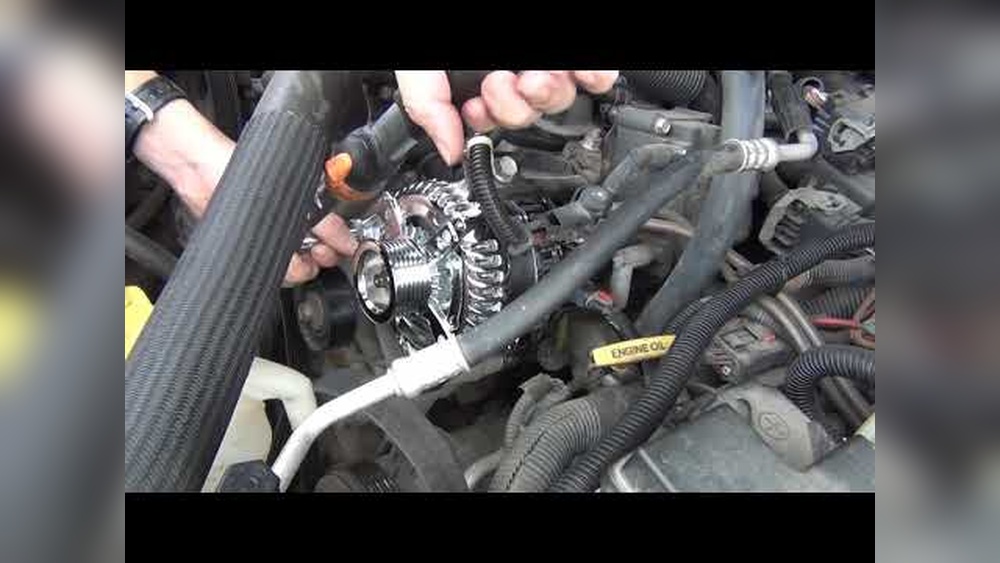
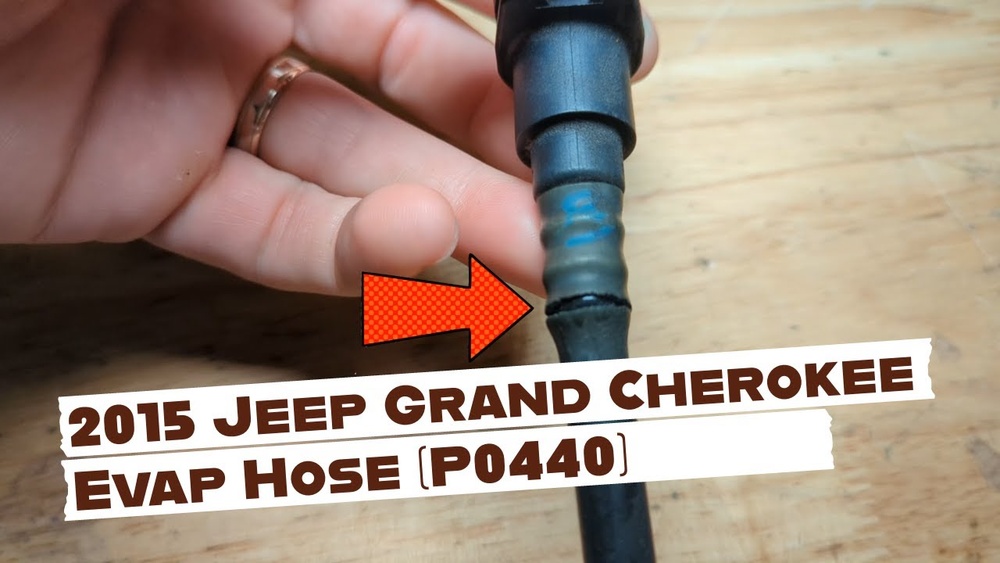
The Jeep Grand Cherokee is known for its rugged performance and reliability. But like any vehicle, it has parts that require attention, especially as it ages.
One critical component is the thermostat housing. If you own a Grand Cherokee or plan to buy one, understanding this part can save you money, prevent breakdowns, and keep your engine healthy.
Let’s explore what the thermostat housing does, common problems, replacement tips, and how to choose the right one for your Jeep.
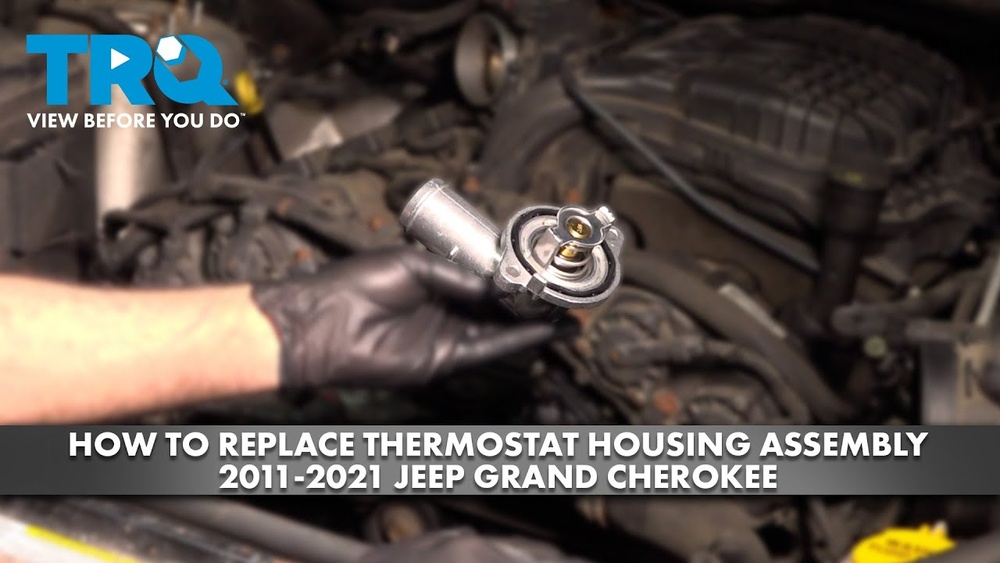
What Is The Thermostat Housing?
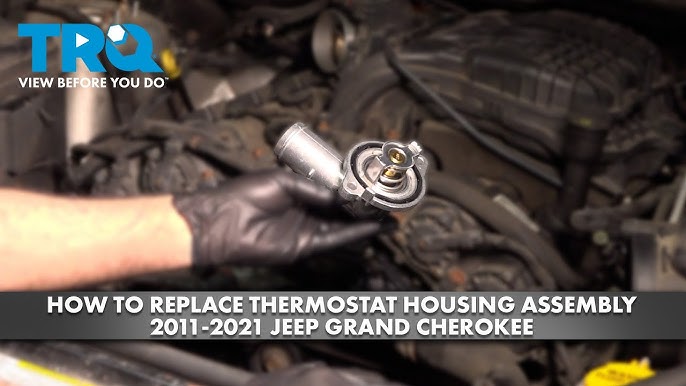
The thermostat housing is a small but important part. It sits on the engine block and holds the thermostat, which regulates coolant flow. When your Jeep’s engine warms up, the thermostat opens, letting coolant move through the radiator. This keeps the engine at the right temperature.
If the housing fails, leaks, or cracks, it can cause engine overheating or coolant loss. These issues can lead to expensive repairs if ignored.
Thermostat Housing Placement
In most Jeep Grand Cherokees (especially models from 2011 onward), the thermostat housing is located near the front of the engine. It’s usually attached to the cylinder head and connects to the upper radiator hose.
Common Thermostat Housing Issues
Even tough vehicles like the Grand Cherokee face problems with this part. Here are the most frequent issues:
- Coolant leaks – Small cracks or worn gaskets can let coolant escape.
- Corrosion – Metal housings can rust over time, especially with old coolant.
- Thermostat sticking – If the thermostat inside fails, the housing can overheat.
- Plastic housing failures – Newer models often use plastic, which can warp or break.
A leaking or damaged thermostat housing can lead to engine overheating, low coolant levels, and even engine damage. Regular inspection is key.
Signs Of A Bad Thermostat Housing
- Visible coolant leaks around the housing
- Engine temperature rising unusually fast
- Low coolant warning on dashboard
- Steam coming from the engine bay
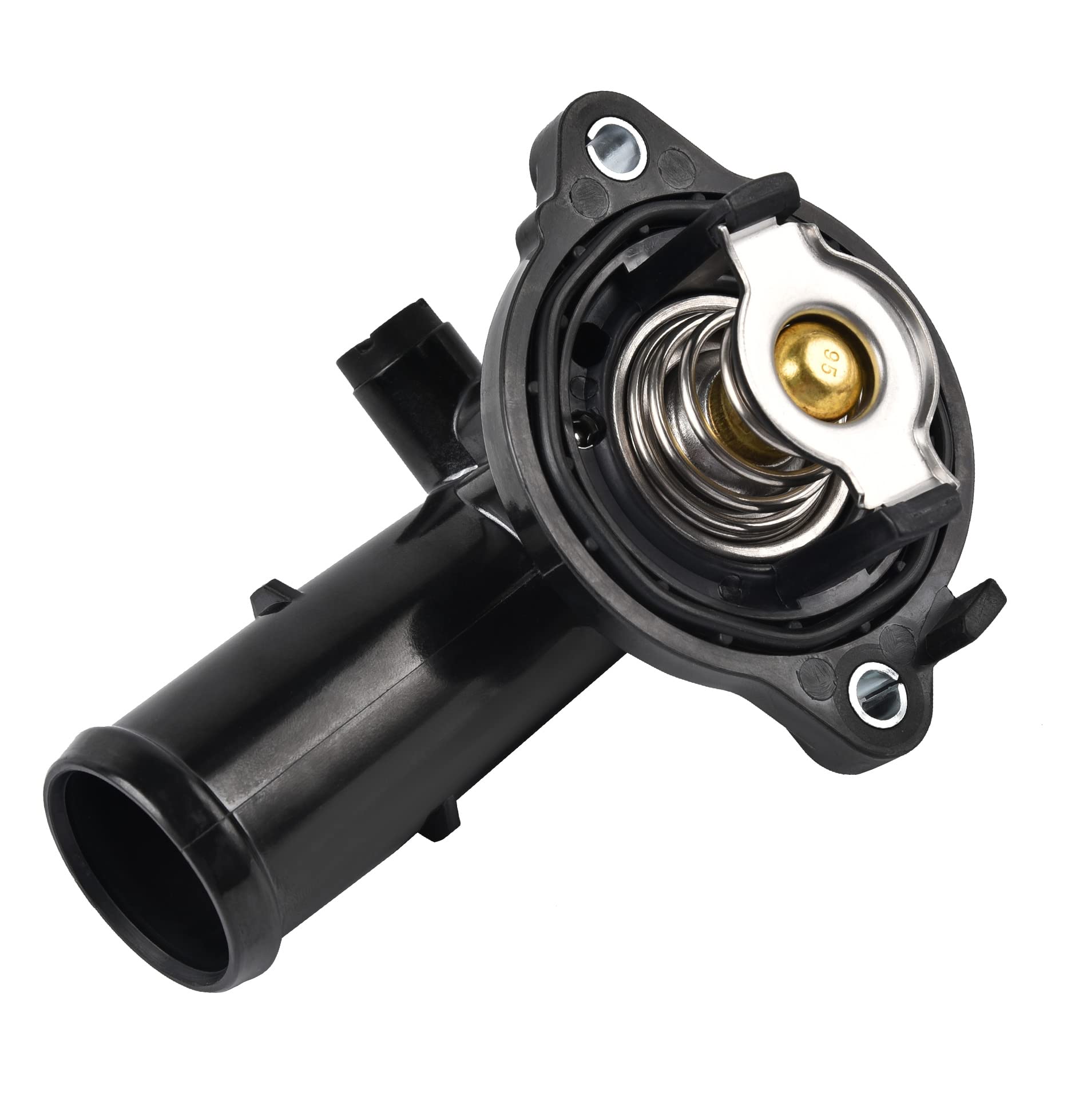
Jeep Grand Cherokee Thermostat Housing: Model Comparison
Different Jeep Grand Cherokee models use different thermostat housings. Here’s a quick comparison of three popular generations:
| Model Year | Material | Thermostat Type | Typical Lifespan |
|---|---|---|---|
| 1999-2004 (WJ) | Aluminum | Mechanical | 10+ years |
| 2005-2010 (WK) | Aluminum | Mechanical | 10+ years |
| 2011-2026 (WK2) | Plastic | Electronic | 7-10 years |
Insight: Many owners don’t realize plastic housings are less durable than aluminum ones. If you drive a newer Grand Cherokee, check the housing more often.
How To Replace The Thermostat Housing
Changing the thermostat housing isn’t too hard for those with basic mechanical skills. Here’s a step-by-step guide:
- Allow engine to cool. Never work on a hot engine.
- Drain coolant. Use a drain pan to catch fluid.
- Remove upper radiator hose. Loosen clamps and pull gently.
- Unbolt thermostat housing. Usually two or three bolts.
- Remove old thermostat. Check for damage or corrosion.
- Clean surface. Remove old gasket material and debris.
- Install new thermostat and housing. Use a fresh gasket or seal.
- Bolt housing back. Tighten evenly to avoid leaks.
- Reconnect hose and refill coolant.
- Start engine and check for leaks.
Tip: Always use the correct torque for bolts. Overtightening can crack the housing.
Common Mistakes
- Not cleaning the gasket surface properly
- Using the wrong thermostat for your model
- Forgetting to bleed air from the cooling system
Choosing The Right Thermostat Housing
Picking the right housing is crucial. Here’s what to consider:
| Factor | Why It Matters | What to Look For |
|---|---|---|
| Material | Aluminum lasts longer than plastic | Prefer aluminum if possible |
| Fit | Must match your engine model | Check Jeep part number |
| Thermostat Type | Mechanical vs electronic | Match to your year/model |
| Warranty | Protects against defects | Look for 1-year minimum |
Insight: Many buyers skip checking the part number. Always match your VIN or engine code to avoid costly mistakes.
Maintenance Tips
Keeping your thermostat housing healthy is simple but often ignored. Here are practical tips:
- Inspect regularly. Look for leaks, cracks, or corrosion every oil change.
- Replace coolant. Old coolant can cause corrosion and shorten housing life.
- Use quality parts. Cheap housings often fail sooner.
A well-maintained thermostat housing helps your Jeep last longer and run smoother.
Cost And Replacement Data
The price of a Jeep Grand Cherokee thermostat housing can vary. Here’s a breakdown:
| Year | OEM Price | Aftermarket Price | Labor Cost |
|---|---|---|---|
| 1999-2004 | $45-$65 | $25-$45 | $100-$150 |
| 2005-2010 | $50-$75 | $30-$55 | $110-$160 |
| 2011-2026 | $60-$90 | $40-$70 | $120-$180 |
Fact: Aftermarket housings are cheaper but may not last as long as OEM (original equipment manufacturer).
For more technical information, Jeep’s official repair guides are helpful. You can find detailed specs at Wikipedia.
Frequently Asked Questions
What Does The Thermostat Housing Do In A Jeep Grand Cherokee?
The thermostat housing holds the thermostat and connects it to the cooling system. It directs coolant flow and helps keep the engine at the correct temperature.
How Do I Know If My Thermostat Housing Is Bad?
Common signs include coolant leaks, engine overheating, and a low coolant warning. You may also see steam or smell coolant under the hood.
Is It Safe To Drive With A Leaking Thermostat Housing?
No, it’s risky. Losing coolant can quickly lead to engine overheating and serious damage. Fix leaks as soon as possible.
Should I Choose Aluminum Or Plastic Thermostat Housing?
Aluminum is more durable and resists corrosion. Plastic is lighter but can crack or warp. Choose aluminum if your model allows.
Can I Replace The Thermostat Housing Myself?
Yes, if you have basic tools and follow instructions. Always let the engine cool, drain coolant, and use the right parts for your Jeep.
Maintaining your Jeep Grand Cherokee thermostat housing prevents big problems and keeps your SUV running strong. With the right care and parts, you’ll enjoy many miles on and off the road.