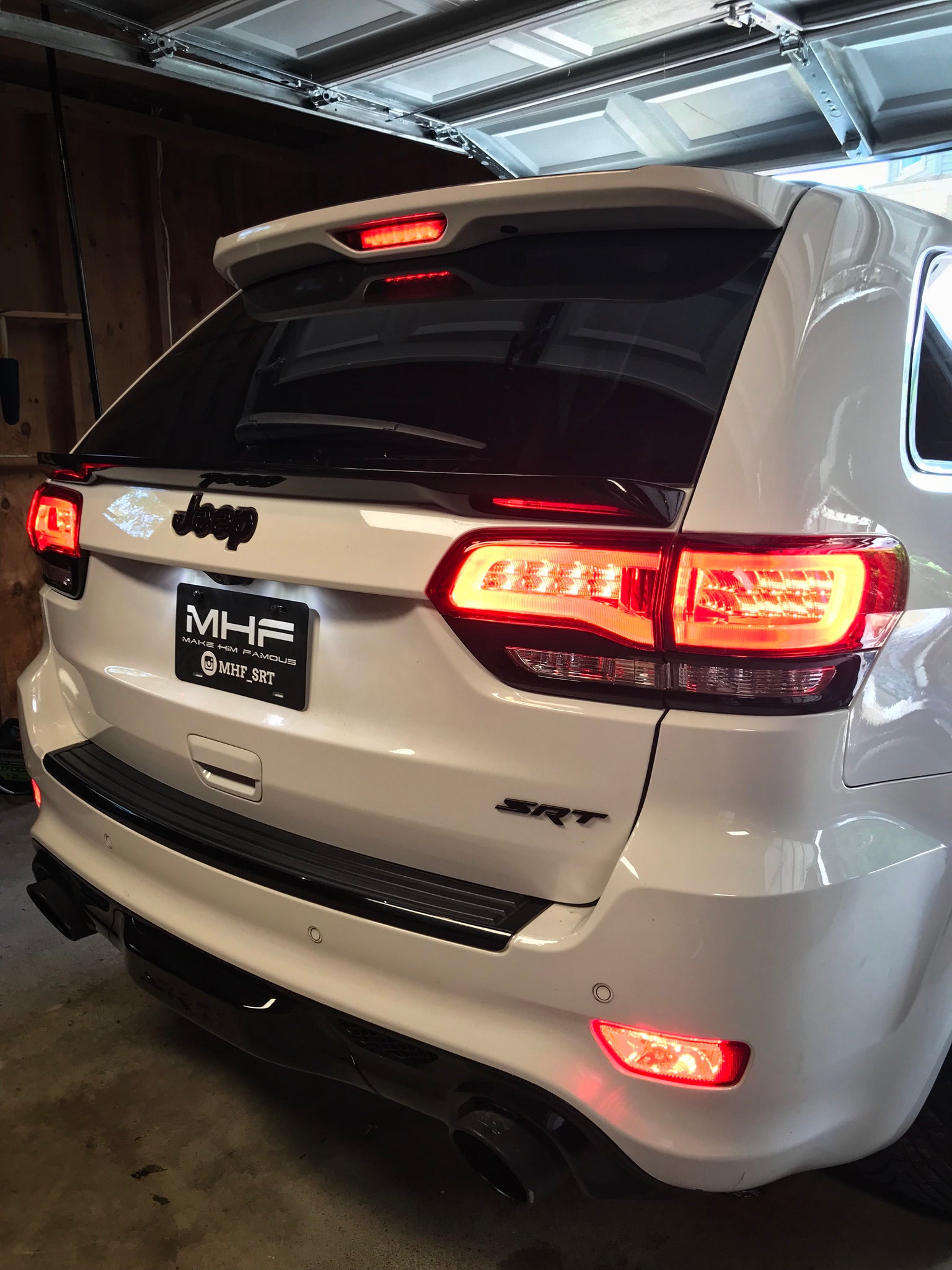
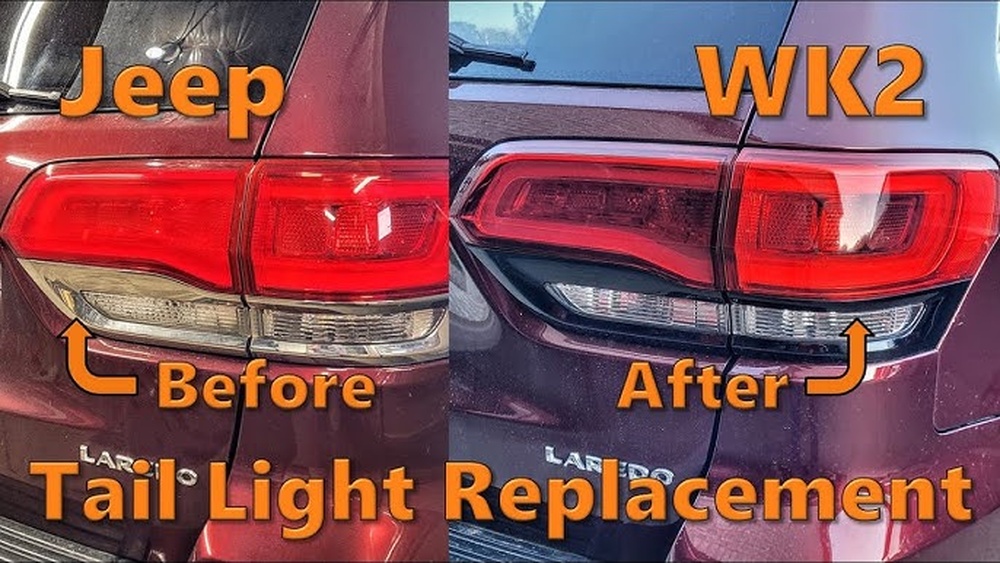
If your Jeep Grand Cherokee tail lights are not working, it’s more than an inconvenience—it’s a safety risk and can lead to a ticket. Tail lights are essential for nighttime visibility and signaling to other drivers.
Many owners face this issue, but fixing it often requires only basic troubleshooting. Let’s break down the most common causes, practical solutions, and how you can avoid costly mistakes.
Common Causes Of Tail Light Failure
A tail light problem can come from several sources. Most drivers assume it’s just a blown bulb, but other issues are often involved.
| Cause | Likelihood | Repair Difficulty |
|---|---|---|
| Blown Bulb | High | Easy |
| Faulty Fuse | Medium | Easy |
| Bad Wiring | Medium | Moderate |
| Defective Socket | Low | Moderate |
| Broken Switch | Low | Moderate |
- Blown bulb: This is the most common cause. Tail light bulbs have a limited lifespan, especially if you drive at night often.
- Faulty fuse: Each tail light circuit has its own fuse. If the fuse blows, the lights stop working.
- Bad wiring: Wires can become loose, corroded, or broken, especially in older vehicles.
- Defective socket: Sometimes, the bulb socket itself fails, preventing proper contact.
- Broken switch: The light switch inside your Jeep can wear out over time.
Troubleshooting Steps
Finding the exact cause is easier if you follow a step-by-step method. Here’s what you should do:
- Check the bulbs: Remove the tail light cover and look at the bulb. If the filament is broken or blackened, replace it.
- Inspect the fuse: Locate the fuse box (usually under the dashboard or hood). Find the tail light fuse using your owner’s manual. If the metal strip inside is broken, swap it with a new fuse of the same rating.
- Test wiring: Look for damaged or loose wires near the tail light assembly. Gently tug each wire; if any are loose, reconnect them.
- Examine the socket: If replacing the bulb doesn’t work, inspect the socket. Corroded or burnt sockets need replacement.
- Try the switch: If all else fails, the issue may be with the light switch. If other lights are failing too, this could be the cause.
| Step | Tools Needed | Estimated Time |
|---|---|---|
| Check Bulbs | Screwdriver, replacement bulb | 10 minutes |
| Inspect Fuse | Fuse puller, replacement fuse | 5 minutes |
| Test Wiring | Multimeter, wire connectors | 20 minutes |
| Examine Socket | Screwdriver, new socket | 15 minutes |
| Try Switch | None (visual check) | 10 minutes |

Replacing Tail Light Bulbs: Step-by-step
Changing a Jeep Grand Cherokee tail light bulb is simple for most models.
- Open the trunk and locate the tail light assembly.
- Remove screws holding the light in place.
- Pull the assembly gently to access the bulb.
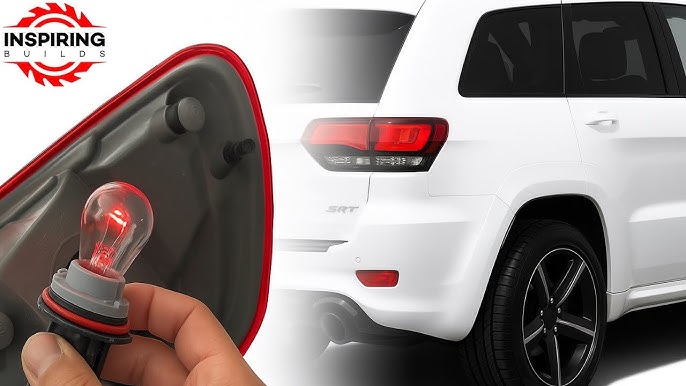
- Twist the bulb holder counterclockwise and remove the bulb.
- Insert the new bulb and twist it back into place.
- Reattach the light assembly and secure with screws.
Most bulbs cost between $5-$15 and last for 2-3 years. Always use the recommended bulb type from your manual.
Electrical Issues: What To Watch Out For
Sometimes, the problem is deeper than a bulb or fuse. Wiring faults can cause intermittent failures. If you notice flickering tail lights or both left and right sides not working, check for:
- Corroded connectors
- Broken wires
- Water damage inside the tail light housing
A multimeter helps test for voltage at the socket. If there’s no voltage, the problem is likely wiring or fuse-related. In rare cases, the Body Control Module (BCM) may fail, but this is uncommon and expensive to fix.
Typical Costs For Repairs
It’s helpful to know how much repairs might cost, especially if you decide to visit a mechanic.
| Repair Type | DIY Cost | Mechanic Cost |
|---|---|---|
| Bulb Replacement | $10-$20 | $50-$80 |
| Fuse Replacement | $5-$10 | $30-$50 |
| Socket Repair | $15-$30 | $80-$120 |
| Wiring Fix | $20-$40 | $100-$200 |
| BCM Replacement | N/A | $400-$700 |
DIY repairs are usually cheaper and fast. If you’re not confident, a mechanic can solve complex issues safely.
Preventing Tail Light Problems
You can avoid tail light failures with regular checks:
- Inspect lights monthly.
- Clean connectors to prevent corrosion.
- Check fuses after electrical storms or jump starts.
- Park in dry areas to avoid water damage.
Many owners miss the importance of checking the ground connection. A loose ground wire can cause both tail lights to fail. Another tip: avoid using bulbs that don’t meet Jeep’s specifications, as they may burn out faster.
When To Seek Professional Help
If you’ve tried the steps above and tail lights still won’t work, it’s time for expert help. Signs you need a professional:
- Both tail lights fail after bulb and fuse changes.
- Lights flicker or work only sometimes.
- You see melted wires or smell burning plastic.
A certified technician can test the BCM and deep electrical systems. For more detailed Jeep Grand Cherokee repair guidance, visit the official Jeep site.
Frequently Asked Questions
<!– wp:rank-math/faq-block {"questions":[{"id":"faq-question-1cfc7026d95b","title":"Why Do Both Tail Lights Stop Working At The Same Time?","content":"Both lights usually share a fuse and ground wire. If both go out, check the fuse and ground connection first.
“,”visible”:true},{“id”:”faq-question-b98c3207e167″,”title”:”Can I Drive With Only One Tail Light Working?”,”content”:”It’s unsafe and illegal in most states. You risk getting a ticket and making your Jeep less visible at night.
“,”visible”:true},{“id”:”faq-question-7e1729ce976b”,”title”:”How Often Should I Check My Tail Lights?”,”content”:”Check monthly and before long trips. Early detection prevents accidents and fines.
“,”visible”:true},{“id”:”faq-question-db9297e8b73f”,”title”:”Are Led Tail Lights Better Than Regular Bulbs?”,”content”:”LEDs last longer and use less power. However, they require compatible sockets and may cost more upfront.
“,”visible”:true},{“id”:”faq-question-0545f283d0c8″,”title”:”What’s The Most Common Mistake People Make When Fixing Tail Lights?”,”content”:”Many forget to check the fuse, focusing only on the bulb. Another mistake is using the wrong bulb type, which causes rapid burnout.
Even small tail light issues can lead to bigger safety risks. Regular checks, using the right parts, and following simple troubleshooting steps keep your Jeep Grand Cherokee tail lights working reliably. This way, you stay safer on the road and avoid surprise repair bills.
“,”visible”:true}]} –>Why Do Both Tail Lights Stop Working At The Same Time?
Both lights usually share a fuse and ground wire. If both go out, check the fuse and ground connection first.
Can I Drive With Only One Tail Light Working?
It’s unsafe and illegal in most states. You risk getting a ticket and making your Jeep less visible at night.
How Often Should I Check My Tail Lights?
Check monthly and before long trips. Early detection prevents accidents and fines.
Are Led Tail Lights Better Than Regular Bulbs?
LEDs last longer and use less power. However, they require compatible sockets and may cost more upfront.
What’s The Most Common Mistake People Make When Fixing Tail Lights?
Many forget to check the fuse, focusing only on the bulb. Another mistake is using the wrong bulb type, which causes rapid burnout.
Even small tail light issues can lead to bigger safety risks. Regular checks, using the right parts, and following simple troubleshooting steps keep your Jeep Grand Cherokee tail lights working reliably. This way, you stay safer on the road and avoid surprise repair bills.