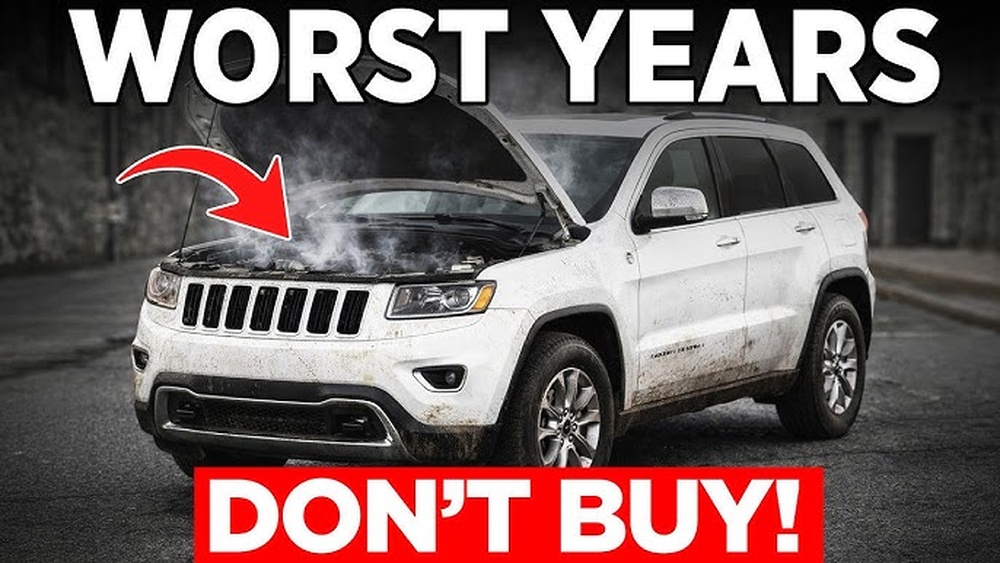
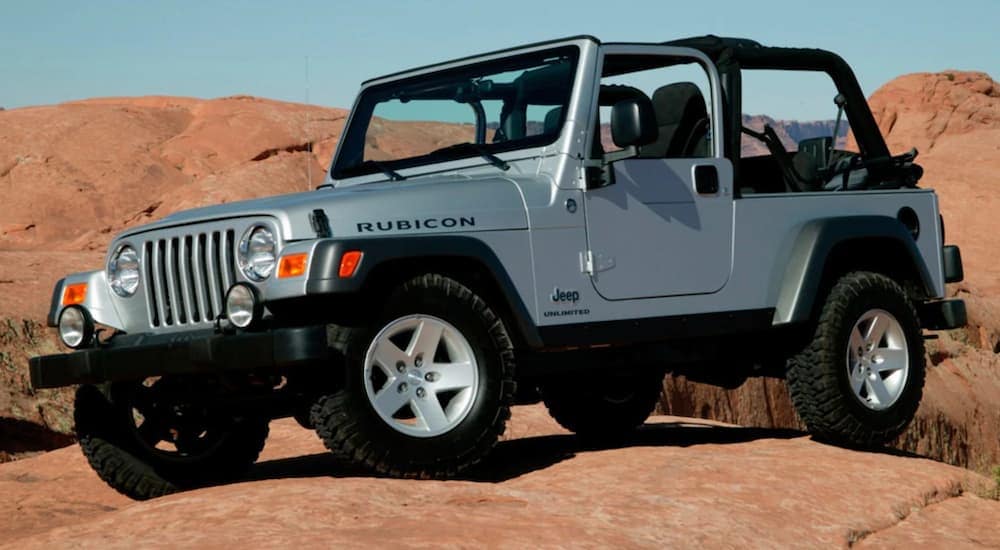
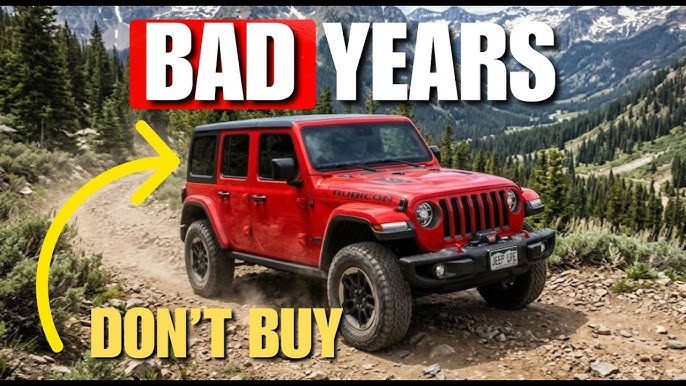
The Jeep JK, known widely as the third generation Jeep Wrangler, built its reputation on off-road strength and classic styling. Produced from 2007 to 2018, the JK gave drivers many options, but not all model years are equal.
Some years brought more headaches than adventure, mainly due to mechanical issues or factory recalls. If you're planning to buy a used Jeep JK, knowing which years to avoid can save you money and frustration.
Why Some Jeep Jk Years Stand Out (for The Wrong Reasons)
Not all JKs have the same reliability. Early production years and certain mid-cycle models had more problems. Owners report frequent repairs, electrical glitches, and engine trouble. These issues weren’t just minor annoyances—they often led to expensive repairs and safety concerns.
Jeep Jk Years You Should Avoid
2007 Jeep Jk
The 2007 model was the first of the JK generation. As with many first-year redesigns, this Jeep saw more than its fair share of problems. Common issues included:
- Transmission failure: Many owners reported problems with both manual and automatic transmissions.
- TIPM issues: The Totally Integrated Power Module (TIPM) often failed, causing electrical systems to act unpredictably.
- Leaky roof: Water leaks around the doors and windows were common, especially after rain.
2008 Jeep Jk
The 2008 Wrangler carried over many of the 2007’s problems. New owners found:
- Engine stalling: Sudden engine shutdowns, sometimes while driving, led to safety concerns.
- Electrical problems: The TIPM issues continued, affecting lights, wipers, and even the horn.
2012 Jeep Jk
Many Jeep lovers hoped for improvement, but the 2012 JK brought a different set of troubles:
- Cylinder head failure: The 3.6L Pentastar engine, new for 2012, had problems with cylinder heads, sometimes requiring costly replacement.
- Oil leaks: Gaskets and seals on the 3.6L engine were weak, leading to leaks even in lower-mileage Jeeps.
- Heater core clogging: Cooling system issues often led to poor heating in the cabin.
2013 Jeep Jk
While 2013 fixed some engine issues, it introduced new challenges:
- Electrical glitches: Owners reported problems with power windows, door locks, and dashboard displays.
- Transmission shifting: Rough or delayed shifts became common, making for an uncomfortable drive.
Here’s a quick look at how common complaints compare for these years:
| Model Year | Engine Problems | Transmission Issues | Electrical Faults |
|---|---|---|---|
| 2007 | High | High | High |
| 2008 | Medium | Medium | High |
| 2012 | High | Low | Medium |
| 2013 | Medium | Medium | High |
What Problems Made These Years Risky?
Engine And Transmission
The 3.8L engine (2007-2011) was known for oil leaks and low power. The 3.6L Pentastar (2012+) brought more power but had early cylinder head failures, especially in 2012. Transmission complaints included sudden slipping, failure to shift, or total breakdown.
Electrical Issues
JKs from 2007-2013 often had electrical gremlins. The TIPM, a central control unit, could fail and make things like headlights and wipers stop working. These repairs were expensive and sometimes needed dealer-only parts.
Water Leaks
Many early JKs had poorly sealed roofs and doors, causing water to leak inside during rain or car washes. Over time, this could lead to mold, rust, or electrical shorts.
Safety And Recalls
Some years saw major recalls. For example, the 2007 JK had recalls for brake lines, airbags, and fuel leaks. Always check the recall history when shopping for a used JK.
Jeep Jk Years With Fewer Problems
Not all JKs are trouble. Models from 2015 to 2018, especially, tend to be more reliable. Jeep had fixed many key issues by then. Here’s a quick comparison of problem frequency:
| Model Year Range | Reported Issues (per 100 vehicles) |
|---|---|
| 2007-2008 | 60+ |
| 2012-2013 | 50 |
| 2015-2018 | 20 |

Key Points When Buying A Used Jeep Jk
- Check for Recalls: Always check the VIN for open recalls on the official NHTSA site.
- Inspect for Leaks: Look for signs of water inside and under the carpet.
- Test Electronics: Try every switch, window, and light—don’t skip the small things.
- Engine Noise: Listen for ticking or knocking, especially on 2012-2013 models.
- Ask for Service Records: Regular oil changes and repairs signal a well-cared-for Jeep.
Non-obvious Insights For Buyers
Many buyers focus only on mileage, but service history matters more for JKs. A well-maintained 2012 with replaced cylinder heads can be better than a low-mileage 2013 with no service records. Also, look for JKs with aftermarket weather seals—these often fix factory leak problems and show the owner cared about long-term use.
Common Mistakes To Avoid
- Ignoring Rust: Even southern Jeeps can rust, especially around the frame and floorboards.
- Skipping the Test Drive: Some issues only show up when driving, like shifting problems or electrical glitches.
Should You Avoid All Early Jeep Jks?
Not every early JK is a bad buy, but the risk is higher. If you find a 2007-2008 or 2012-2013 with full records, recent repairs, and no leaks, it can still be a good deal. But expect higher repair costs over time compared to later JKs.
Frequently Asked Questions
<!– wp:rank-math/faq-block {"questions":[{"id":"faq-question-0969a0e02ba2","title":"What Is The Jeep Jk?","content":"The Jeep JK is the third generation of the Jeep Wrangler, made from 2007 to 2018. It is known for its strong off-road ability and classic Jeep look.
“,”visible”:true},{“id”:”faq-question-58bb83b69882″,”title”:”Are All 2012 Jeep Jks Bad?”,”content”:”No, not all 2012 JKs are bad, but many had engine problems, especially with the Pentastar cylinder heads. If the heads have been replaced, the Jeep is usually more reliable.
“,”visible”:true},{“id”:”faq-question-d575c3be8f81″,”title”:”Which Jeep Jk Year Is Most Reliable?”,”content”:”The 2015 to 2018 JKs are considered the most reliable. By then, Jeep fixed many engine, transmission, and electrical issues.
“,”visible”:true},{“id”:”faq-question-af94002a085a”,”title”:”How Do I Check For Recalls On A Jeep Jk?”,”content”:”You can enter the VIN at the official NHTSA recall site to see all open recalls and completed recalls for any Jeep JK.
“,”visible”:true},{“id”:”faq-question-21b2f85e57f7″,”title”:”What Is The Tipm And Why Is It Important?”,”content”:”The TIPM is the main control unit for many electrical systems in the Jeep JK. When it fails, systems like lights, wipers, or the horn may stop working. Replacing the TIPM is expensive and not always a guaranteed fix.
Choosing the right Jeep JK means looking beyond looks and price. By avoiding the trouble years and focusing on well-maintained, newer models, you can enjoy Jeep adventures without unexpected repairs.
“,”visible”:true}]} –>What Is The Jeep Jk?
The Jeep JK is the third generation of the Jeep Wrangler, made from 2007 to 2018. It is known for its strong off-road ability and classic Jeep look.
Are All 2012 Jeep Jks Bad?
No, not all 2012 JKs are bad, but many had engine problems, especially with the Pentastar cylinder heads. If the heads have been replaced, the Jeep is usually more reliable.
Which Jeep Jk Year Is Most Reliable?
The 2015 to 2018 JKs are considered the most reliable. By then, Jeep fixed many engine, transmission, and electrical issues.
How Do I Check For Recalls On A Jeep Jk?
You can enter the VIN at the official NHTSA recall site to see all open recalls and completed recalls for any Jeep JK.
What Is The Tipm And Why Is It Important?
The TIPM is the main control unit for many electrical systems in the Jeep JK. When it fails, systems like lights, wipers, or the horn may stop working. Replacing the TIPM is expensive and not always a guaranteed fix.
Choosing the right Jeep JK means looking beyond looks and price. By avoiding the trouble years and focusing on well-maintained, newer models, you can enjoy Jeep adventures without unexpected repairs.