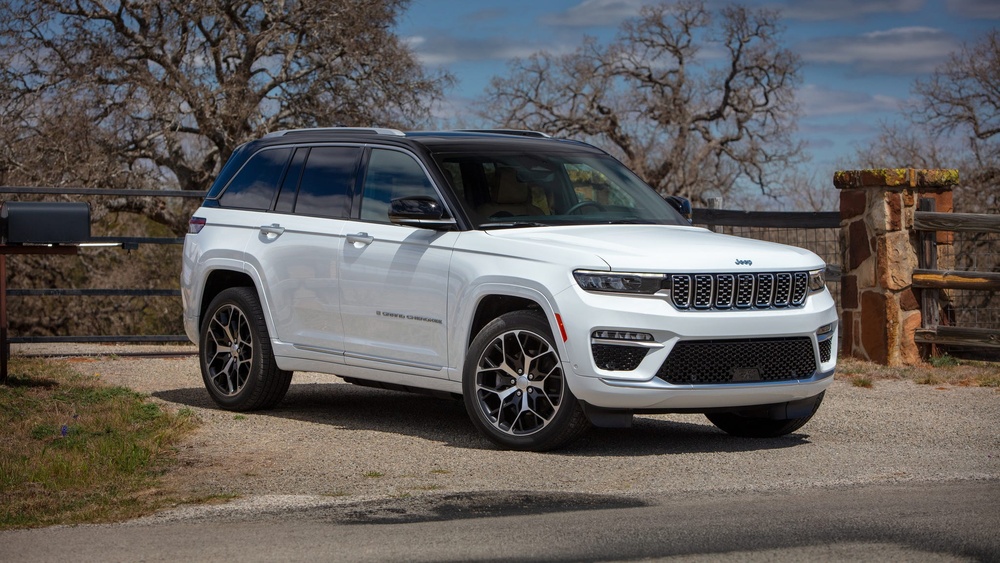
The Jeep Grand Cherokee has a long history of adventure and reliability. But for your Grand Cherokee to perform well, you must use the correct oil type and amount.
Choosing the right oil helps your engine last longer and run smoother. This guide will help you understand the best oil options for your Jeep Grand Cherokee, whether you drive an older model or the latest release.
Why Oil Type And Capacity Matter
Engine oil does more than just lubricate. It cools engine parts, reduces friction, and keeps harmful deposits away. Using the wrong oil type or too much/little oil can lead to engine damage, poor fuel economy, and even engine failure. For the Jeep Grand Cherokee, sticking to manufacturer guidelines is essential.
Recommended Oil Types For Jeep Grand Cherokee
Jeep Grand Cherokees have used several engines over the years. Each engine has specific oil requirements. Always check your owner’s manual, but here are the most common recommendations:
- 3.6L V6 (Pentastar): SAE 0W-20 synthetic oil
- 5.7L V8 (HEMI): SAE 0W-40 or 5W-20 (depending on model year)
- 6.2L Supercharged V8: SAE 0W-40 full synthetic
- Diesel engines: SAE 5W-40 synthetic (with API CJ-4 or ACEA C3 specs)
Synthetic oil is usually preferred because it handles high temperatures better and offers more protection.
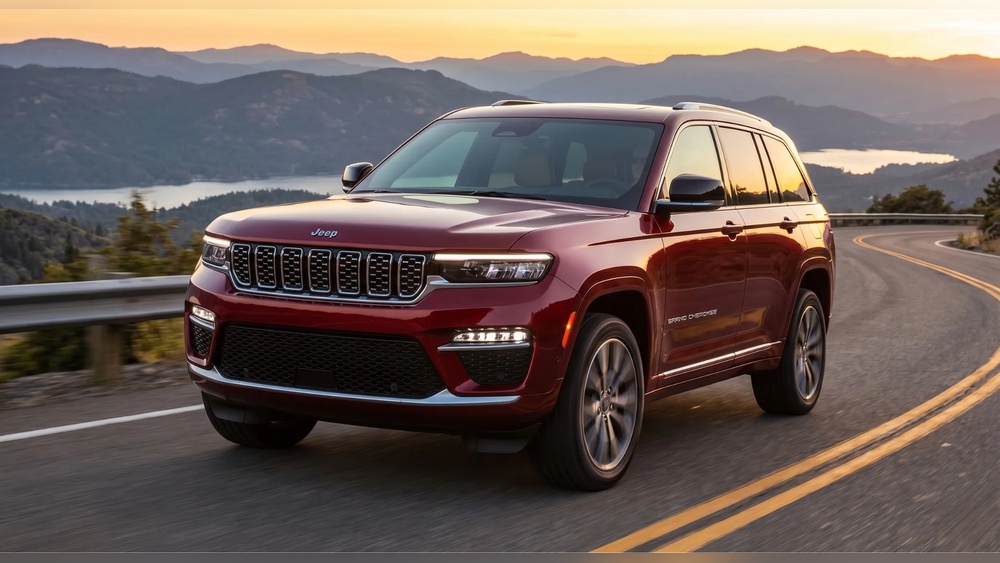
Example: 2026 Grand Cherokee
The 2026 model with the 3.6L V6 engine requires SAE 0W-20 synthetic oil. Using conventional oil or the wrong viscosity can void warranties and reduce engine life.
Oil Capacity By Engine
Knowing exactly how much oil your engine needs is critical. Overfilling can cause leaks and underfilling leads to poor lubrication.
Here’s a breakdown for some popular Jeep Grand Cherokee engines:
| Engine | Model Years | Oil Capacity (with filter) |
|---|---|---|
| 3.6L V6 | 2011–2026 | 6.0 quarts (5.7 liters) |
| 5.7L V8 | 2011–2026 | 7.0 quarts (6.6 liters) |
| 6.4L V8 | 2014–2026 | 7.0 quarts (6.6 liters) |
| 3.0L Diesel V6 | 2014–2019 | 8.1 quarts (7.7 liters) |
Always include the oil filter when refilling, as it holds extra oil.
How To Choose The Best Oil For Your Grand Cherokee
Selecting the right oil depends on your engine, climate, and driving habits. Here are key factors:
- Viscosity: Stick to the recommended SAE grade. Thinner oils (like 0W-20) flow better in cold weather, while thicker oils (like 5W-40) protect at high temperatures.
- Synthetic vs. Conventional: Most modern Grand Cherokees need full synthetic oil. It resists breakdown and keeps engines cleaner.
- Quality Certifications: Look for API or ACEA certification marks on the bottle. These guarantee the oil meets Jeep’s requirements.
Common Mistakes
Many owners think thicker oil offers better protection. In reality, using oil that’s too thick can slow engine startup and reduce fuel efficiency. Another mistake is mixing different oil types. Always use the same oil type and viscosity for top-offs.

Oil Change Interval And Best Practices
Changing your oil on time is just as important as using the right type and capacity. For most Jeep Grand Cherokees, the recommended oil change interval is every 7,500 to 10,000 miles with synthetic oil. If you drive in harsh conditions—like frequent towing, off-roading, or extreme heat—change oil more often.
Simple Oil Change Steps
- Warm up the engine for a few minutes.
- Turn off and let it cool slightly.
- Remove the drain plug and old filter.
- Install a new filter and replace the plug.
- Add new oil—check the dipstick to avoid overfilling.
- Run the engine and check for leaks.
A common beginner mistake is not replacing the oil filter. Always change the filter with the oil to keep your engine clean.
Comparison: Grand Cherokee Vs. Other Suvs
How does the Grand Cherokee’s oil needs compare to similar SUVs? Here’s a quick look:
| Model | Engine | Oil Type | Capacity |
|---|---|---|---|
| Grand Cherokee | 3.6L V6 | 0W-20 Synthetic | 6.0 qts |
| Ford Explorer | 3.5L V6 | 5W-30 Synthetic | 6.0 qts |
| Toyota 4Runner | 4.0L V6 | 0W-20 Synthetic | 6.6 qts |
As you can see, the Grand Cherokee’s oil capacity is about average for its class, but oil type requirements can vary.
Advanced Tips For Better Engine Health
- Always check oil levels monthly, especially before long trips.
- If you see oil leaks or a burning smell, have your engine checked immediately.
- Use high-quality oil filters to trap more contaminants.
- In cold climates, stick to the lowest recommended viscosity for faster engine protection.
- If you drive short distances often, consider changing oil more frequently. Short trips can cause moisture buildup, which breaks down oil faster.
Where To Find Official Information
The best source is your owner’s manual. If it’s missing, the official Jeep website provides manuals and oil specs for every model year. You can also check the oil cap under your hood; it often lists the correct viscosity.
For more technical details about engine oils, the American Petroleum Institute offers useful guides.
Frequently Asked Questions
<!– wp:rank-math/faq-block {"questions":[{"id":"faq-question-8fdda39ab464","title":"What Happens If I Use The Wrong Oil Type In My Jeep Grand Cherokee?","content":"Using the wrong oil can cause engine wear, poor performance, and may void your warranty. The engine might not get proper lubrication, leading to expensive repairs.
“,”visible”:true},{“id”:”faq-question-7ffca8b98e60″,”title”:”Can I Switch From Conventional To Synthetic Oil?”,”content”:”Yes, you can switch at any time. Synthetic oil offers better protection and works well in all Jeep Grand Cherokee engines, especially newer models.
“,”visible”:true},{“id”:”faq-question-bee5331db5df”,”title”:”How Do I Know When My Grand Cherokee Needs An Oil Change?”,”content”:”Most models have an oil life monitor on the dashboard. You should also check the oil level and color monthly. If it looks dark or dirty, it’s time to change.
“,”visible”:true},{“id”:”faq-question-ee42c5f057e6″,”title”:”Is It Ok To Use Aftermarket Oil Filters?”,”content”:”Aftermarket filters are fine if they meet Jeep’s quality standards. Low-quality filters can cause leaks or let harmful particles through, so pick trusted brands.
“,”visible”:true},{“id”:”faq-question-8638f4542f3b”,”title”:”How Much Does An Oil Change Cost For A Jeep Grand Cherokee?”,”content”:”Prices vary, but expect to pay $60–$120 for a synthetic oil change at a shop. Doing it yourself is cheaper, but make sure you use the correct oil and filter.
Taking care of your Jeep Grand Cherokee’s oil needs is simple but important. By choosing the right oil type and following the correct capacity, you help your SUV deliver power and reliability for years. Always stay updated with your owner’s manual and enjoy every mile with confidence.
“,”visible”:true}]} –>What Happens If I Use The Wrong Oil Type In My Jeep Grand Cherokee?
Using the wrong oil can cause engine wear, poor performance, and may void your warranty. The engine might not get proper lubrication, leading to expensive repairs.
Can I Switch From Conventional To Synthetic Oil?
Yes, you can switch at any time. Synthetic oil offers better protection and works well in all Jeep Grand Cherokee engines, especially newer models.
How Do I Know When My Grand Cherokee Needs An Oil Change?
Most models have an oil life monitor on the dashboard. You should also check the oil level and color monthly. If it looks dark or dirty, it’s time to change.
Is It Ok To Use Aftermarket Oil Filters?
Aftermarket filters are fine if they meet Jeep’s quality standards. Low-quality filters can cause leaks or let harmful particles through, so pick trusted brands.
How Much Does An Oil Change Cost For A Jeep Grand Cherokee?
Prices vary, but expect to pay $60–$120 for a synthetic oil change at a shop. Doing it yourself is cheaper, but make sure you use the correct oil and filter.
Taking care of your Jeep Grand Cherokee’s oil needs is simple but important. By choosing the right oil type and following the correct capacity, you help your SUV deliver power and reliability for years. Always stay updated with your owner’s manual and enjoy every mile with confidence.