When your Jeep Grand Cherokee starts to feel less like the capable off-roader it was designed to be, and more like a tired old car, it’s often the suspension that’s telling the story.
Over time, the constant work of absorbing bumps, supporting weight, and keeping your tires firmly planted on the ground takes its toll. Worn-out suspension parts don't just make for an uncomfortable ride; they can impact your vehicle's handling, braking, and even safety.
Fortunately, replacing these worn components is a common and often necessary part of maintaining your Grand Cherokee. A suspension parts kit is a smart way to tackle these repairs. These kits bundle together the essential parts you’ll likely need, saving you time searching for individual items and often providing a cost saving. Whether you’re dealing with a rough ride, uneven tire wear, or a loss of control, understanding the components of a suspension kit and what they do is crucial for getting your Jeep back to its best. This guide will walk you through what to expect in a typical kit, why each part is important, and how to choose the right one for your specific Grand Cherokee model.
Understanding Your Jeep Grand Cherokee’s Suspension System
The suspension system is a complex network of parts designed to maximize the friction between your tires and the road, provide steering stability, and absorb shocks and vibrations from uneven surfaces. For a vehicle like the Jeep Grand Cherokee, known for its blend of on-road comfort and off-road prowess, a robust suspension is absolutely critical.
It’s what allows you to confidently tackle trails while still enjoying a smooth ride on your daily commute.
The Role Of Key Suspension Components
Each part in a suspension system has a specific job, and when one fails, it can put extra strain on others, leading to a cascade of problems.
- Control Arms: These are crucial links that connect the chassis of your Jeep to the steering knuckles, which hold the wheels. They allow the suspension to move up and down while keeping the wheels aligned correctly. There are typically upper and lower control arms on both the front and rear of the vehicle. Worn control arm bushings (the rubber or polyurethane parts that cushion the connection points) are a common issue, leading to clunking noises and poor handling.
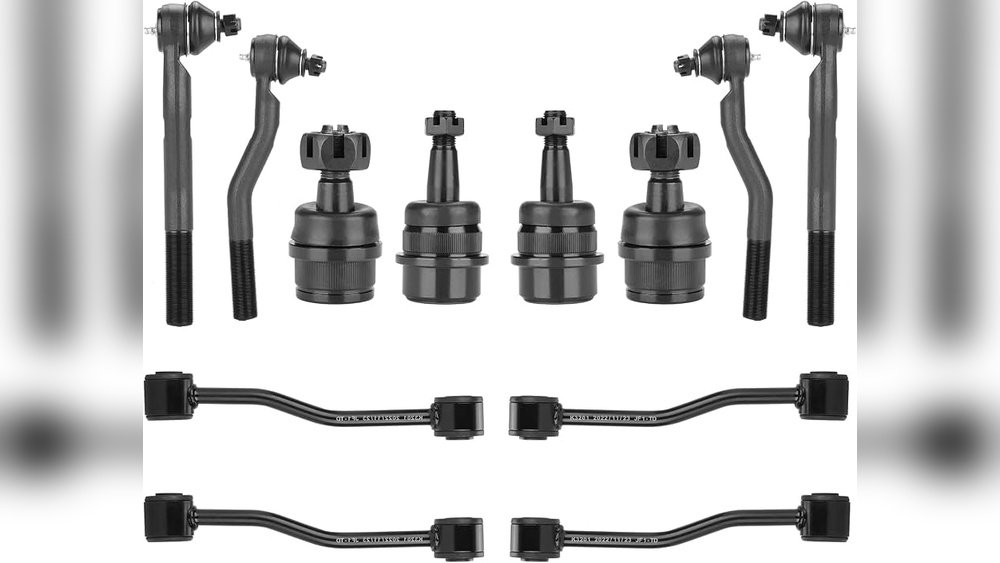
- Ball Joints: These are flexible pivot points that connect the control arms to the steering knuckles. They allow for both rotational and tilting movement, which is essential for steering and suspension travel. If ball joints wear out, you might experience looseness in the steering wheel, a clunking sound when turning, or even the dreaded scenario of a wheel detaching.
- Sway Bar Links (Stabilizer Links): These connect the sway bar (or anti-roll bar) to the suspension components. The sway bar helps reduce body roll when you turn. The links transfer the motion of the suspension to the sway bar, keeping your Jeep flatter through corners. Worn links often cause a rattling or clunking noise, especially over bumps or on uneven roads.
- Tie Rod Ends: These are part of the steering system, connecting the steering rack to the steering knuckle. They allow the wheels to turn left and right. Worn tie rod ends can lead to sloppy steering, difficulty in keeping the vehicle straight, and uneven tire wear.
- Bushings: Found at nearly every pivot point in the suspension, bushings are typically made of rubber or polyurethane. Their job is to absorb vibrations and noise, allowing components to move smoothly without metal-on-metal contact. Over time, rubber bushings can crack, degrade, or get compressed, leading to looseness, noise, and compromised handling.
- Struts and Shocks: These are the primary dampening components. Shocks absorb the energy from the springs, controlling the bouncing motion. Struts are similar but also serve as a structural part of the suspension, often incorporating the spring mount. Worn shocks or struts lead to a bouncy ride, longer braking distances, and a feeling that the vehicle is wallowing.
What To Expect In A Jeep Grand Cherokee Suspension Parts Kit
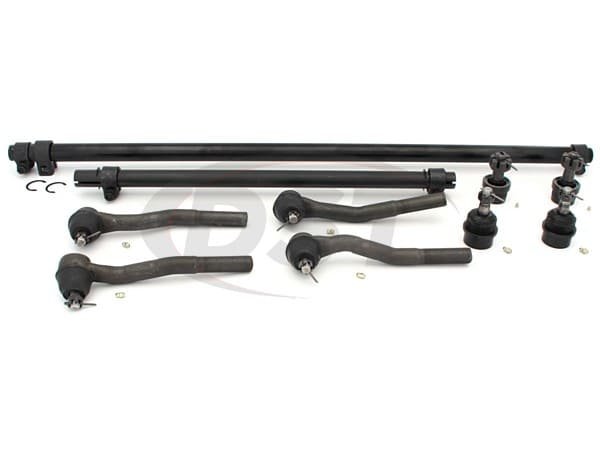
When you purchase a Jeep Grand Cherokee suspension parts kit, you’re typically getting a collection of the most commonly replaced wear items. The exact contents can vary significantly between manufacturers and specific kits, so it’s always important to check the product description carefully. However, most comprehensive kits aim to address the front suspension, as this is often the first area to show significant wear.
Common Components Included In Kits
- Front Upper Control Arms: These often come as a complete assembly, including the ball joint pre-installed. This is a significant time-saver during installation.
- Front Lower Control Arms: Similar to the upper arms, these can be complete assemblies with pre-installed ball joints. Some kits might only include the control arm itself, requiring you to transfer or replace the ball joint separately.
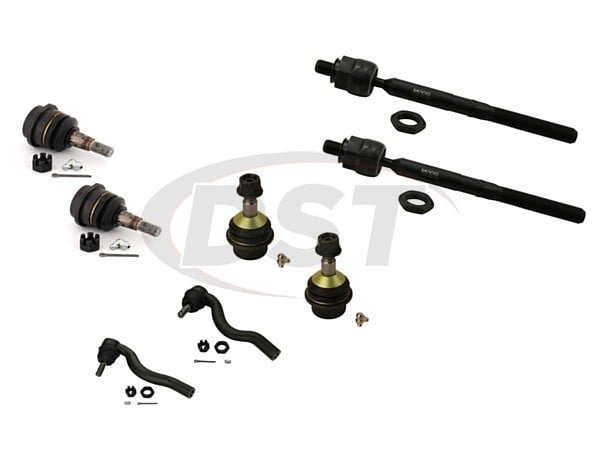
- Ball Joints: If not pre-installed on the control arms, the kit will usually include separate upper and lower ball joints for the front wheels.
- Sway Bar Links (Stabilizer Links): These are almost always included in a front suspension kit. They are a very common failure point.
- Tie Rod Ends: Both inner and outer tie rod ends for the front steering system are frequently part of a kit.
- Bushings: While some kits might include all new bushings for the control arms, others might assume you’re replacing the entire control arm assembly, which often comes with new bushings. Always verify.
Why Kits Are A Smart Choice
- Convenience: You get most of the parts you need in one box. This saves you the hassle of identifying and ordering each component individually.
- Cost Savings: Manufacturers often price kits lower than if you were to buy each part separately. This is because they can streamline production and distribution.
- Compatibility: Kits are usually designed for a specific make, model, and year range of the Grand Cherokee, ensuring all parts are compatible.
- Addressing Multiple Wear Points: Worn suspension components often fail in groups. A kit helps ensure you’re replacing parts that are likely experiencing similar levels of wear.
What Might Not Be Included
It’s important to know what a kit *doesn’t* usually cover.
- Shocks and Struts: These are often sold separately, though some specialized kits might include them.
- Coil Springs: Unless it’s a complete strut assembly, springs are typically not included.
- Wheel Bearings: While related to the hub assembly, these are usually separate parts.
- Rear Suspension Components: Many kits focus solely on the front end. If you need rear parts, you might need to purchase a separate rear kit or individual components.
- Hardware: While some kits include new nuts and bolts, many do not. It’s wise to have a supply of new hardware on hand, as old fasteners can be rusted and difficult to remove, and sometimes they are single-use.
Choosing The Right Suspension Parts Kit For Your Jeep Grand Cherokee
Selecting the correct suspension kit is vital for ensuring proper fitment, performance, and longevity. With several generations and trim levels of the Jeep Grand Cherokee, parts can vary significantly.
Identifying Your Specific Grand Cherokee Model
The most critical step is knowing your exact year, make, and model, including any specific trim levels or drivetrain options (like 2WD vs. 4WD). For example, a 2015 Grand Cherokee WK2 with a 5.7L V8 engine will have different suspension components than a 2005 Grand Cherokee WK with a 3.7L V6.
- Year: Look at your driver’s side door jamb sticker or your vehicle registration.
- Model: This is usually clearly marked on the vehicle (e.g., Grand Cherokee).
- Trim Level: This can affect suspension tuning (e.g., Overland, Summit, SRT).
- Drivetrain: 2WD (RWD) and 4WD models can have different suspension setups.
Factors To Consider When Buying
- Brand Reputation: Stick with reputable brands known for quality automotive parts. Brands like Moog, TRW, Delphi, and ACDelco are generally well-regarded. Avoid no-name brands, as the quality and durability can be questionable.
- Material Quality: Look for kits that use high-quality materials. For example, control arms made from forged steel are generally stronger than those made from stamped steel. Bushings made from durable polyurethane can offer better longevity than standard rubber, though they might transmit more vibration.
- Warranty: A good warranty indicates the manufacturer’s confidence in their product. Look for kits with at least a 1-year warranty, though some premium brands offer lifetime warranties on certain components.
- Kit Contents vs. Your Needs: Does the kit include everything you need? If you’ve already diagnosed worn sway bar links but your control arms are still good, you might opt for a smaller, more specific kit or individual parts. Conversely, if you suspect multiple issues, a comprehensive kit is usually the best approach.
- Price: While it’s tempting to go for the cheapest option, remember that suspension parts are critical for safety and performance. Extremely low prices can sometimes indicate lower quality materials or manufacturing processes. Balance cost with quality and brand reputation.
Where To Buy
- Online Retailers: Websites like RockAuto, AutoZone, O’Reilly Auto Parts, and Amazon offer a vast selection. Be sure to read reviews and check seller ratings.
- Local Auto Parts Stores: These can be convenient for immediate needs and offer knowledgeable staff, but selection might be more limited and prices sometimes higher.
- Specialty Jeep Parts Suppliers: For more performance-oriented or specific off-road suspension needs, dedicated Jeep parts suppliers might have specialized kits.
Installation Considerations And Tips
Replacing suspension components is a moderately difficult DIY job. It requires specific tools, mechanical knowledge, and a safe workspace.
If you're not comfortable with these tasks, it's best to have a professional mechanic perform the installation.
Tools You’ll Likely Need
- Jack and Jack Stands: Crucial for safely lifting and supporting the vehicle. Never work under a car supported only by a jack.
- Socket Set and Wrenches: Including metric sizes, deep sockets, and extensions.
- Torque Wrench: Essential for tightening fasteners to the manufacturer’s specifications. Incorrect torque can lead to premature failure or unsafe conditions.
- Ball Joint Separator (pickle fork) or Ball Joint Press: Needed to disconnect ball joints from steering knuckles.
- Pry Bars: Useful for manipulating suspension components.
- Hammer: For persuasion.
- Penetrating Oil (like PB Blaster): To loosen rusted bolts and nuts.
- Wire Brush: For cleaning mounting surfaces.
- Grease Gun: If your new components require greasing.
The Installation Process (general Overview)
- Safety First: Park your Jeep on a level surface, engage the parking brake, and block the rear wheels. Loosen the lug nuts on the front wheels slightly.
- Lift and Support: Use a jack to lift the front of the vehicle and securely place jack stands under the frame or designated support points. Lower the vehicle onto the jack stands. Remove the front wheels.
- Disassembly: Identify the components to be replaced. You’ll typically need to disconnect the sway bar links, tie rod ends, and then unbolt the control arms from the frame and the steering knuckle. This often involves removing the axle nut if working on a 4WD model.
- Component Removal: Use your tools to separate the old components. This can be challenging if parts are rusted or seized.
- Installation of New Parts: Install the new control arms, ball joints, sway bar links, and tie rod ends. Ensure all bushings are properly seated.
- Torqueing: Tighten all bolts and nuts to the specified torque values using a torque wrench. This is critical for safety and component life. Refer to a service manual for your specific Grand Cherokee.
- Reassembly: Reinstall the wheels, tighten the lug nuts in a star pattern, and lower the vehicle.
- Wheel Alignment: This is non-negotiable. After replacing suspension and steering components, you *must* get a professional wheel alignment. Failure to do so will result in poor handling, uneven tire wear, and can even make the vehicle unsafe to drive.
Pro Tip: Inspect Other Components
While you have the suspension apart, take the opportunity to inspect related parts. Check the condition of your CV boots (if 4WD), brake lines, wheel bearings, and shocks/struts for any signs of damage, leaks, or excessive wear.
Replacing these now can save you a separate trip to the mechanic later.
Common Suspension Problems And Symptoms
Recognizing the signs of worn suspension parts can save you from more extensive damage and ensure your Jeep remains safe and enjoyable to drive.
Signs Of Worn Suspension Parts
- Rough or Bouncy Ride: If your Grand Cherokee feels like it’s constantly bouncing after hitting a bump, or if the ride is unusually harsh, your shocks, struts, or bushings might be worn.
- Clunking or Rattling Noises: These sounds, especially when going over bumps, turning, or braking, often indicate loose or worn components like sway bar links, ball joints, or control arm bushings.
- Uneven Tire Wear: Worn suspension parts can cause your tires to wear out prematurely and unevenly. Look for cupping (scalloped wear patterns) or feathering (edges of tread blocks worn down).
- Vehicle Pulling to One Side: This can be a sign of worn steering components (like tie rods) or uneven suspension wear.
- Sloppy or Loose Steering: If the steering wheel feels vague, or if there’s excessive play before the wheels respond, worn ball joints or tie rod ends are likely culprits.
- Nose Diving or Squatting: When braking, if the front end dips excessively (nose diving), or when accelerating, if the rear end squats dramatically, the shocks or struts may be failing.
- Visible Leaks: Shocks and struts can leak fluid. If you see oily residue on them, they need replacement.
Specific Component Failure Symptoms
- Worn Ball Joints: Can cause a clunking noise, especially at low speeds or when turning. In severe cases, the wheel can detach from the vehicle.
- Worn Tie Rod Ends: Lead to loose steering, vibration in the steering wheel, and difficulty maintaining a straight line.
- Worn Sway Bar Links: Typically produce a rattling or clunking sound over uneven surfaces or during turns.
- Degraded Control Arm Bushings: Cause clunking, vibration, and can lead to alignment issues and increased tire wear.
The Importance Of A Professional Wheel Alignment
As mentioned, a professional wheel alignment is absolutely essential after replacing suspension or steering components. This isn’t just a recommendation; it’s