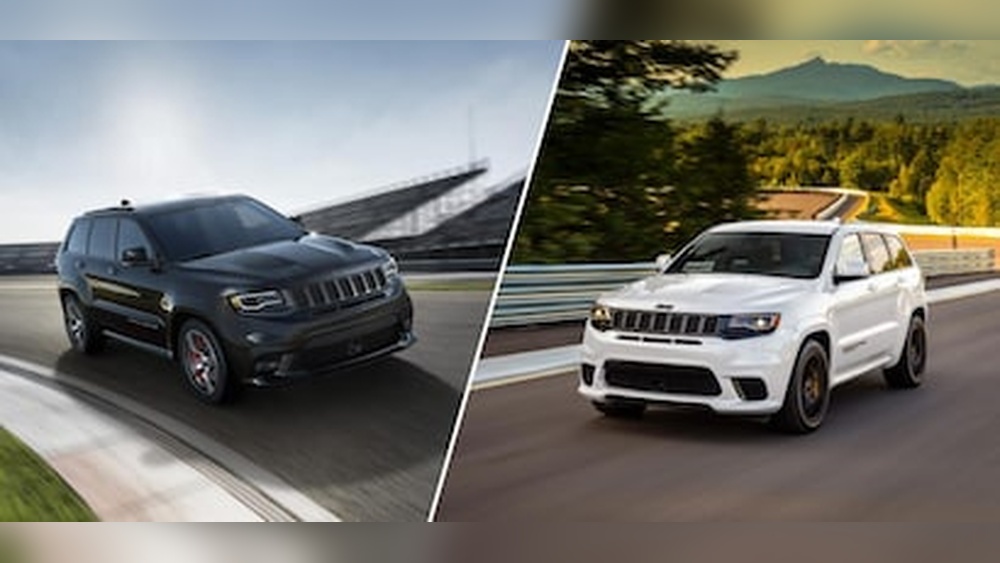
The Jeep Grand Cherokee SRT and Trackhawk are two high-performance SUVs that attract drivers who want speed, power, and utility. Both models look similar, but they are quite different under the hood and on the road.
If you are considering one of these SUVs, understanding their features and differences can help you make the right choice.
Let’s break down what sets the SRT and Trackhawk apart, and why each could be the best fit for you.
Engine And Performance
The heart of any performance SUV is the engine. The Grand Cherokee SRT comes with a 6.4-liter V8 engine, while the Trackhawk packs a supercharged 6.2-liter V8, borrowed from the Dodge Hellcat lineup.
| Model | Engine | Horsepower | 0-60 mph | Top Speed |
|---|---|---|---|---|
| SRT | 6.4L Naturally Aspirated V8 | 475 hp | 4.3 seconds | 160 mph |
| Trackhawk | 6.2L Supercharged V8 | 707 hp | 3.5 seconds | 180 mph |
The Trackhawk is much faster, with 707 horsepower compared to the SRT’s 475. This difference is clear when you press the gas pedal. The Trackhawk’s supercharged engine delivers instant acceleration, making it one of the fastest SUVs in the world. The SRT is still quick, but it feels more balanced and less aggressive.
Driving Experience
Both SUVs use all-wheel drive, which helps with traction and control. The SRT is known for its smooth handling.
It feels stable during turns and is enjoyable for everyday driving. The Trackhawk, on the other hand, is built for speed.
Its suspension is stiffer, and the ride is more intense.
Drivers often notice the Trackhawk’s raw power and the loud supercharger whine. The SRT has a deep engine rumble but is quieter overall. If you want a daily driver that is comfortable yet sporty, the SRT fits well. If you crave adrenaline and want a more thrilling ride, the Trackhawk is the clear winner.
Exterior And Interior Features
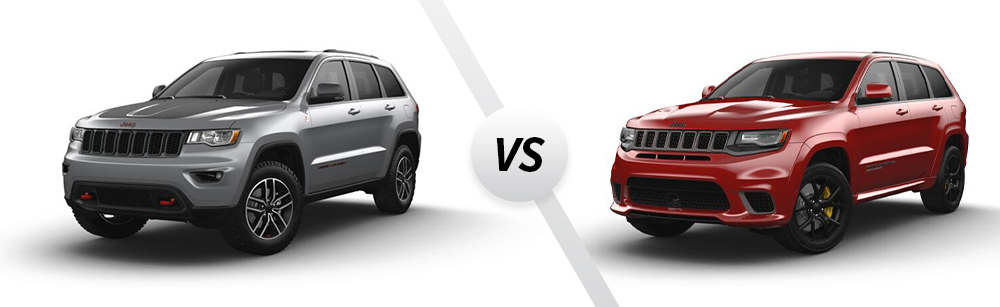
Both models share the same body style, but there are subtle differences. The Trackhawk has unique badges and yellow brake calipers, which hint at its performance.
Interior Comparison
| Feature | SRT | Trackhawk |
|---|---|---|
| Seats | Leather/Suede | Premium Leather |
| Infotainment | 8.4-inch touchscreen | 8.4-inch touchscreen |
| Sound System | 9 speakers | 19-speaker Harman Kardon |
| Head-Up Display | No | Optional |
The Trackhawk’s interior is more luxurious and includes extra technology options. Both have heated seats, navigation, and advanced safety features. The Trackhawk adds higher-quality materials and a better sound system.
Price And Value
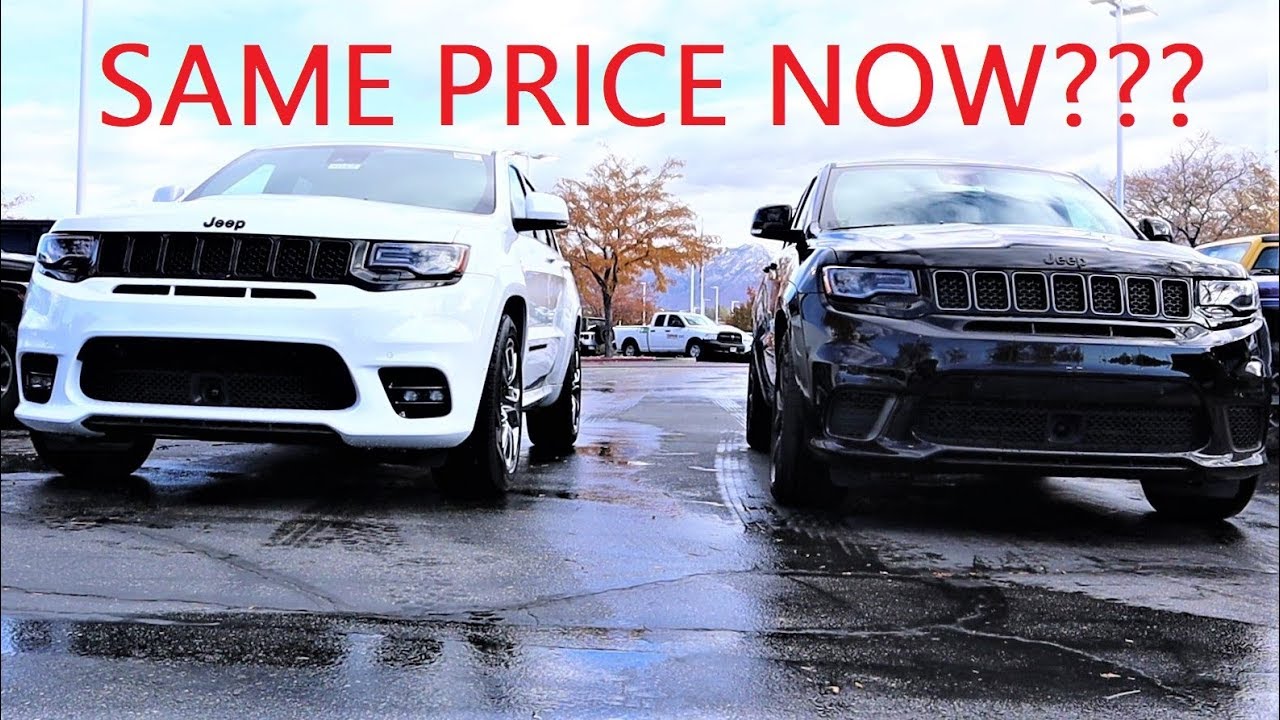
The price difference between the SRT and Trackhawk is significant. The SRT starts around $70,000, while the Trackhawk starts near $88,000.
This gap is mainly because of the Trackhawk’s engine and performance upgrades.
Cost Breakdown
| Model | Base Price | Estimated Insurance | Fuel Economy (Combined) |
|---|---|---|---|
| SRT | $70,000 | $2,500/year | 15 mpg |
| Trackhawk | $88,000 | $3,200/year | 13 mpg |
The Trackhawk costs more to buy, insure, and fuel. It’s important to consider these expenses, especially if you plan to use the SUV daily. The SRT is more affordable and offers most features found in the Trackhawk, but without the extreme speed.
Practical Insights Most Buyers Miss
- The Trackhawk’s resale value tends to be higher, but only if you keep it in good condition and low mileage. Many buyers overlook how much depreciation can affect high-performance vehicles.
- The SRT’s maintenance costs are lower. The supercharger in the Trackhawk requires extra care and may need costly repairs if not maintained well.
- Both models perform well in winter, but the SRT’s smoother power delivery makes it easier to handle on slippery roads.
- Insurance for the Trackhawk can be much higher. Some companies classify it as an exotic vehicle because of its speed.
Which One Should You Choose?
If you want an SUV that blends performance with comfort, the Grand Cherokee SRT is a smart choice. It’s fast, reliable, and easier on your wallet. The SRT is perfect for families who want a sporty vehicle without the added expenses of extreme horsepower.
The Trackhawk is for those who truly value speed and luxury. It’s the right SUV for enthusiasts who want supercar performance in an SUV form. The Trackhawk is not just faster, it’s more advanced, but it comes with higher costs and maintenance needs.
Some buyers make the mistake of choosing the Trackhawk only for its speed, but forget the extra costs and demanding upkeep. Others pick the SRT expecting it to match the Trackhawk in straight-line performance, but are disappointed.
Think carefully about your needs, budget, and driving style.
For technical details and official specs, visit the Jeep Grand Cherokee Official Site.
Frequently Asked Questions
How Does The Fuel Economy Compare?
The SRT gets about 15 mpg combined, while the Trackhawk averages 13 mpg. The difference is small, but both are thirsty. The Trackhawk’s supercharged engine uses more gas, especially during hard acceleration.
Is The Trackhawk Worth The Extra Money?
If you value supercar-level speed and luxury, yes. But for most drivers, the SRT offers plenty of performance at a lower price. Consider how much you’ll use the extra horsepower before paying more.
Are Both Models Good For Daily Driving?
Yes, but the SRT is more comfortable and practical for daily use. The Trackhawk is powerful but has a stiffer ride and higher operating costs. For city driving and family trips, the SRT is easier to live with.
Can These Suvs Handle Snow And Bad Weather?
Both models have all-wheel drive and advanced traction control, making them good in snow and rain. The SRT’s power delivery is smoother, which helps prevent wheel spin on slippery roads.
What Are Common Maintenance Issues?
The SRT is reliable and has fewer unique problems. The Trackhawk’s supercharger needs special care and can be expensive to repair. Regular oil changes, tire rotations, and brake checks are important for both models.
Both the Jeep Grand Cherokee SRT and Trackhawk offer exciting performance, strong features, and bold styling. Choosing between them comes down to your priorities.
Whether you want a balanced, sporty SUV or a full-blown super-SUV, Jeep has an option for you.