Keeping your Jeep Grand Cherokee in top shape means more than just fixing problems when they appear. A smart owner follows a regular service schedule.
This schedule is the key to a longer vehicle life, better safety, and fewer expensive surprises. Many drivers overlook small maintenance tasks, not realizing how quickly minor issues can grow.
In this article, you'll learn when and what to check, replace, or adjust—so your Grand Cherokee stays reliable, whether driving city streets or off-road trails.
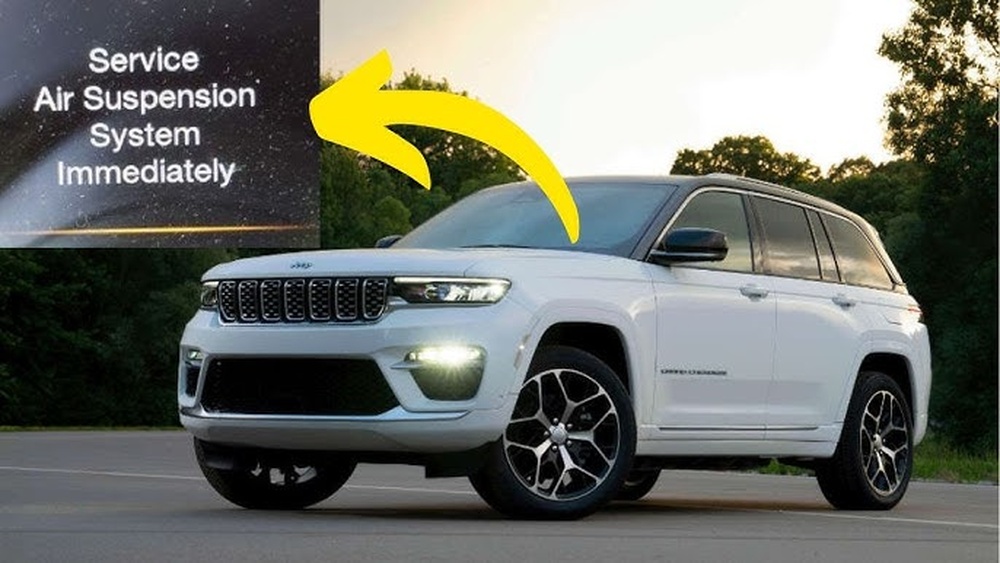
Why Follow A Service Schedule?
A proper service schedule does more than keep your SUV running. It protects your investment, improves gas mileage, and helps you avoid sudden breakdowns. Skipping routine checks can lead to bigger repairs later, often costing much more than regular maintenance.
For example, changing your engine oil on time can prevent engine damage that would cost thousands to fix. Many owners miss these savings because they wait for warning lights or strange noises before visiting a mechanic.
Jeep Grand Cherokee Service Intervals
Most Jeep Grand Cherokees, especially models from 2011 onwards, use the Pentastar V6 or Hemi V8 engines. While service needs can change based on your exact year and engine, the following schedule fits most recent models. Always check your owner’s manual for details specific to your vehicle.
Basic Service Intervals
| Service | Mileage Interval | Time Interval |
|---|---|---|
| Engine Oil & Filter | Every 7,500 miles | Every 12 months |
| Tire Rotation | Every 7,500 miles | Every 12 months |
| Air Filter | Every 30,000 miles | Every 36 months |
| Spark Plugs (V6) | Every 100,000 miles | Every 120 months |
| Spark Plugs (V8) | Every 30,000 miles | Every 36 months |
Many beginners forget that time is just as important as mileage. Even if you drive less, oil and rubber parts can break down with age.
Key Maintenance Tasks Explained
Knowing what each service involves can help you spot problems early and talk confidently with your mechanic.
Engine Oil And Filter
Changing the engine oil and filter is the most important task. Oil lubricates moving parts and prevents overheating. Dirty oil can cause engine wear or even failure.
Tire Rotation And Inspection
Rotating your tires helps them wear evenly. This makes your ride smoother and your tires last longer.
Always check for uneven wear or cuts, which can signal alignment or suspension problems.
Air And Cabin Filters
A clean air filter keeps dust and debris out of your engine. If it clogs, you’ll lose power and fuel economy. The cabin air filter protects you and your passengers from pollen and pollution.
Brake System
Your brakes need regular checks for pad wear, fluid leaks, and rotor condition. Jeep recommends brake inspections every 20,000 miles, or sooner if you hear squealing or feel vibration.
Fluids
Besides engine oil, your Grand Cherokee uses coolant, brake fluid, transmission fluid, and differential fluid. Each fluid has a different change interval, but all are important for smooth operation.
| Fluid | Check Interval | Change Interval |
|---|---|---|
| Coolant | Every 15,000 miles | Every 100,000 miles |
| Brake Fluid | Every 20,000 miles | Every 3 years |
| Transmission Fluid | Every 30,000 miles | Every 60,000 miles |
| Differential Fluid | Every 30,000 miles | Every 60,000 miles |
Special Maintenance: Severe Driving Conditions
If you often drive in tough conditions—like heavy traffic, dusty roads, towing, or off-roading—you’ll need more frequent service. Jeep calls this “severe duty”. For example, you might change your oil every 5,000 miles instead of 7,500.
Many owners overlook the impact of city driving. Short trips, stop-and-go traffic, or extreme heat/cold can stress your engine as much as off-roading.
If this sounds like your daily routine, follow the severe duty schedule.
Common Mistakes To Avoid
- Ignoring warning lights: Small problems can grow quickly if you wait.
- Using cheap parts or fluids: Always choose parts that meet Jeep’s standards.
- Skipping tire rotations: This can lead to uneven wear and reduce traction.
- Overlooking the battery: Battery checks are often forgotten but are critical, especially in cold climates.
- Not resetting service reminders: After each service, make sure your maintenance reminder is reset. Otherwise, you might miss the next service.
Example Service Timeline
To make it clearer, here’s a sample schedule for the first 60,000 miles.
| Mileage | Key Services |
|---|---|
| 7,500 | Oil & filter, tire rotation, fluid checks |
| 15,000 | Repeat above, brake inspection, battery check |
| 30,000 | Air filter, cabin filter, transmission/differential fluid check |
| 45,000 | Repeat 15,000-mile service, coolant check |
| 60,000 | Spark plugs (V8), transmission/differential fluid change |

Genuine Parts Vs. Aftermarket
Choosing the right parts affects reliability and warranty. Genuine Jeep parts are made to factory standards, but they can be more expensive. Aftermarket parts are often cheaper but may vary in quality.
Use genuine parts for critical systems like the engine, brakes, and transmission. For less vital items (like wiper blades), high-quality aftermarket options can be good value.
The Value Of Dealer Vs. Independent Shops
Dealerships offer mechanics trained on Jeep vehicles and use official parts. Independent shops can be less expensive, but always ask if they follow the Jeep service schedule and use approved fluids and parts.
Some owners prefer doing simple tasks—like oil changes—at home. This can save money, but keep all receipts and records to protect your warranty.
Keeping Records And Warranty Protection
Documenting every service visit is smart. It proves you followed the schedule, which is important for warranty claims or if you sell your Grand Cherokee. Use a notebook, spreadsheet, or smartphone app. A full service history can even increase your SUV’s resale value.
Frequently Asked Questions