The Jeep Grand Cherokee is famous for its mix of luxury and off-road strength. One key feature that sets it apart is the air suspension system.
This advanced system gives drivers a smooth ride, better handling, and the flexibility to adjust the vehicle’s height. But like any complex part, it can have issues over time.
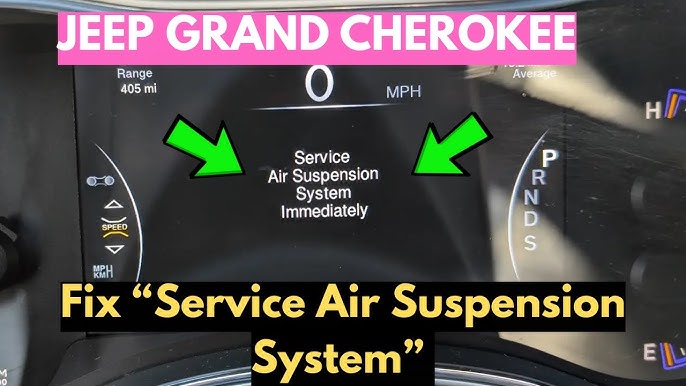
If your dashboard says “Service Air Suspension System,” it’s important to know what this means, what might be wrong, and how to address it before bigger problems start.
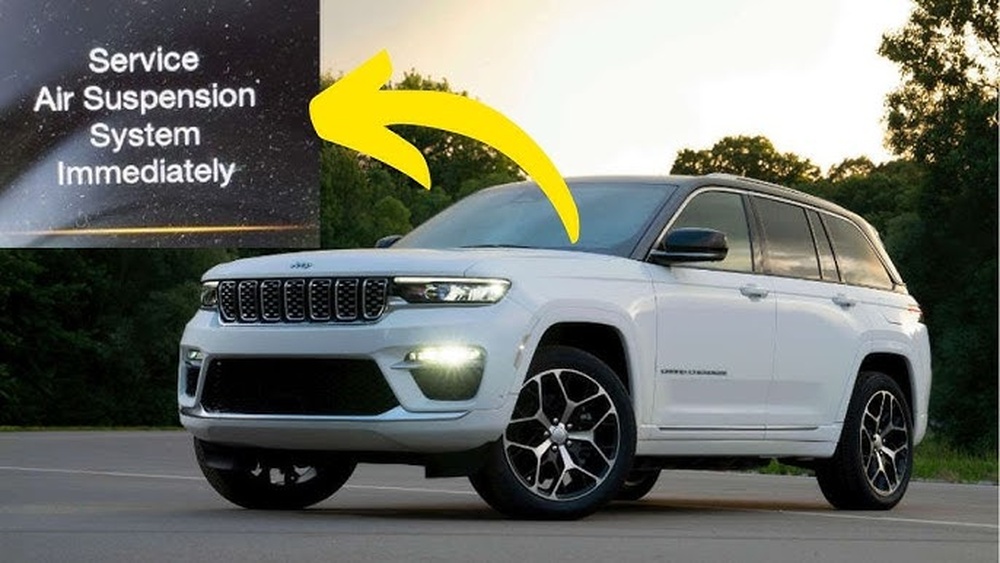
What Is The Jeep Grand Cherokee Air Suspension System?
The air suspension system in the Grand Cherokee, often called Quadra-Lift, uses air springs instead of regular steel coils. These air springs can change the vehicle’s height based on speed, road conditions, or driver choice. This system provides:
- Improved ground clearance for off-roading
- Lower stance for better fuel economy on highways
- Easier entry and exit by lowering when parked
The system works with air compressors, sensors, valves, and electronic controls. When everything works well, you enjoy a comfortable, adaptable ride.
Common Causes Of “service Air Suspension System” Warning
Seeing the “Service Air Suspension System” message can be worrying. Several problems can trigger this warning:
- Air leaks in the springs, lines, or fittings cause the system to lose pressure.
- Faulty air compressor that cannot build enough air pressure.
- Bad sensors that give incorrect readings about ride height.
- Electrical issues like blown fuses or broken wiring.
- Control module failure which affects the system’s computer brain.
Sometimes, the problem is as simple as a weak battery. Other times, it may be a leak that needs urgent repair.
Symptoms Of Air Suspension Problems
You may notice more than just a dashboard warning. Watch for these signs:
- The vehicle sags on one side or corner
- Loud noises when the compressor runs
- The Grand Cherokee stays in “Entry/Exit” or “Normal” mode and won’t change heights
- Unusually stiff or bouncy ride
- Warning lights for other systems, like ABS or traction control
If you see any of these, it’s best to act quickly. Delaying repairs can cause more expensive damage.
Diagnosing The Problem
A professional mechanic will use a scan tool to read error codes from the vehicle’s computer. But you can check a few things yourself:
- Listen for the compressor: When you start the car, you should hear it run briefly. If it’s silent or runs constantly, there may be an issue.
- Check for air leaks: Spray soapy water on the air springs and lines. If bubbles form, you have a leak.
- Inspect the fuses and relays: A blown fuse can stop the compressor from working.
Here’s a quick look at what different warnings might mean:
| Warning Message | Possible Cause | Urgency |
|---|---|---|
| Service Air Suspension System | General fault, needs diagnosis | High |
| Air Suspension Temporarily Unavailable | Compressor overheated or battery issue | Medium |
| Vehicle Too Low | Major air leak or compressor failure | Critical |
Repair Options And Costs
Fixing the air suspension system can range from simple to expensive, depending on the problem.
Common Repair Costs
| Component | Estimated Cost (Parts & Labor) | Typical Lifespan |
|---|---|---|
| Air Spring | $400 – $1,000 each | 70,000 – 100,000 miles |
| Air Compressor | $600 – $1,500 | 80,000 – 120,000 miles |
| Height Sensor | $200 – $500 | Long-lasting if undamaged |
| Control Module | $400 – $900 | Varies |
Non-obvious tip: Prices are often higher at dealerships. Independent shops may offer lower rates, but always check that they have experience with air suspension systems.
Repair Or Replace?
If only one part fails, a repair may be enough. But if your Grand Cherokee has high mileage and multiple air parts are aging, some owners choose to convert to standard coil springs. This is cheaper long-term but loses the adjustable ride feature. It’s a practical solution if you want to avoid expensive repeat repairs.
Preventing Future Air Suspension Issues
You can reduce the risk of air suspension problems with these steps:
- Keep the system clean: Wash off mud and salt from the undercarriage.
- Check tire pressure regularly: Low tires make the system work harder.
- Service the battery: Weak batteries can upset the system’s electronics.
- Act quickly on warnings: Early repair stops small leaks from becoming big problems.
Insider advice: In cold climates, ice can form around the air lines, causing malfunctions. Parking in a garage can help avoid this.
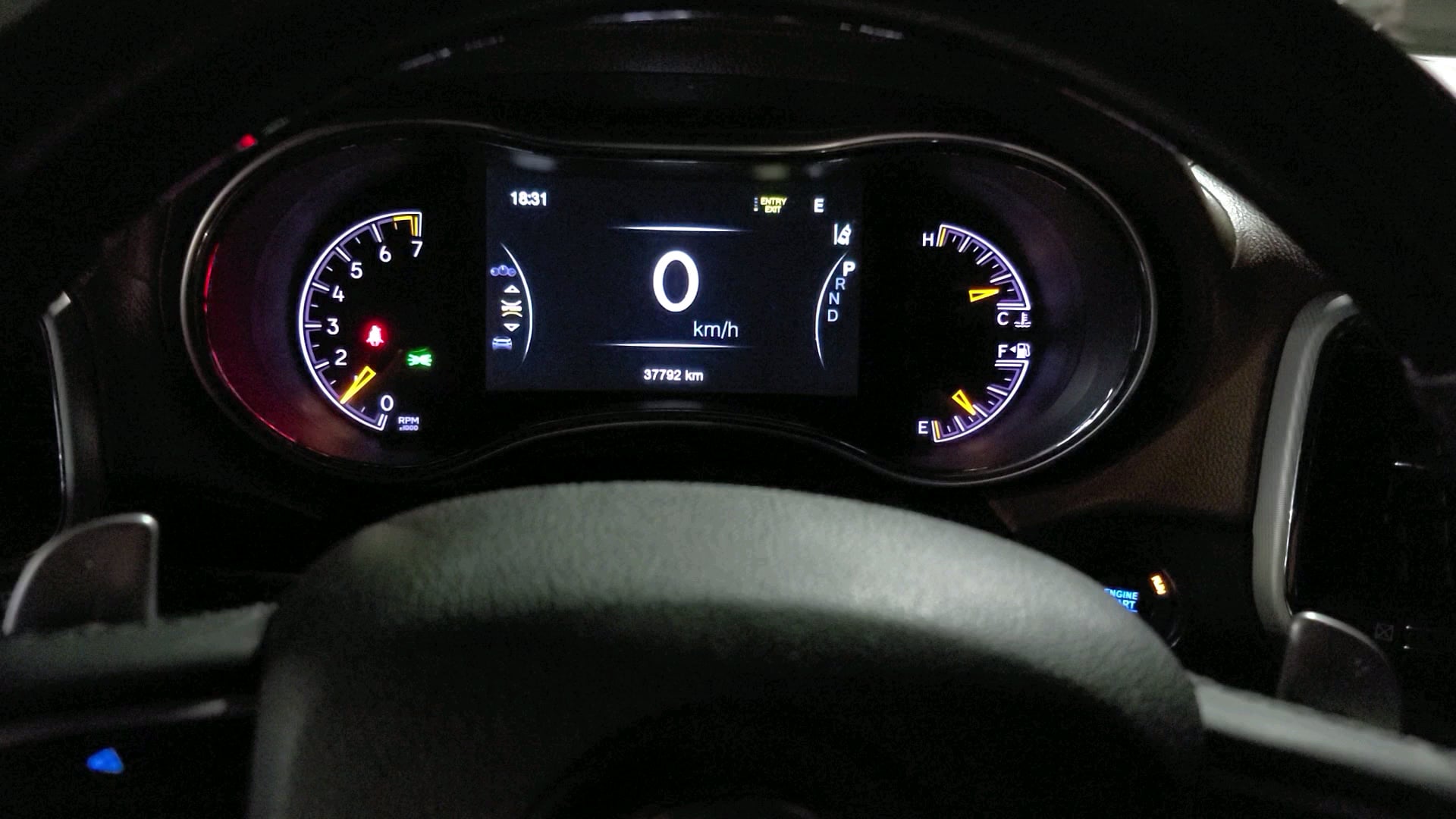
When To Seek Professional Help
While some checks are easy, most repairs need special tools and knowledge. If you see the “Service Air Suspension System” message, don’t wait too long. Driving with a failed air system can cause unsafe handling and extra wear on other parts.
Choose a repair shop that understands Jeep Grand Cherokee air suspension. Ask about their experience and warranty on parts. Good mechanics will explain the problem clearly and offer repair options.
For more technical details on air suspension systems, the Wikipedia Air Suspension page is a useful resource.
Frequently Asked Questions
What Does “service Air Suspension System” Mean?
This message means the Grand Cherokee’s air suspension has a fault. It could be a leak, sensor issue, or another problem. A scan tool can find the exact cause.
Can I Drive With The Warning Light On?
You can drive short distances, but the ride may be rough or unsafe. If the vehicle sits very low or leans, avoid driving and get it fixed as soon as possible.
How Long Does The Air Suspension System Last?
Most parts last 70,000–100,000 miles. Cold weather, off-roading, and lack of maintenance can shorten this lifespan.
Is It Better To Repair Or Replace With Coil Springs?
If only one part fails and the vehicle is newer, repair is usually best. For older vehicles with repeated issues, switching to coil springs can save money but removes the adjustable ride.
How Much Does It Cost To Fix Air Suspension Problems?
Repairs range from $200 for sensors to over $1,500 for a compressor. Always get a full diagnosis before approving repairs.
Proper care and quick action can keep your Jeep Grand Cherokee’s air suspension running smoothly for years, ensuring you enjoy both comfort and capability wherever your travels take you.