If you drive a Jeep Grand Cherokee, you know its reputation for durability and comfort. But when your heater core fails, it can turn winter drives into a cold and frustrating experience.
The heater core is a small radiator inside your vehicle’s dashboard. It warms the air that blows into the cabin.
Replacing a faulty heater core is a big job, but understanding the process can save you money and help you plan better.
What Does The Heater Core Do?
The heater core works like a mini radiator. Hot engine coolant flows through it, and a fan blows air over the hot metal. This heated air comes through your cabin vents. If the heater core leaks or gets blocked, you’ll notice weak heat, foggy windows, or even a sweet smell from the vents.
Signs Your Jeep Grand Cherokee Heater Core Needs Replacement
Many drivers miss early warnings. Watch for these clues:
- Sweet smell inside the car (coolant leak)
- Foggy windows that don’t clear with the defroster
- Coolant level drops without visible leaks under the vehicle
- Wet carpets (especially on the passenger side)
- Weak or no cabin heat
Ignoring these signs can lead to worse problems, like engine overheating or electrical damage.
Is Replacement Difficult?
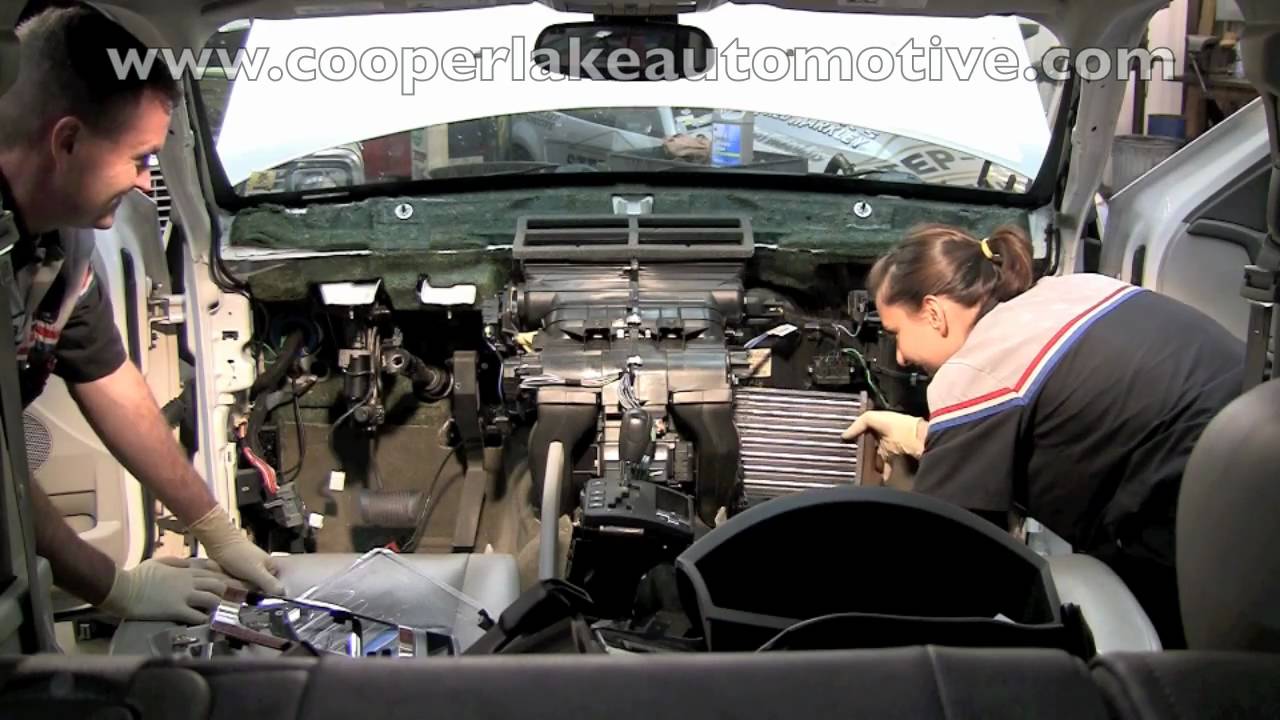
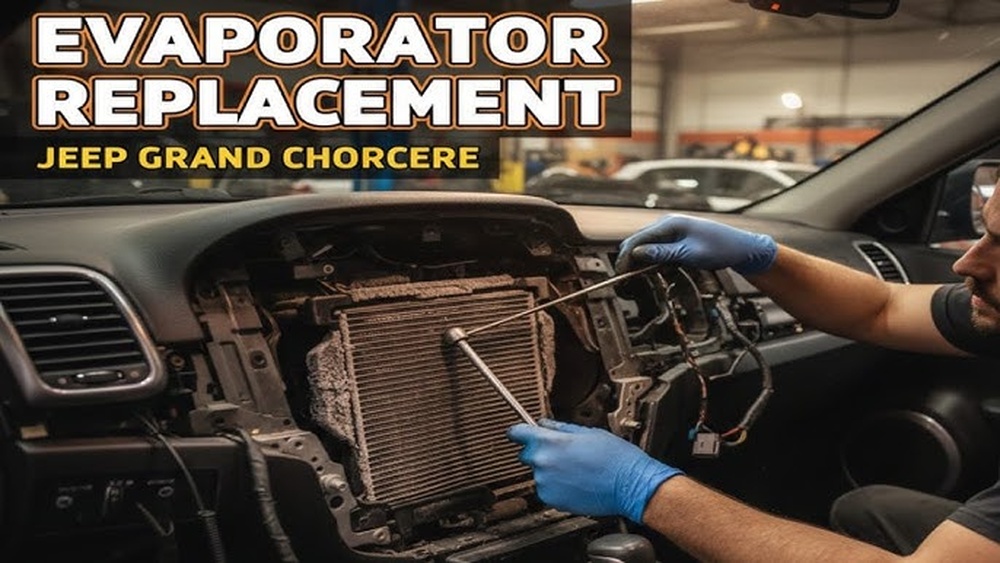
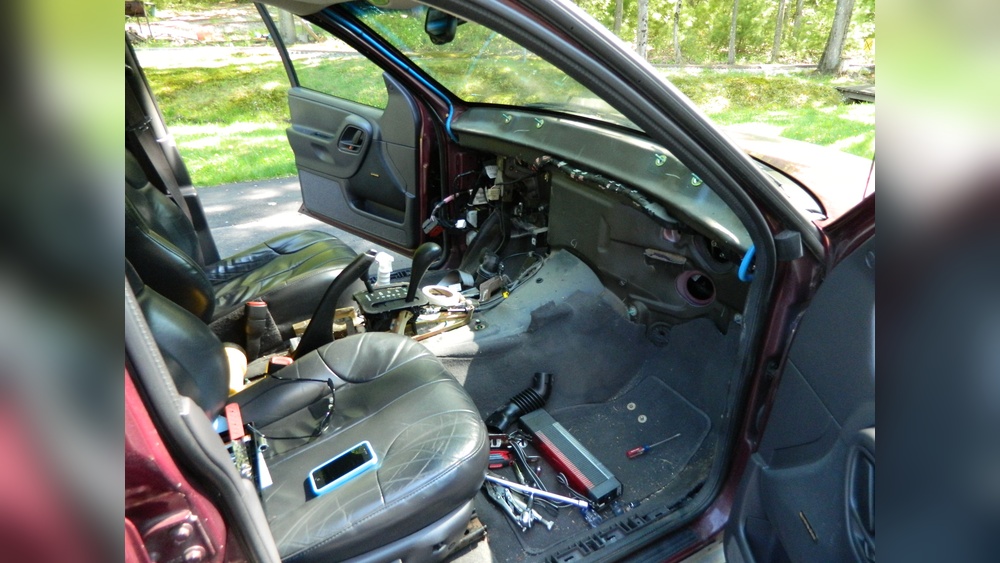
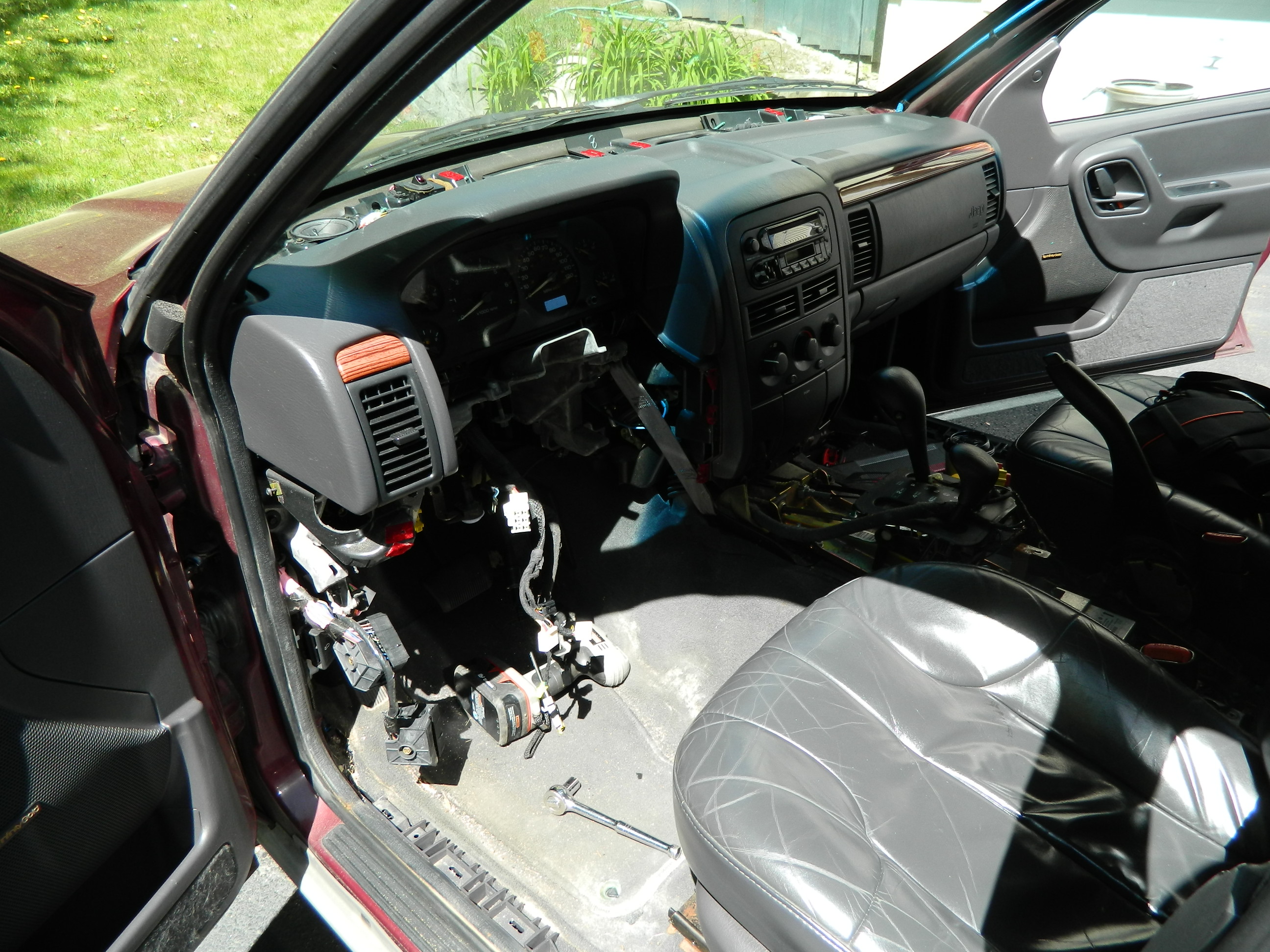
Replacing a Jeep Grand Cherokee heater core is challenging. The job often takes 6–10 hours for experienced mechanics. The main reason: you must remove most of the dashboard. This means disconnecting electrical components, the HVAC system, and sometimes even the steering column.
Here’s a quick comparison of DIY vs. professional replacement:
| Factor | DIY | Professional |
|---|---|---|
| Cost | $100–$300 (parts), no labor | $800–$1,300 (parts + labor) |
| Time | 8–12 hours (first timer) | 6–10 hours (shop) |
| Risk | High (dashboard damage, leaks) | Low |
Tools And Parts Needed
Before starting, gather these:
- Replacement heater core (OEM or high-quality aftermarket)
- Basic hand tools: Screwdrivers, wrenches, sockets
- Pliers and trim removal tools
- Coolant (to refill the system)
- Catch pan for old coolant
- Shop rags and gloves
- Zip bags for screws and clips (for organization)
Some models may require special tools to detach airbag or steering components. Always check your vehicle’s manual.
Step-by-step: Replacing The Heater Core
While the process can vary by year, most Jeep Grand Cherokees follow similar steps. Here’s a simplified guide:
1. Disconnect The Battery
This prevents electrical issues or accidental airbag deployment.
2. Drain The Coolant
Open the radiator drain and collect the old coolant safely.
3. Remove Dashboard Panels
Take out trim pieces, the glove box, and center console.
4. Disconnect Electrical Connectors
Label wires if needed. This avoids confusion during reassembly.
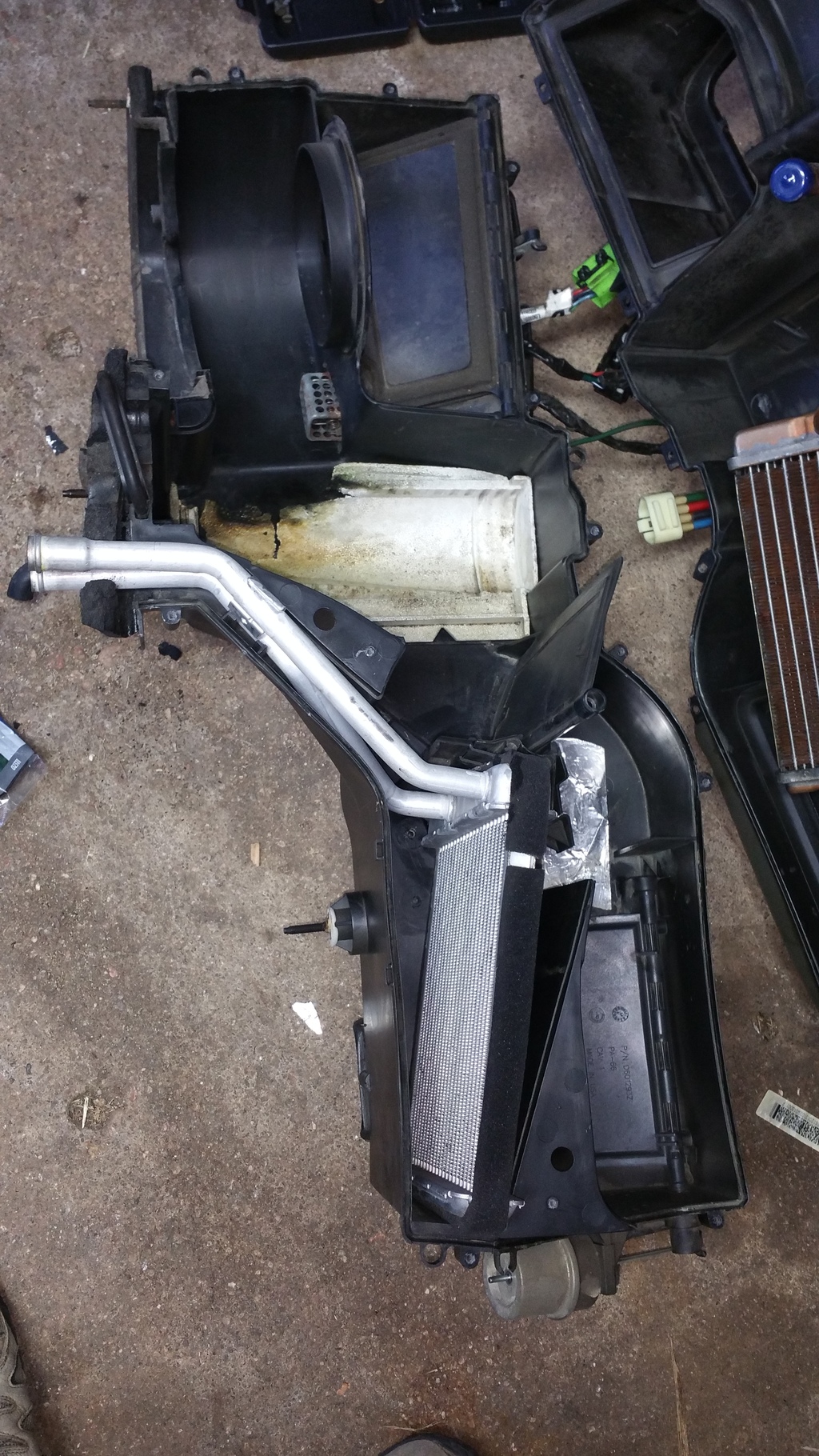
5. Remove Hvac Housing
This box holds the heater core. You may need to lower or remove the steering column.
6. Remove And Replace The Heater Core
Carefully slide out the old core. Install the new one, making sure the seals are tight.
7. Reassemble Everything
Reverse the steps. Reconnect wires, panels, and refill coolant.
8. Test For Leaks And Heat
Start the engine and check for leaks. Make sure the heater blows warm air.
Here’s a summary of dashboard removal complexity for different Grand Cherokee generations:
| Model Year | Dashboard Removal Difficulty | Estimated Time |
|---|---|---|
| 1999–2004 (WJ) | Moderate | 7–9 hours |
| 2005–2010 (WK) | High | 8–10 hours |
| 2011–2020 (WK2) | Very High | 10–12 hours |
Common Mistakes To Avoid
Many beginners make the same costly errors:
- Forgetting to label connectors: Take photos or notes. Modern dashboards have dozens of plugs.
- Skipping airbag precautions: Airbags can cause injury if not handled correctly. Always disconnect the battery and wait 10–15 minutes before working.
- Not flushing the cooling system: Old coolant or debris can clog the new core.
- Using low-quality parts: Cheap heater cores may leak sooner. Choose reputable brands.
Cost Breakdown And What To Expect
Parts and labor prices can surprise some owners. Here’s a general breakdown:
| Item | Price Range |
|---|---|
| Heater Core (part) | $60–$250 |
| Coolant | $15–$40 |
| Labor (shop) | $700–$1,000 |
Remember, some shops charge more for newer models due to extra sensors and electronics.
Tips For A Smooth Replacement
- Take clear photos during disassembly. This helps during reassembly.
- Store screws and clips in labeled bags.
- Replace the cabin air filter and inspect for mold or water damage.
- Bleed the cooling system well to avoid air pockets.
- Plan for extra time. Unexpected issues can pop up.
A hidden tip: If your Jeep has dual-zone climate, check both sides for proper heat after the job. Many people forget this step and only test the driver’s side.
When To See A Professional
If you feel overwhelmed or lack tools, it’s smart to visit a trusted mechanic. Some shops let you bring your own parts to save money. Always choose a repair shop with experience on Jeep vehicles.
For official repair details, you can visit the Mopar Jeep site.
Frequently Asked Questions
How Long Does A Jeep Grand Cherokee Heater Core Last?
Most heater cores last 8–15 years or about 100,000–150,000 miles. Using the correct coolant and regular maintenance can extend lifespan.
Can I Drive With A Leaking Heater Core?
It’s not safe. You risk engine overheating and possible electrical damage. Leaking coolant inside the cabin can also cause mold and foul odors.
Do All Jeep Grand Cherokees Have The Same Heater Core?
No. Heater core size and shape can vary by year and trim. Always check part numbers before buying.
Is Flushing The Heater Core A Good Alternative?
Sometimes. If the core is clogged but not leaking, a flush may restore heat. But if it leaks, replacement is the only fix.
Will The Air Conditioning Still Work After Heater Core Replacement?
Yes, if everything is reconnected correctly. The heater core is part of the HVAC system, but AC and heat use separate components.
Fixing your Jeep Grand Cherokee’s heater core is a complex task, but knowing what’s involved lets you make informed choices. With the right tools, patience, and research, you can restore warm comfort to your SUV for many winters ahead.