The Jeep Grand Cherokee is a sophisticated and capable SUV, offering a blend of luxury, performance, and off-road prowess. A critical component that often goes unnoticed until it malfunctions is the remote key fob battery.
This small, yet vital, power source allows you to conveniently lock, unlock, start, and secure your vehicle. When it begins to fade, it can lead to frustrating situations, from being unable to start your engine to struggling with door access.
Understanding how to identify a failing battery, replace it, and what to do in emergencies is essential for any Grand Cherokee owner.
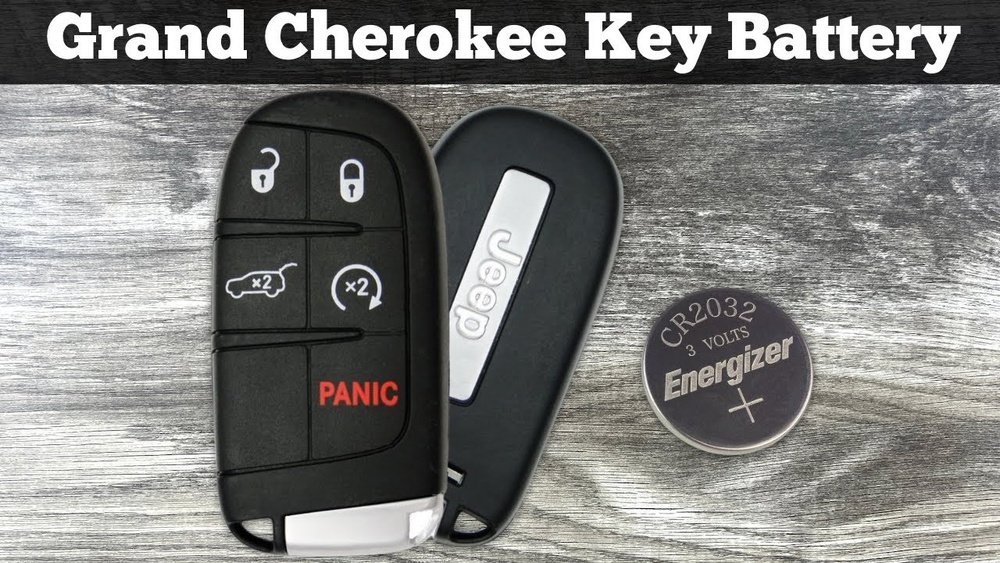
This comprehensive guide will walk you through everything you need to know about your Jeep Grand Cherokee’s remote battery. We’ll cover the types of batteries used, how to recognize the signs of a weakening power cell, the step-by-step process for a DIY battery replacement, and troubleshooting tips for common issues.
By the end, you’ll be equipped to handle any remote battery-related challenge, ensuring your Grand Cherokee remains as accessible and convenient as it’s designed to be.
Key Takeaways
- Battery Type: Most Jeep Grand Cherokee remotes use a CR2032 3-volt lithium coin cell battery.
- Warning Signs: Dimming key fob lights, reduced remote range, intermittent operation, and complete failure to respond are common indicators of a dying battery.
- DIY Replacement: Replacing the battery is a straightforward process that typically takes less than 10 minutes and requires minimal tools.
- Troubleshooting: If a new battery doesn’t fix the issue, consider reprogramming the remote or checking for physical damage to the fob.
- Preventative Care: Keep a spare battery on hand and be mindful of environmental factors that can affect battery life.

Understanding Your Jeep Grand Cherokee Remote Fob
Your Jeep Grand Cherokee’s remote key fob is a marvel of modern automotive technology. It’s more than just a key; it’s a wireless transmitter that communicates with your vehicle’s security and convenience systems. This communication relies entirely on a small, coin-shaped battery housed within the fob. The type of battery used can vary slightly depending on the model year and specific trim level of your Grand Cherokee, but the most common is the CR2032 3-volt lithium coin cell battery.
These batteries are chosen for their compact size, long shelf life, and consistent power output, making them ideal for the demanding, intermittent use of a car remote. The fob itself contains intricate circuitry, including a microchip and a radio transmitter, all powered by this single battery.
When the battery’s voltage drops below a certain threshold, the transmitter’s signal weakens, leading to the symptoms of a failing remote. Understanding this basic function is the first step in addressing any issues.

Recognizing The Signs Of A Weakening Remote Battery
Ignoring the subtle (and sometimes not-so-subtle) signs of a dying remote battery can lead to inconvenient situations. Fortunately, your Grand Cherokee's key fob often provides clear indicators that its power source is running low.
Paying attention to these signals can save you from being locked out or unable to start your vehicle.
Common Symptoms To Watch For
- Reduced Range: This is often the first sign. You might notice you have to be much closer to your vehicle for the remote to lock or unlock the doors. What once worked from across a parking lot might now only function when you’re a few feet away.
- Intermittent Operation: The remote might work sometimes and not others. You press the button, and nothing happens. You try again a moment later, and it works perfectly. This inconsistency is a strong indicator that the battery is struggling to maintain a strong signal.
- Dim or Non-Existent Fob Light: Some key fobs have a small LED indicator light that illuminates when a button is pressed. If this light is dim or doesn’t light up at all, it’s a clear sign the battery is significantly depleted.
- “Key Fob Battery Low” Warning Message: Newer Grand Cherokee models may display a warning message on the vehicle’s instrument cluster or infotainment screen when the key fob battery is low. This is the most direct notification from your vehicle.
- Failure to Start (Push-Button Start): For Grand Cherokees equipped with a push-button start system, a critically low or dead key fob battery can prevent the vehicle from recognizing the key and starting the engine. In many cases, the vehicle will prompt you to hold the fob directly against the start button to initiate the engine.
If you’re experiencing any of these issues, it’s highly probable that your remote battery needs attention.
How To Replace Your Jeep Grand Cherokee Remote Battery: A Step-by-step Guide
Replacing the battery in your Jeep Grand Cherokee remote key fob is a relatively simple DIY task that most owners can accomplish with basic tools and a few minutes of time. This process can save you a trip to the dealership and the associated costs.
Tools And Materials You’ll Need
- Replacement Battery: A new CR2032 3-volt lithium coin cell battery. Ensure you have the correct type; check your owner’s manual or the old battery itself if unsure.
- Small Flathead Screwdriver or Plastic Pry Tool: This is used to gently separate the two halves of the key fob casing. A plastic pry tool is recommended to avoid scratching the fob.
- Clean Cloth: To handle the new battery and keep the inside of the fob clean.
The Replacement Process
- Locate the Seam: Examine your key fob. You’ll typically find a small seam running around the perimeter where the two halves of the casing meet. Some fobs may have a small notch or slot designed for prying.
- Gently Pry Open the Fob: Insert the tip of your flathead screwdriver or plastic pry tool into the seam or notch. Carefully and gently twist the tool to create a small gap. Work your way around the seam, applying gentle pressure, until the two halves of the casing begin to separate. Avoid forcing it, as this can damage the plastic.
- Remove the Old Battery: Once the fob is open, you’ll see the coin cell battery nestled in its compartment. Note its orientation (which side is facing up). You can usually lift the old battery out with your finger or gently pry it out with the screwdriver/pry tool.
- Install the New Battery: With the old battery removed, take your new CR2032 battery and place it into the compartment in the correct orientation. Typically, the positive (+) side (usually marked and the flatter side) should face upwards. Ensure it sits snugly in place.
- Reassemble the Fob: Carefully align the two halves of the key fob casing. Press them together firmly until they snap back into place, ensuring there are no gaps around the seam.
- Test the Remote: Once the fob is reassembled, test all its functions. Press the lock, unlock, panic, and any other buttons to ensure they are working correctly and that the vehicle responds.
Pro Tip: If your key fob has a physical key blade that detaches, you may need to remove that first to access a screw or a better prying point. Consult your owner’s manual for specific instructions for your model year.

Troubleshooting Common Jeep Grand Cherokee Remote Battery Issues
Even after replacing the battery, you might encounter persistent problems with your remote key fob. Several factors can contribute to these issues, ranging from simple fixes to more complex problems.
When A New Battery Doesn’t Solve The Problem
- Incorrect Battery Type: Double-check that you installed the correct battery type (e.g., CR2032). Using an incorrect voltage or size battery can cause malfunction.
- Improper Battery Installation: Ensure the new battery is seated correctly and in the proper orientation (positive side up). A loose or incorrectly installed battery won’t power the fob.
- Damaged Fob Casing: If the fob was dropped or mishandled, internal components might be damaged, or the battery contacts could be bent. Inspect the inside of the fob for any visible damage.
- Corroded Battery Contacts: Over time, battery terminals can corrode, especially if exposed to moisture. Clean the contacts gently with a pencil eraser or a cotton swab dipped in isopropyl alcohol. Ensure they are completely dry before reassembly.
- Water Damage: If the key fob has been exposed to significant moisture, the internal electronics may have been damaged. This often requires fob replacement.
- Transmitter Synchronization Issues: In some cases, the remote may lose its synchronization with the vehicle’s security system. This often requires the remote to be reprogrammed.
Reprogramming Your Key Fob
If you suspect a synchronization issue or if the remote still doesn’t work after a battery replacement and inspection, reprogramming might be necessary. The procedure varies by model year, but here’s a general outline for many Jeep Grand Cherokee models:
- Get in the Vehicle: Sit in the driver’s seat with the doors closed.
- Insert and Remove Key (if applicable): For models with a traditional key ignition, insert the key into the ignition cylinder and remove it. Repeat this step several times (e.g., 8-12 times) within a specific timeframe (e.g., 10 seconds) until you hear a chime or the “chime” light flashes, indicating the vehicle is in programming mode. For push-button start models, the process might involve turning the ignition on and off without starting the engine multiple times. Always consult your owner’s manual for the exact sequence.
- Program the Remote: Insert the key into the ignition (if applicable) and turn it to the RUN position (do not start the engine). Press any button on the key fob you wish to program. You should hear a chime or see the hazard lights flash, confirming successful programming.
- Program Additional Remotes: If you have other remotes, you’ll typically need to program them one after another within a short window (e.g., 30 seconds) by pressing any button on each.
- Exit Programming Mode: Turn the ignition to the OFF position and remove the key. The doors should lock and unlock automatically, signaling the end of the programming mode.
Warning: Incorrect programming procedures can disable all key fobs. Always refer to your owner’s manual or a trusted automotive technician if you are unsure.
Battery Lifespan And Preventative Measures
The CR2032 battery in your Jeep Grand Cherokee remote is designed for longevity, but its lifespan isn’t infinite. Several factors can influence how long it lasts, and taking preventative measures can help avoid unexpected issues.
Factors Affecting Battery Life
- Usage Frequency: The more you use your remote’s buttons, the faster the battery will drain. Frequent locking/unlocking, especially from a distance, puts more demand on the battery.
- Environmental Conditions: Extreme temperatures (both hot and cold) can impact battery performance and lifespan. Storing your fob in a very hot car or a freezing garage can accelerate battery degradation.
- Accidental Button Presses: If the key fob is in a pocket or purse, the buttons can be accidentally pressed repeatedly, draining the battery without you realizing it. This is particularly common with panic buttons.
- Battery Quality: Not all CR2032 batteries are created equal. Higher-quality batteries from reputable brands tend to last longer and perform more consistently than cheaper, generic alternatives.
Tips For Extending Battery Life And Preventing Issues
- Carry a Spare: Keep a spare, brand-new CR2032 battery in your glove compartment or a safe place at home. This allows for quick replacement if your primary fob fails unexpectedly.
- Minimize Unnecessary Button Presses: Be mindful of how often you use the remote. If you’re close to the vehicle, manually inserting the key (if applicable) or using the door handle button (if equipped) might conserve battery power.
- Secure Your Fob: When carrying your fob, ensure it’s not in a position where buttons can be easily pressed. Consider a small pouch or a dedicated key organizer.
- Store Properly: Avoid leaving your key fob in extreme temperatures for extended periods. If possible, bring it inside during very hot or cold weather.
- Use Quality Batteries: When it’s time for a replacement, opt for reputable brands like Energizer, Duracell, or Panasonic. While they might cost slightly more, their reliability and lifespan are generally superior.
- Regular Inspection: If you notice the range decreasing or intermittent operation, don’t wait until it completely fails. Replace the battery proactively.
Battery Comparison: Cr2032 Vs. Other Coin Cells
While the CR2032 is the most common battery for Jeep Grand Cherokee remotes, understanding its specifications and comparing it to other coin cells highlights why it’s the preferred choice.
| Feature | CR2032 | CR2016 | CR2026 |
|---|---|---|---|
| **Voltage** | 3 Volts | 3 Volts | 3 Volts |
| **Diameter** | 20 mm | 20 mm | 20 mm |
| **Thickness** | 3.2 mm | 1.6 mm | 2.5 mm |
| **Capacity (mAh)** | ~220-240 mAh | ~75-90 mAh | ~160-170 mAh |
| **Typical Use** | Key fobs, small electronics, calculators | Small remotes, calculators, LED lights | Key fobs, medical devices, car remotes |
| **Jeep Grand Cherokee Compatibility** | **Most Common** | Less Common | Sometimes used |
As you can see, the CR2032 offers a good balance of size and capacity. Its slightly thicker profile compared to the CR2016 and CR2026 allows for a higher energy density, meaning it can provide sustained power for longer periods, which is crucial for the consistent communication required by a vehicle’s key fob. While other 3-volt coin cells exist, the CR2032 is the industry standard for many automotive key fobs due to its reliability and power output. Always confirm the exact battery type specified for your particular Grand Cherokee model year in your owner’s manual.
Beyond The Battery: Other Remote Fob Considerations
While the battery is the most common culprit for a malfunctioning key fob, other factors can affect its performance. Addressing these can sometimes resolve issues that a simple battery change won’t fix.
Physical Damage And Wear
Over time, key fobs are subjected to daily wear and tear. Dropping the fob, exposure to moisture, or even chewing by pets can cause physical damage.
- Cracked Casing: A cracked casing can allow dust and moisture to enter, potentially damaging the internal circuitry. It can also loosen internal components, leading to poor contact.
- Damaged Buttons: The rubber or plastic buttons on the fob can wear out, become sticky, or tear, preventing them from making proper contact with the circuit board inside.
- Internal Connections: The solder points connecting the battery terminals or the microchip to the circuit board can become loose or crack over time, especially after impacts.
If you notice physical damage, it might be more cost-effective to replace the entire fob rather than attempt repairs, especially if the damage is severe.
Key Fob Programming And Vehicle Integration
The key fob is electronically paired with your specific Jeep Grand Cherokee. This pairing, often referred to as programming or synchronization, ensures that only your fob can communicate with your vehicle.
- Loss of Synchronization: As mentioned earlier, the electronic link between the fob and the vehicle can sometimes be lost. This can happen due to battery changes, electrical system fluctuations, or simply over time. Reprogramming is the solution.
- Multiple Fob Limitations: Most vehicles have a limit on the number of key fobs that can be programmed to them. If you’re trying to program a fifth fob when the system only supports four, it won’t work.
- Aftermarket Fobs: While aftermarket key fobs are available, they may not always integrate seamlessly with all vehicle systems, and their programming procedures can sometimes be more complex or require specialized tools.
For complex issues or if you’re uncomfortable with the programming process, seeking assistance from a qualified automotive locksmith or a Jeep dealership is advisable. They have the necessary diagnostic tools and expertise to identify and resolve advanced fob problems. If you’re looking to upgrade your vehicle’s look, consider exploring options like off-road wheels for your 2018 Jeep Grand Cherokee, which can enhance both aesthetics and capability, though this is unrelated to fob functionality.
Frequently Asked Questions
How Often Should I Replace My Jeep Grand Cherokee Remote Battery?
There's no set schedule, as battery life depends heavily on usage, battery quality, and environmental factors. However, most owners find they need to replace the battery every 1-3 years.
Pay attention to the warning signs like reduced range or intermittent operation, rather than relying solely on a calendar.
Can I Use A Rechargeable Battery In My Jeep Grand Cherokee Remote?
No, standard automotive key fobs like those for the Jeep Grand Cherokee are designed to use non-rechargeable lithium coin cell batteries (typically CR2032). Attempting to use a rechargeable battery could damage the fob’s electronics due to differences in voltage output and charging requirements.
What Happens If My Jeep Grand Cherokee Remote Battery Dies While I’m Driving?
If the key fob battery dies while you are driving a Grand Cherokee equipped with a push-button start, the vehicle will typically continue to run. However, you may lose the ability to lock/unlock doors remotely, and the vehicle might display a warning message.
To restart the vehicle after shutting it off, you will likely need to hold the dead fob directly against the start/stop button as prompted by the dashboard message.
Where Can I Buy Replacement Batteries For My Jeep Grand Cherokee Remote?
Replacement CR2032 batteries are widely available at most drugstores, supermarkets, big-box retailers (like Walmart or Target), electronics stores (like Best Buy), and online marketplaces (like Amazon). It’s generally recommended to purchase from established retailers to ensure you get a genuine, quality battery.
My New Battery Didn’t Fix The Remote Issue. What Else Could Be Wrong?
If a new battery doesn’t resolve the problem, consider other possibilities such as a loss of synchronization requiring reprogramming, physical damage to the fob (cracked casing, worn buttons), corroded battery contacts, or internal electronic failure. Consulting your owner’s manual for reprogramming steps or seeking professional help from a dealership or automotive locksmith might be necessary.
Ensuring your Jeep Grand Cherokee’s remote key fob is always powered and functional is key to enjoying the convenience and security it provides. By understanding the battery types, recognizing the signs of depletion, and knowing how to perform a simple replacement, you can keep your Grand Cherokee accessible and ready for any adventure.
Remember to keep a spare battery handy and to consult your owner’s manual for model-specific details. This proactive approach will prevent frustrating moments and ensure your sophisticated SUV remains as user-friendly as intended.