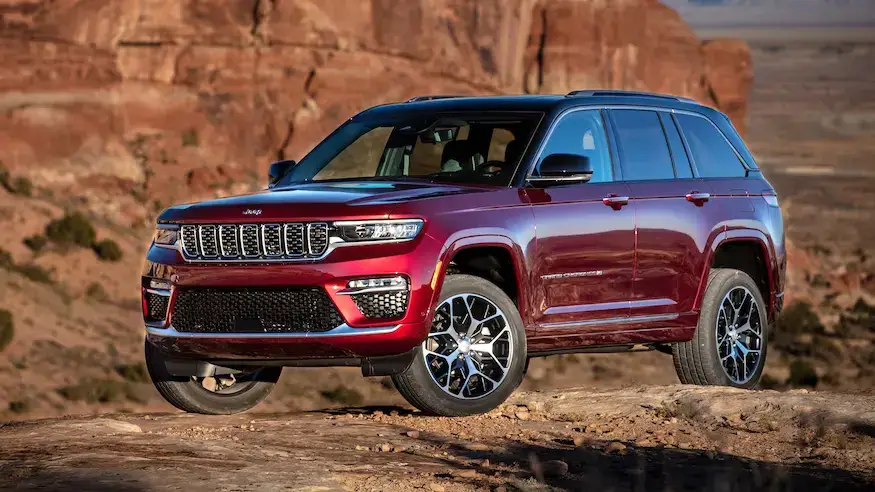
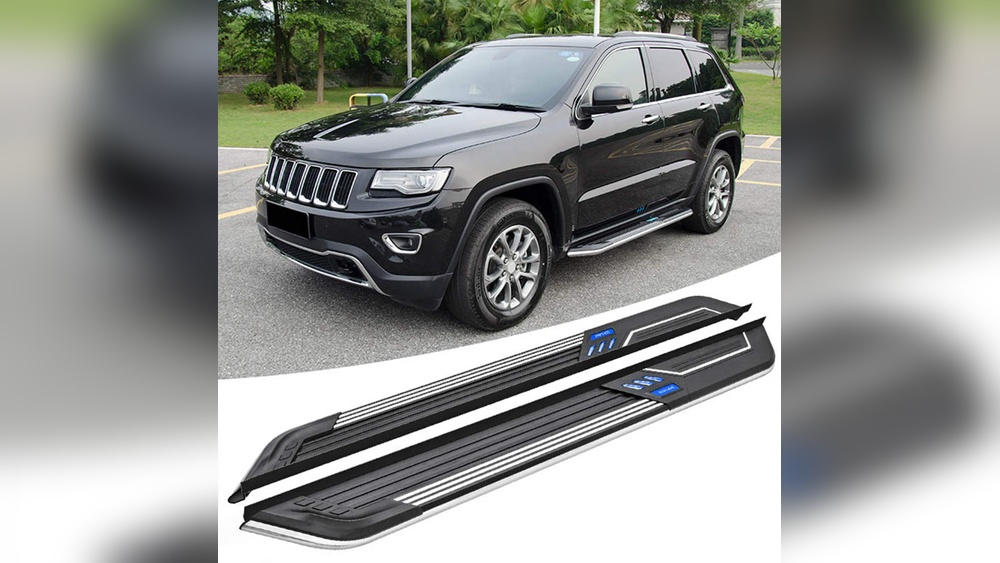
The Jeep Grand Cherokee is a popular SUV known for its off-road capability and luxurious interior. When it comes to wheels, the Overland Summit trim often comes with specific options that enhance both its look and performance.
Choosing the right wheels can make a big difference in how your Grand Cherokee looks and handles. This article will explore the wheels available for the Jeep Grand Cherokee Overland Summit, discussing their features, benefits, and what to consider when making a selection.
Understanding Jeep Grand Cherokee Overland Summit Wheel Options
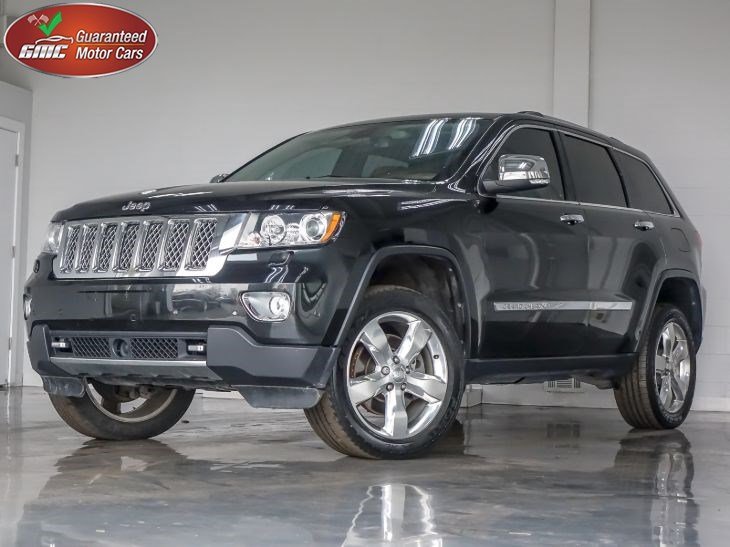
The Overland Summit trim level of the Jeep Grand Cherokee represents the pinnacle of comfort, technology, and style for the model. Jeep equips these vehicles with wheels that reflect this premium positioning. Often, these are larger diameter wheels with unique finishes designed to stand out. The factory-installed wheels are chosen to complement the vehicle’s sophisticated aesthetic while also being robust enough for both daily driving and occasional adventures.
Standard Wheel Specifications
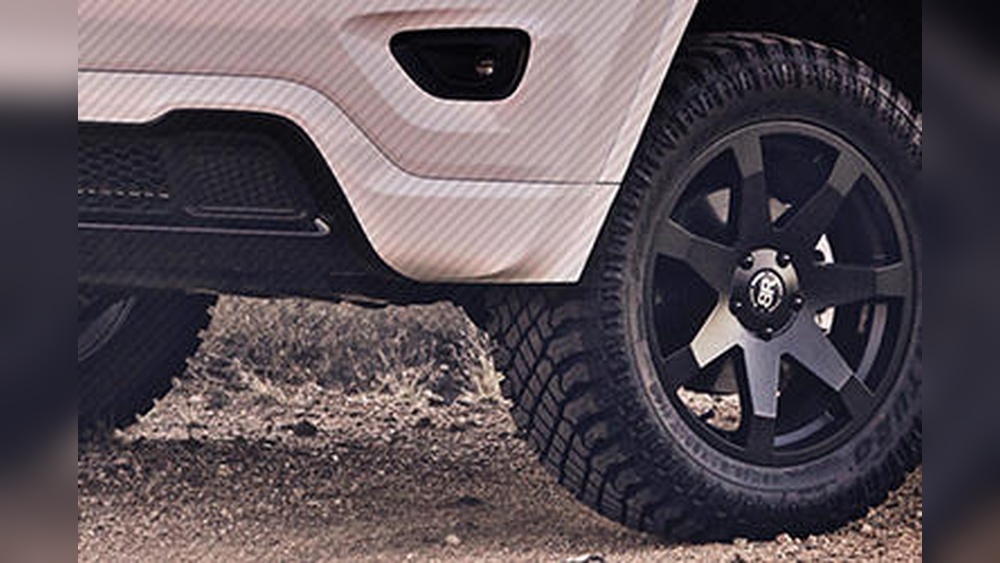
Jeep typically offers a selection of 18-inch, 20-inch, and sometimes even 22-inch wheels on the Overland Summit. These wheels are usually made from aluminum alloy, which provides a good balance of strength, light weight, and corrosion resistance. The design often features multiple spokes, sometimes with a polished or machined face combined with dark painted pockets for a striking contrast. These designs are not just for looks; they are engineered to handle the weight and performance requirements of the Grand Cherokee.
For example, a common factory option for the Overland Summit might be a 20-inch polished aluminum wheel with painted silver accents. These wheels are designed with specific offset and bolt pattern specifications to ensure proper fitment and handling characteristics. The tire pressure monitoring system (TPMS) sensors are also integrated into these factory wheels, communicating vital information to the driver.
Wheel Finishes And Aesthetics
The finish of the wheels plays a crucial role in the overall appearance of the vehicle. On the Overland Summit, you’ll often find premium finishes that elevate the SUV’s sophisticated image. These can include:
- Polished Aluminum: This classic finish offers a bright, reflective surface that adds a touch of elegance. It’s achieved by mechanically polishing the aluminum to a mirror-like shine.
- Machined Face with Dark Pockets: This popular design features a machined, bright metallic face on the spokes, contrasted with darker, often black or charcoal, painted areas between the spokes. This creates depth and visual interest.
- Satin or Gloss Black: For a sportier or more aggressive look, some Overland Summit models might come with wheels finished entirely in black, either with a satin (matte) or gloss (shiny) appearance.
- Bright Chrome or Dark Chrome: While less common on newer models, some trims might have offered chrome finishes for maximum reflectivity and a luxurious feel.
These finishes are typically applied with durable coatings to withstand road debris, salt, and harsh weather conditions, maintaining their appearance over time.
Performance And Handling Implications
Wheels are more than just an aesthetic component; they significantly impact a vehicle’s performance, handling, and ride quality. The size and weight of the wheels and tires, along with their design, all play a role.
Impact Of Wheel Size
Larger diameter wheels, such as the 20-inch or 22-inch options, generally offer a more aggressive stance and can improve handling performance on paved roads. They allow for lower profile tires (tires with shorter sidewalls), which can lead to:
- Sharper Steering Response: Shorter sidewalls flex less during cornering, providing a more direct connection between the steering wheel and the road.
- Improved Grip: Lower profile tires often have a larger contact patch, potentially enhancing grip during spirited driving.
- Sportier Look: Larger wheels fill the wheel wells more effectively, giving the SUV a more dynamic and premium appearance.
However, larger wheels and lower profile tires also come with trade-offs. They can result in:
- Harsher Ride Quality: The shorter sidewalls offer less cushioning, meaning more road imperfections are transmitted to the cabin.
- Increased Risk of Damage: The thinner sidewalls are more susceptible to damage from potholes and curbs.
- Higher Cost: Both the wheels and the corresponding tires are typically more expensive.
Wheel Weight And Unsprung Mass
The weight of the wheels is a critical factor known as unsprung mass. This refers to the mass of the vehicle not supported by the suspension, such as the wheels, tires, brakes, and suspension components. Reducing unsprung mass can lead to:
- Better Suspension Performance: The suspension can react more quickly to bumps and imperfections, improving ride comfort and control.
- Enhanced Acceleration and Braking: Lighter wheels require less energy to spin up and slow down.
- Improved Handling: A reduction in unsprung weight can positively affect how the vehicle responds to steering inputs and changes in road surface.
Jeep often uses lightweight aluminum alloys for their wheels to help manage unsprung mass, even on larger diameter options. However, aftermarket wheels can sometimes be significantly lighter than factory options, offering a performance advantage if weight reduction is a priority.
Tire Fitment Considerations
The wheels are only part of the equation; the tires mounted on them are equally important. The Overland Summit trim typically comes with all-season tires designed for a balance of on-road comfort, traction in various weather conditions, and moderate off-road capability. When selecting wheels, it’s essential to consider the compatible tire sizes.
- Tire Diameter: The overall diameter of the tire (wheel diameter + tire sidewall height x 2) needs to remain close to the original specification to avoid affecting speedometer readings, odometer accuracy, and electronic systems like ABS and traction control.
- Tire Width and Aspect Ratio: These determine the tire’s footprint and sidewall height, influencing grip, ride comfort, and fuel economy.
Common Wheel Sizes For Jeep Grand Cherokee Overland Summit
Jeep offers a range of wheel sizes across different model years and packages for the Grand Cherokee. The Overland Summit, being a higher trim, typically features larger and more stylish options.
20-inch Wheels
20-inch wheels are a very common and popular choice for the Grand Cherokee Overland Summit. They strike a good balance between aggressive styling and acceptable ride comfort.
- Example Style: A 20-inch polished aluminum wheel with painted gray accents. This style often features a multi-spoke design that looks sophisticated and complements the SUV’s premium exterior.
- Tire Size: Typically paired with 265/50R20 all-season tires. This tire size offers a good balance of tread depth for traction and a sidewall height that provides a reasonably comfortable ride.
- Benefits: Enhances the vehicle’s road presence, offers improved steering response over smaller wheels, and looks visually appealing.
- Considerations: Ride comfort is slightly reduced compared to 18-inch wheels, and the risk of tire/wheel damage from impacts is higher.
22-inch Wheels
For those seeking the ultimate in bold styling and on-road presence, 22-inch wheels are sometimes available or offered as an upgrade.
- Example Style: A 22-inch gloss black or machined face wheel with a split-spoke design. These larger wheels make a significant visual statement, filling the wheel wells and giving the Grand Cherokee a commanding look.
- Tire Size: Usually fitted with 265/40R22 tires. These tires have a very low profile, meaning a very short sidewall.
- Benefits: Maximum visual impact, potentially sharper handling due to minimal tire flex.
- Considerations: This setup significantly impacts ride comfort, making it much harsher. The risk of wheel and tire damage from potholes or impacts is substantially increased. Fuel economy may also be slightly reduced due to increased weight and rolling resistance. These are often considered more for aesthetic appeal than practical off-road or daily driving in rough conditions.
18-inch Wheels (less Common On Summit)
While 18-inch wheels are standard on lower trims like the Laredo or Limited, they are less common as a factory option for the Overland Summit, which aims for a more premium and stylish appearance. However, they might be available as a dealer option or chosen by owners who prioritize comfort and off-road capability.
- Example Style: A 18-inch silver painted aluminum wheel. These often have a more robust, chunkier design suitable for more demanding conditions.
- Tire Size: Typically paired with 265/60R18 tires. These tires have a much taller sidewall.
- Benefits: Superior ride comfort due to the taller sidewall’s ability to absorb impacts. Reduced risk of wheel and tire damage. Better suited for off-road driving where more sidewall protection is needed.
- Considerations: Less visually aggressive than larger wheels. Steering response may feel slightly less precise due to tire sidewall flex.
Aftermarket Wheel Considerations
While factory wheels for the Overland Summit are high quality and stylish, many owners opt for aftermarket wheels to further customize their vehicle’s look or improve performance.
Benefits Of Aftermarket Wheels
- Unique Styling: Access to a vast array of designs, finishes, and brands not offered by the manufacturer. This allows for a truly personalized look.
- Weight Savings: Many aftermarket wheels, especially those designed for performance, are significantly lighter than factory wheels. This can improve acceleration, braking, and fuel economy, as well as suspension response.
- Increased Durability: Some aftermarket wheels are constructed using methods like forging, which creates an exceptionally strong and lightweight wheel, often more durable than cast factory wheels.
- Custom Fitment: The ability to choose specific offsets and backspacing can allow for wider tires or a more aggressive stance (though this should be done carefully to avoid fitment issues).
What To Look For In Aftermarket Wheels
When considering aftermarket wheels for your Grand Cherokee Overland Summit, keep these points in mind:
- Size and Fitment: Ensure the wheels have the correct bolt pattern (e.g., 5×127 or 5×5 inches for most Grand Cherokees), center bore diameter, and offset. Incorrect fitment can lead to vibrations, poor handling, and damage to suspension components.
- Material and Construction:
- Cast Aluminum: The most common and affordable type. Good for daily driving and light off-roading.
- Flow-Formed (Rotary Forged): A hybrid method that offers improved strength and reduced weight compared to casting, at a moderate price point.
- Forged Aluminum: The strongest and lightest option, but also the most expensive. Ideal for heavy-duty off-roading or high-performance applications.
- Load Rating: Ensure the wheels have a sufficient load rating to safely support the weight of the Grand Cherokee and its occupants/cargo. Factory wheels are designed with a specific load rating, and aftermarket replacements should meet or exceed this.
- Finish Durability: Look for wheels with high-quality finishes that are resistant to corrosion and road elements. Powder coating and multi-stage paint processes are generally more durable than basic paint jobs.
- Tire Compatibility: Confirm the wheel’s lip diameter and width are compatible with the tire sizes you intend to use.
Popular Aftermarket Brands
Several reputable brands offer wheels that fit the Jeep Grand Cherokee, known for their quality and style. Some popular choices include:
- Vossen: Known for stylish, high-quality cast and forged wheels.
- HRE Wheels: Premium forged wheels offering top-tier performance and customization.
- Fuel Off-Road: Offers a wide range of rugged and stylish wheels, often with an emphasis on off-road capability.
- Black Rhino: Specializes in durable wheels designed for SUVs and trucks, with aggressive styling.
- Rotiform: Offers unique designs, often with a focus on modern aesthetics.
It’s always a good idea to check forums and owner groups for specific recommendations and real-world experiences with aftermarket wheels on the Grand Cherokee.
Maintenance And Care For Your Wheels
Proper maintenance will ensure your Jeep Grand Cherokee Overland Summit wheels look great and last longer, whether they are factory or aftermarket.
Cleaning Your Wheels
Regular cleaning is essential to prevent brake dust, road grime, and environmental contaminants from etching into the wheel’s finish.
- Use pH-Neutral Wheel Cleaners: Avoid harsh acidic or alkaline cleaners, which can damage certain finishes, especially polished aluminum or chrome. Look for cleaners specifically labeled as safe for clear coats or polished surfaces.
- Gentle Brushes and Mitts: Use soft-bristle brushes designed for wheels and a separate wash mitt to avoid scratching the finish. For intricate spoke designs, a wheel brush with a long handle can be very helpful.
- Rinse Thoroughly: Always rinse wheels completely after applying cleaner to remove all residue.
- Dry Promptly: Use a clean microfiber towel to dry the wheels. This prevents water spots, especially on polished or chrome finishes.
Protecting The Finish
- Wax or Sealant: Applying a quality automotive wax or a dedicated wheel sealant can provide a protective layer against contaminants and make future cleaning easier. Reapply periodically, especially after long drives or exposure to harsh conditions.
- Ceramic Coatings: For long-lasting protection, consider a ceramic coating specifically designed for wheels. These offer superior durability and hydrophobic properties, making wheels resistant to brake dust and easier to clean.
Inspecting For Damage
Regularly inspect your wheels for any signs of damage, such as:
- Cracks: Especially common on aftermarket wheels subjected to harsh impacts.
- Bends: Can occur from hitting potholes or curbs forcefully.
- Curb Rash: Scratches and gouges along the outer lip from accidental contact with curbs.
- Corrosion: Particularly noticeable on polished or chrome finishes, appearing as pitting or discoloration.
Dealing With Curb Rash
Minor curb rash can sometimes be repaired by sanding and repainting the affected area, or by using a wheel repair kit. For more significant damage, professional wheel repair services or replacement might be necessary. A wheel protector ring can also be installed on the edge of the wheel to absorb minor impacts and prevent damage to the wheel itself.
Frequently Asked Questions
What Is The Most Common Wheel Size For A Jeep Grand Cherokee Overland Summit?
The most common wheel size found on the Jeep Grand Cherokee Overland Summit is 20 inches. This size offers a good compromise between aggressive styling, on-road handling, and a reasonably comfortable ride. While 18-inch wheels are standard on lower trims and 22-inch wheels are sometimes available as an